Learn the hidden dangers of artificial food dyes lurking in everyday products. Protect your family from synthetic colors linked to health concerns.
Tchiki Davis, M.A., Ph.D.
*This post may contain affiliate links. If you click and make a purchase, we may earn a small commission at no extra cost to you.
You've probably noticed those bright, eye-catching colors in your favorite snacks, candies, and drinks. Those vibrant hues don't come from nature—they're created in laboratories using petroleum-based chemicals called artificial food dyes. These synthetic colorants have become ubiquitous in our food supply, showing up in everything from breakfast cereals to yogurt, medications to baked goods. What you might not realize is that many of these dyes have been linked to serious health concerns, particularly in children.
The truth about artificial food dyes is unsettling for anyone trying to live a cleaner, healthier lifestyle. While food manufacturers use these synthetic colors to make products more appealing and marketable, mounting research suggests they may be contributing to behavioral issues, allergic reactions, and potentially more serious health problems. Countries around the world have already banned or restricted many of these colorants, yet they remain widely used in products sold throughout North America. Understanding what these petroleum-derived additives are, how they affect your body, and which products contain them empowers you to make informed choices for yourself and your family. Let's uncover the reality behind those bright, synthetic colors.
Artificial food dyes are synthetic chemicals created from petroleum derivatives to add color to food and beverages. Unlike natural colorants derived from plants, minerals, or insects, these lab-made dyes are manufactured through chemical synthesis. The most common synthetic colors approved in the United States include Red 40, Yellow 5, Yellow 6, Blue 1, Blue 2, Red 3, and Green 3.
These petroleum-based colorants were developed in the late 1800s and early 1900s as cheaper, more stable alternatives to natural dyes. Food manufacturers favor artificial food dyes because they're intensely pigmented, remain stable during processing and storage, and cost significantly less than natural alternatives. A tiny amount creates vivid colors that don't fade easily.
Red 40 (Allura Red AC) is the most widely used artificial food dye in North America. This synthetic colorant is an azo dye, meaning it contains nitrogen-to-nitrogen double bonds created through chemical synthesis. The molecular structure includes sulfonate groups that make it water-soluble, allowing it to disperse evenly throughout food products.
Common artificial food dyes and their chemical origins:
Yellow 5, also called Tartrazine, is another widely used synthetic color that originated from coal tar. Modern production uses petroleum-based starting materials processed through multiple chemical reactions. This artificial food dye creates bright yellow shades in countless products from sports drinks to cheese snacks. Its chemical structure includes aromatic rings and azo linkages not found in natural pigments.
When you consume artificial food dyes, your body treats them as foreign chemicals that need processing and elimination. Unlike nutrients that your body uses for energy or cellular function, these synthetic colorants provide no nutritional value. Your liver works to break down and metabolize these petroleum-derived compounds so they can be excreted.
Some research suggests that artificial food dyes or their metabolites may cross the blood-brain barrier, potentially affecting neurological function. This has raised particular concerns about behavioral effects in children. The synthetic nature of these colorants means your body doesn't recognize them as food components, triggering immune and detoxification responses.
Creating artificial food dyes involves multiple chemical synthesis steps starting with petroleum or coal tar derivatives. Manufacturers combine specific chemical precursors under controlled conditions, using catalysts and reactive agents to form the desired color molecule. The process generates various byproducts that must be removed through purification steps.
The final synthetic colorant product must meet certain purity standards set by regulatory agencies, but these standards allow for small amounts of contaminants. Some artificial food dyes contain trace amounts of heavy metals like lead, arsenic, or mercury from the manufacturing process. While levels are supposedly below "safe" thresholds, the cumulative exposure from multiple sources concerns many health advocates.
Food manufacturers rely heavily on artificial food dyes for economic and practical reasons. Natural colorants cost significantly more—sometimes 10-50 times the price of synthetic alternatives. Natural colors also tend to fade or change with light exposure, pH changes, or heat processing, creating consistency challenges for mass production.
Synthetic colorants allow companies to create products with intense, uniform colors that consumers associate with freshness and quality. Bright orange cheese puffs, neon-colored sports drinks, and vividly colored candies would look quite different—and less appealing to many consumers—without these petroleum-based dyes. This market pressure keeps artificial food dyes prevalent despite growing health concerns.

Parents and researchers have observed connections between artificial food dyes and behavioral issues in children for decades. Many families report that their children become hyperactive, impulsive, or have difficulty concentrating after consuming foods with synthetic colorants. These observations have driven substantial research into whether these petroleum-derived additives affect neurological function and behavior.
The landmark Southampton Study, published in 2007, found that certain combinations of artificial food dyes and the preservative sodium benzoate increased hyperactivity in children. This research prompted the European Food Safety Authority to require warning labels on products containing these synthetic colors. The study included children both with and without ADHD diagnoses, suggesting sensitivity wasn't limited to already-diagnosed kids.
Some individuals experience allergic or sensitivity reactions to specific artificial food dyes, particularly Yellow 5 (Tartrazine). Symptoms can include hives, itching, nasal congestion, and in severe cases, asthma-like reactions. These synthetic colorants can trigger immune responses in susceptible people, causing uncomfortable or even dangerous symptoms.
Common reactions reported with artificial food dyes:
Reddit communities focused on clean eating and health issues contain numerous personal accounts of people connecting their symptoms to synthetic colors. One parent described how their child's chronic eczema cleared up within weeks of eliminating artificial food dyes from the diet. Another user reported that migraines dramatically decreased after avoiding products with Red 40 and Yellow 5.
Some artificial food dyes have shown concerning results in animal studies examining cancer risk. Red 3 was banned for cosmetic use in 1990 after studies linked it to thyroid tumors in rats, yet it remains approved for food use. This inconsistency raises questions about regulatory priorities when synthetic colorants show cancer-causing potential.
Yellow 5 and Yellow 6 have both been found to contain carcinogenic contaminants like benzidine or 4-aminobiphenyl from the manufacturing process. While the amounts are supposedly low, the cumulative exposure over a lifetime from multiple sources concerns many health advocates. These petroleum-based dyes weren't designed for human consumption—they're industrial chemicals adapted for food use.
While many effects of artificial food dyes develop over time, some people notice immediate reactions. Children might become noticeably more energetic or "wild" within 30-60 minutes of consuming synthetic colors. Adults sometimes report feeling slightly "off" or experiencing mild headaches after eating brightly colored processed foods, though they may not connect these sensations to the dyes.
The tongue and lips often become temporarily stained by concentrated artificial food dyes in candies or popsicles. This visible staining demonstrates how readily these synthetic colorants bind to tissues. If they're staining your external tissues so dramatically, consider what they're doing internally as your body processes and eliminates these petroleum-derived chemicals.
The challenge with artificial food dyes isn't necessarily a single exposure—it's the cumulative effect of consuming these synthetic colors multiple times daily across numerous products. Your breakfast cereal, yogurt, granola bar, sports drink, afternoon snack, and dessert might all contain different artificial dyes. This constant exposure means your body is perpetually processing these petroleum-based chemicals.
Children's exposure to artificial food dyes has increased substantially over recent decades as these synthetic colorants have proliferated in kid-targeted foods. The average American child now consumes far more of these dyes than children did 50 years ago. This increased exposure coincides with rising rates of ADHD, allergies, and other health issues, though proving direct causation remains complex.

The FDA has approved several artificial food dyes for use in the United States, but approval doesn't necessarily mean these synthetic colorants are harmless. Regulatory decisions reflect political and economic factors alongside scientific evidence. The approval process for these petroleum-based dyes occurred decades ago using standards that many consider outdated by modern toxicology understanding.
Many approved artificial food dyes have been banned or restricted in other countries based on health concerns. The European Union requires warning labels on products containing certain synthetic colors, stating they "may have an adverse effect on activity and attention in children." This precautionary approach contrasts sharply with the permissive stance in North America.
Testing has repeatedly found contaminants in artificial food dyes that raise serious health concerns. These petroleum-derived colorants may contain trace amounts of heavy metals, carcinogenic compounds, or other impurities from the manufacturing process. The FDA sets limits for these contaminants, but critics argue the allowed levels are too high, especially for chemicals with no nutritional benefit.
Potential contaminants found in artificial food dyes:
A 2021 study published in Clinical Pediatrics found significant contamination in several common synthetic colors. The researchers emphasized that children consuming multiple products with artificial food dyes throughout the day could accumulate concerning contaminant levels. These toxins provide absolutely no benefit—they're just unavoidable byproducts of creating synthetic colorants.
Proponents of artificial food dyes argue they're safer than some natural alternatives because they're more rigorously tested. While some natural colorants can indeed cause allergic reactions (like carmine from insects), this doesn't justify using petroleum-based synthetic dyes. The comparison creates a false choice—the real question is whether artificial colors are necessary at all.
Natural colorants from fruits, vegetables, and spices provide safer alternatives without the concerning health links associated with synthetic dyes. Beet juice, turmeric, spirulina, and fruit extracts can create beautiful colors without petroleum derivatives. These plant-based options may cost more and require different handling, but they align with clean eating principles.
Your body must work to process and eliminate artificial food dyes since they're foreign chemicals without nutritional purpose. The liver bears the primary burden of metabolizing these synthetic colorants, using enzymatic pathways to break them down. This detoxification work diverts resources from other important liver functions and adds to your overall toxic burden.
Some individuals have genetic variations affecting how efficiently they metabolize certain chemicals, including artificial food dyes. People with slower metabolism of these synthetic colors may experience more pronounced effects or accumulate higher tissue levels. This genetic variability helps explain why some children seem dramatically affected by petroleum-based dyes while others show no obvious reactions.
The long-term health effects of consuming artificial food dyes throughout a lifetime remain incompletely understood. These synthetic colorants have only been in widespread use for about 70 years—a single human lifespan. We're essentially conducting an uncontrolled experiment on entire populations, with children receiving disproportionately high exposures.
Emerging research suggests artificial food dyes might affect gut microbiome health, immune function, and inflammation pathways. The petroleum-derived nature of these synthetic colors means they interact with biological systems in ways natural food components don't. The precautionary principle suggests minimizing exposure to these chemicals until we better understand their long-term implications.
Children face disproportionate risks from artificial food dyes for several physiological reasons. Their smaller body size means the same amount of synthetic colorant creates higher concentrations in their tissues. Their developing nervous systems may be more susceptible to the neurological effects that some research has linked to these petroleum-based additives.
Kids also consume more artificial food dyes relative to body weight than adults. The products marketed to children—colorful cereals, fruit snacks, candies, and juice drinks—contain some of the highest concentrations of synthetic colors. A child eating brightly colored cereal for breakfast, a packaged snack at school, and candy after dinner might consume multiple times the synthetic dye exposure of an adult.
The connection between artificial food dyes and hyperactivity in children has been studied extensively, though debate continues. Multiple studies have found that some children show measurable increases in hyperactive behavior when consuming synthetic colorants. The effect appears strongest in children already diagnosed with ADHD, but research shows even typically developing children can be affected.
Research-documented effects of artificial food dyes on children:
Parent forums and Reddit communities contain countless stories of families who eliminated artificial food dyes and saw dramatic behavioral improvements. One mother described her son's transformation from constant disciplinary problems to being "a completely different, calmer child" within two weeks of removing synthetic colors. These anecdotal reports, while not scientific proof, suggest real-world impacts many families experience.
Some educators and parents have noticed connections between artificial food dye consumption and learning difficulties. Children who seem unable to sit still, pay attention, or control impulses struggle academically regardless of intelligence. If synthetic colorants contribute to these behavioral issues, they may indirectly affect educational outcomes and long-term success.
The timing of artificial food dye exposure matters for school performance. A breakfast full of synthetic colors might affect a child's ability to focus during morning classes. After-school snacks with these petroleum-based additives could interfere with homework completion or evening reading. Being mindful of when children consume products with synthetic dyes might minimize impact on learning situations.
Beyond behavioral effects, artificial food dyes may impact children's physical health. Some research suggests these synthetic colorants might affect immune system function, potentially contributing to increased allergies or autoimmune issues. The inflammatory effects of these petroleum-derived chemicals could influence conditions from asthma to eczema.
Children's developing detoxification systems may handle artificial food dyes less efficiently than adult systems. Their livers are still maturing, and enzyme systems responsible for metabolizing foreign chemicals aren't fully developed. This reduced detoxification capacity means synthetic colors might persist longer in children's bodies, potentially causing greater effects.
Protecting children from artificial food dyes requires vigilance because these synthetic colorants hide in unexpected places. Medications, vitamins, and toothpaste often contain these petroleum-based additives. Even foods that seem healthy—yogurt, granola bars, whole grain cereals—frequently include synthetic colors to enhance visual appeal.
Reading ingredient labels becomes essential for parents avoiding artificial food dyes. Look for specific color names like Red 40, Yellow 5, Blue 1, or phrases like "artificial colors" or "color added." Choose products using natural colorants or, better yet, those without added colors at all. The more whole, unprocessed foods your children eat, the lower their exposure to these synthetic additives.

Products made without artificial food dyes typically cost more than conventional alternatives containing synthetic colors. Natural colorants like beet powder, turmeric, or fruit extracts cost significantly more than petroleum-based dyes, and manufacturers pass this expense to consumers. A box of naturally colored fruit snacks might cost $1-2 more than the synthetic version.
While the price difference feels significant, consider the long-term value of protecting your family's health. Avoiding artificial food dyes might reduce behavioral issues, allergic reactions, or other health problems that carry their own costs. The investment in cleaner products can be seen as preventive health spending rather than just increased grocery costs.
Price comparisons for dye-free alternatives:
Many families find that switching to artificial food dye-free eating actually reduces overall costs. Whole foods like fruits, vegetables, and unprocessed grains naturally contain no synthetic colors. By moving away from packaged, processed products toward simpler whole foods, you eliminate both artificial dyes and reduce your grocery bill simultaneously.
Natural food stores and health-focused retailers stock extensive selections of products without artificial food dyes. Whole Foods, Sprouts, and similar stores prioritize items free from synthetic colorants. These retailers make finding clean alternatives easier, though at premium prices. Their commitment to cleaner ingredients means you won't need to scrutinize every label as carefully.
Mainstream grocery stores increasingly offer dye-free options as consumer demand grows. Look for organic sections, natural brands, or store-brand "natural" product lines. Trader Joe's has committed to avoiding artificial food dyes in their private-label products, making them an accessible option for budget-conscious families seeking cleaner choices.
Amazon carries numerous brands specializing in products without artificial food dyes. You can search specifically for "no artificial colors" or "naturally colored" to find appropriate options. Reading reviews helps identify products where the absence of synthetic dyes doesn't compromise taste or appeal, especially important when making switches for children.
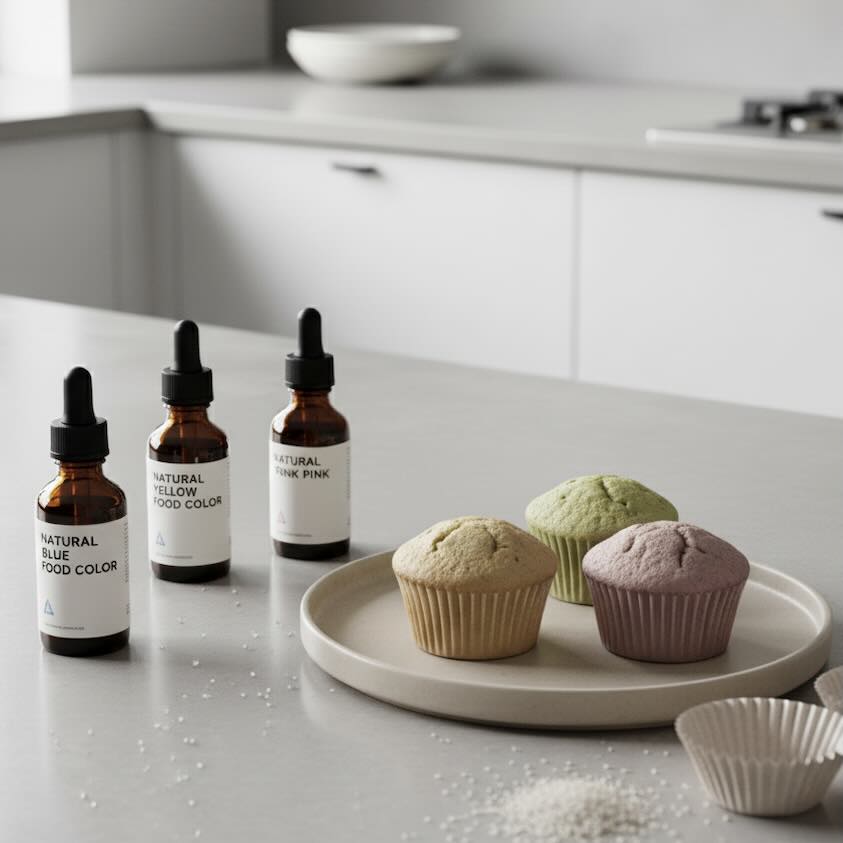
If you enjoy baking or making treats at home, natural food colorings let you create vibrant items without artificial food dyes. Beet powder creates beautiful pinks and reds, turmeric provides yellows, spirulina makes blues and greens, and activated charcoal produces blacks. These plant-based colorants add nutrition rather than petroleum-derived chemicals.
Natural food coloring sets are widely available online and in stores, offering concentrated plant extracts in dropper bottles similar to synthetic versions. Brands like Color Kitchen and India Tree specialize in natural colorants free from artificial dyes. While colors might be slightly less neon than synthetic versions, they create beautiful, wholesome-looking treats.
Becoming proficient at identifying artificial food dyes on ingredient labels is essential for avoiding these synthetic colorants. Manufacturers must list color additives by name, making identification straightforward once you know what to look for. Terms like "Red 40," "Yellow 5," "Blue 1," or "artificial colors" signal the presence of petroleum-based dyes.
Some products use deceptive language that sounds natural but indicates synthetic colors. "Color added" often means artificial food dyes, though it could theoretically include natural colorants. When in doubt, contact the manufacturer or choose products that explicitly state "no artificial colors" or "colored with natural ingredients."
Eliminating artificial food dyes from your family's diet works best as a gradual transition rather than overnight elimination. Start by replacing the most frequently consumed products—perhaps breakfast cereal or daily snacks. This approach lets family members adjust to potentially different colors and flavors without feeling deprived of everything familiar.
Explain to children why you're avoiding artificial food dyes in age-appropriate terms. Kids can understand that some colorings are made from petroleum like gasoline, which doesn't belong in bodies. Involve them in choosing naturally colored alternatives, letting them feel part of the decision rather than having restrictions imposed. This participation increases their buy-in to eating cleaner foods.
The fundamental difference between artificial food dyes and natural colorants lies in their origin and chemical composition. Synthetic dyes are petroleum-derived chemicals created through industrial processes, while natural alternatives come from fruits, vegetables, spices, and other plant sources. This distinction matters because your body recognizes and processes plant compounds differently than foreign synthetic chemicals.
Natural colorants like beet juice, turmeric extract, or purple carrot concentrate contain beneficial nutrients alongside their pigments. When you consume these plant-based alternatives, you're getting antioxidants, vitamins, and phytonutrients rather than pure petroleum-based chemicals. This nutritional contribution, however modest, makes natural colors superior from a health perspective.
Key differences between color types:
The visual intensity differs between artificial food dyes and natural alternatives. Synthetic colors create those super-bright, almost glowing hues that natural colorants simply can't match. Natural blues and greens tend to be more muted, and natural reds lean toward pinks. This difference explains why products with natural colors look more "earthy" or less artificial.
When it comes to safety, natural colorants overwhelmingly outperform artificial food dyes. While some people might have allergies to specific natural colorants (like carmine derived from insects), these reactions are generally well-understood and easily avoided. The synthetic nature of petroleum-based dyes creates more unpredictable health concerns, from behavioral effects to contamination issues.
Natural colorants have been consumed by humans for thousands of years as part of foods. Turmeric, beets, berries, and other color sources have extensive historical use without the concerning health patterns linked to artificial food dyes. This long track record provides reassurance that natural alternatives won't cause unexpected health issues decades after widespread adoption.
The cleanest option isn't switching from artificial food dyes to natural colorants—it's choosing products without added colors at all. Many foods have natural colors that are perfectly appealing: the golden brown of whole grain bread, the creamy white of yogurt, the natural hue of cheese. Adding any colorants, natural or synthetic, is primarily about marketing and visual appeal.
Choosing uncolored products eliminates concerns about both artificial food dyes and potential sensitivities to natural colorants. Plain foods let you appreciate natural colors and might actually help children develop healthier relationships with food. When everything isn't dyed bright colors, kids learn that real food comes in subtle, natural shades.
The regulatory approach to artificial food dyes varies dramatically between countries, revealing different priorities regarding food safety. European countries require warning labels on products containing certain synthetic colors, stating they may affect children's behavior. Some artificial dyes banned in Europe remain freely used in North American products.
This regulatory inconsistency is troubling for health-conscious consumers. If synthetic colorants are concerning enough for European authorities to require warnings or bans, why do North American regulators maintain that these same artificial food dyes are safe? The disparity suggests that economic and industry interests may influence regulatory decisions as much as health evidence.
Consumer demand for products without artificial food dyes has grown substantially in recent years. Major food companies like Kraft, General Mills, and Nestle have reformulated some products to remove synthetic colors in response to consumer pressure. This market shift demonstrates that when consumers demand cleaner options, manufacturers respond.
However, many products still contain artificial food dyes, especially in the United States where regulatory pressure is minimal. Companies often make "natural" versions for European markets while continuing to use synthetic colorants in North American products. This dual approach shows that removing artificial dyes is feasible—companies just need sufficient motivation from consumers to make the change.

Artificial food dyes represent unnecessary chemical exposure that provides zero nutritional benefit while carrying potential health risks. These petroleum-derived synthetic colorants have been linked to behavioral issues in children, allergic reactions, and concerning contamination with carcinogenic compounds. The evidence supporting complete avoidance of these additives continues mounting, making the case for eliminating them from your family's diet.
The fact that artificial food dyes serve purely cosmetic purposes makes their health risks even more troubling. These synthetic colors exist solely to make products more visually appealing and marketable. They don't improve nutrition, enhance flavor, or serve any functional purpose beyond aesthetics. Accepting potential health risks for purely cosmetic additives seems illogical when natural alternatives exist.
Compelling reasons to avoid artificial food dyes:
The petroleum-based origin of these synthetic colorants should give everyone pause. We've recognized that petroleum products don't belong in or on our bodies in other contexts—we wouldn't drink gasoline or rub crude oil on our skin. Yet artificial food dyes, derived from the same source, are considered acceptable in foods, including products marketed to children.
Eliminating artificial food dyes from your diet requires vigilance and commitment. These synthetic colorants hide in unexpected places—medications, vitamins, condiments, and even "healthy" products. Complete avoidance means becoming an expert label reader and often paying premium prices for cleaner alternatives. This effort can feel overwhelming, especially when starting the transition.
The social challenges of avoiding artificial food dyes shouldn't be underestimated. Birthday parties, school events, and family gatherings often feature foods loaded with synthetic colors. Explaining your family's dietary choices without seeming judgmental or extreme requires diplomacy. Children might feel left out when they can't eat the same brightly colored treats as peers.
Children with behavioral issues, ADHD, or hyperactivity should definitely trial eliminating artificial food dyes. Many families report significant improvements in focus, impulse control, and overall behavior after removing synthetic colorants. Even if artificial dyes aren't the sole cause of behavioral challenges, reducing any contributing factor can improve quality of life substantially.
Anyone dealing with unexplained allergic symptoms, skin issues, or chronic inflammation might benefit from eliminating artificial food dyes. These petroleum-derived chemicals can trigger immune responses and inflammatory pathways. Removing them provides your body one less foreign chemical to process, potentially reducing overall inflammatory burden and allowing healing.
Start your transition away from artificial food dyes by targeting the highest-exposure products first. If your children eat brightly colored cereal daily, switch to natural or undyed alternatives. Replace synthetic-colored snacks with whole foods like fruit, nuts, or plain crackers. These high-impact changes reduce synthetic dye exposure significantly without requiring complete diet overhaul.
Educate yourself about brands and products that avoid artificial food dyes. Once you identify reliable clean brands, shopping becomes easier—you'll know which products are safe without reading every label. Building a mental catalog of approved items streamlines grocery shopping and reduces the mental burden of constant label scrutiny.
Artificial food dyes represent an unnecessary health risk that's entirely avoidable with modest effort and potentially higher food costs. The evidence against these petroleum-derived synthetic colorants continues accumulating, from behavioral effects in children to contamination concerns. While regulatory agencies maintain these additives are safe, the precautionary principle suggests minimizing exposure to chemicals that provide no benefit.
The movement toward cleaner eating and toxin-reduced living naturally includes eliminating artificial food dyes. These synthetic colorants epitomize the problematic priorities in our modern food system—prioritizing appearance and profit over health and nutrition. By choosing natural, whole foods and products without synthetic colors, you're voting with your dollars for a cleaner, healthier food supply. Your family deserves better than petroleum-based chemicals masquerading as harmless food ingredients. The scary truth about artificial dyes is now clear—and so is the path forward: choose real food with real colors, or better yet, food that doesn't need artificial enhancement at all.
* AI Disclosure: This article was developed with the assistance of AI language models, which aided in research, drafting, and/or editing. We strive for accuracy, but AI-generated content can occasionally contain errors. We recommend you double-check and verify information before making decisions based on this content.