Find out why baking soda transforms your laundry routine while cutting toxins. Learn the science, safety, and savings of this DIY solution.
Tchiki Davis, M.A., Ph.D.
*This post may contain affiliate links. If you click and make a purchase, we may earn a small commission at no extra cost to you.
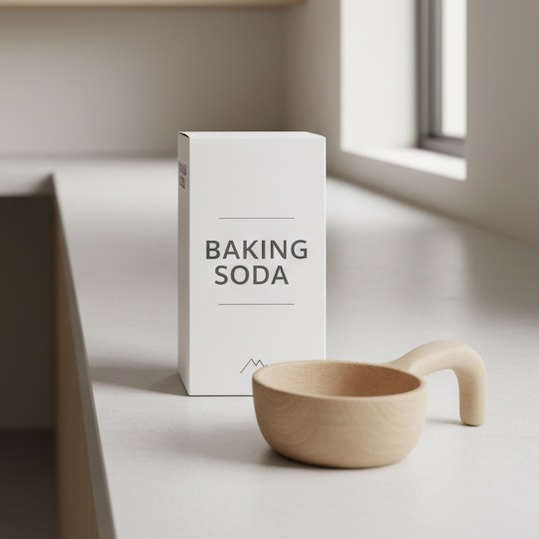
Your laundry room might be harboring more toxins than you realize. Conventional detergents contain synthetic fragrances, optical brighteners, and harsh surfactants that leave residues on your clothes and eventually contact your skin. These chemicals can trigger allergies, disrupt hormones, and pollute waterways after washing down your drain. The good news? You probably already own a powerful, natural alternative sitting in your kitchen cupboard.
Baking soda laundry detergent represents one of the simplest green cleaning solutions available. This DIY approach uses sodium bicarbonate—a mineral compound—to clean fabrics without synthetic chemicals. People have relied on baking soda for laundry for generations, long before commercial detergents dominated store shelves. By returning to this straightforward method, you reduce toxic exposure for your family while saving money. This guide explores the science behind baking soda as a cleaning agent, shares real-world performance insights, and helps you decide if this natural solution works for your household's dirty laundry needs.
Baking soda, chemically known as sodium bicarbonate, works through surprisingly sophisticated mechanisms despite being a single ingredient. When dissolved in water, it creates a mildly alkaline solution with a pH around 8.3. This alkalinity helps break down acidic stains like sweat, blood, and food residues that commonly soil clothing. The gentle pH also softens water by neutralizing minerals, allowing other cleaning actions to work more effectively.
The cleaning mechanism of this DIY solution involves several simultaneous processes. Sodium bicarbonate acts as a natural deodorizer by neutralizing odor-causing acids rather than masking smells with fragrances. The fine crystalline structure provides mild abrasive action that helps lift dirt particles from fabric fibers without causing damage. When baking soda encounters grease or oil, it creates a reaction that emulsifies fats, making them easier to rinse away.
The buffering capacity of baking soda stabilizes pH throughout the wash cycle. This consistency prevents the acidic buildup that can damage fabrics over time or cause colors to fade. Unlike harsh chemical detergents that can weaken cotton and linen fibers, this natural alternative maintains fabric integrity. The mineral composition also helps remove residues left by previous synthetic detergents, gradually restoring your clothes to their original softness.
Key mechanisms of baking soda cleaning:
While baking soda offers impressive cleaning power, understanding its limitations helps set realistic expectations. This DIY laundry detergent works best on lightly to moderately soiled clothes. Heavy grease stains, oil-based dirt, or ground-in mud may require additional cleaning agents. The absence of surfactants means baking soda doesn't create the lather many people associate with cleaning, though foam doesn't actually indicate effectiveness.
The science shows that combining baking soda with complementary natural ingredients enhances performance. Many users pair it with white vinegar (added during the rinse cycle), washing soda for extra cleaning power, or castile soap for surfactant action. These combinations create a more complete green cleaning system while maintaining the toxin-free benefits. Understanding how this simple solution works helps you optimize its use for your specific laundry needs.
Real-world testing reveals what baking soda laundry detergent can actually accomplish in everyday use. Reddit forums and natural living communities share extensive experiences with this DIY solution, providing insights beyond marketing claims. Most users report satisfactory results on regular laundry loads, with everyday dirt, light stains, and body odors removing effectively. The texture and feel of clothes washed with baking soda often improves, with fabrics becoming softer over several washes.
Starting with baking soda requires adjusting your expectations about the washing process. You won't see suds filling your machine—this green solution works quietly without foam. Many people initially doubt its effectiveness due to this lack of lather, but clothes emerge clean nonetheless. The amount needed depends on load size and water hardness, typically ranging from one-quarter to one-half cup per load.
Reddit users frequently mention improved performance on specific items. Towels regain absorbency after multiple washes with this DIY detergent, as baking soda removes the waxy buildup from fabric softeners and conventional detergents. Workout clothes and athletic wear particularly benefit, with stubborn sweat odors disappearing more completely than with some commercial sport detergents. Baby clothes and cloth diapers also get positive mentions for gentle yet effective cleaning.
Performance insights from user reviews:
The immediate results you'll notice include genuinely fresh-smelling laundry without artificial scents. Sensitive individuals appreciate clothes that don't trigger fragrance-related headaches or skin reactions. White and light-colored fabrics maintain their appearance well, though baking soda doesn't create the artificial brightness of optical brighteners found in conventional detergents. This natural appearance actually represents the true color of your fabrics.
However, heavily soiled work clothes or items with set-in grease stains challenge this simple solution. Many users find that pre-treating tough spots with a paste of baking soda and water improves results significantly. Others add a small amount of dish soap or castile soap to loads with extra-dirty items. The DIY nature means you can customize the approach for different laundry needs, something impossible with commercial products that come in fixed formulations.

When you choose baking soda laundry detergent, you eliminate an astonishing array of synthetic chemicals from your home. Conventional detergents contain surfactants derived from petroleum, synthetic fragrances with dozens of undisclosed compounds, and preservatives that can disrupt hormones. This DIY solution sidesteps all these concerns with a single, food-grade ingredient. Sodium bicarbonate appears on the FDA's Generally Recognized As Safe (GRAS) list, meaning it's safe enough to consume.
The transparency of baking soda represents a revolutionary shift from commercial products. When you read "fragrance" on a conventional detergent label, it can represent up to 3,000 different chemicals—most untested for long-term health effects. This green alternative contains exactly what you see: pure sodium bicarbonate. No synthetic dyes color your wash water, no optical brighteners coat your fabrics with fluorescent compounds, and no preservatives linger on clothes touching your skin.
Environmental safety extends beyond your home with this DIY laundry solution. After rinsing down the drain, baking soda doesn't harm aquatic ecosystems or accumulate in waterways. It biodegrades completely and naturally occurs in many water sources. Conventional detergents contribute to algae blooms and aquatic toxicity through phosphates and surfactants. By switching to this natural alternative, you protect both your family's health and environmental wellbeing with every load.
Safety advantages of baking soda detergent:
Some people worry whether baking soda could harm their washing machine or septic system. The gentle pH and mineral nature actually help rather than hurt mechanical systems. Unlike acidic or highly alkaline cleaners, this DIY solution won't corrode machine components or pipes. Septic systems benefit from baking soda's ability to neutralize acids and control odors without killing beneficial bacteria that break down waste.
Skin safety represents another major advantage of this green laundry detergent. Dermatologists often recommend baking soda for patients with sensitive skin, eczema, or chemical sensitivities. The absence of irritating surfactants and fragrances means your clothes won't trigger reactions when touching skin. Many parents report fewer diaper rashes and skin flare-ups after switching to this natural cleaning method. The simplicity of a single, recognizable ingredient provides peace of mind that conventional detergents can't match.
Families with young children face unique challenges when selecting cleaning products. Little ones spend significant time on floors and touch everything, meaning laundry detergent residues inevitably contact their skin. Children's developing bodies are also more vulnerable to toxic exposures that adults might tolerate. Baking soda laundry detergent addresses these concerns with a safety profile that even pediatricians recognize as gentle enough for the most sensitive family members.
New parents often discover this DIY solution when searching for ways to clean cloth diapers safely. Commercial detergents can leave residues that cause diaper rash or reduce fabric absorbency over time. Baking soda effectively removes waste and odors without these problems. Many cloth diapering communities consider it an essential part of their washing routine, sometimes combined with a small amount of soap for heavily soiled items.
Baby clothes benefit equally from this green cleaning approach. Newborn skin is particularly permeable and sensitive, making residue-free washing critical. The natural formula ensures that sleepers, onesies, and blankets won't irritate delicate skin. Unlike products marketed specifically for babies—which often cost premium prices while still containing synthetic ingredients—this DIY detergent provides genuine safety at minimal cost.
Family-friendly benefits include:
Pregnant women increasingly seek to reduce chemical exposures that might affect fetal development. Synthetic fragrances and hormone-disrupting compounds in conventional detergents raise particular concerns during this sensitive time. Baking soda laundry detergent eliminates these worries entirely. The single-ingredient formula means you know exactly what touches maternity clothes and baby items you're preparing.
People with multiple chemical sensitivities (MCS) often struggle to find any commercial product they can tolerate. This DIY solution frequently becomes a lifeline for those whose bodies react to even "fragrance-free" or "sensitive skin" detergents. The relatively non-toxic nature means it won't trigger the headaches, respiratory symptoms, or skin reactions that plague chemically sensitive individuals. For families dealing with asthma or allergies, removing synthetic laundry products from the home often reduces symptom frequency and severity noticeably.

The financial case for baking soda laundry detergent becomes immediately obvious when you compare prices. A 13.5-pound box of baking soda costs approximately $8-12 at most grocery stores or warehouse clubs. This amount provides roughly 100-200 loads of laundry depending on your water hardness and load size. Compare that to commercial detergents costing $15-25 for 50-100 loads, and the savings become substantial.
Calculating the actual cost reveals how economical this DIY solution really is. Using one-half cup of baking soda per load, a 13.5-pound box (216 ounces) provides about 54 loads. This equals roughly $0.15-0.22 per load. Premium natural detergents often cost $0.25-0.50 per load, while even conventional options run $0.15-0.30 per load. The green alternative matches or beats almost every commercial option on pure price alone.
The savings multiply for large families doing multiple loads daily. A household washing seven loads weekly spends about $6-8 monthly on baking soda laundry detergent versus $15-35 on commercial alternatives. Over a year, this DIY approach saves $100-300 compared to conventional detergents and $200-400 compared to premium natural brands. These savings accumulate significantly over time while simultaneously reducing toxic exposures.
Cost comparison breakdown:
Grocery stores carry baking soda in the baking aisle, but warehouse clubs offer the best value for laundry use. Costco, Sam's Club, and similar retailers sell large bags specifically marketed for cleaning at lower per-pound prices. Amazon also offers bulk options with Subscribe & Save discounts. Buying food-grade baking soda ensures purity, though some companies market "laundry-specific" versions at identical quality for higher prices.
You can enhance this green detergent with other inexpensive natural ingredients when needed. Adding washing soda (sodium carbonate) boosts cleaning power for about $0.05 per load. White vinegar in the rinse cycle costs roughly $0.03 per load and provides natural fabric softening. Even with these additions, the total cost remains far below commercial options. The value proposition of baking soda laundry detergent includes both immediate savings and long-term health benefits that are difficult to price but tremendously valuable.
Understanding how baking soda stacks up against other natural laundry options helps you make informed decisions. Several DIY and commercial alternatives compete for the attention of health-conscious consumers. Washing soda, soap nuts, and castile soap represent the most common rivals to this simple solution. Each approach offers different strengths for green laundry cleaning.
Washing soda (sodium carbonate) is often confused with baking soda, but they differ chemically and functionally. Washing soda has a higher pH (around 11) compared to baking soda's gentler 8.3, providing stronger cleaning action on tough stains and greasy soils. However, this increased alkalinity can irritate sensitive skin and damage delicate fabrics over time. Baking soda offers gentler cleaning that's safer for everyday use on all fabric types.
Many people combine these two DIY solutions for optimal results. Using primarily baking soda with a small amount of washing soda added provides enhanced cleaning without excessive harshness. This combination costs slightly more than baking soda alone but remains far cheaper than commercial detergents. The flexibility to adjust ratios based on soil level and fabric type gives you control impossible with fixed commercial formulations.
Key comparison factors:
Castile soap represents another popular green alternative, offering true surfactant action that baking soda lacks. Made from plant oils, castile soap creates lather and emulsifies oils effectively. However, it can leave residue in hard water and requires precise measuring to avoid buildup. Baking soda's mineral nature means it never causes the waxy buildup that sometimes occurs with soap-based cleaners.
Cost-wise, castile soap runs more expensive than this DIY solution, though still cheaper than most commercial detergents. A popular brand costs about $0.30-0.40 per load compared to $0.15-0.22 for baking soda. Many users create hybrid formulas combining both ingredients—castile soap for surfactant cleaning power and baking soda for odor control and water softening. This partnership delivers more complete cleaning than either ingredient alone while maintaining the non-toxic, green benefits.

After examining every aspect of baking soda laundry detergent, this DIY solution earns its reputation as a simple, effective green alternative. The single-ingredient approach eliminates countless synthetic chemicals from your home while cleaning everyday laundry satisfactorily. For families prioritizing toxin reduction and natural living, this method delivers on both safety and environmental promises. The significant cost savings provide additional motivation to try this straightforward cleaning approach.
The transparency and safety of baking soda cannot be overstated. You control exactly what touches your family's clothes with zero hidden ingredients or proprietary formulations. The environmental benefits extend beyond your household, protecting waterways and aquatic life from detergent pollution. The multi-purpose nature means the same box handles laundry, kitchen cleaning, and dozens of other household tasks, maximizing value.
User experiences consistently highlight improved fabric feel and genuine odor elimination. Clothes lose the waxy buildup from commercial products, returning to their natural softness and absorbency. People with sensitivities finally find relief from fragrance headaches and skin reactions. The simplicity appeals to those seeking to reduce complexity in their homes while making healthier choices. For lightly to moderately soiled everyday laundry, this green detergent performs admirably.
Comprehensive pros and cons:
Baking soda laundry detergent makes the most sense for households committed to reducing chemical exposures and living more sustainably. If you already buy organic food and avoid synthetic personal care products, extending this philosophy to laundry aligns with your values. The DIY nature appeals to people who enjoy simple, effective solutions over complicated products with dozens of ingredients. Families with babies, young children, or members with chemical sensitivities benefit most from the safety profile.
However, households dealing with extremely dirty laundry from manual labor or outdoor activities may need more powerful cleaning agents, at least occasionally. People accustomed to strongly scented laundry might initially miss artificial fragrances, though most adjust to genuinely fresh, unscented clothes. The lack of convenience compared to grabbing commercial detergent bothers some users, though measuring baking soda takes minimal effort.
Ultimately, baking soda laundry detergent delivers genuine green cleaning that's remarkably simple and effective. This DIY solution reduces toxic exposures for your family while protecting environmental health. The dramatic cost savings make the switch financially rewarding alongside the health benefits. For anyone seeking a truly natural alternative to chemical-laden commercial products, baking soda deserves a place in your laundry routine. Start with a few loads to experience the difference, and you'll likely wonder why you waited so long to embrace this time-tested, green cleaning solution.
* AI Disclosure: This article was developed with the assistance of AI language models, which aided in research, drafting, and/or editing. We strive for accuracy, but AI-generated content can occasionally contain errors. We recommend you double-check and verify information before making decisions based on this content.