See how this new simple fabric keeps your baby instantly comfy. Unlock the exclusive benefits of soft, sustainable bamboo baby clothes.
Tchiki Davis, M.A., Ph.D.
*This post may contain affiliate links. If you click and make a purchase, we may earn a small commission at no extra cost to you.
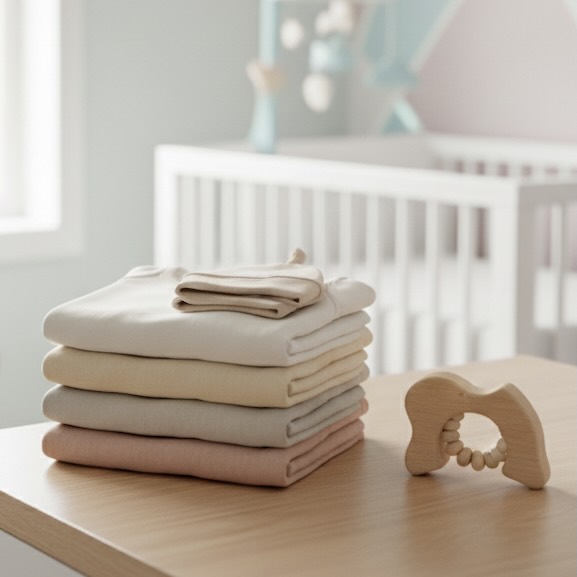
Your baby's skin is incredibly delicate—up to 30% thinner than adult skin and far more permeable to chemicals and irritants. What you dress them in matters more than you might think. Conventional cotton baby clothes are often grown with pesticides and treated with harsh chemicals during manufacturing. These substances can linger in the fabric, touching your baby's sensitive skin day and night.
If you're looking for a healthier alternative, bamboo baby clothes offer an exciting solution that combines incredible softness with environmental responsibility.
Bamboo fabric has emerged as one of the most popular choices for health-conscious parents seeking sustainable baby clothing. This natural material grows without pesticides, requires minimal water, and produces fabric that's naturally hypoallergenic and antibacterial. Bamboo baby clothes feel luxuriously soft against your infant's skin while keeping them comfortable in various temperatures. Beyond the immediate comfort, choosing sustainable bamboo clothing reduces your baby's exposure to toxic chemicals and supports farming practices that protect the planet they'll inherit. This comprehensive guide will help you understand everything about bamboo baby apparel, from how it's made to which brands offer the safest options.
The science behind bamboo baby clothes begins with one of nature's most remarkable plants. Bamboo grows incredibly fast—some species gain three feet per day—without requiring pesticides, fertilizers, or irrigation systems. This sustainable growth makes bamboo fabric an environmentally friendly choice from the very start. The process of transforming bamboo into soft baby clothing involves harvesting mature stalks, breaking them down into pulp, and processing them into fibers.
Two main methods create bamboo fabric: mechanical and chemical processing. Mechanical processing crushes bamboo stalks and uses natural enzymes to create fibers that are then spun into yarn. This produces "bamboo linen," which is textured and less common in baby clothes. Chemical processing uses a closed-loop system to dissolve bamboo pulp and regenerate it into silky fibers called bamboo viscose or bamboo rayon.
Understanding how bamboo baby clothes achieve their signature softness reveals why they're so gentle on infant skin. Bamboo viscose fibers are naturally round and smooth without chemical treatment. This structure creates fabric that's softer than cotton and comparable to silk. The mechanism behind this softness means bamboo baby clothing won't irritate sensitive skin or create friction that leads to rashes.
Bamboo fabric's molecular structure also explains its breathability. The fibers contain micro-gaps that allow superior ventilation, helping regulate your baby's body temperature. This science translates to real comfort—your baby stays cooler in warm weather and maintains warmth in cooler conditions. The natural properties work without any chemical additives.
One of bamboo's most impressive features is its inherent antibacterial nature. The bamboo plant produces an antimicrobial agent called "bamboo kun" that protects it from pests and fungi. Research shows that this property partially transfers to bamboo fabric, though the level varies depending on processing methods. Sustainable bamboo baby clothes retain some natural antibacterial benefits, reducing odor-causing bacteria.
The promise of bamboo baby apparel extends beyond softness to actual health benefits. The antibacterial mechanism means these clothes stay fresher longer between washes. For babies prone to skin irritation or diaper rash, bamboo fabric creates a cleaner environment. The science supports bamboo as a smart choice for infant clothing that works with your baby's developing immune system.
Bamboo fabric naturally wicks moisture away from skin more effectively than cotton. The mechanism involves the fiber's structure—those same micro-gaps that provide breathability also pull moisture from the surface. This keeps your baby's skin drier, which is crucial for preventing rashes and maintaining comfort. Sustainable baby clothing made from bamboo works actively to protect your infant's delicate skin.
Parents who first encounter bamboo baby clothes consistently report the same reaction: amazement at the incredible softness. The feel of bamboo fabric surpasses conventional cotton significantly. It's silky smooth, with a luxurious drape that makes even simple onesies feel special. When you dress your baby in bamboo apparel, you'll immediately notice how the fabric glides over their skin without catching or pulling.
Real performance reviews from parents across Amazon and Reddit emphasize this tactile experience. One parent described bamboo baby clothes as "like wrapping your baby in a cloud." Another noted that their infant with eczema experienced immediate relief when switched to bamboo fabric. These consistent results demonstrate that the feel isn't just marketing hype—it's genuinely different.
The performance of bamboo baby clothes becomes apparent within the first wearing. Babies who previously seemed fussy or uncomfortable often settle down when dressed in bamboo fabric. The immediate results include less skin irritation, fewer red marks from seams, and more content babies. Parents report that their infants sleep better in bamboo pajamas because the temperature-regulating properties prevent overheating.
Reviews consistently mention how bamboo baby clothing performs during different activities. The fabric moves with your baby without restricting their movement. It doesn't bunch up or create uncomfortable wrinkles. For tummy time, the softness provides a gentle surface against your baby's face. During active play, bamboo apparel stays comfortable without causing chafing.
A critical performance metric for any baby clothing is how it holds up to frequent washing. Bamboo baby clothes receive high marks in this area, though they require proper care. Reviews indicate that quality bamboo fabric maintains its softness through dozens of washes when laundered correctly. The feel remains luxurious rather than becoming rough or worn.
Parents note that bamboo baby apparel resists pilling better than some cotton alternatives. The sustainable fabric also maintains its shape well, not stretching out excessively. However, reviews caution that bamboo clothing needs gentle detergent and shouldn't be exposed to high heat. When cared for properly, the performance longevity justifies the investment.
Reddit parenting communities share detailed experiences with bamboo baby clothes. Many parents initially bought one or two pieces to test, then gradually replaced their entire baby wardrobe. The consistent feedback centers on superior comfort and reduced skin issues. Parents of babies with sensitive skin or eczema particularly praise the results they've seen.
Amazon reviews of popular bamboo baby clothing brands reveal patterns in performance satisfaction:

The safety of bamboo baby clothes depends heavily on how the bamboo fabric is processed. This is where you need to become an informed consumer. Mechanically processed bamboo linen is the most natural option, using only physical crushing and natural enzymes. However, this fabric is less soft and rarely used for baby clothing. Most bamboo baby apparel uses bamboo viscose, which requires chemical processing.
The viscose production method dissolves bamboo pulp using carbon disulfide, then regenerates it into fibers. Non-toxic bamboo clothing manufacturers use closed-loop processing, where 99% of chemicals are captured and reused rather than released. This creates clean, safe fabric without chemical residues. The key is choosing brands that use certified closed-loop systems and can verify their non-toxic standards.
When shopping for safe bamboo baby clothes, specific certifications help identify truly non-toxic options. OEKO-TEX Standard 100 certification tests for harmful substances and confirms the fabric is safe for baby skin. This independent verification gives you confidence that the sustainable baby clothing you're buying meets strict safety standards. GOTS (Global Organic Textile Standard) certification covers organic bamboo from farm to finished product.
Clean ingredients in bamboo fabric processing matter just as much as the bamboo itself. Look for brands that disclose their manufacturing process and avoid additional chemical treatments. Some companies add formaldehyde-based wrinkle-resistant finishes or flame retardants—chemicals you definitely don't want against your baby's skin. Non-toxic bamboo baby clothes should be free from these unnecessary additions.
The dyes used in bamboo baby apparel significantly impact overall safety. Conventional synthetic dyes can contain heavy metals, carcinogens, and allergens. Safe bamboo baby clothes use low-impact or natural dyes that meet strict safety standards. Some brands offer undyed bamboo fabric in natural ivory or beige colors, eliminating dye concerns entirely.
When evaluating non-toxic options, ask about the dyeing process. Azo-free dyes are essential—azo dyes can release cancer-causing compounds. Water-based, low-impact dyes are preferable for sustainable baby clothing. The safest brands provide transparency about their entire supply chain, including dyeing facilities and chemical management.
Not all bamboo baby clothes are created equal, and some companies engage in "greenwashing"—making products appear more sustainable or non-toxic than they really are. Just because something contains bamboo doesn't automatically make it safe. You need to investigate the processing methods, certifications, and chemical treatments. Clean bamboo baby apparel comes from brands with verified third-party certifications.
Be skeptical of vague claims like "eco-friendly" or "natural" without supporting documentation. The safest bamboo baby clothing clearly states:
Non-toxic sustainable baby clothing requires this transparency. Your baby deserves fabric that's genuinely safe, not just marketed that way.
Babies' skin is uniquely vulnerable, making fabric choice crucial for their safety and comfort. The top layer of infant skin is thinner and more permeable than adult skin, allowing substances to penetrate more easily. Bamboo baby clothes offer specific advantages for this delicate tissue. The smooth, round fibers don't irritate or scratch like some fabrics. The hypoallergenic nature reduces allergic reactions that can occur with conventional materials.
Kids' safety extends beyond just avoiding toxic chemicals. Bamboo fabric's natural properties actively support skin health. The antibacterial characteristics help prevent bacterial growth that can lead to infections, especially in the diaper area. The moisture-wicking ability keeps skin drier, reducing the risk of heat rash and fungal issues. Sustainable bamboo baby apparel works as a protective barrier rather than a source of irritation.
Different ages and stages require different considerations in bamboo baby clothes. For newborns, prioritize the softest bamboo viscose in simple designs without irritating tags or seams. Kimono-style tops work well because they don't require pulling over baby's head. Bamboo fabric is gentle enough for even the most sensitive newborn skin, making it ideal for those first precious weeks.
For older infants who are mobile, bamboo baby clothing needs to balance softness with durability. Look for reinforced knees on pants and well-constructed seams. The fabric's natural stretch accommodates growing babies without restricting movement. Sustainable baby apparel in bamboo works beautifully for crawlers and early walkers who need freedom to explore.
Certain bamboo baby clothes excel for specific purposes. Bamboo pajamas and sleep sacks are particularly valuable because the temperature-regulating properties reduce overheating risk during sleep. Many parents report their babies sleep longer and more peacefully in bamboo sleepwear. This family use extends to reducing the anxiety that comes with worrying about SIDS risk factors.
Bamboo baby clothing also shines for babies with specific health concerns:
Kids' safety improves when you match the right fabric to your baby's needs. Sustainable bamboo baby clothes offer versatile solutions for various challenges parents face.
Beyond safety considerations, bamboo baby apparel needs to function well in daily family use. The fabric's stretchiness makes dressing squirmy babies easier than with rigid cotton. Bamboo clothing typically features good color retention, so garments stay looking nice despite constant washing. The quick-drying nature means you can wash bamboo items in the evening and have them ready by morning.
Parents appreciate that bamboo baby clothes often work across seasons due to temperature-regulating properties. You might use the same bamboo bodysuit in summer and winter by layering appropriately. This versatility improves the value and reduces the total number of garments needed. Family use becomes simpler when your baby's clothing adapts to changing conditions.

Bamboo baby clothes cost more than conventional cotton options, typically 30-100% higher depending on the brand. A basic bamboo onesie might run $15-25, while cotton versions cost $5-10. A complete bamboo baby clothing starter set with multiple pieces often ranges from $100-200. Understanding this price difference helps you assess whether sustainable baby apparel fits your budget.
The higher cost reflects several factors. Bamboo fabric production, especially using closed-loop sustainable methods, costs more than conventional cotton manufacturing. Ethical labor practices and third-party certifications add to expenses. Smaller production runs for specialty baby items increase per-unit costs. When you buy bamboo baby clothes, you're paying for quality, safety, and environmental responsibility.
Breaking down the actual value of bamboo baby clothes requires looking beyond the initial price tag. Quality bamboo fabric typically outlasts conventional alternatives, maintaining softness and appearance through more wear cycles. If a bamboo onesie costs twice as much but lasts three times as long, it's actually more economical. The cost per use becomes favorable when garments remain in excellent condition.
Where to buy bamboo baby clothing affects your total investment. Direct-to-consumer brands often offer better prices than boutique retailers. Amazon carries numerous bamboo baby apparel options at competitive rates with easy returns. Specialty sustainable baby clothing stores sometimes have sales or bundle deals that improve value. Shopping strategically reduces the price difference between bamboo and conventional options.
The long-term cost consideration for bamboo baby clothes extends beyond just durability. Babies with fewer skin issues mean less money spent on creams, ointments, and doctor visits. If switching to sustainable bamboo baby apparel reduces diaper rash or eczema flare-ups, the medical savings could offset the higher clothing costs. This value isn't always obvious but matters significantly for family budgets.
Bamboo baby clothing also maintains resale value better than conventional items. The durable nature and continued softness mean these pieces remain appealing for secondhand purchase. If you plan to sell or donate outgrown clothing, bamboo items command better prices. Some parents find they can recoup 40-50% of their initial investment when reselling quality bamboo baby clothes.
Several strategies help you get the best value from bamboo baby apparel purchases:
The price of bamboo baby clothes becomes more manageable when you're strategic about what you buy and how you care for it. The value proposition improves significantly when you consider health benefits, durability, and environmental impact alongside simple cost.
The most common comparison is between bamboo baby clothes and organic cotton alternatives. Both offer non-toxic, sustainable options superior to conventional fabrics. Organic cotton avoids pesticides and harsh chemicals, making it safe for baby skin. However, bamboo fabric typically feels softer and more luxurious than organic cotton. The best bamboo baby clothing has a silky quality that cotton can't match.
Organic cotton excels in durability and ease of care. It tolerates high-heat washing and drying better than bamboo. Cotton also has a longer track record and more extensive certification systems. For sustainable baby clothing, organic cotton remains the gold standard for environmental verification. However, cotton cultivation requires significantly more water than bamboo, even in organic systems.
When choosing between these alternatives, consider your priorities. Bamboo baby apparel wins for softness, antibacterial properties, and water conservation. Organic cotton leads in durability, heat tolerance, and certification transparency. Many families end up using both, reserving bamboo for items directly against skin and organic cotton for outer layers.
Comparing bamboo baby clothes to conventional cotton shows even starker differences. Regular cotton baby clothing is affordable and widely available but comes with significant drawbacks. Conventional cotton is one of the most pesticide-intensive crops, and those chemicals can remain in the fabric. The processing often involves bleaching, formaldehyde treatments, and harsh dyes.
The best bamboo baby clothing vastly outperforms conventional cotton in safety and environmental impact. Babies wearing sustainable bamboo baby apparel have less exposure to toxic residues. The fabric quality typically surpasses conventional cotton as well. While conventional options cost less initially, the hidden costs to health and environment make bamboo alternatives worthwhile.
Some baby clothing incorporates polyester, nylon, or other synthetic materials for stretch or durability. These alternatives to natural fabrics offer wrinkle resistance and low cost. However, synthetic baby clothing has several disadvantages. Plastics don't breathe well, causing babies to overheat. They don't wick moisture effectively, leaving skin damp. Most concerning, microplastics can shed from synthetic fabrics and potentially be absorbed through baby's permeable skin.
Bamboo baby clothes are far superior to synthetic alternatives for infant use. The natural breathability and moisture management create a healthier environment for baby's skin. Sustainable bamboo baby apparel avoids the microplastic exposure concern entirely. While some garments benefit from a small percentage of spandex for stretch, primarily synthetic baby clothing should be avoided.
Among bamboo baby apparel options, several brands stand out:
Little Sleepies offers bamboo viscose pajamas beloved for their softness and adorable prints. Parents rave about the quality and fit. The price point is mid-range for sustainable baby clothing.
Kyte Baby specializes in bamboo rayon clothing with a focus on temperature regulation. Their sleep products receive particularly high marks for helping babies sleep comfortably. Quality is excellent though prices run higher.
Burt's Bees Baby provides more affordable organic cotton options with some bamboo blends. While not pure bamboo, they offer good value for families wanting some bamboo benefits at lower cost.
The best bamboo baby clothes for your family depend on your budget and specific needs. Reading reviews and comparing alternatives helps identify which brands align with your priorities for sustainable baby clothing.

Bamboo baby clothes offer numerous benefits that make them an excellent choice for health-conscious parents. The extraordinary softness provides unmatched comfort for your baby's delicate skin. The natural antibacterial and hypoallergenic properties reduce rashes, irritation, and bacterial growth. Temperature regulation keeps babies comfortable year-round without overheating. The sustainable production methods align with values of protecting the environment for future generations.
The pros extend to practical considerations too. Bamboo baby apparel drapes beautifully and moves with your baby without restriction. The fabric maintains its quality through many washings when cared for properly. Parents consistently report that babies with sensitive skin or eczema show marked improvement. The moisture-wicking capability keeps skin drier, reducing diaper rash and heat rash. Choosing sustainable bamboo baby clothing benefits your baby immediately while supporting better manufacturing practices.
Bamboo baby clothes aren't without limitations you should consider. The higher price point is the most obvious challenge—expect to pay significantly more than conventional options. Availability can be limited compared to mainstream cotton baby clothing. The fabric requires more careful laundering, needing gentle detergent and avoiding high heat. Some bamboo items may shrink if improperly washed.
Other cons include variability in quality between brands. Not all bamboo baby apparel is created equal, and some uses less sustainable processing than others. The learning curve for proper care might frustrate parents used to throwing everything in on hot. For families on tight budgets, outfitting a baby entirely in bamboo fabric may not be financially feasible. These drawbacks are real but manageable for most families prioritizing clean, sustainable baby clothing.
For parents seeking the safest, most comfortable clothing for their babies, bamboo baby clothes represent an excellent investment. We recommend starting with items that spend the most time against your baby's skin: bodysuits, pajamas, and sleep sacks. These pieces deliver maximum benefit from bamboo's softness and antibacterial properties. If your baby has sensitive skin or eczema, prioritizing sustainable bamboo baby apparel for these items can make a significant difference.
Look for brands with clear certifications like OEKO-TEX Standard 100 that verify safety. Choose closed-loop bamboo viscose production when possible to ensure minimal environmental impact. Read reviews to identify which specific brands offer the best combination of quality, safety, and value. Start with a few pieces to confirm your baby tolerates bamboo well before making larger purchases.
Making the switch to bamboo baby clothing doesn't need to happen overnight. Begin by replacing items as your baby outgrows current sizes. Prioritize the pieces that matter most for your specific situation. If diaper rash is an issue, start with bamboo bottoms and bloomers. For babies who overheat, bamboo pajamas and sleep sacks should come first.
As you incorporate sustainable bamboo baby clothes into your child's wardrobe, you'll likely notice positive changes. Trust your observations about your baby's comfort and skin health. The investment in quality, non-toxic fabric pays dividends in your baby's wellbeing and your peace of mind. Bamboo baby apparel represents a simple choice that creates healthier outcomes for your child while supporting more sustainable manufacturing practices. Your baby's delicate skin deserves the softness, safety, and natural properties that bamboo fabric provides.
* AI Disclosure: This article was developed with the assistance of AI language models, which aided in research, drafting, and/or editing. We strive for accuracy, but AI-generated content can occasionally contain errors. We recommend you double-check and verify information before making decisions based on this content.