Explore the health benefits of bison meat—naturally lean, nutrient-rich red meat that's the ultimate protein for clean eating.
Tchiki Davis, M.A., Ph.D.
*This post may contain affiliate links. If you click and make a purchase, we may earn a small commission at no extra cost to you.
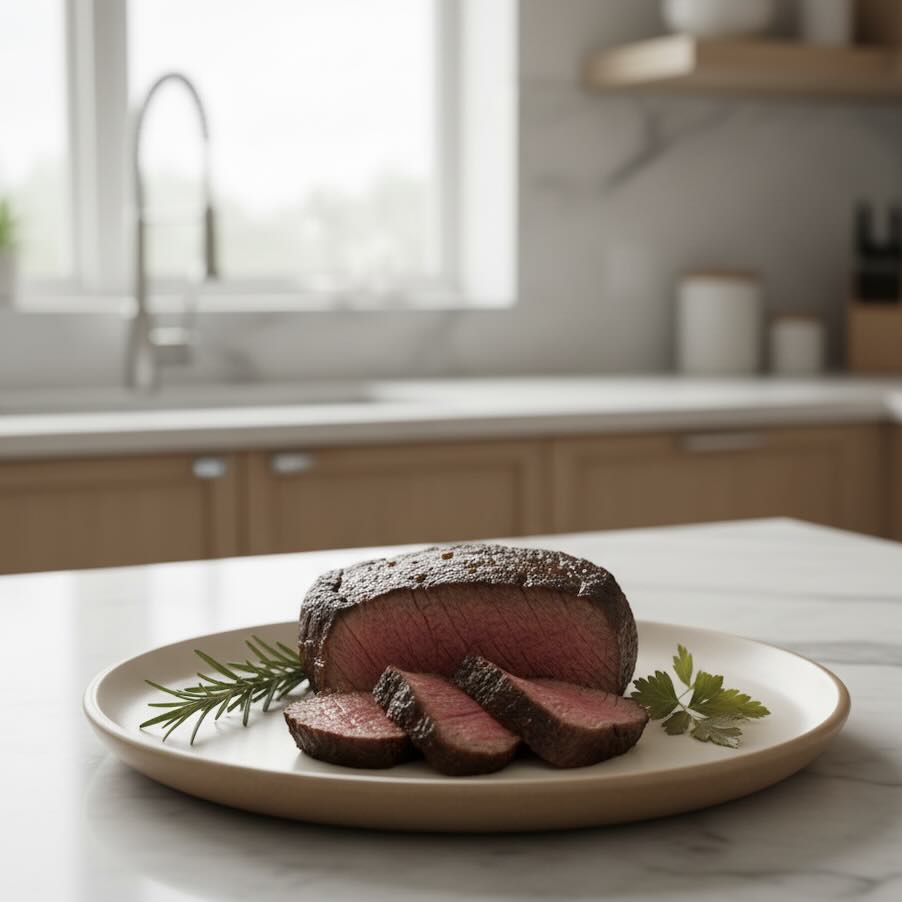
Red meat often gets a bad reputation in health circles, but what if there was a version that delivered exceptional nutrition without the drawbacks? Bison meat offers exactly that—a protein source that's naturally leaner than chicken breast yet richer in essential nutrients than conventional beef. For thousands of years, indigenous peoples thrived on buffalo as their primary protein source, recognizing its superior nutritional value long before modern science could confirm it.
Today, bison is experiencing a renaissance among health-conscious eaters seeking clean, sustainable protein options. This rich red meat provides complete amino acids, high levels of omega-3 fatty acids, and impressive amounts of vitamin B12, iron, and zinc. Unlike factory-farmed cattle, bison are typically raised on pasture without hormones or routine antibiotics. The animals' natural diet of grass produces meat with a superior nutritional profile. If you're looking to reduce toxins while maximizing nutrient density in your diet, discovering the benefits of bison meat might be one of the smartest dietary changes you can make. This comprehensive guide explores everything you need to know about incorporating this exceptional protein into your health-focused lifestyle.
Bison meat stands out for its remarkable macronutrient profile. A 3.5-ounce serving contains approximately 24 grams of protein with only 2.4 grams of fat and 146 calories. Compare this to the same portion of beef, which contains 14 grams of fat and 250 calories. The science shows that buffalo delivers more protein per calorie than almost any other red meat option available.
The amino acid profile in bison meat is complete, meaning it contains all nine essential amino acids your body cannot produce. This makes it an ideal protein source for muscle building, tissue repair, and hormone production. The high concentration of leucine—a branched-chain amino acid—particularly supports muscle protein synthesis. Understanding how this rich red meat works in your body helps explain why athletes and fitness enthusiasts increasingly choose it.
The fat composition of bison meat reveals why it's nutritionally superior to conventional beef. Buffalo contains significantly higher levels of omega-3 fatty acids, particularly alpha-linolenic acid (ALA). These essential fats reduce inflammation, support brain health, and protect cardiovascular function. The omega-6 to omega-3 ratio in bison is far more favorable than grain-fed beef.
Bison meat also contains conjugated linoleic acid (CLA), a fatty acid with proven health benefits. Research demonstrates that CLA supports healthy body composition, reduces inflammation, and may offer protective effects against certain diseases. The mechanism behind these benefits involves how CLA influences fat metabolism and cellular function. Grass-fed buffalo naturally produces higher CLA levels than grain-finished cattle.
The vitamin and mineral content in bison meat is exceptionally high. One serving provides over 40% of your daily vitamin B12 needs, which supports nerve function, DNA synthesis, and red blood cell formation. The science shows that B12 from animal sources like buffalo is more bioavailable than synthetic supplements.
Iron content in this rich red meat comes in the heme form, which your body absorbs 2-3 times more efficiently than non-heme iron from plants. This makes bison particularly valuable for preventing anemia. Zinc, selenium, and phosphorus round out the impressive mineral profile. Understanding how these nutrients work synergistically helps you appreciate why bison meat delivers such powerful nutritional benefits.
Most bison are raised on pasture, eating their natural diet of grasses and forbs. This feeding approach dramatically impacts the meat's nutritional composition. Grass-fed animals produce meat with 2-4 times more omega-3 fatty acids than grain-fed counterparts. The mechanism involves how the animals' digestive systems process different feeds and deposit resulting fats in muscle tissue.
Grass-fed bison meat contains higher levels of antioxidants like vitamin E and glutathione. These compounds protect your cells from oxidative stress and support overall health. The science behind grass-feeding shows that it works to optimize the nutritional value of the resulting meat. When you choose buffalo, you're getting protein that delivers maximum nutrients per bite.

Bison meat has a distinctive taste that most people describe as slightly sweeter and richer than beef. The flavor is clean and robust without being gamey. Because buffalo is so lean, it cooks faster than beef—typically 30% less cooking time. This characteristic takes some adjustment if you're used to preparing conventional red meat, but you'll quickly learn the optimal timing.
The texture of properly cooked bison is tender and satisfying. Overcooking is the most common mistake people make, resulting in dry, tough meat. When prepared correctly to medium-rare or medium, this rich red meat delivers exceptional juiciness despite its low fat content. The mouthfeel is substantial and filling, leaving you satisfied with smaller portions than you'd need with other proteins.
Online reviews of bison meat products consistently rate 4.5+ stars across major retailers. Customers frequently mention the superior taste compared to conventional beef. One Amazon reviewer described buffalo burgers as "the best ground meat I've ever cooked—flavorful without being greasy." Another verified buyer noted that their family immediately tasted the difference and requested bison meat regularly.
Some reviews mention the price as a consideration but emphasize that the quality justifies the cost. Several customers report noticeable health benefits after switching to bison, including improved energy levels and easier digestion. The performance in recipes gets high marks—reviewers successfully use this rich red meat in everything from tacos to meatloaf. These real-world results validate what nutrition science predicts about buffalo's benefits.
Reddit's r/nutrition and r/carnivore communities frequently discuss bison meat, with users sharing detailed experiences. One popular thread explored whether buffalo tastes different from beef, with consensus that it's richer and less fatty-tasting. Users appreciate that the meat doesn't leave them feeling heavy or bloated after meals, unlike conventional red meat.
Performance discussions on Reddit highlight bison's satiety factor. Multiple users report feeling fuller longer after eating buffalo compared to the same portion size of chicken or turkey. The taste receives consistent praise, though some mention needing to adjust seasoning because the meat's natural flavor is more pronounced. These community results demonstrate that bison delivers both nutrition and satisfaction.
When you first incorporate bison meat into your diet, you might notice several immediate results. The high protein content provides sustained energy without the sluggish feeling some people experience after eating fattier meats. Your satiety signals work more effectively, often resulting in naturally eating smaller portions. This rich red meat digests efficiently, typically causing less digestive discomfort than processed meats.
Long-term users report various health improvements. Some notice better muscle recovery after workouts, attributed to the complete amino acid profile. Others mention improved iron levels confirmed by blood work. The taste preference often becomes so strong that conventional beef seems less appealing. These performance outcomes make sense when you consider the superior nutritional composition of buffalo compared to standard meat options.

The vast majority of bison meat comes from animals raised without growth hormones or routine antibiotics. Buffalo are naturally hardy and disease-resistant, requiring far less pharmaceutical intervention than cattle. Most operations follow natural raising practices because bison's temperament and physiology make them unsuitable for intensive confinement systems. This results in inherently cleaner, more natural meat.
Bison ranches typically operate on large pastures where animals roam freely and eat native grasses. This extensive grazing approach minimizes the need for chemical inputs that characterize industrial livestock operations. The natural living conditions mean buffalo aren't exposed to the same toxins and stressors that affect confined animals. When you choose this rich red meat, you're selecting a protein source with minimal chemical intervention.
Look for bison meat labeled "never given antibiotics" or "raised without hormones" to ensure you're getting the cleanest product. Many producers are certified by third-party organizations like the American Grassfed Association or carry USDA Organic certification. These labels verify that the buffalo meat meets strict standards for natural raising without synthetic chemicals.
Unlike conventional beef, where hormone implants are common practice, bison producers almost universally avoid these substances. The animals' natural growth rate is sufficient for profitable production without artificial enhancement. This chemical-free approach means the meat doesn't contain residues that could disrupt your endocrine system. The clean profile of bison makes it one of the safest red meat options available.
Grass-fed bison meat offers additional safety advantages beyond hormone and antibiotic avoidance. The natural diet means animals aren't consuming GMO corn or soy, which dominate conventional cattle feed. This matters because pesticide residues concentrate in grain feeds and can transfer to animal tissues. Buffalo eating clean pasture grass produce meat with minimal chemical contamination.
The natural feeding also eliminates concerns about seed oils and processed feed additives. Conventional feedlot cattle receive feed containing rendered animal products and industrial byproducts. Bison's grass-based diet keeps the meat truly natural and clean. Understanding these differences helps you appreciate why this rich red meat represents a significant upgrade in purity from standard grocery store options.
Conventional beef production involves routine antibiotic use to promote growth and prevent disease in crowded feedlots. Hormone implants are standard practice to accelerate weight gain. The feed itself contains pesticide residues from GMO crops. All these factors contribute to a less natural, more chemically-laden final product. Bison meat sidesteps these concerns entirely through different production methods.
The clean profile extends to what buffalo don't eat. Conventional cattle receive feed containing rendered animal proteins, creating potential for prion disease and other issues. Bison eat only plant materials, as nature intended for these grazing animals. This natural diet produces genuinely clean meat that supports rather than undermines your health goals. The safety advantages make buffalo an obvious choice for toxin-conscious consumers.
Children have higher protein needs per pound of body weight than adults to support rapid growth and development. Bison meat provides this protein in its most bioavailable form, complete with all essential amino acids. The high iron content is particularly valuable for kids, who often struggle to meet their iron requirements. This rich red meat delivers nutrients that support physical growth, cognitive development, and immune function.
The lean nature of buffalo makes it easier for children to digest compared to fattier meats. Parents report that kids find the taste appealing and the texture less fatty than beef. Because bison is naturally raised without hormones, you're not exposing your children to endocrine disruptors during critical developmental stages. These factors make this meat an excellent choice for health-conscious families.
Pregnant women need significantly more protein, iron, and B vitamins to support fetal development. Bison meat excels at providing these nutrients in highly absorbable forms. The vitamin B12 content supports neural tube development and prevents birth defects. Iron from this rich red meat helps prevent pregnancy-related anemia, which affects energy levels and birth outcomes.
The clean, hormone-free nature of buffalo is particularly important during pregnancy. Synthetic hormones in conventional meat can interfere with the delicate hormonal balance necessary for healthy pregnancy. The omega-3 fatty acids in bison support fetal brain and eye development. Nursing mothers also benefit from the high-quality protein and nutrients that transfer through breast milk to their babies.
When evaluating which protein sources are relatively toxic versus relatively non-toxic, several factors matter. Conventional poultry often contains antibiotic residues and comes from birds fed GMO feed. Farmed fish may contain heavy metals and PCBs. Conventional beef involves hormones and antibiotics. Bison meat ranks among the least toxic options because of natural raising practices.
The relatively non-toxic status of buffalo comes from minimal pharmaceutical intervention and clean feed sources. This rich red meat doesn't accumulate the same chemical burden as animals raised in industrial systems. For families trying to reduce dietary toxin exposure, switching to bison represents a significant improvement. Understanding these gradations helps you make informed choices about daily protein sources.
Start by substituting bison meat in familiar recipes like burgers, meatballs, or tacos. The similar texture and taste make it an easy swap that kids accept readily. Because buffalo cooks faster than beef, reduce cooking time by 25-30% to prevent drying. Using slightly lower heat also helps preserve juiciness in this lean meat.
Ground bison works particularly well for family meals because it's versatile and affordable relative to steaks. The rich flavor means you can use less meat per serving while maintaining satisfaction. Many families report that children who resist other proteins enjoy this rich red meat. The clean, natural profile gives you confidence that you're feeding your family the highest quality nutrition available.

Bison meat typically costs $8-12 per pound for ground buffalo and $15-25 per pound for steaks, depending on the cut and source. This represents roughly 50-100% more than conventional beef prices. However, comparing buffalo to grass-fed beef shows a smaller price gap—often just 20-30% higher. The premium reflects the animals' longer growing time and the extensive land required for pasture-based production.
While the upfront cost seems significant, the value equation changes when you consider protein density. Because this rich red meat is so nutrient-dense, you need smaller portions to achieve the same satisfaction and nutrition. Many people find that 4-5 ounces of bison provides the same fullness as 6-8 ounces of other proteins. This effectively reduces the per-meal cost difference.
You can purchase buffalo from specialty grocers like Whole Foods, natural food stores, farmers markets, and online retailers. Online sources like US Wellness Meats, Force of Nature, and Northstar Bison ship frozen meat directly to your door. Buying in bulk—quarter or half animals—offers the best value, reducing costs to $6-8 per pound for a variety of cuts.
Local bison ranches sometimes sell directly to consumers, eliminating middleman markups. Check your area for bison producers who offer farm-direct sales. Some ranchers participate in meat CSA programs where you receive regular deliveries. Costco and Sam's Club occasionally carry this rich red meat at competitive prices. Shopping strategically helps you access quality buffalo while managing costs effectively.
Breaking down the price per serving provides perspective on bison meat value. A 5-ounce portion of ground buffalo at $10/pound costs approximately $3.13. That same serving delivers 30+ grams of protein, significant iron, B12, and other nutrients. Compare this to protein powders or supplements that cost $2-3 per serving but provide inferior nutrition and bioavailability.
When you factor in that the lean nature of this rich red meat means no waste from trimming fat, the value improves further. The high satiety factor means you're satisfied with less, stretching your food budget. If choosing bison allows you to eliminate vitamin supplements due to its nutrient density, that creates additional savings. The cost per serving becomes quite reasonable when evaluating total nutritional value delivered.
The true value of bison meat extends beyond immediate cost calculations to long-term health investments. Eating clean, nutrient-dense protein supports optimal health, potentially reducing medical expenses over time. The hormone-free, antibiotic-free nature minimizes toxic exposure that could contribute to future health issues. This preventive aspect has significant financial value that's difficult to quantify but nonetheless real.
Consider that choosing this rich red meat over processed or lower-quality proteins might prevent nutrient deficiencies, inflammation, and metabolic issues. The cost of treating these conditions far exceeds the modest premium for buffalo. Additionally, the superior satiety and nutrition might help you maintain healthy weight naturally, avoiding weight-loss program costs. When evaluating long-term value, bison represents a wise investment in your family's wellbeing.
The most direct comparison pits bison meat against conventional grain-fed beef. Buffalo wins decisively on nutritional metrics—lower fat, higher protein, better fatty acid profile, and superior micronutrient density. A 3.5-ounce serving of this rich red meat contains 40% less fat and 30% fewer calories than the same portion of beef. The omega-3 content in bison is 2-4 times higher.
Taste preferences vary, but many people find buffalo has cleaner, richer flavor than beef. The texture is similar when properly cooked, though the leanness requires slight technique adjustments. Environmental impact strongly favors bison—the animals require less land, consume less water, and produce fewer greenhouse gases per pound of meat. For health-conscious consumers, this rich red meat clearly surpasses conventional beef across virtually every meaningful dimension.
Comparing bison meat to grass-fed beef creates a more nuanced evaluation. Both offer superior nutrition to conventional beef, with similar fatty acid profiles and hormone-free production. The primary differences come down to leanness and specific nutrient concentrations. Buffalo contains slightly less fat even than grass-fed beef, making it the leaner option. Iron and B12 levels tend to be marginally higher in bison.
Taste comparisons show that both have rich, clean flavors superior to grain-fed beef. Price-wise, they're increasingly competitive—grass-fed beef has risen in cost as demand increased. The best choice may depend on availability and personal preference rather than clear nutritional superiority. Both represent excellent options for clean, nutrient-dense red meat. Bison's slight edge in leanness gives it a marginal advantage for those prioritizing minimal fat intake.
Many people view poultry as the "healthy" protein alternative to red meat. However, bison meat challenges this assumption with superior nutrition in several categories. Buffalo contains more iron, zinc, and B12 than chicken or turkey. The protein quality is similar, but this rich red meat provides more per calorie. Omega-3 content in grass-fed bison exceeds conventional poultry significantly.
The satiety factor also favors buffalo—the richness and density mean you feel satisfied with smaller portions than you'd need of poultry. Conventionally-raised chicken comes with antibiotic concerns that naturally-raised bison avoids. While poultry is leaner, the nutritional density of this rich red meat delivers more micronutrients per serving. For varied nutrition, including both bison and quality poultry makes sense, but don't assume chicken is automatically the healthier choice.
When evaluating the best red meat option for health-conscious consumers, bison stands out as the clear winner. The combination of high protein, low fat, excellent micronutrient profile, and clean production practices is unmatched. This rich red meat delivers everything you want from protein—complete amino acids, bioavailable iron, essential vitamins—without the drawbacks of conventional options.
Alternatives like elk or venison offer similar benefits but are harder to source consistently. Lamb provides good nutrition but higher fat content. Grass-fed beef comes close but doesn't quite match buffalo's leanness and nutrient density. For accessibility, nutrition, safety, and sustainability, bison meat represents the optimal red meat choice. No other option balances all these factors as effectively as buffalo.

Pros of Choosing Bison Meat:
The benefits of bison meat are substantial and scientifically validated. This rich red meat delivers exceptional nutrition in its cleanest, most natural form. For anyone seeking to maximize protein quality while minimizing toxic exposure, buffalo represents an ideal choice.
Cons of Bison Meat:
These drawbacks are relatively minor and manageable. The cost premium is justified by superior nutrition and clean production. Availability improves constantly as demand grows. The cooking adjustment is easily learned. The rich flavor that some find intense is precisely what others love about this meat.
This rich red meat is ideal for health-conscious individuals seeking maximum nutrition from clean sources. Athletes and fitness enthusiasts benefit from the high-quality protein and iron content. Families with children gain confidence from hormone-free, antibiotic-free meat. Pregnant women obtain critical nutrients for fetal development without toxic exposure.
Anyone managing inflammation or seeking to improve their omega-3 intake should consider buffalo. People with iron deficiency particularly benefit from the highly absorbable heme iron. If you're following ancestral or paleo dietary approaches, bison aligns perfectly with these frameworks. Essentially, anyone who eats meat can benefit from choosing this superior option.
Bison meat earns an enthusiastic recommendation as a primary protein source for health-focused diets. The exceptional nutritional profile, clean production practices, and superior taste make it worth the premium price. While it shouldn't necessarily be your only protein, making buffalo a regular part of your rotation significantly upgrades your dietary quality. The benefits of this rich red meat—from muscle building to inflammation reduction to toxin avoidance—are too substantial to ignore.
Start by trying ground bison in familiar recipes like burgers or chili. Once you adjust to the cooking time and develop appreciation for the flavor, experiment with steaks and roasts. Buy in bulk when possible to improve cost-effectiveness. As you discover the taste and experience the nutritional benefits, you'll likely find yourself choosing this rich red meat more frequently. For clean, nutrient-dense protein that supports optimal health, bison stands alone as the best red meat option available. Your body will thank you for making this simple but powerful dietary upgrade.
* AI Disclosure: This article was developed with the assistance of AI language models, which aided in research, drafting, and/or editing. We strive for accuracy, but AI-generated content can occasionally contain errors. We recommend you double-check and verify information before making decisions based on this content.