Learn the proven secret to using castile soap for a cleaner wash. Explore the ultimate multi-purpose, simple, and natural cleaning solution.
Tchiki Davis, M.A., Ph.D.
*This post may contain affiliate links. If you click and make a purchase, we may earn a small commission at no extra cost to you.
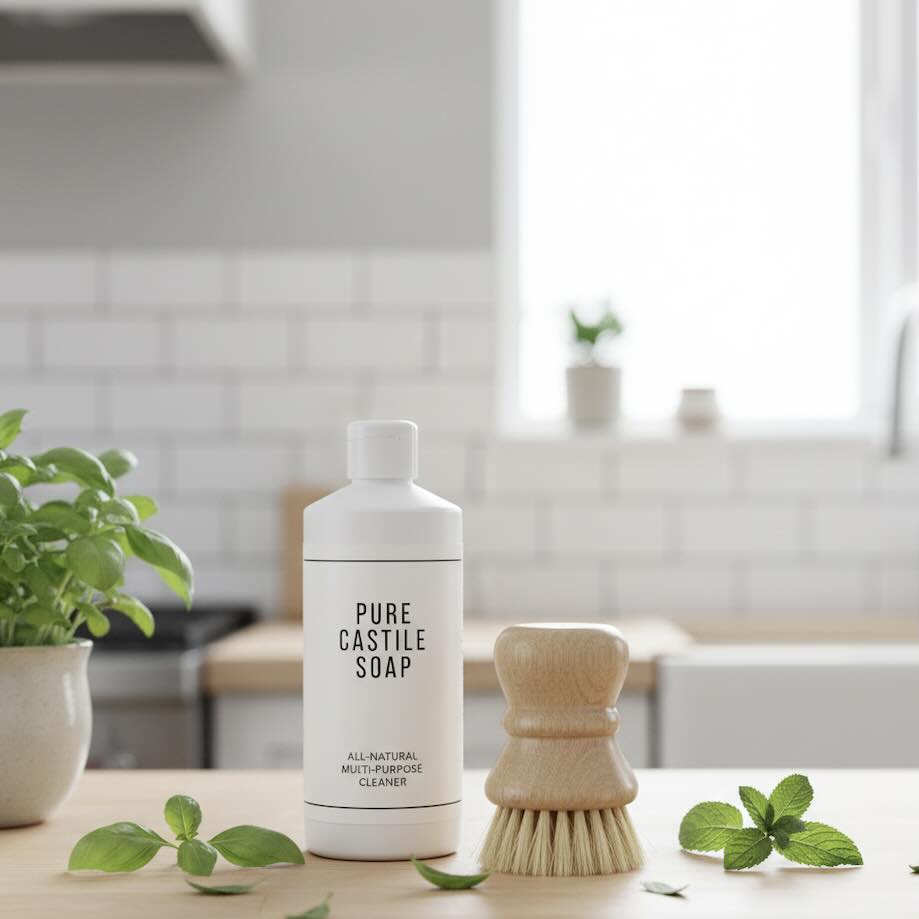
Have you been searching for a way to clean your family's clothes without exposing them to harsh chemicals and mysterious ingredients? Making castile soap laundry detergent at home is the perfect solution for anyone who wants to take control of their household cleaning products. This gentle, plant-based approach to laundry care has been trusted for centuries, and now you can harness its power in your own home.
Unlike commercial detergents packed with synthetic fragrances, artificial dyes, and questionable additives, homemade castile soap detergent offers complete transparency and peace of mind.
The process of creating castile soap laundry detergent at home is wonderfully straightforward and requires just a few basic ingredients. You don't need special equipment or advanced skills—just a willingness to spend a few minutes mixing up batches that will last your household for months. This homemade detergent approach saves you money, reduces plastic waste, and eliminates unnecessary toxins from your daily life. Whether you're dealing with sensitive skin issues, want to support your family's health journey, or simply appreciate knowing exactly what touches your clothes, making your own castile-based laundry solution is an empowering step toward cleaner, healthier living.
The science of making castile soap laundry detergent at home centers on understanding how this traditional soap actually works. Castile soap is made through saponification—a chemical process where plant oils (typically olive, coconut, or hemp oil) react with an alkali solution to create soap molecules. These molecules have a unique structure: one end attracts water while the other end attracts oil and dirt. This dual nature allows the soap to surround dirt particles and lift them away from fabric fibers.
When you create homemade castile soap detergent, you're leveraging centuries-old chemistry that remains remarkably effective. The mechanism is simple yet powerful: as water mixes with the castile soap solution, the soap molecules disperse throughout the wash water. They attach to soil, oils, and stains on your clothes, breaking them down into smaller particles. During the rinse cycle, these particles wash away cleanly, leaving your fabrics fresh without chemical residues.
Understanding the components of making castile soap laundry detergent at home helps you appreciate why this formula delivers such excellent results. Pure castile soap forms the foundation—look for varieties made from olive oil or coconut oil without added fragrances or synthetic ingredients. Dr. Bronner's is the most recognized brand, though several companies now produce quality castile soap options. The soap provides the actual cleaning power through its natural surfactant properties.
Washing soda (sodium carbonate) is typically added to boost the cleaning effectiveness of homemade castile soap detergent. This naturally occurring mineral softens hard water, cuts through grease, and enhances the soap's ability to remove tough stains. It's significantly more alkaline than regular baking soda, making it ideal for laundry applications. Some recipes also include borax, another natural mineral that fights stains and deodorizes fabrics.
Essential oils are optional but popular additions when making castile soap laundry detergent at home. While the castile soap itself often has a subtle, clean scent, adding therapeutic-grade essential oils like lavender, tea tree, or lemon provides customized aromatherapy benefits. Tea tree oil adds natural antibacterial properties, lavender brings calming qualities, and citrus oils offer fresh scents plus natural degreasing abilities. These plant-based additions enhance your homemade detergent without introducing synthetic fragrances.
The promise behind making castile soap laundry detergent at home lies in what this approach eliminates from your life. Commercial detergents contain optical brighteners that make clothes appear cleaner through chemical tricks rather than actual cleaning. They include synthetic fragrances composed of dozens of undisclosed chemicals that can trigger allergies and headaches. Many contain phosphates that harm aquatic ecosystems and harsh surfactants that irritate sensitive skin.
Your homemade castile soap detergent contains none of these problematic ingredients. The plant-based formula works with your body's natural chemistry instead of fighting against it. Castile soap has been used safely for hundreds of years, proving its effectiveness through generations of use. When you make this detergent yourself, you're choosing transparent, time-tested ingredients over modern chemical experiments. This return to simple, effective cleaning represents a powerful way to reduce your family's toxin exposure.

When you first start making castile soap laundry detergent at home and using it, you'll notice some distinct differences from conventional products. The texture is thinner and less viscous than commercial detergents—this is completely normal and doesn't indicate reduced effectiveness. The scent is remarkably gentle and natural, especially if you've chosen an unscented castile soap base. Don't expect overpowering artificial fragrance, which is actually a positive indicator of the formula's purity.
Your clothes emerge from the wash genuinely clean with a fresh, subtle scent rather than chemical perfume. The feel of fabrics washed in homemade castile soap detergent is noticeably different—softer and more natural without the waxy coating that synthetic detergents often leave behind. Towels become increasingly absorbent over time as residues from previous detergents wash away. This improved absorbency is particularly noticeable with kitchen towels and bath linens.
Testing the cleaning power of making castile soap laundry detergent at home reveals impressive results for everyday laundry needs. Regular dirt, food stains, and general soil wash out effectively when you use the recommended amount (typically 1/4 to 1/3 cup per load for liquid versions, or 1-2 tablespoons for powder versions). The homemade detergent handles routine family laundry—from kids' play clothes to work attire—with reliable consistency and excellent results.
User reviews across various platforms consistently praise homemade castile soap detergent for its gentleness combined with solid cleaning ability. Parents report that their children's clothes come out fresh and clean without harsh chemical smells. People with active lifestyles note that workout clothes and athletic wear wash clean without retaining odors. The consensus is that this plant-based solution delivers dependable performance for standard household laundry needs without compromising health.
Honesty about limitations helps set realistic expectations when making castile soap laundry detergent at home. Heavily soiled work clothes or items with set-in stains may require pre-treating with a paste made from the detergent ingredients or a natural stain remover. Cold water washing works, but warm or hot water significantly improves cleaning performance, especially for greasy stains. This is true for most natural cleaners, not just castile-based formulas.
Hard water presents the biggest challenge for homemade castile soap detergent because minerals in the water can react with the soap to form residue. If you live in a hard water area, adding extra washing soda helps tremendously. You can also use white vinegar (1/2 cup) in the rinse cycle to prevent buildup and soften fabrics naturally. Some people making castile soap laundry detergent at home find that installing a water softener or using distilled water for mixing yields better results.
The beauty of making castile soap laundry detergent at home is the flexibility to adjust based on your specific needs and water conditions. If you need more stain-fighting power, increase the washing soda ratio slightly or add a tablespoon of oxygen bleach (sodium percarbonate) for white loads. For extra-soft clothes, reduce the washing soda amount. Essential oils can be adjusted to create your perfect scent profile—start with 10-15 drops per batch and increase gradually.
Different castile soap bases create varying results in your homemade detergent. Olive oil-based castile soap is extremely gentle and perfect for sensitive skin but produces less sudsing action. Coconut oil-based versions create more bubbles and have stronger cleaning power for heavily soiled items. Many people making castile soap laundry detergent at home find that a blend of both provides ideal balance. Experimenting with ratios helps you discover your optimal formula for your household's unique laundry needs.

The safety advantages of making castile soap laundry detergent at home start with the soap itself. True castile soap is made entirely from plant oils—traditionally olive oil, though modern versions often include coconut, hemp, or jojoba oils. These oils are saponified (converted to soap) using potassium hydroxide or sodium hydroxide, which completely transforms during the soap-making process. The finished product contains no residual lye and is exceptionally gentle and non-toxic.
When you're making castile soap laundry detergent at home, you're using a cleaning agent that's been safely employed for hundreds of years. The mechanism of how it works doesn't require harsh chemicals, synthetic additives, or toxic ingredients. Pure castile soap is biodegradable, breaks down naturally in the environment, and doesn't introduce harmful compounds into waterways. This homemade detergent approach represents one of the safest cleaning options available for health-conscious households.
The supplementary ingredients in homemade castile soap detergent also have excellent safety profiles when used correctly. Washing soda (sodium carbonate) is a naturally occurring mineral that's been used in cleaning for over a century. While it's caustic in concentrated powder form and requires careful handling during mixing, it rinses completely from fabrics and poses no health risks in the diluted amounts remaining after washing. Always keep the powder away from children and pets during storage.
Borax (sodium borate), if you choose to include it when making castile soap laundry detergent at home, has been the subject of safety debates. Current research indicates it's safe for laundry use when used as directed and properly rinsed. However, if you prefer to avoid it entirely, you can create effective formulas using just castile soap and washing soda. This flexibility allows you to customize your homemade detergent based on your personal comfort level and safety preferences.
The "non-toxic" promise of making castile soap laundry detergent at home means freedom from the problematic ingredients that plague commercial products. Conventional detergents often contain:
Your homemade castile soap detergent contains absolutely none of these concerning ingredients. Every component is transparent, simple, and genuinely safe. This plant-based formula represents true clean—not marketing spin, but actual ingredient purity.
Understanding relative toxicity helps you make informed decisions when making castile soap laundry detergent at home versus buying commercial products. On a toxicity scale, conventional detergents with synthetic fragrances and harsh surfactants rank quite high for potential health impacts. They release volatile organic compounds (VOCs) into your indoor air and leave chemical residues on fabrics that touch your skin for hours daily. Even "fragrance-free" commercial options typically contain synthetic surfactants and preservatives.
Plant-based commercial detergents like Seventh Generation or Method are improvements but still contain processed ingredients and preservatives to maintain shelf stability. Homemade castile soap detergent ranks among the absolute lowest toxicity options available because you control every ingredient. The simple, pure components—plant-based soap, natural minerals, and optional essential oils—present minimal health risks when used properly. Making this detergent yourself ensures you're choosing the safest possible option for your family's laundry needs.
Parents prioritizing their children's health find that making castile soap laundry detergent at home offers exceptional safety benefits. The gentle, plant-based formula is ideal for washing baby clothes, children's sleepwear, and everything that touches young skin. Castile soap is naturally hypoallergenic and far less likely to trigger eczema, rashes, or allergic reactions compared to commercial detergents loaded with synthetic ingredients and artificial fragrances.
Many families report dramatic improvements in their children's skin conditions after switching to homemade castile soap detergent. Kids with eczema often see reduced flare-ups and irritation. Babies with sensitive skin have fewer diaper rashes when cloth diapers are washed in this gentle formula. The absence of harsh chemicals and synthetic fragrances means you're not exposing your children to unnecessary toxins through their clothing, which spends hours against their delicate skin daily.
Expectant and nursing mothers often seek ways to reduce toxin exposure, making castile soap laundry detergent at home an excellent choice during this critical time. The simple, plant-based ingredients don't off-gas harmful chemicals into your home environment or leave residues that absorb through skin contact. When you're making this detergent yourself, you know exactly what's touching the clothes that touch your body and your baby's body.
The homemade castile soap detergent approach gives pregnant women control and peace of mind during a time when reducing chemical exposure matters most. If you're concerned about essential oils during pregnancy, you can easily make an unscented version or use only pregnancy-safe oils like lavender. This customization isn't possible with commercial products, which contain fixed formulas often including ingredients you'd prefer to avoid during pregnancy and nursing.
While making castile soap laundry detergent at home is generally very safe, proper handling practices matter, especially in households with curious children. Store washing soda and borax (if using) in clearly labeled, child-proof containers away from food items. These concentrated powders are caustic and should be kept out of children's reach. Mix your detergent in a well-ventilated area, and consider wearing gloves if you have very sensitive skin.
The finished homemade castile soap detergent should be stored in sealed containers to maintain consistency and prevent spills. Liquid versions are best kept in repurposed detergent bottles or glass containers with tight lids. Powder versions need moisture-free storage to prevent clumping. Essential oil bottles should also be stored safely, as these concentrated plant extracts require careful handling. Proper storage ensures your family can safely benefit from making this detergent at home.
One tremendous advantage of making castile soap laundry detergent at home is the complete control over potential allergens. If someone in your family reacts to certain essential oils, simply omit them or substitute alternatives. If you prefer to avoid borax despite its general safety, create versions using only castile soap and washing soda. This level of customization is impossible with commercial detergents, which come in fixed formulations.
When you're making this homemade detergent, you can even choose specific types of castile soap based on oil sensitivities. While coconut-based versions are most common, olive oil-based castile soap works beautifully for anyone with coconut sensitivities. Hemp oil castile soap offers another alternative. Testing your formula on a few non-essential items first helps ensure everyone in your household tolerates the ingredients well. This personalized approach means everyone benefits from cleaner, safer laundry without unexpected reactions.

Starting your journey of making castile soap laundry detergent at home requires purchasing a few basic ingredients, but the initial investment is quite reasonable. A 32-ounce bottle of Dr. Bronner's castile soap costs approximately $15-20 and makes multiple batches of liquid detergent or numerous batches of powder. Washing soda runs about $5-7 for a box that lasts through many batches. Borax (if you choose to include it) costs similarly.
Your total startup cost for making homemade castile soap detergent typically ranges from $25-35, depending on whether you already have some ingredients and which brand of castile soap you select. This might seem comparable to buying a couple bottles of commercial detergent, but here's where the value becomes clear: these ingredients create enough detergent to last an average household 4-8 months. The cost per load drops to approximately 8-12 cents, compared to 20-35 cents for commercial natural detergents.
Breaking down the actual cost per load reveals the tremendous value of making castile soap laundry detergent at home. A typical liquid recipe using 1/3 cup castile soap, 1/2 cup washing soda, and water creates enough detergent for approximately 30-40 loads. Adding essential oils (optional) increases the cost by mere pennies per batch. Your final cost per load is roughly 60-70% less than store-bought natural detergent brands.
The savings from homemade castile soap detergent multiply significantly over time. A family doing 6-8 loads weekly saves approximately $120-180 annually compared to buying commercial natural brands, and $180-250 compared to conventional detergents. Over five years, that's $600-1,250 in savings—enough for meaningful contributions to savings goals or family experiences. Beyond money, you're also reducing plastic packaging waste and eliminating shopping trips for bulky detergent bottles.
Finding ingredients for making castile soap laundry detergent at home is convenient and straightforward. Dr. Bronner's castile soap is available at most natural food stores, many grocery stores, and readily online through Amazon, Thrive Market, and the company's website. Other quality brands include Kirk's, Cove, and Alaffia. Look for organic, fair-trade certified options when possible to support ethical sourcing and production practices.
Washing soda is carried in most grocery store laundry aisles—look for Arm & Hammer Super Washing Soda. Borax (20 Mule Team is the common brand) is similarly available in conventional stores. For essential oils to enhance your homemade castile soap detergent, choose reputable suppliers like Plant Therapy, Rocky Mountain Oils, or Mountain Rose Herbs. These companies provide testing documentation ensuring the purity necessary for safe household use. While quality oils cost $12-20 per bottle, each bottle lasts many months.
The true value of making castile soap laundry detergent at home extends beyond simple ingredient costs. Your clothes actually last longer when washed with gentle, plant-based ingredients rather than harsh chemicals that break down fabric fibers over time. Colors stay vibrant, and fabrics maintain their texture and integrity through more wash cycles. This extends the life of your clothing investment significantly.
Your homemade castile soap detergent also eliminates the need for separate products like fabric softeners, dryer sheets, and specialty stain treatments. White vinegar (approximately $3 per gallon) works wonderfully as a natural fabric softener in the rinse cycle when needed. Pre-treating stains with undiluted castile soap or a paste of washing soda costs essentially nothing. These hidden savings make making this detergent at home even more economical than basic ingredient costs suggest.
Popular commercial natural brands like Seventh Generation, Mrs. Meyer's, and Ecos have made "green" cleaning more mainstream. However, comparing these to making castile soap laundry detergent at home reveals important differences. Commercial natural detergents still contain processed surfactants (like sodium lauryl sulfoacetate), synthetic preservatives to extend shelf life, and "natural fragrances" that may still include undisclosed synthetic components. They're improvements over conventional detergents but don't match the purity of homemade formulas.
Cost comparison strongly favors homemade castile soap detergent. Seventh Generation costs approximately 25-30 cents per load. Mrs. Meyer's runs about 30-35 cents per load. Your DIY version costs 8-12 cents per load—a 60-70% savings. While commercial natural brands offer convenience, they can't compete on ingredient transparency, cost-effectiveness, or customization. Making this detergent yourself means you control every ingredient and can adjust formulas based on your specific needs and preferences.
Comparing homemade castile soap detergent to mainstream brands like Tide, Gain, or Persil shows stark philosophical differences. Conventional detergents maximize cleaning power through synthetic enzymes, harsh surfactants, and powerful optical brighteners. They do clean effectively, but at significant cost to your health and environment. The synthetic fragrances alone contain dozens of undisclosed chemicals that can trigger allergies, headaches, and respiratory issues.
Making castile soap laundry detergent at home takes a fundamentally different approach, prioritizing safety and sustainability while maintaining solid cleaning performance. You won't get the artificial brightness or overpowering scent of conventional detergents, but your clothes will be genuinely clean without chemical residues. For families with sensitive skin, allergies, or concerns about chemical exposure, the homemade option wins decisively. The dramatic cost savings and environmental benefits make the choice even clearer.
Other homemade detergent recipes exist, including those using Fels-Naptha bar soap, soap flakes, or soap nuts. Comparing these to making castile soap laundry detergent at home helps clarify which approach works best. Fels-Naptha-based detergents clean powerfully but contain tallow (animal fat) and synthetic fragrance, making them less ideal for those seeking completely plant-based, fragrance-free options. They're effective but compromise on ingredient purity.
Soap nuts represent an ultra-minimal natural option but offer significantly weaker cleaning power than homemade castile soap detergent. They work well for lightly soiled items but struggle with tough stains or heavily soiled clothing. Castile soap formulas provide the best balance—they're genuinely natural and plant-based while delivering reliable cleaning performance. Making this type of detergent gives you the confidence that your clothes are actually clean, not just lightly freshened.
When evaluating all factors—ingredient purity, cost, environmental impact, effectiveness, and customization—making castile soap laundry detergent at home emerges as an outstanding choice for health-conscious households. No commercial product, regardless of price or marketing claims, offers the same level of transparency and control. Your homemade detergent adapts perfectly to your specific needs, whether that's extra cleaning power, specific scent preferences, or completely fragrance-free formulas.
The only area where commercial products have an advantage is immediate convenience—they require zero preparation. However, making castile soap laundry detergent at home takes just 10-15 minutes every few months, a minimal time investment for the tremendous benefits gained. For anyone serious about reducing toxin exposure, saving money, and supporting environmental health, making your own detergent is unquestionably the superior choice.

Making castile soap laundry detergent at home delivers impressive benefits that transform your laundry routine into a healthier practice. The advantages include:
The act of making this homemade detergent empowers you to take control of your family's health in a tangible, meaningful way. This isn't just about following a trend—it's about making a deliberate choice that reduces chemical exposure through one of your most frequent household tasks.
No product is perfect, and making castile soap laundry detergent at home has some limitations worth acknowledging honestly. The preparation process, while straightforward, requires 10-15 minutes every few months. If you're someone who highly values convenience above all other considerations, this might initially feel burdensome. However, most people find the process becomes quick and easy with practice, and many even enjoy the satisfaction.
Cleaning power on extremely soiled work clothes or set-in stains may not match enzyme-loaded commercial detergents. Pre-treating helps significantly, but if you regularly deal with seriously dirty clothing (mechanics, farmers, etc.), you might need supplemental stain treatments occasionally. Hard water also reduces effectiveness, though adding extra washing soda or using vinegar rinses solves this issue for most households making this detergent.
The scent profile is much more subtle than commercial detergents. If you're accustomed to overpowering artificial fragrance, homemade castile soap detergent might initially seem "not scented enough." This actually reflects the absence of synthetic fragrances, which is healthier. Over time, most people come to prefer the gentle, clean scent and find commercial fragrances overwhelming.
Making castile soap laundry detergent at home is ideal for specific groups who'll benefit most from this approach. Families with young children, especially those dealing with eczema, allergies, or sensitive skin, often see dramatic improvements within weeks of switching. Pregnant women seeking to reduce toxin exposure find the control and ingredient transparency invaluable. Anyone with chemical sensitivities or fragrance allergies benefits tremendously from the ability to customize or completely eliminate scents.
Budget-conscious households appreciate the substantial cost savings that accumulate to significant amounts over time. Environmentally minded individuals love reducing plastic waste and chemical pollution from their household practices. People who enjoy DIY projects and creating useful household products find satisfaction in making effective, safe detergent. Health-conscious individuals committed to reducing overall toxin exposure recognize that laundry products represent a major source of daily chemical contact.
After weighing all factors, making castile soap laundry detergent at home receives a strong recommendation for most health-conscious households. The combination of cost savings, ingredient purity, and environmental advantages far outweighs the minor inconveniences of periodic preparation time. This homemade solution delivers on its promises—genuinely clean ingredients, effective cleaning performance, and meaningful reduction in household toxin exposure.
Start with a small test batch to evaluate the formula with your specific water conditions and washing machine. Adjust essential oils to find scents you love, or skip them entirely for fragrance-free cleaning. Pre-treat tough stains when necessary. Within a few weeks, making this detergent will feel completely natural and routine. Your clothes will be clean, your family will be safer, and your budget will benefit substantially. For anyone serious about reducing toxins and embracing healthier living, making castile soap laundry detergent at home is an essential, empowering step forward that you'll be glad you took.
* AI Disclosure: This article was developed with the assistance of AI language models, which aided in research, drafting, and/or editing. We strive for accuracy, but AI-generated content can occasionally contain errors. We recommend you double-check and verify information before making decisions based on this content.