Learn how eco-friendly cleaning products protect your family's health while delivering spotless results without harsh chemicals.
Tchiki Davis, M.A., Ph.D.
*This post may contain affiliate links. If you click and make a purchase, we may earn a small commission at no extra cost to you.
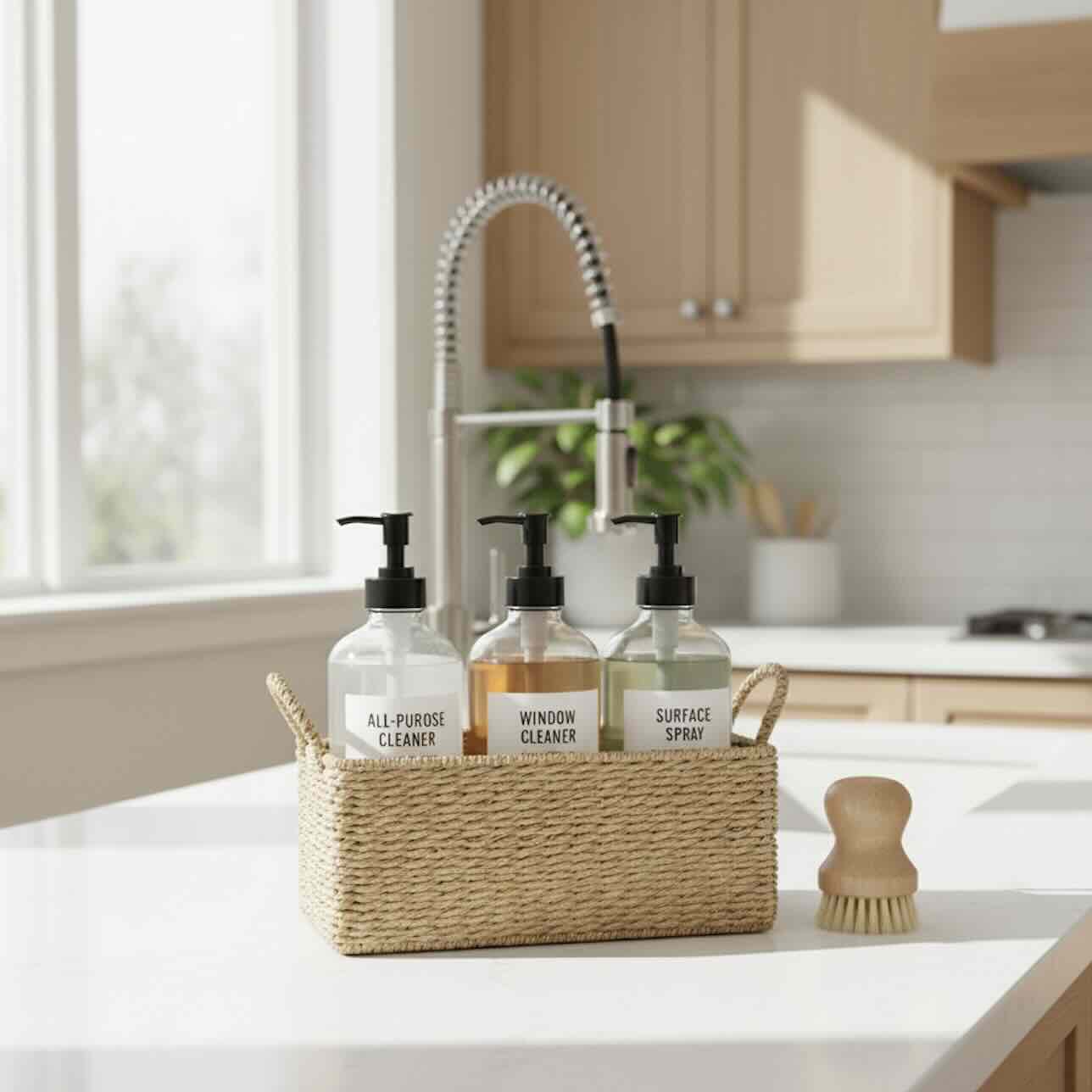
Your home should be a sanctuary, but conventional cleaning products might be working against that goal. Every time you spray chemical-laden cleaners, you're releasing volatile organic compounds (VOCs) into the air your family breathes. These synthetic chemicals linger on surfaces your children touch, your pets walk across, and where you prepare food.
The irony is striking: while trying to create a clean, healthy home, traditional products introduce dozens of potentially harmful substances into your living space.
Eco-friendly cleaning products offer a better path forward. These sustainable solutions use plant-based ingredients and natural compounds that clean effectively without compromising indoor air quality or your family's wellbeing. Whether you're concerned about asthma triggers, hormone disruptors, or simply want to reduce your environmental footprint, green cleaning alternatives deliver results you can feel good about. This guide reveals the simple secrets to maintaining a spotless home using products that align with your health values and protect the planet for future generations.
Eco-friendly cleaning products harness the power of naturally occurring compounds that have been cleaning effectively for centuries. Vinegar contains acetic acid, which breaks down mineral deposits, cuts through grease, and kills certain bacteria and viruses. Baking soda provides gentle abrasive action while neutralizing odors at the molecular level rather than masking them with synthetic fragrances.
Plant-derived surfactants from coconuts and corn work exactly like their petroleum-based counterparts—they reduce water's surface tension, allowing it to penetrate and lift away dirt. The key difference lies in biodegradability and production methods. Natural surfactants break down completely in the environment within days, while synthetic versions can persist for weeks or months, accumulating in waterways.
Castile soap, made from vegetable oils like olive or coconut, demonstrates how simple ingredients create powerful results. Its high pH effectively breaks down oils and dirt without requiring harsh chemicals. When you understand this mechanism, you realize that sustainable cleaning products aren't compromising on effectiveness—they're using smarter chemistry.
Essential oils in eco-friendly cleaning products serve multiple functions beyond pleasant scent. Tea tree oil possesses antimicrobial properties, while lemon oil cuts through grease naturally. These botanical extracts have been studied extensively, with research confirming their cleaning and disinfecting capabilities. The science supports what traditional cultures have known intuitively for generations.

When you browse Amazon reviews for eco-friendly cleaning products, brands like Blueland, Branch Basics, and Seventh Generation consistently earn thousands of five-star ratings. Users report that these green alternatives handle everyday messes admirably—kitchen counters, bathroom sinks, and floors all come clean without chemical residues. One verified purchaser shared that switching to sustainable cleaners eliminated her family's recurring headaches that appeared every weekend during deep cleaning.
Another reviewer noted that their all-purpose cleaner worked beautifully on stainless steel, leaving streak-free shine without the harsh ammonia smell they'd tolerated for years. The consensus shows these products excel at daily maintenance and light to moderate soil. However, some users mention needing extra elbow grease or longer dwell time for stubborn, baked-on messes compared to conventional cleaners.
The zero-waste and green living communities on Reddit provide unfiltered feedback about eco-friendly cleaning products. Users frequently recommend making your own solutions using simple ingredients: equal parts water and vinegar for glass, baking soda paste for scrubbing, and castile soap dilutions for general cleaning. One Redditor detailed testing seven commercial green cleaners against homemade versions, finding minimal performance difference.
Feel is important when evaluating sustainable cleaning products. Users consistently mention that surfaces feel truly clean rather than coated with waxy residues that conventional products leave behind. The immediate results include sparkling clean surfaces, improved indoor air quality, and elimination of chemical odors. Your home smells fresh from cleanliness itself, not artificial fragrances.

Eco-friendly cleaning products genuinely deliver on safety promises when you choose reputable brands with transparent ingredient lists. Unlike conventional cleaners that can contain carcinogens, endocrine disruptors, and respiratory irritants, green alternatives use ingredients recognized as safe by environmental health organizations. The Environmental Working Group (EWG) rates thousands of cleaning products, with top eco-friendly options scoring A grades for minimal health concerns.
Chemical-free is somewhat misleading terminology since everything is technically made of chemicals, including water and vinegar. What these sustainable cleaning products truly offer is freedom from synthetic, potentially harmful chemicals. They exclude ingredients like 2-butoxyethanol (linked to liver and kidney damage), phthalates (hormone disruptors), and triclosan (antibacterial agent that contributes to antibiotic resistance).
The best eco-friendly cleaning products list every ingredient on their labels—a practice called full disclosure. This transparency lets you make informed choices and avoid specific allergens or sensitivities. Compare this to conventional cleaners, where "fragrance" can hide dozens of undisclosed chemicals protected as trade secrets. That single word might represent substances you'd never knowingly bring into your home.
Clean ingredients in natural cleaners include recognizable substances like citric acid (from citrus fruits), which chelates minerals and boosts cleaning power. Washing soda (sodium carbonate) softens water naturally. These compounds work synergistically, creating effective formulas without requiring synthetic boosters. The safety profile allows you to clean without wearing gloves or ensuring ventilation—though fresh air always helps.
Children spend significant time on floors where conventional cleaning residues concentrate. Their developing bodies are more vulnerable to toxins, and their smaller size means any chemical exposure has proportionally greater impact. Eco-friendly cleaning products become essential when you consider that toddlers touch everything and frequently put hands in mouths. Natural cleaners eliminate the risk of toxic exposures during these normal childhood behaviors.
Pediatricians increasingly recommend sustainable cleaning products for families with young children, especially those with asthma or allergies. Traditional cleaners can trigger respiratory symptoms and skin reactions in sensitive kids. Parents report fewer sick days and improved breathing after switching to green alternatives. Your children's health benefits immediately when you eliminate unnecessary chemical exposures from their daily environment.
Dogs and cats experience even greater vulnerability to toxic cleaning products than humans do. They walk directly on cleaned floors, then lick their paws during grooming. Their lower body weight and different metabolism make certain chemicals particularly dangerous. Eco-friendly cleaning products formulated without phenols, chlorine bleach, or ammonia protect your pets from accidental poisoning and chronic exposure effects.
Sustainable cleaners let you maintain hygiene without worrying when your pet immediately walks across freshly cleaned floors. Many pet owners notice their animals no longer avoid certain rooms after cleaning—a behavioral sign that harsh chemical odors previously bothered them. The non-toxic nature of these products means accidents (like a dog drinking from a bucket) cause far less concern than with conventional cleaners.

Eco-friendly cleaning products often appear more expensive initially, but concentrates and multi-use formulas shift the economics favorably. Branch Basics Concentrate costs about $75 but makes 10 bottles of cleaner, working out to $7.50 per bottle—competitive with premium conventional cleaners. Blueland starter sets run $39 for three cleaners plus reusable bottles, with refill tablets costing just $2 each thereafter.
DIY sustainable cleaning solutions offer the most economical option. A gallon of white vinegar costs $3-4 and cleans your entire home for months. Baking soda runs about $1 per pound and serves multiple cleaning purposes. When you calculate cost-per-use for homemade eco-friendly cleaners, you're spending pennies per application. The savings accumulate significantly over time while also reducing plastic waste from packaging.
Amazon offers competitive pricing on eco-friendly cleaning products with Subscribe & Save discounts of 15% on recurring orders. Target and Whole Foods carry premium green brands like Seventh Generation, Mrs. Meyer's, and Method at reasonable prices with frequent sales. For maximum savings on sustainable cleaners, buying directly from brand websites often provides bundle deals and loyalty programs.
The long-term cost calculation should include health benefits. When you eliminate exposure to harsh chemicals, you potentially reduce medical expenses related to respiratory issues, skin problems, and chemical sensitivities. Many families report decreased spending on allergy medications and fewer doctor visits after switching to eco-friendly cleaning products. These indirect savings make green cleaning surprisingly economical over time.
When comparing eco-friendly cleaning products, Branch Basics, Blueland, and Seventh Generation represent different approaches to sustainable home care. Branch Basics offers the ultimate minimalist system—one concentrate creates all your household cleaners. Users love the simplicity and clean ingredient list (just four components), though the upfront cost and dilution process requires adjustment. The formula works effectively across all surfaces when mixed appropriately for each task.
Blueland revolutionizes eco-friendly cleaning products by eliminating single-use plastic entirely. Their tablet refills dissolve in reusable bottles you keep forever. The convenience matches conventional cleaners while drastically reducing environmental impact. Customers appreciate the space-saving tablets and effective cleaning power, though some note the tablets take time to dissolve completely. The model represents the future of sustainable consumer products.
Seventh Generation bridges mainstream availability with genuine eco-consciousness. Their ready-to-use sustainable cleaning products appear in virtually every grocery store, making green cleaning accessible to everyone. The formulas achieve EPA Safer Choice certification and perform admirably on everyday messes. While not as pure as Branch Basics, they're vastly superior to conventional options and priced competitively.
Method brings design aesthetic to eco-friendly cleaning products, proving sustainability doesn't require sacrifice. Their attractive bottles and effective formulas convert many people to green cleaning who otherwise wouldn't consider it. The products contain plant-based ingredients and biodegradable formulas, though some include synthetic fragrances. They represent an excellent entry point for families beginning their non-toxic journey.

Eco-friendly cleaning products deliver on their promise of effective cleaning without compromising health or environmental values. Whether you choose premium concentrates, convenient tablets, or simple DIY solutions, you'll achieve a genuinely clean home while protecting your family from unnecessary chemical exposures. The performance equals or exceeds conventional cleaners for everyday maintenance, with the added benefit of improved indoor air quality and reduced toxic burden.
The transition to sustainable cleaning products might require adjusting expectations for certain tasks. Extremely stubborn stains or heavy-duty degreasing sometimes demands more physical effort or longer dwell times than harsh chemical cleaners. However, most families find this minor trade-off completely worthwhile given the health and environmental benefits. Your home becomes a safer space the moment you eliminate toxic conventional products.
Start your eco-friendly cleaning journey by replacing products you use most frequently. An all-purpose cleaner and glass cleaner handle 80% of household cleaning needs. Choose based on your priorities: Branch Basics for ingredient purity, Blueland for sustainability and convenience, or Seventh Generation for accessibility and value. You can also begin with simple vinegar and baking soda solutions while researching commercial options.
The secret to a clean home using eco-friendly cleaning products lies in consistency and proper technique rather than harsh chemicals. Regular light cleaning prevents buildup that requires aggressive products. When you maintain surfaces consistently with gentle, natural cleaners, your home stays spotless while supporting your family's health. This simple shift transforms your living environment into the true sanctuary it should be—clean, safe, and toxin-free.
* AI Disclosure: This article was developed with the assistance of AI language models, which aided in research, drafting, and/or editing. We strive for accuracy, but AI-generated content can occasionally contain errors. We recommend you double-check and verify information before making decisions based on this content.