Find out why thousands are switching to this simple solution for eczema-prone skin. Get instant relief with a new gentle formula.
Tchiki Davis, M.A., Ph.D.
*This post may contain affiliate links. If you click and make a purchase, we may earn a small commission at no extra cost to you.
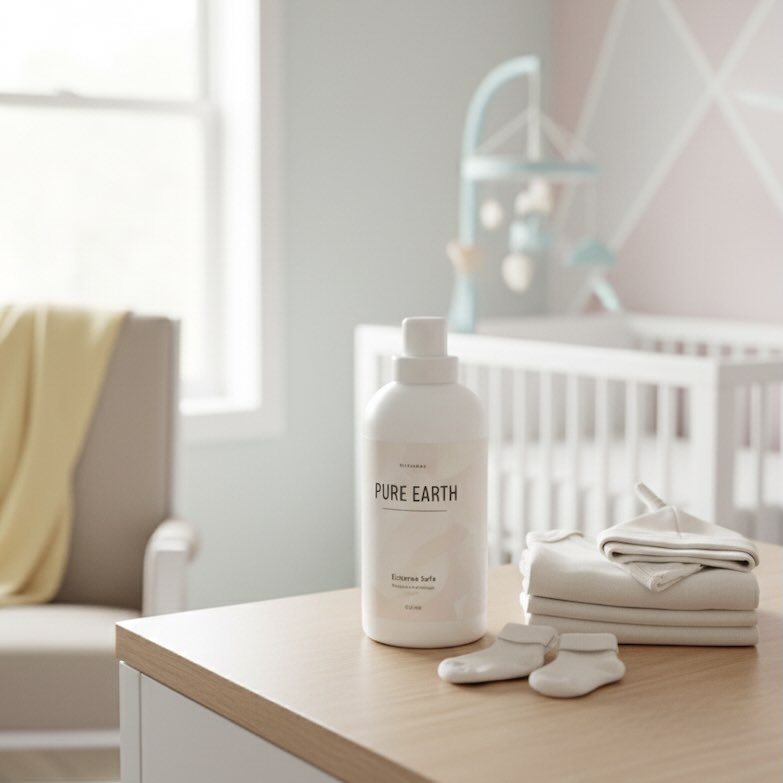
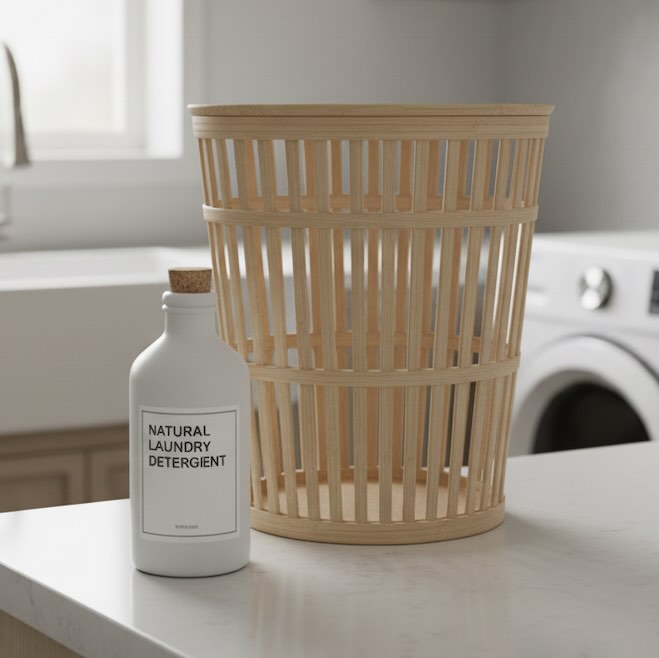
You know the frustration of eczema flare-ups that seem to appear without warning—the itching, redness, and discomfort that disrupts daily life. What you might not realize is that your laundry detergent could be silently triggering these symptoms every single day. Your clothing, bedding, and towels retain detergent residue that contacts your skin for hours, potentially irritating sensitive eczema-prone areas. Finding the right laundry detergent for eczema skin can transform your comfort level and reduce flare-ups dramatically.
Gentle wash formulations specifically designed for sensitive skin eliminate the harsh chemicals, fragrances, and irritants that conventional detergents leave behind on fabrics.
The best laundry detergent for eczema skin goes beyond just being "mild"—it's carefully formulated to avoid known irritants while still delivering the cleaning power you need for fresh, hygienic clothing. From eliminating synthetic fragrances and dyes to avoiding harsh surfactants and preservatives, these specialized detergents protect your skin barrier while removing dirt and bacteria effectively. If you're tired of the constant itch-scratch cycle and wondering whether your laundry routine might be contributing to your eczema symptoms, this guide will help you understand how gentle wash products work, what to look for in eczema-safe formulations, and which brands deliver real relief for sensitive skin sufferers.
The science behind laundry detergent for eczema skin starts with understanding what causes reactions in the first place. Eczema, or atopic dermatitis, involves a compromised skin barrier that allows irritants to penetrate more easily. Conventional detergents contain synthetic fragrances, harsh surfactants, optical brighteners, and preservatives that remain on fabric fibers even after rinsing.
When you wear clothing washed in regular detergent, these chemical residues contact your skin continuously. Your body heat and perspiration can activate these chemicals, increasing their penetration into compromised skin. For people with eczema, this constant low-level irritation prevents healing and triggers inflammatory responses that cause itching, redness, and lesions.
Studies show that synthetic fragrances alone contain dozens or even hundreds of undisclosed chemicals, many of which are known skin sensitizers. Optical brighteners—chemicals that coat fabrics to create illusion of whiteness—are particularly problematic because they're designed to remain on clothing rather than rinse away completely.
The best laundry detergent for eczema skin works by eliminating irritating ingredients while using gentler alternatives that rinse completely from fabrics. These specialized cleaners typically use plant-derived surfactants like coco-glucoside or decyl glucoside rather than harsh sodium lauryl sulfate (SLS) or sodium laureth sulfate (SLES) common in conventional products.
Plant-based surfactants clean effectively while being significantly less irritating to skin. They also rinse more completely, leaving minimal residue on fabrics. This thorough rinsing is crucial for eczema sufferers—even "hypoallergenic" ingredients can irritate if they remain on clothing in high concentrations.
Gentle wash products for eczema avoid optical brighteners, artificial colors, and synthetic preservatives entirely. Instead, they rely on naturally antimicrobial ingredients and minimal processing to maintain product stability. This simplified approach reduces the chemical load on sensitive skin dramatically.
Quality laundry detergent for eczema skin maintains pH levels compatible with healthy skin function. Your skin's natural pH is slightly acidic (around 5.5), which supports the protective acid mantle that keeps irritants and bacteria at bay. Highly alkaline detergents disrupt this balance, weakening your skin's defenses.
Eczema-friendly detergents formulate to neutral or slightly acidic pH levels that don't challenge your skin's protective barrier. This pH consideration becomes particularly important for people with eczema, whose skin barrier is already compromised. Maintaining proper pH helps support skin healing rather than creating additional stress.
The gentle surfactants in eczema-safe wash products naturally have milder pH profiles than harsh synthetic alternatives. Combined with careful formulation, these detergents clean effectively while supporting rather than undermining your skin's natural protective mechanisms.
The promise of laundry detergent for eczema skin centers on significantly reducing irritant exposure through one of your most constant skin contacts—your clothing and bedding. By eliminating harsh chemicals and ensuring complete rinsing, these gentle formulations allow your skin to heal rather than facing continuous low-level irritation.
Dermatologists frequently recommend switching to fragrance-free, dye-free gentle wash products as a first-line intervention for eczema management. Many patients report noticeable improvement in symptoms within 1-2 weeks of making this simple change. The reduction in flare-up frequency and severity can be dramatic, especially for people who hadn't realized detergent was contributing to their condition.
This isn't about curing eczema—it's about removing unnecessary triggers that prevent your skin from healing and maintaining its best condition. Combined with proper skincare, moisturizing, and medical treatment when needed, using the right laundry detergent for eczema becomes an essential component of comprehensive eczema management.

When you first use laundry detergent for eczema skin, the most noticeable difference is the absence of strong fragrance. Quality eczema-safe detergents are completely fragrance-free or use minimal essential oils carefully selected for low allergenic potential. Your laundry smells clean but not "perfumed"—a subtle distinction that signals genuine purity rather than chemical masking of odors.
The texture of gentle wash products varies by format. Liquid eczema detergents often feel thinner and more watery than conventional products because they lack thickening agents and dyes. This simplicity is actually a positive indicator—you're seeing the product's essential cleaning components without cosmetic additives that serve no cleaning purpose.
During the first wash, you'll notice significantly reduced sudsing compared to conventional detergents. This low-foam characteristic reflects the gentler surfactants used in eczema-friendly formulations. Remember that suds don't indicate cleaning effectiveness—they're largely cosmetic and can actually interfere with proper rinsing.
The most important performance metric for laundry detergent for eczema skin isn't how white your whites look—it's how your skin feels. Within the first few days of switching to gentle wash products, many eczema sufferers notice reduced itching, particularly at night. Bedding washed in eczema-safe detergent no longer triggers the scratching that disrupts sleep.
Clothing feels softer and more comfortable against skin without the stiff, chemical-coated feeling that conventional detergent residue creates. This improved comfort isn't just psychological—you're actually experiencing fabric that's been truly cleaned and thoroughly rinsed rather than coated with residual chemicals.
Some people experience an adjustment period where their skin seems to "reset" after years of detergent irritation. Initial sensitivity may even increase slightly as your skin barrier begins repairing itself. This temporary response typically resolves within a week as your eczema-prone areas start healing without constant re-irritation.
The real test of laundry detergent for eczema skin comes over several weeks of consistent use. Users typically report:
Tracking your eczema symptoms during the transition to gentle wash products helps you recognize patterns. Many people don't realize how much their detergent was contributing until they see dramatic improvement after switching. Keeping a simple symptom journal for 2-3 weeks provides valuable insight into whether this change is helping.
Amazon reviews of top laundry detergent for eczema products like All Free Clear, Seventh Generation Free & Clear, and Molly's Suds consistently highlight life-changing relief for eczema sufferers. Parents of children with severe eczema frequently describe switching to gentle detergent as a turning point in managing their child's condition.
Reddit communities focused on eczema and sensitive skin overwhelmingly recommend fragrance-free, dye-free detergents as essential. Users share stories of trying countless medications and treatments before realizing their laundry soap was sabotaging their skin health. The relief and sometimes frustration expressed—"Why didn't my dermatologist tell me this years ago?"—reflects how significant this simple change can be.
Dermatologists in online reviews and forums consistently recommend specific eczema-friendly wash brands. The medical community's endorsement of these products as legitimate therapeutic interventions validates their importance. Many skin specialists consider switching to appropriate laundry detergent for eczema as important as moisturizing and avoiding hot water.
Common themes in positive reviews include surprise at how much the change helped, frustration about not knowing sooner, and commitment to never returning to conventional detergents. Users also appreciate that they don't have to sacrifice cleaning effectiveness to protect their sensitive skin.

The term "hypoallergenic" appears on many detergents, but for laundry detergent for eczema skin, this claim must be backed by careful formulation. Truly hypoallergenic products eliminate the most common allergens and irritants—synthetic fragrances, dyes, optical brighteners, parabens, and harsh preservatives. These are the ingredients most frequently associated with contact dermatitis and eczema flare-ups.
Quality eczema-safe detergents undergo dermatological testing to verify they don't cause irritation in sensitive populations. Some brands partner with eczema associations or earn certifications from organizations like the National Eczema Association (NEA). The NEA Seal of Acceptance specifically indicates products have been reviewed by scientific and medical experts for safety and efficacy for eczema-prone skin.
However, individual sensitivities vary enormously. Even "hypoallergenic" ingredients can trigger reactions in some people. The best laundry detergent for eczema skin for you might differ from what works for others. Starting with widely recommended fragrance-free options provides a good baseline, but monitoring your individual response remains essential.
Gentle wash formulations for eczema eliminate specific categories of problematic ingredients:
Instead, eczema-friendly detergents use plant-derived surfactants, natural preservatives like citric acid or rosemary extract, and minimal processing. These ingredients clean effectively while being significantly less likely to irritate compromised skin barriers.
The best laundry detergent for eczema skin should list every ingredient transparently rather than hiding components under vague terms like "fragrance" or "surfactants." Full disclosure allows you to research individual ingredients and avoid personal triggers. Many eczema-safe brands voluntarily provide complete ingredient lists even when not legally required.
Third-party certifications help verify clean formulations. Look for:
These certifications aren't just marketing—they represent third-party verification that products meet rigorous safety standards for sensitive skin.
Even the gentlest laundry detergent for eczema can cause problems if residue remains on fabrics. Adding an extra rinse cycle to your wash routine helps ensure complete removal of any cleaning agents. This simple step proves particularly important for eczema sufferers whose compromised skin barriers are more vulnerable to even mild irritants.
Some washing machines offer "extra rinse" or "sensitive skin" settings specifically designed for this purpose. Using these features with eczema-safe detergent provides double protection—gentle products plus thorough rinsing. For people with severe eczema, this combination can mean the difference between constant discomfort and manageable symptoms.
Hot water rinses more effectively than cold, so if possible, use warm or hot water for the rinse cycle even if you wash in cold water. This helps ensure thorough removal of any residual detergent from fabric fibers.
Pediatric eczema affects up to 20% of children, making gentle laundry detergent for eczema skin absolutely essential for many families. Babies' skin is more permeable and vulnerable to irritants than adult skin, making them particularly susceptible to detergent-related reactions. The American Academy of Pediatrics specifically recommends fragrance-free, dye-free detergents for babies with sensitive skin or eczema.
Infant eczema often appears first in areas with high fabric contact—neck creases, behind knees, and inner elbows. These are exactly where detergent residue accumulates in folds of clothing and bedding. Switching to appropriate wash products for eczema can dramatically reduce infant discomfort and improve sleep for the entire family.
Parents report that using eczema-safe laundry detergent for all family members—not just the affected child—provides better results. This prevents cross-contamination when children share beds, hug family members, or use common furniture. The whole-household approach creates a consistently low-irritant environment that supports skin healing.
Many pediatric dermatologists consider switching to gentle wash products the single most important intervention for childhood eczema after basic moisturizing. The impact can be so significant that it reduces or eliminates the need for medicated treatments in mild to moderate cases.
Adult-onset eczema or persistent childhood eczema into adulthood benefits equally from using laundry detergent for eczema skin. Many adults don't realize their "sensitive skin" is actually mild eczema worsened by daily irritant exposure from conventional detergents. The cumulative effect of years of chemical-laden fabric contact can maintain chronic low-level inflammation that prevents skin from ever fully healing.
Adults with hand eczema particularly benefit from switching their entire household to gentle wash products. Hand towels, dish towels, and bedding all contact hands frequently, creating multiple opportunities for irritant exposure. Using eczema-friendly detergent for all household laundry eliminates these hidden triggers.
Professional environments can complicate eczema management when work uniforms or provided linens are washed with conventional detergents. Healthcare workers, hospitality staff, and others wearing employer-provided clothing may need to communicate with workplace management about providing sensitive skin accommodations if eczema symptoms worsen due to work-related fabric exposure.
Even among people with eczema, individual triggers vary considerably. Some tolerate certain essential oils while others react strongly to any botanical additives. Understanding that "natural" doesn't automatically mean non-irritating helps you select the best laundry detergent for eczema skin for your specific needs.
Common ingredient categories that cause individual variation include:
Starting with the most minimal formulation possible—truly fragrance-free with the shortest ingredient list—provides the safest approach. Once you establish a baseline that works, you can experiment with slightly more complex formulations if desired, always monitoring skin response carefully.
People with severe or therapy-resistant eczema may need to take additional precautions beyond just using gentle wash products. Washing new clothing before wearing removes factory-applied chemicals and sizing compounds that can irritate. Using vinegar in the rinse cycle (about 1/4 cup) can help neutralize any residual alkalinity and further ensure complete rinsing.
Some dermatologists recommend people with severe eczema avoid fabric softeners entirely, even "free and clear" versions. These products are designed to deposit coating on fabrics—exactly what you want to avoid when managing eczema. The laundry detergent for eczema itself should clean effectively enough that additional products aren't necessary.
For extremely reactive skin, some people find that running an empty wash cycle with vinegar before washing actual laundry helps remove any conventional detergent residue from the washing machine itself. This prevents cross-contamination when transitioning from conventional to eczema-safe products.

Laundry detergent for eczema skin typically costs $12-$20 per bottle for 50-100 ounces, which seems expensive compared to conventional detergents at $8-12. However, this price differential reflects several factors: cleaner ingredients cost more than synthetic chemicals, smaller production volumes increase per-unit costs, and the research and testing required for truly hypoallergenic formulations add expenses.
Premium eczema-safe brands like Molly's Suds or Branch Basics command higher prices due to exceptional purity standards and organic certifications. Mid-range options like All Free Clear or Seventh Generation Free & Clear offer excellent effectiveness at more accessible prices. Even budget-friendly versions from store brands are now available, making gentle wash products increasingly affordable.
The health benefits of using appropriate laundry detergent for eczema must be factored into value calculations. If this switch reduces your need for prescription medications, dermatology visits, or over-the-counter treatments, the cost difference becomes negligible or even net-positive.
Breaking down the best laundry detergent for eczema skin by cost per load reveals reasonable value. A $15 bottle of All Free Clear containing 94.5 ounces handles approximately 63 loads, equaling $0.24 per load. Compare this to conventional Tide at $0.18 per load—the $0.06 difference is minimal for significantly reduced skin irritation.
Concentrated formulas offer even better per-load value. A $20 bottle of concentrated eczema-safe detergent handling 80 loads costs just $0.25 per load. Powder formulations often provide the best cost efficiency—a $13 box handling 60 loads equals $0.22 per load with less plastic packaging waste.
Consider the hidden savings from using laundry detergent for eczema effectively. Reduced flare-ups mean less spending on:
These indirect savings often far exceed the modest additional cost of eczema-friendly detergent, making it an excellent investment in health and quality of life.
Finding reliable sources ensures you receive authentic products at fair prices:
Popular brands of laundry detergent for eczema include All Free Clear (widely recommended by dermatologists), Seventh Generation Free & Clear, Tide Free & Gentle, Arm & Hammer Sensitive Skin, and Molly's Suds. Each offers slightly different formulations, so individual responses vary.
Local pharmacies often stock eczema-safe options and can special order specific brands. Building a relationship with your pharmacist provides access to expert advice about which products work best for different eczema presentations.
Viewing laundry detergent for eczema skin as long-term health investment changes the value equation significantly. At $0.20-$0.30 per load, annual costs for a typical household doing 300 loads yearly range from $60-$90. This modest expense provides continuous relief from eczema irritation and supports skin healing 24/7.
The compounding benefits of reduced irritant exposure accumulate over time. Your skin barrier strengthens when not constantly challenged by harsh chemicals. This improved barrier function makes you less reactive to other environmental triggers, creating positive health momentum beyond just the detergent change itself.
Subscription services from retailers offer 5-15% discounts on automatic shipments of eczema-safe detergent, improving already-reasonable costs while ensuring you never run out. Most brands also offer multi-bottle deals that reduce per-unit pricing for families committed to maintaining their eczema management routine.
These two brands represent the most commonly recommended laundry detergent for eczema options by dermatologists. All Free Clear holds the National Eczema Association Seal of Acceptance and has decades of clinical use supporting its effectiveness. The formula contains no fragrance, dyes, or irritating preservatives, making it reliably safe for most eczema sufferers.
Seventh Generation Free & Clear offers USDA Certified Biobased formulation, meaning 95% of ingredients come from plant and mineral sources rather than petroleum. This appeals to environmentally conscious consumers seeking both eczema safety and ecological responsibility. The plant-based surfactants are exceptionally gentle while still delivering strong cleaning power.
In head-to-head performance, both excel at gentle cleansing for sensitive skin. All Free Clear costs slightly less and has broader availability in conventional stores. Seventh Generation commands premium pricing but delivers superior environmental profile. For eczema relief specifically, either represents an excellent choice with minimal practical difference in skin outcomes.
Tide Free & Gentle brings the cleaning power of America's bestselling detergent brand to sensitive skin formulations. This laundry detergent for eczema eliminates fragrances and dyes while maintaining Tide's stain-fighting effectiveness. The familiar brand name provides comfort for people hesitant to switch from conventional products they've used for years.
Arm & Hammer Sensitive Skin leverages the natural cleaning and deodorizing power of baking soda alongside gentle surfactants. This formulation appeals to people seeking simple, recognizable ingredients. The baking soda component helps neutralize odors without masking them with fragrances, creating truly clean-smelling laundry.
Both options provide excellent eczema safety at budget-friendly prices. Tide Free & Gentle offers more aggressive cleaning for heavily soiled items, while Arm & Hammer excels at gentle everyday washing. Many households successfully use both—Arm & Hammer for regular loads and Tide Free & Gentle for tougher cleaning challenges.
For eczema sufferers seeking the absolute purest formulations, premium brands like Molly's Suds and Branch Basics deliver uncompromising ingredient safety. Molly's Suds was founded by a mother whose son's severe eczema improved dramatically after she created her own ultra-gentle laundry detergent. The company maintains exceptional transparency and uses only five simple ingredients in their original formula.
Branch Basics takes minimalism even further with a concentrated formula that dilutes for various household cleaning tasks including laundry. This laundry detergent for eczema contains no preservatives whatsoever—just four ingredients. The concentrate approach reduces packaging waste and shipping costs despite premium pricing.
These ultra-pure options cost $20-$35 per package, significantly more than mainstream eczema-safe detergents. However, for people with severe or therapy-resistant eczema who haven't found relief with standard "free and clear" products, the investment may prove worthwhile. The founder's stories and mission-driven approach also resonate with consumers seeking brands that truly understand eczema challenges.
Major retailers now offer store-brand versions of fragrance-free, dye-free laundry detergent for eczema at significant discounts. Target's Free & Clear, Walmart's Great Value Sensitive Skin, and Costco's Kirkland Free & Clear provide excellent value—often 30-50% less than name brands while delivering comparable performance.
These budget options typically match the formulations of mainstream brands quite closely, sometimes being manufactured in the same facilities. While they may lack formal dermatological testing or association endorsements, user reviews suggest they work well for many people with eczema. Starting with an affordable option allows you to test whether changing detergents helps before investing in premium formulations.

After comprehensively examining laundry detergent for eczema skin, the benefits are profound for people struggling with this challenging condition. Making this simple switch eliminates one of the most constant yet overlooked sources of skin irritation in your life. Your clothing and bedding contact skin 24/7—ensuring they're free from harsh chemical residues provides continuous relief rather than continuous irritation.
The pros of using proper laundry detergent for eczema include:
Users consistently describe switching to appropriate gentle wash products as transformative—finally experiencing relief after years of struggle. The improvement in daily comfort and confidence cannot be overstated.
Transparency requires acknowledging that laundry detergent for eczema skin isn't a complete cure. Eczema is a complex condition influenced by genetics, immune function, environment, and multiple triggers. While using appropriate detergent significantly helps most people, it may not eliminate symptoms entirely, especially in severe cases requiring medical treatment.
The cons of eczema-safe detergent include:
These limitations are manageable and far outweighed by benefits for most eczema sufferers. The modest additional cost and adjustment to fragrance-free laundry pale in comparison to relief from constant itching and inflammation.
Anyone diagnosed with eczema or atopic dermatitis should prioritize switching to appropriate laundry detergent for eczema immediately. This includes infants, children, and adults with active symptoms as well as those in remission who want to prevent flare-ups. The intervention is so fundamental that dermatologists often recommend it as first-line treatment before prescribing medications.
People with "sensitive skin" who haven't been formally diagnosed with eczema but experience frequent itching, rashes, or discomfort from clothing should try eczema-safe detergent. Many discover their sensitivity was actually mild eczema worsened by conventional laundry products. The relief can be dramatic even for those without official diagnoses.
Families with eczema-prone members benefit from switching the entire household to gentle wash products. This prevents cross-contamination and creates a consistently supportive environment for skin healing. The whole-family approach also simplifies laundry routines—no need to separate and track which detergent to use for which items.
Should you switch to specialized laundry detergent for eczema skin? If you or a family member suffers from eczema, absolutely yes—this simple change should be among your first interventions. The combination of high effectiveness, excellent safety profile, and reasonable cost makes this one of the most valuable steps you can take for eczema management.
Start with a dermatologist-recommended option like All Free Clear or Seventh Generation Free & Clear. These brands have extensive testing, association endorsements, and thousands of positive user reviews supporting their effectiveness. Wash all clothing, bedding, and towels with the new gentle formula, and add an extra rinse cycle to ensure thorough removal of any residue.
Give the change at least 2-3 weeks to see full results—your skin needs time to heal from accumulated irritant exposure. Track symptoms in a simple journal to document improvements. If you don't see meaningful relief after a month, consider that you may need to adjust other aspects of your eczema management routine as well.
The investment in appropriate laundry detergent for eczema skin pays immediate dividends in comfort and long-term benefits through reduced inflammation and improved skin barrier function. Stop letting your laundry routine sabotage your skin health—make the switch today and experience the relief that thousands of eczema sufferers have already discovered through this simple but powerful change.
* AI Disclosure: This article was developed with the assistance of AI language models, which aided in research, drafting, and/or editing. We strive for accuracy, but AI-generated content can occasionally contain errors. We recommend you double-check and verify information before making decisions based on this content.