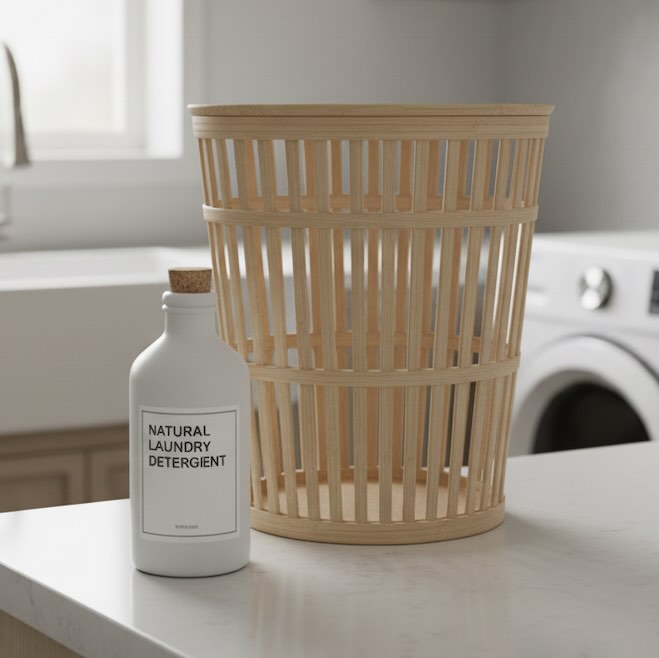
Check out this simple solution for naturally scented laundry. Unlock the exclusive benefit of a fresh, non-toxic clean instantly.
Tchiki Davis, M.A., Ph.D.
*This post may contain affiliate links. If you click and make a purchase, we may earn a small commission at no extra cost to you.
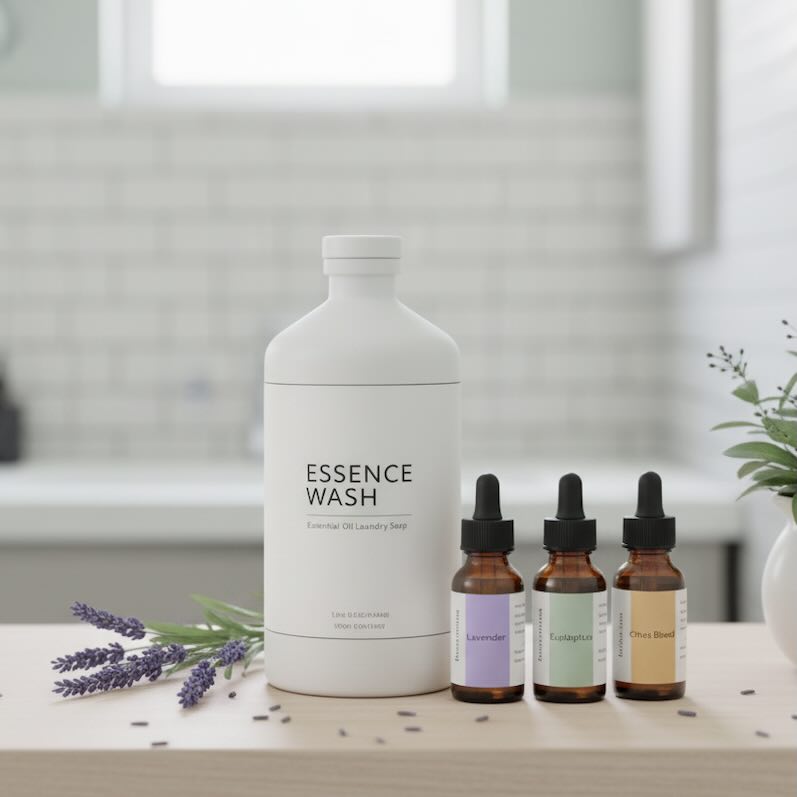
Are you ready to transform your laundry routine into something cleaner, safer, and more natural? Making your own DIY essential oil laundry soap isn't just a trend—it's a powerful way to take control of what touches your skin every single day. Commercial detergents are loaded with synthetic fragrances, harsh chemicals, and mysterious ingredients that can trigger allergies, disrupt hormones, and leave residues on your clothes.
When you create your own natural laundry solution, you know exactly what's going into every load.
The beauty of homemade laundry soap with essential oils is that it's surprisingly simple to make, incredibly cost-effective, and genuinely effective at cleaning your clothes. You don't need a chemistry degree or expensive equipment—just a few basic ingredients and your favorite essential oils. This DIY essential oil laundry soap approach gives you the freedom to customize scents, avoid toxins, and create a laundry solution that aligns with your health values. Whether you're dealing with sensitive skin, want to reduce your family's chemical exposure, or simply love the idea of making your own household products, this guide will walk you through everything you need to know.
The mechanism behind DIY essential oil laundry soap is beautifully straightforward. Traditional soap-making ingredients like washing soda and borax work by raising the pH of water, which helps break down oils and dirt on fabric. Meanwhile, grated bar soap (usually castile or fels-naptha) provides the actual cleaning surfactants that lift stains away from fibers. Essential oils aren't just for scent—many possess natural antibacterial and antifungal properties that enhance the cleaning power of your homemade detergent.
The science of how this works centers on the molecular structure of soap itself. Soap molecules have two ends: one that loves water and one that loves oil. When you wash clothes, these molecules surround dirt and oil particles, allowing them to be rinsed away. This fundamental chemistry hasn't changed in centuries, which is why simple, natural ingredients can clean just as effectively as complex chemical formulas.
Understanding each component of your DIY essential oil laundry soap helps you appreciate why this formula is so effective. Washing soda (sodium carbonate) is a natural mineral that softens water and cuts through grease. It's significantly more alkaline than baking soda, making it perfect for heavy-duty cleaning tasks. Borax (sodium borate) is another naturally occurring mineral that boosts cleaning power, helps remove stains, and acts as a natural deodorizer.
The bar soap you choose forms the foundation of your natural laundry solution. Castile soap is incredibly popular because it's made from plant oils and is exceptionally gentle. Fels-naptha is another favorite for its stain-fighting abilities. Essential oils are the customizable element—lavender provides calming aromatherapy benefits, tea tree offers antimicrobial properties, and lemon brings fresh, clean scents while also working as a natural degreaser.
The promise of DIY essential oil laundry soap lies in what it doesn't contain. Commercial detergents often include synthetic fragrances made from dozens of undisclosed chemicals, optical brighteners that make clothes appear cleaner without actually cleaning them, and harsh surfactants like sodium lauryl sulfate. These ingredients can irritate skin, trigger respiratory issues, and introduce hormone-disrupting chemicals into your home environment.
Your homemade laundry soap eliminates all these concerns while still delivering powerful cleaning results. The natural ingredients work with your body's chemistry rather than against it. Essential oils provide genuine aromatherapy benefits instead of synthetic scents that can cause headaches. This natural laundry solution is transparent—you know every single ingredient and can adjust the formula based on your family's specific needs and preferences.
When you first use your DIY essential oil laundry soap, you'll immediately notice differences from commercial detergents. The scent is noticeably more subtle and natural—don't expect the overpowering artificial fragrance you're used to. This is actually a positive sign. Your clothes will smell clean and fresh, with a gentle hint of whatever essential oils you've chosen, rather than the chemical assault of conventional products.
The texture of clothes washed in homemade laundry soap often feels different too. They come out clean and soft without the waxy residue that some commercial detergents leave behind. You might notice that towels become more absorbent over time, as the natural ingredients don't coat fibers the way fabric softeners and synthetic detergents do. This is particularly beneficial for athletic wear and cloth diapers.
Testing this DIY essential oil laundry soap against everyday stains reveals impressive results. Grass stains, food spills, and general dirt wash out effectively when you use the recommended amount (typically one to two tablespoons per load). For heavily soiled items, pre-treating with a paste made from the dry ingredients and water works wonderfully. Many users report that their natural laundry solution handles routine cleaning just as well as store-bought options.
Reviews from families who've switched to homemade laundry soap consistently praise its performance on everyday laundry. Parents appreciate how well it cleans children's clothing without harsh chemicals. People with active lifestyles note that it effectively removes sweat and odor from workout clothes. The consensus across various online communities is that this DIY essential oil laundry soap delivers reliable cleaning power for regular household use.
Honesty about limitations is important. This natural laundry solution works differently than enzyme-based commercial detergents on protein stains like blood or grass. You may need to pre-treat these stains or use cold water for better results. Very hard water can also reduce effectiveness, though adding extra washing soda or using white vinegar as a rinse aid helps significantly.
High-efficiency (HE) washers require special consideration when using DIY essential oil laundry soap. Because this formula produces minimal suds, it's actually well-suited for HE machines, but you'll want to dissolve it in hot water first. Some users find they need to run an occasional cleaning cycle with vinegar to prevent any mineral buildup from the washing soda or borax.
The beauty of making your own natural laundry solution is the ability to adjust it based on your results. If you're dealing with hard water, increase the washing soda slightly. For extra whitening power, add a quarter cup of hydrogen peroxide to white loads. Essential oils can be adjusted based on your preference—start with 20-30 drops per batch and increase if you want a stronger scent.
Different bar soaps create different results in your DIY essential oil laundry soap. Castile soap produces a gentler formula perfect for baby clothes and sensitive skin. Fels-naptha creates a more powerful stain-fighting version. Some people use a combination of both to get balanced results. Experimenting helps you find your perfect formula.

The safety of DIY essential oil laundry soap comes down to the quality and nature of each ingredient. Washing soda is a natural mineral that's been used for cleaning for over a century. While it's caustic in concentrated form, it rinses completely from fabrics and poses no health risk in the final diluted product. Borax has been the subject of safety debates, but research shows it's safe for laundry use when used as directed and rinsed properly.
Bar soap safety depends entirely on what you choose. Pure castile soap made from olive oil or coconut oil is one of the gentlest cleansers available. It's free from synthetic additives, artificial fragrances, and harsh chemicals. Reading labels carefully ensures your natural laundry solution remains truly clean. Look for soaps without added fragrances, dyes, or preservatives beyond what's necessary for the soap itself.
Essential oils in your DIY essential oil laundry soap are generally safe when properly diluted, but quality matters immensely. Pure therapeutic-grade essential oils contain only plant extracts without synthetic additives or extenders. Lower-quality oils may contain harmful chemicals that defeat the purpose of making your own non-toxic detergent. Always purchase from reputable suppliers who provide testing documentation.
Some essential oils are safer choices for laundry than others. Lavender, tea tree, eucalyptus, and citrus oils are excellent options that provide cleaning benefits and pleasant scents. Avoid using oils that can cause photosensitivity (like bergamot) or skin irritation for sensitive individuals. Using 20-30 drops per batch keeps concentrations low enough to be completely safe while still providing aromatherapy benefits in your natural laundry solution.
The "clean" promise of DIY essential oil laundry soap means freedom from hormone disruptors, carcinogens, and allergens common in commercial products. Conventional detergents often contain 1,4-dioxane, a probable carcinogen that forms during manufacturing. They may include synthetic musks that accumulate in body tissues and disrupt endocrine function. Optical brighteners coat fabrics with chemicals that can irritate sensitive skin.
Your homemade version eliminates all these concerns. The natural laundry solution you create contains no hidden ingredients, no undisclosed fragrances, and no synthetic chemicals. Everything is transparent and safe. This is particularly important for items that spend hours against your skin, like sheets, underwear, and pajamas. Reducing toxin exposure through your laundry routine is one of the simplest health improvements you can make.
Understanding relative toxicity helps you make informed choices. On a scale of toxin exposure, commercial detergents with synthetic fragrances rank quite high. These products release volatile organic compounds (VOCs) into your home air and leave residues on fabric. Fragrance-free commercial detergents are somewhat better but still contain synthetic surfactants and preservatives. DIY essential oil laundry soap ranks among the lowest toxicity options available.
The ingredients in your natural laundry solution—washing soda, borax, natural soap, and essential oils—are dramatically less toxic than alternatives. While concentrated washing soda and borax require careful handling during mixing, they rinse completely from fabrics. Essential oils, when properly sourced and used in small amounts, add benefits without risks. This formula represents a genuinely non-toxic approach to laundry care.
Parents rightly worry about chemical exposure for their children, whose developing bodies are more vulnerable to toxins. DIY essential oil laundry soap is exceptionally safe for washing kids' clothing, bedding, and cloth diapers. The natural ingredients rinse clean without leaving irritating residues that can trigger eczema, rashes, or allergic reactions. Many families report that switching to homemade detergent dramatically improved their children's skin conditions.
The key consideration for kids safety is proper rinsing. Make sure your washing machine completes all rinse cycles fully. For babies and toddlers with very sensitive skin, you can make a version without essential oils or use just a few drops of gentle lavender. This natural laundry solution allows you to customize based on your children's specific needs and sensitivities.
Pregnant and nursing mothers often seek to reduce toxin exposure, making DIY essential oil laundry soap an excellent choice. The natural ingredients don't off-gas harmful chemicals into your home environment or leave residues that transfer through skin contact. However, some essential oils should be avoided or used cautiously during pregnancy. Lavender and chamomile are generally considered safe, while oils like rosemary and clary sage are better avoided.
Creating a natural laundry solution during this sensitive time gives you control and peace of mind. You can make an unscented version or use only pregnancy-safe essential oils. The absence of synthetic fragrances and harsh chemicals means you're not exposing your developing baby to unnecessary toxins through your clothing and bedding. This small change can significantly reduce your overall chemical burden.
Safe handling of DIY essential oil laundry soap ingredients matters, especially in households with curious children. Store washing soda and borax in clearly labeled, child-proof containers, away from food items. While these ingredients are natural, they're caustic in concentrated form. Mix your detergent in a well-ventilated area, and consider wearing gloves if you have sensitive skin during the preparation process.
The finished natural laundry solution should be stored in a sealed container away from moisture to prevent clumping. Keep it on a high shelf or in a locked cabinet if you have young children. Essential oil bottles should also be stored safely—these concentrated plant extracts can cause irritation if ingested or applied directly to skin. Proper storage ensures your DIY essential oil laundry soap remains safe for family use.
One major advantage of making your own natural laundry solution is the ability to avoid specific allergens. If someone in your family reacts to certain essential oils, simply leave them out or substitute alternatives. If borax is a concern (though it's generally safe when rinsed properly), you can make versions without it using just washing soda and soap. This customization isn't possible with commercial detergents.
Testing is always smart when introducing any new laundry product. Wash a few non-essential items first and monitor for reactions. The DIY essential oil laundry soap formula is gentler than most commercial options, but individual sensitivities vary. Starting slowly and adjusting based on your family's response ensures everyone benefits from cleaner, safer laundry without any unexpected reactions.

Starting your DIY essential oil laundry soap journey requires purchasing a few basic ingredients, but the initial investment is surprisingly affordable. A box of washing soda typically costs $4-7 and makes multiple batches. Borax runs about the same price with similar longevity. Bar soap costs $1-5 per bar depending on quality. Essential oils represent the largest initial expense at $10-20 per bottle, but a single bottle lasts through many batches.
Your total startup cost for making natural laundry solution ranges from $25-50, depending on the quality of ingredients you choose. This might seem comparable to buying a few bottles of commercial detergent, but here's where the value becomes clear: these ingredients make enough homemade detergent to last an average household 6-12 months. The cost per load drops to just 3-5 cents, compared to 15-30 cents for commercial detergents.
Breaking down the actual cost per load reveals the tremendous value of DIY essential oil laundry soap. A typical batch using one bar of soap, one cup of washing soda, and one cup of borax creates enough detergent for 40-60 loads (depending on load size and water hardness). Adding 20-30 drops of essential oils adds mere pennies to the total cost. Your final cost per load is roughly 80-90% less than store-bought options.
The natural laundry solution savings multiply over time. A family doing 8 loads per week saves $150-250 annually by making their own detergent. Over five years, that's $750-1,250 saved—enough for a nice vacation or significant contribution to savings. Beyond money, you're also saving trips to the store and reducing plastic packaging waste, which adds value that's harder to quantify but genuinely meaningful.
Sourcing ingredients for your DIY essential oil laundry soap is easy and convenient. Most grocery stores carry washing soda and borax in the laundry aisle—look for Arm & Hammer Super Washing Soda and 20 Mule Team Borax. Health food stores and natural grocers typically stock high-quality castile bar soap. Online retailers like Amazon offer bulk purchasing options that further reduce costs.
Essential oils require more careful sourcing for your natural laundry solution. Avoid cheap oils from discount stores, as these often contain synthetic extenders or adulterants. Reputable brands include Plant Therapy, Rocky Mountain Oils, and Mountain Rose Herbs. These companies provide testing documentation ensuring purity. While you'll pay more upfront ($15-25 per bottle), the quality justifies the cost, and each bottle lasts months.
The true value of DIY essential oil laundry soap extends beyond ingredient costs. Your clothes actually last longer when washed with gentle, natural ingredients rather than harsh chemicals. Fabrics maintain their color, texture, and integrity through more wash cycles. Reduced skin irritation means fewer doctor visits and less spending on prescription creams or over-the-counter remedies for detergent-related reactions.
Your natural laundry solution also eliminates the need for separate fabric softeners, dryer sheets, and special stain treatments, all of which add significant costs to conventional laundry routines. White vinegar (about $3 per gallon) works beautifully as a natural fabric softener when needed. Pre-treating stains with a paste of your detergent powder costs essentially nothing. These hidden savings make the DIY essential oil laundry soap approach even more economical.
Popular commercial natural laundry brands like Seventh Generation, Mrs. Meyer's, and Method have made "green" cleaning more accessible. However, comparing these to your DIY essential oil laundry soap reveals significant differences. Commercial natural detergents still contain synthetic preservatives, processed surfactants, and undisclosed fragrance components (even in "naturally scented" versions). They're improvements over conventional detergents but don't match the purity of homemade formulas.
Cost comparison strongly favors the natural laundry solution you make yourself. Seventh Generation detergent costs roughly 25 cents per load. Mrs. Meyer's runs about 30 cents per load. Your DIY version costs under 5 cents per load—an 80-85% savings. While commercial natural brands offer convenience, they can't compete on ingredient transparency, cost-effectiveness, or customization. You control exactly what goes into your DIY essential oil laundry soap.
Soap nuts (also called soap berries) represent another natural laundry alternative worth comparing. These dried shells from the Sapindus tree contain natural saponins that create mild cleaning action. They're completely natural and reusable for several loads. However, their cleaning power is significantly weaker than DIY essential oil laundry soap, particularly on heavily soiled items or in cold water.
The natural laundry solution you make yourself offers superior stain-fighting ability and better scent customization than soap nuts. Soap nuts provide almost no fragrance, while your homemade detergent can smell exactly how you prefer. Cost-wise, they're roughly comparable per load, but DIY essential oil laundry soap delivers more reliable, consistent results. Soap nuts work better as a supplement for light loads rather than your primary detergent.
Comparing your homemade natural laundry solution to mainstream detergents like Tide, Gain, or Persil shows stark differences in philosophy and approach. Conventional detergents maximize cleaning power through synthetic enzymes, harsh surfactants, and powerful optical brighteners. They do clean effectively, but at the cost of introducing numerous chemicals into your home and onto your skin. The synthetic fragrances alone contain dozens of undisclosed compounds.
DIY essential oil laundry soap takes a gentler approach that prioritizes safety while maintaining solid cleaning performance. You won't get the artificial brightness or overpowering scent of conventional detergents, but your clothes will be genuinely clean without chemical residues. For families with sensitive skin, allergies, or health concerns about chemical exposure, the homemade option wins decisively. The dramatic cost savings and environmental benefits seal the deal.
When evaluating all factors—cost, ingredient safety, environmental impact, effectiveness, and customization—DIY essential oil laundry soap emerges as the clear winner for health-conscious households. No commercial product, regardless of price point, offers the same level of transparency and control. Your natural laundry solution adapts to your specific needs, whether that's extra whitening power, specific scents, or hypoallergenic formulas.
The only area where commercial products have an advantage is convenience. Premade detergents require zero preparation time. However, mixing a batch of DIY essential oil laundry soap takes just 10-15 minutes every few months—a minimal time investment for the tremendous benefits gained. For anyone serious about reducing toxin exposure and saving money, making your own natural laundry solution is unquestionably the best choice.

Making your own natural laundry solution delivers impressive benefits that extend far beyond just clean clothes. The advantages include:
The DIY essential oil laundry soap approach empowers you to take control of your family's health. This isn't just about saving money or following a trend—it's about making a meaningful change that reduces chemical exposure through one of your most frequent household tasks.
No product is perfect, and your homemade natural laundry solution has some limitations worth acknowledging. The preparation process, while simple, does require an initial time investment of 10-15 minutes every few months. If you're someone who values convenience above all else, this might feel burdensome, though most people find it manageable and even enjoyable once it becomes routine.
Cleaning power on heavily soiled items or tough stains may not match enzyme-loaded commercial detergents. Pre-treating helps significantly, but if you regularly deal with seriously dirty work clothes or sports uniforms, you might need to adjust expectations or supplement with occasional pre-soaking. Hard water also reduces effectiveness, though adding extra washing soda or using vinegar rinses solves this issue.
The scent profile differs from commercial detergents—it's much more subtle and natural. If you're accustomed to the overpowering artificial fragrance of conventional products, this DIY essential oil laundry soap might initially seem "not scented enough." This actually reflects the absence of synthetic fragrances, which is healthier, but it requires adjusting expectations. Over time, most people come to prefer the gentle, natural scent.
DIY essential oil laundry soap is ideal for specific groups who'll benefit most from making their own natural laundry solution. Families with young children, especially those dealing with eczema, allergies, or sensitive skin, often see dramatic improvements within weeks of switching. Pregnant women seeking to reduce toxin exposure find the control and transparency invaluable. Anyone with chemical sensitivities or fragrance allergies benefits from the ability to customize or eliminate scents entirely.
Budget-conscious households appreciate the massive cost savings, which add up to substantial amounts over time. Environmentally minded individuals love reducing plastic waste and chemical pollution. People who enjoy DIY projects and making their own household products find satisfaction in creating something useful and effective. Health-conscious individuals committed to reducing overall toxin exposure recognize that laundry products represent a significant source of chemical contact.
After weighing all factors, DIY essential oil laundry soap receives a strong recommendation for most households. The combination of cost savings, health benefits, and environmental advantages far outweighs the minor inconveniences of preparation time and slightly reduced convenience. This natural laundry solution delivers on its promises—genuinely clean ingredients, effective cleaning, and meaningful reduction in household toxin exposure.
Start with a small batch to test the formula with your specific water conditions and washing machine. Adjust essential oils to find scents you love. Pre-treat tough stains when necessary. Within a few weeks, you'll develop a routine that makes this DIY essential oil laundry soap approach feel completely natural. Your clothes will be clean, your family will be safer, and your wallet will be happier. For anyone serious about reducing toxins and embracing healthier living, making your own natural laundry solution is an essential step forward.
* AI Disclosure: This article was developed with the assistance of AI language models, which aided in research, drafting, and/or editing. We strive for accuracy, but AI-generated content can occasionally contain errors. We recommend you double-check and verify information before making decisions based on this content.