Find out which wheat-free foods are truly clean, nutritious, and safe for your whole family.
Tchiki Davis, M.A., Ph.D.
*This post may contain affiliate links. If you click and make a purchase, we may earn a small commission at no extra cost to you.
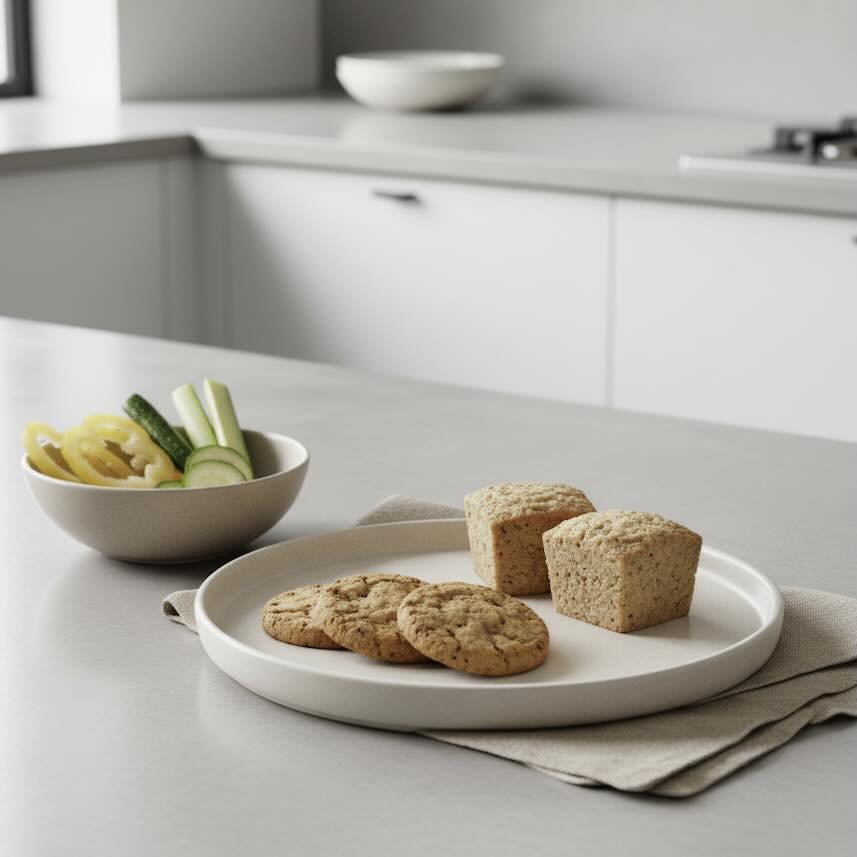
Navigating the world of gluten-free options can feel overwhelming when you're first eliminating wheat from your diet. Whether you're dealing with celiac disease, gluten sensitivity, or simply exploring how wheat-free eating might improve your health, understanding which foods support your wellness goals makes all the difference. The gluten-free market has exploded in recent years, but not all wheat-free foods are created equal.
Many gluten-free options on store shelves are highly processed, loaded with refined starches, and contain ingredients that work against your health. However, when you focus on naturally wheat-free whole foods and carefully selected products, going gluten-free can reduce inflammation, improve digestion, and help you feel significantly better. This guide cuts through the confusion to help you identify truly healthy gluten-free options—foods that nourish your body while avoiding the toxins and problematic ingredients found in many processed alternatives. You'll learn which wheat-free foods deserve a place in your kitchen and how to navigate this dietary shift with confidence and success.
Gluten-free options are foods that naturally lack or have been processed to remove gluten—a protein found in wheat, barley, rye, and triticale. This protein gives bread its chewy texture but triggers immune responses in people with celiac disease and causes inflammation in those with sensitivities. Understanding which foods naturally exclude gluten helps you build a healthy wheat-free foundation.
Many whole foods are naturally gluten-free, including all fruits, vegetables, meats, fish, eggs, and most dairy products. Rice, quinoa, buckwheat (despite the name), and other ancient grains provide wheat-free alternatives. These naturally gluten-free options require no special processing and offer complete nutrition without concerning additives.
For people with celiac disease, gluten triggers an autoimmune reaction that damages the small intestine lining. This prevents nutrient absorption and creates widespread health problems affecting multiple body systems. Even trace amounts of gluten cause damage in celiac patients, making strict gluten-free options medically necessary.
Non-celiac gluten sensitivity affects many more people who experience digestive distress, brain fog, fatigue, and inflammation from wheat consumption. While the mechanism differs from celiac disease, these individuals benefit significantly from choosing gluten-free options. Research shows that wheat contains other problematic compounds beyond gluten, including amylase-trypsin inhibitors that trigger inflammation.
Switching to quality gluten-free options often brings remarkable improvements in how you feel. Many people report reduced bloating, increased energy, clearer thinking, and improved mood within weeks of eliminating wheat. These benefits occur whether you have diagnosed celiac disease or simply respond poorly to gluten-containing grains.
The promise extends beyond symptom relief to long-term health improvements. Reducing inflammation throughout your body by choosing appropriate wheat-free foods may lower your risk of autoimmune conditions, metabolic disorders, and chronic diseases. You're removing a common inflammatory trigger while potentially improving nutrient absorption.
One critical aspect of gluten-free options involves cross-contamination during growing, processing, or preparation. Foods that should be naturally wheat-free sometimes contain gluten from shared equipment or facilities. Oats, for example, are gluten-free but often contaminated with wheat during harvesting or processing.
Key science concepts about gluten-free options:
Understanding these fundamentals helps you make informed choices about gluten-free options. You're not just avoiding a single ingredient—you're choosing foods that support your body's natural functions without triggering problematic immune or inflammatory responses.

When you first try gluten-free options, especially baked goods, you'll notice textural differences from wheat-based versions. Gluten-free bread tends to be more crumbly and less elastic than traditional bread. Pasta made from rice or corn feels different in your mouth—sometimes mushier if overcooked, sometimes slightly grainier in texture.
These differences don't mean gluten-free options taste bad; they're just different. Many people actually prefer certain wheat-free alternatives once they adjust their expectations. Almond flour cookies, for example, offer rich flavor and satisfying texture that stands on its own merit, not as an imitation.
Amazon reviews of popular gluten-free options reveal patterns in consumer experiences. High-quality products like Canyon Bakehouse bread and Jovial pasta receive praise for tasting "almost like regular" versions. Users consistently note that proper cooking techniques matter enormously for wheat-free alternatives—following package directions precisely prevents disappointing results.
Reddit's gluten-free communities share honest feedback about various products. One common theme: homemade gluten-free options often surpass store-bought versions in taste and texture. Users report that investing time in learning to bake with alternative flours creates far superior results than relying solely on packaged goods.
Rice-based gluten-free options offer mild, neutral flavors that work well in most applications. Brown rice pasta tastes wholesome and slightly nutty, while white rice versions virtually disappear into whatever sauce you use. Rice flour creates light, delicate baked goods when combined with other gluten-free flours.
Almond and coconut flour products provide distinctly different taste experiences. Almond flour adds rich, slightly sweet notes perfect for cookies and cakes. Coconut flour creates moist, dense baked goods with subtle tropical undertones. These wheat-free alternatives bring their own character rather than attempting to mimic wheat exactly.
Gluten-free options require adjusted cooking techniques for optimal results. Pasta needs careful monitoring—it goes from perfect to mushy quickly. Bread benefits from toasting, which improves texture and brings out flavors. Understanding these quirks helps you get consistently good results with wheat-free foods.
Baking with gluten-free options demands more precision than wheat-based baking. You'll need to measure carefully, often combining multiple flours to achieve proper texture. Xanthan gum or psyllium husk helps bind ingredients that lack gluten's natural adhesion. These techniques become second nature with practice.
Most people adjusting to gluten-free options report an initial adjustment period of 2-4 weeks. During this time, foods might taste "off" or unsatisfying compared to wheat versions. Your palate needs time to recalibrate and appreciate the flavors of alternative ingredients without comparing them to wheat.
After this adjustment, many people strongly prefer certain gluten-free options over their wheat counterparts. Almond flour pizza crust, for example, often wins over traditional versions among health-conscious eaters. Rice noodles in Asian cuisine feel lighter and more digestible than wheat-based pasta.
Common experiences with gluten-free options reported by users:
Your experience with gluten-free options improves dramatically as you learn which brands work best and master cooking techniques. The initial learning curve gives way to satisfying, delicious wheat-free eating that supports your health without feeling restrictive.

Not all gluten-free options are created equal from a health perspective. Many commercial wheat-free products contain highly processed ingredients like refined starches, excessive sugars, and inflammatory seed oils. These products are technically gluten-free but hardly qualify as clean or health-promoting options.
The cleanest gluten-free options are whole foods that naturally lack gluten—vegetables, fruits, quality meats, fish, eggs, nuts, and seeds. These require no special processing or certification. When you build your diet around these foundation foods, you're getting nutrition without problematic additives or processing.
Reading ingredient labels on packaged gluten-free options reveals that many contain concerning additives. Xanthan gum, while generally safe, comes from fermented corn or soy that's often GMO. Some products use multiple refined starches—potato, tapioca, corn—providing empty calories with minimal nutrition.
High-quality gluten-free options use recognizable whole food ingredients. Look for products made from almond flour, coconut flour, cassava flour, or other whole grain alternatives. These wheat-free ingredients provide fiber, protein, and nutrients rather than just starch and calories.
Many gluten-free options contain inflammatory seed oils like soybean, sunflower, or canola oil. Manufacturers use these oils because they're cheap and create palatable textures in baked goods. However, these oils are high in omega-6 fatty acids that promote inflammation when consumed excessively.
Cleaner wheat-free alternatives use butter, coconut oil, olive oil, or avocado oil instead. These fats don't contribute to inflammatory processes in your body. When choosing packaged gluten-free options, checking the fat source matters as much as verifying gluten-free status.
Even naturally gluten-free options can become contaminated during processing. Oats, quinoa, and other grains often grow near wheat fields or process through shared equipment. For people with celiac disease, this cross-contamination causes real harm despite foods being inherently wheat-free.
Certified gluten-free labeling indicates products meet strict standards—less than 20 parts per million of gluten. This certification provides assurance for those who need completely wheat-free foods. However, certification doesn't address other ingredient quality concerns like refined ingredients or seed oils.
Commercial gluten-free options often contain more additives than wheat-based equivalents to achieve acceptable texture and shelf life. Gums, starches, and emulsifiers help bind ingredients that lack gluten's natural properties. While generally recognized as safe, these additives add substances your body must process.
Preservatives extend shelf life but add unnecessary chemicals to your diet. Choosing fresh or frozen gluten-free options over shelf-stable products reduces preservative exposure. Making wheat-free foods at home gives you complete control over ingredients and eliminates all unwanted additives.
Ingredients to avoid in gluten-free options:
The cleanest gluten-free options are whole foods prepared at home or minimally processed products with short, recognizable ingredient lists. You're aiming for wheat-free foods that support your health, not just technical gluten avoidance while consuming other problematic ingredients.
If your child needs to follow a gluten-free diet, ensuring adequate nutrition becomes paramount. Growing kids need sufficient calories, protein, and nutrients that wheat-containing foods typically provide. Quality wheat-free alternatives must fill these nutritional gaps without relying on empty-calorie refined starches.
Naturally gluten-free options like rice, quinoa, potatoes, and corn provide carbohydrates kids need for energy and growth. Combining these with plenty of protein sources, healthy fats, and colorful vegetables creates balanced nutrition. Many children actually thrive on gluten-free diets when whole food options replace processed wheat products.
Managing gluten-free options for children extends beyond home meals to school lunches and social events. Packing safe wheat-free foods your child enjoys prevents feelings of deprivation or being different. Creative presentations of naturally gluten-free options help kids feel excited about their meals rather than restricted.
Teaching children to read labels and understand their dietary needs empowers them to make safe choices. Age-appropriate education about why they need gluten-free options helps kids become advocates for their own health. This reduces anxiety around food and builds confidence in social eating situations.
If you're pregnant and following a gluten-free diet, focus on nutrient-dense wheat-free options. Pregnancy increases needs for folate, iron, calcium, and other nutrients often fortified in wheat products. Ensuring your gluten-free options provide these nutrients requires intentional food choices.
Quinoa, amaranth, and fortified gluten-free options provide folate important for fetal development. Red meat, beans, and leafy greens supply iron without relying on enriched wheat products. A varied diet of whole food gluten-free options typically meets pregnancy nutritional needs without supplementation.
Some mothers find that consuming gluten while breastfeeding causes digestive distress in their babies. If you suspect this connection, trying gluten-free options might improve your infant's comfort. However, ensure your wheat-free diet provides adequate calories and nutrients for milk production and your own health.
Nursing mothers need substantial energy and nutrients. Quality gluten-free options including plenty of whole grains, proteins, healthy fats, and vegetables support successful breastfeeding. Oats (certified gluten-free), rice, and quinoa provide excellent carbohydrate sources for maintaining milk supply.
Older adults transitioning to gluten-free options face unique challenges. Lifelong eating habits resist change, and seniors may struggle to find satisfying wheat-free alternatives. Additionally, age-related digestive changes might make certain gluten-free options less tolerable than others.
Focusing on familiar foods that happen to be naturally gluten-free eases this transition. Rice dishes, potatoes, corn, and quality meats require no adjustment in preparation methods. Gradually introducing alternative grain options helps seniors adapt without overwhelming dietary upheaval.
Not all gluten-free options are equally healthy or free from concerning ingredients. Understanding the spectrum from wholesome to problematic helps you make wise choices for your family. Some wheat-free products are actually less healthy than their gluten-containing counterparts.
Spectrum of gluten-free option quality:
Understanding this hierarchy helps you prioritize truly healthy gluten-free options for your family. You're aiming for wheat-free eating that enhances nutrition rather than simply avoiding gluten while consuming other problematic ingredients.

Gluten-free options typically cost 200-400% more than wheat-based equivalents. You'll pay $5-8 for a loaf of gluten-free bread versus $2-4 for regular bread. This significant price difference reflects specialized manufacturing, alternative ingredients, and smaller production volumes for wheat-free products.
The premium extends across all categories—pasta, crackers, baking mixes, and prepared foods all cost more in gluten-free versions. This financial burden affects families significantly, especially those managing celiac disease who have no choice but to buy these more expensive alternatives.
Understanding where you'll encounter the biggest expenses helps you budget for gluten-free options. Specialty baked goods—bread, bagels, muffins—carry the highest premiums. A box of gluten-free cookies might cost $6-9 compared to $3-4 for conventional versions.
Naturally gluten-free options offer the best value. Rice, potatoes, corn, quinoa, and other whole grains cost similar amounts to wheat-based products. Building your diet around these naturally wheat-free foods rather than relying on specialty processed products dramatically reduces your overall food costs.
Shopping strategically for gluten-free options saves substantial money over time. Warehouse stores like Costco offer select wheat-free products at significantly lower prices than grocery stores. Buying larger quantities when items go on sale reduces per-unit costs considerably.
Online retailers sometimes offer better deals on gluten-free options than brick-and-mortar stores. Amazon, Thrive Market, and Vitacost frequently run sales and provide subscribe-and-save discounts. However, shipping costs can negate savings unless you reach free shipping thresholds or maintain memberships.
Homemade gluten-free options cost a fraction of store-bought equivalents once you invest in basic alternative flours. A batch of homemade wheat-free bread might cost $3-4 versus $7-8 for purchased loaves. The time investment pays off in both cost savings and superior taste and texture.
Buying alternative flours in bulk through online retailers or restaurant supply stores further reduces costs. Almond flour, coconut flour, and gluten-free flour blends become much more affordable when purchased in 3-5 pound bags. These stay fresh for months when properly stored.
If you have diagnosed celiac disease, the incremental cost of gluten-free options may be tax-deductible as a medical expense. You'll need to document the price difference between wheat-free products and their conventional equivalents. This requires receipt keeping but can provide meaningful tax relief.
Some health insurance plans or HSA/FSA accounts cover portions of gluten-free option costs with proper medical documentation. Check with your insurance provider about coverage for medically necessary dietary modifications. While not all plans offer this benefit, it's worth investigating.
Committing to gluten-free options requires adjusting your food budget long-term. Most families find they need to increase grocery spending by 20-50% to accommodate wheat-free eating. However, reducing restaurant meals and processed convenience foods often offsets some of these increased costs.
Consider the long-term health savings when evaluating gluten-free option costs. Untreated celiac disease leads to serious health complications requiring expensive medical care. For those with genuine gluten sensitivity, the improved health and quality of life from wheat-free eating has significant value beyond food costs.
Strategies for managing gluten-free option expenses:
Managing the costs of gluten-free options requires strategic shopping and willingness to prepare more foods at home. The investment in your health through quality wheat-free eating pays dividends in how you feel and potentially reduces future healthcare expenses.
Rice and corn form the foundation of many gluten-free options, each offering distinct advantages. Rice-based products provide neutral flavor and smooth texture in pasta, crackers, and baked goods. Brown rice versions add fiber and nutrients, while white rice creates lighter, more delicate wheat-free alternatives.
Corn-based gluten-free options often taste slightly sweeter and create crumblier textures in baked goods. Corn tortillas, polenta, and cornmeal work beautifully in appropriate applications. However, you should choose organic corn products when possible, as conventional corn is heavily sprayed with glyphosate.
Almond flour has become a popular choice for gluten-free options, especially in baked goods. It creates moist, rich cakes and cookies with satisfying texture and protein content. Almond-based wheat-free products tend to be more expensive but offer superior nutrition compared to refined starch alternatives.
Coconut flour provides high fiber content and absorbs enormous amounts of liquid. Products made with coconut flour as a primary ingredient create very dense, filling baked goods. These gluten-free options work best when combined with other flours rather than used alone.
Certified gluten-free oats offer familiar comfort food options—oatmeal, granola, and baking applications. Oats provide soluble fiber that supports heart health and steady energy. However, some people with celiac disease react to oat protein even when it's technically wheat-free and uncontaminated.
Quinoa, amaranth, and teff provide nutritious alternatives among gluten-free grain options. These ancient grains offer complete proteins and rich mineral content superior to wheat. They cost more than rice but provide significantly better nutrition in your wheat-free diet.
Commercial gluten-free options offer convenience but often compromise on ingredient quality and taste. Store-bought wheat-free bread, for example, frequently contains refined starches, gums, and preservatives. The texture remains serviceable but rarely matches homemade versions made with quality alternative flours.
Homemade gluten-free options require more time but deliver superior results across most applications. You control exactly what goes into your wheat-free foods, ensuring clean ingredients without unnecessary additives. The taste and texture improvements justify the effort for many people committed to healthy eating.
Some gluten-free options align with paleo principles, using only nuts, seeds, and vegetables for grain-free eating. These products avoid all grains, including rice and corn, focusing on nutrient-dense whole food ingredients. Paleo-friendly wheat-free options typically cost more but offer exceptional nutritional profiles.
Standard gluten-free options use grain replacements like rice and corn, creating more familiar textures at lower costs. These work well for people who simply need to avoid wheat without adhering to other dietary restrictions. Your choice depends on whether you're addressing gluten alone or pursuing broader dietary improvements.
For everyday eating, naturally gluten-free whole foods provide the best foundation—vegetables, fruits, quality proteins, and whole grain alternatives like quinoa and rice. These offer optimal nutrition at reasonable costs. Supplement with carefully selected packaged wheat-free products when convenience demands or special occasions call for treats.
Comparison of top gluten-free alternatives:
The best gluten-free options for you depend on your specific health needs, budget, and food preferences. Most people benefit from using a combination of these wheat-free alternatives rather than relying heavily on any single replacement.

Quality gluten-free options provide genuine health benefits beyond simply avoiding wheat. Many people experience reduced inflammation, improved digestion, increased energy, and better mental clarity when switching to carefully chosen wheat-free foods. These improvements often appear within weeks of eliminating gluten from your diet.
For those with celiac disease or genuine gluten sensitivity, the benefits are even more pronounced and medically necessary. Healing your gut lining, preventing autoimmune reactions, and improving nutrient absorption create life-changing improvements. The right gluten-free options support your body's natural healing rather than just removing a problem ingredient.
Cost represents the biggest obstacle for most people exploring gluten-free options. Specialty wheat-free products are expensive, and building a well-stocked gluten-free kitchen requires initial investment. This financial burden feels especially heavy for large families or those on tight budgets.
The learning curve can be steep when transitioning to gluten-free options. Understanding which products taste good, how to cook them properly, and where to find affordable sources takes time. You'll experience some disappointing meals and wasted money on products that don't work for you.
You'll benefit most from gluten-free options if you've been diagnosed with celiac disease or test positive for gluten sensitivity. These conditions require wheat avoidance for health rather than choice. The lifestyle adjustments and expenses become worthwhile when they're preventing serious health consequences.
People with autoimmune conditions, unexplained digestive issues, or chronic inflammation often see improvements from trying quality gluten-free options. Even without formal diagnosis, you might discover that wheat contributes to health problems. A trial elimination of 6-8 weeks reveals whether gluten-free eating benefits your specific situation.
Start your gluten-free journey by focusing on naturally wheat-free whole foods rather than immediately buying expensive specialty products. Build meals around vegetables, quality proteins, rice, potatoes, and quinoa. This establishes a healthy foundation while you learn which packaged gluten-free options work for you.
Gradually experiment with different brands and types of specialty wheat-free products. Buy single items rather than bulk purchasing until you know what you like. Keep notes on which gluten-free options deliver good taste and value—this information becomes invaluable as you build your preferred product list.
Prioritize ingredient quality when selecting packaged gluten-free options. Choose products made with whole food flours like almond, coconut, or whole grain rice rather than refined starch combinations. Check for problematic seed oils and excessive additives that compromise the health benefits of wheat-free eating.
Don't feel pressured to replace every wheat-containing food with gluten-free equivalents. Some foods simply work better with gluten, and that's okay. Adjust your diet to emphasize meals where wheat-free options shine rather than struggling with poor substitutes.
Gluten-free options won't taste identical to wheat-based foods, and that's not the goal. You're choosing wheat-free alternatives because they support your health, not because they perfectly mimic traditional foods. Adjusting your expectations allows you to appreciate these alternatives on their own merits.
Give yourself grace during the transition period. You'll make mistakes, buy products you don't like, and miss certain wheat-based favorites. These experiences are normal parts of the learning process. Most people find that after several months, gluten-free eating feels natural rather than restrictive.
Quality gluten-free options support health and wellbeing when chosen wisely and used appropriately. The key is emphasizing naturally wheat-free whole foods supplemented with carefully selected specialty products rather than trying to replace every wheat item with processed alternatives. This approach optimizes both health and budget.
For those who need gluten-free eating medically, the benefits far outweigh the challenges and costs. You're investing in preventing serious health complications and supporting your body's healing. Even the frustrations of navigating wheat-free living pale compared to the consequences of continued gluten exposure.
If you're exploring gluten-free options without medical necessity, approach this as an experiment in how wheat affects your personal health. Track how you feel during 6-8 weeks of strict wheat-free eating, then evaluate whether the benefits justify the effort and expense for your situation.
Gluten-free options represent tools for supporting your health rather than ends in themselves. The quality of your wheat-free food choices matters enormously—emphasize whole foods, minimize processed alternatives, and focus on nourishment rather than just gluten avoidance. When approached thoughtfully, gluten-free eating can enhance your health, energy, and quality of life in meaningful ways.
* AI Disclosure: This article was developed with the assistance of AI language models, which aided in research, drafting, and/or editing. We strive for accuracy, but AI-generated content can occasionally contain errors. We recommend you double-check and verify information before making decisions based on this content.