Explore why grass-fed meat offers cleaner protein, fewer toxins, and better nutrition. Learn how sustainable farming benefits your health and the planet.
Tchiki Davis, M.A., Ph.D.
*This post may contain affiliate links. If you click and make a purchase, we may earn a small commission at no extra cost to you.
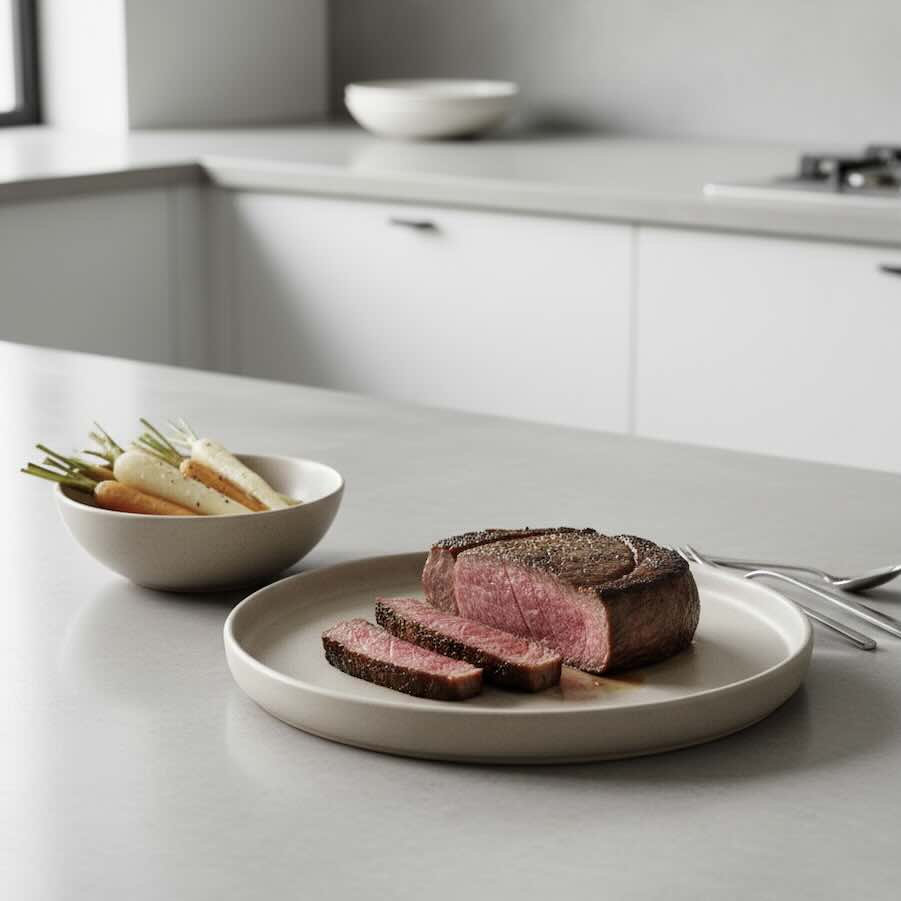
You've probably noticed grass-fed meat popping up everywhere—from farmers markets to grocery store shelves. But is it just another health trend, or is there something truly different about choosing grass-fed options over conventional meat? The answer matters more than you might think, especially if you're working to reduce toxins in your diet and support sustainable food systems.
Grass-fed meat represents a shift back to how animals were raised for thousands of years—grazing on pasture, moving freely, and eating their natural diet. This traditional approach creates meat that's not only different nutritionally but also cleaner from a toxin standpoint. When you choose grass-fed options, you're making a decision that affects your health, the wellbeing of animals, and the future of our environment. Let's explore what makes grass-fed meat stand out, how it performs in real-world use, and whether it's worth the investment for your family's health journey.
Grass-fed meat comes from animals that eat grass and forage throughout their lives, unlike conventional livestock that typically consume grain-based feed. This dietary difference fundamentally changes the nutritional profile of the meat you bring home. The science behind grass-fed practices shows measurable improvements in several key nutrients that support your health.
Research demonstrates that grass-fed beef contains higher levels of omega-3 fatty acids compared to grain-fed alternatives. These beneficial fats help reduce inflammation in your body and support heart and brain health. You'll also find increased amounts of conjugated linoleic acid (CLA), a fatty acid linked to improved immune function.
How does eating grass create these nutritional differences? When cattle graze on pasture, they consume diverse plants rich in nutrients that get incorporated into their tissue. Grass-fed animals develop meat with up to five times more omega-3s than conventional beef, shifting the ratio closer to what our bodies need.
The mechanism works through bioaccumulation of nutrients from soil and plants into animal tissue. Pasture-raised livestock also produce meat with higher levels of vitamin E, an antioxidant that protects your cells. You're getting cleaner protein sources with naturally occurring vitamins rather than fortified feed additives.
One of the most compelling aspects of grass-fed meat is what it doesn't contain. Conventional livestock operations often rely on growth hormones, routine antibiotics, and feed that may contain pesticide residues. Grass-fed practices typically avoid these inputs, resulting in meat with fewer chemical residues.
Key advantages of grass-fed meat from a toxin standpoint:
This reduction in chemical exposure matters when you're trying to minimize your toxic load. Every choice to select grass-fed options supports your body's natural detoxification processes.

When you first cook grass-fed beef, you'll notice it looks slightly different—often deeper red with less marbling. The taste is distinctly different too, with many describing it as more robust or "beefy" compared to conventional meat. Some people love this earthier flavor immediately, while others need time to adjust their palate.
Reviews on Amazon and Reddit reveal mixed initial reactions to grass-fed meat's taste. One Reddit user shared, "It tastes like what beef should taste like—you can tell the animal ate real food." However, others note it can taste slightly gamey if you're accustomed to grain-fed options.
Grass-fed meat cooks faster than conventional beef because it contains less fat. You'll want to reduce cooking time and temperature to avoid tough, dry results. Medium-rare to medium works best for most cuts, preserving the tenderness and nutritional benefits you're paying for.
The performance in everyday cooking situations takes some adjustment. Grass-fed burgers, steaks, and roasts require more attention to prevent overcooking. Using lower heat and checking internal temperature frequently helps you achieve the best results with this leaner protein source.
After incorporating grass-fed meat into your weekly meals, you might notice subtle changes in how you feel. Many people report feeling more satisfied after eating grass-fed options, possibly due to the improved nutrient density. You're getting more nutrition per ounce, which can naturally lead to better satiety.
Common experiences reported by grass-fed meat consumers:
Amazon reviews frequently mention that grass-fed ground beef works wonderfully in dishes where you add seasonings and sauces. The leaner texture performs well in tacos, pasta sauces, and chili recipes where additional ingredients complement the meat's natural flavor.

Let's be clear about what "chemical-free" means with grass-fed meat. No food is technically chemical-free since everything is made of chemical compounds. However, grass-fed meat contains significantly fewer synthetic chemicals, pesticide residues, and pharmaceutical additives than conventional options.
Grass-fed practices prioritize natural farming methods that minimize chemical inputs. The animals aren't given routine antibiotics to promote growth, and they're not treated with synthetic hormones. This creates cleaner meat with lower levels of concerning residues that can disrupt your endocrine system.
You're probably aware of concerns about seed oils and their inflammatory effects. Interestingly, the fat composition in grass-fed meat works in your favor here. While grain-fed cattle produce meat higher in omega-6 fatty acids (similar to seed oils), grass-fed animals develop healthier fat profiles.
The omega-6 to omega-3 ratio in grass-fed beef ranges from 2:1 to 4:1, compared to 10:1 or higher in grain-fed meat. This balanced ratio helps counter the inflammatory effects of excessive omega-6 consumption from processed foods. You're essentially getting anti-inflammatory fats rather than pro-inflammatory ones.
Conventional cattle eat grain crops that are heavily treated with glyphosate and other herbicides. These chemicals persist in animal tissue and eventually make their way onto your plate. Grass-fed animals grazing on pasture have significantly lower exposure to these agricultural chemicals.
Studies show that organic, grass-fed meat contains minimal pesticide residues compared to conventional alternatives. When you choose grass-fed options, you're reducing your family's exposure to potential endocrine disruptors. This matters especially if you're working to minimize overall toxic burden.
The "clean ingredients" aspect of grass-fed meat extends beyond what the animal ate. Many grass-fed producers also avoid nitrates and nitrites in processed products like bacon and sausage. You'll find grass-fed options that use celery powder or other natural preservation methods instead.
What makes grass-fed meat cleaner:
This combination of factors makes grass-fed meat one of the cleaner protein choices available. You're supporting your body's natural processes rather than adding to its detoxification workload.
If you have kids, you're probably extra careful about what goes into their growing bodies. Grass-fed meat offers distinct advantages for children who are more vulnerable to hormone disruptors and antibiotic residues. Their developing systems benefit from cleaner protein sources with better nutritional profiles.
The higher omega-3 content in grass-fed options supports brain development in growing children. You're providing building blocks for cognitive function without the baggage of synthetic additives. Many parents notice their kids have fewer digestive issues with grass-fed versus conventional meat.
During pregnancy and nursing, your nutritional needs increase significantly. Grass-fed meat provides high-quality protein along with iron, B vitamins, and healthy fats your body needs. The absence of hormone residues is particularly important during pregnancy when hormone balance affects fetal development.
Grass-fed beef supplies highly bioavailable iron in its heme form, which your body absorbs efficiently. This helps prevent pregnancy-related anemia without iron supplements that can cause constipation. You're nourishing both yourself and your baby with cleaner, more nutritious protein.
Some people are more sensitive to the chemicals used in conventional farming than others. If you or family members experience unexplained inflammation, headaches, or digestive issues, switching to grass-fed meat might help identify food-related triggers.
Grass-fed options naturally avoid many common allergens and sensitivities associated with conventional production. The animals aren't exposed to soy-based feeds (a common allergen), and they're raised without antibiotics that can disrupt gut bacteria. This makes grass-fed meat gentler on sensitive systems.
Understanding the toxicity spectrum helps you make informed choices. Conventional meat isn't necessarily "toxic" in the acute sense, but it contains more concerning residues than grass-fed alternatives. Think of it as a continuum rather than black-and-white categories.
Relative toxicity considerations in meat choices:
Choosing grass-fed meat moves you toward the safer end of this spectrum. You're actively reducing exposure to substances that accumulate in your body over time and potentially interfere with optimal health.

Yes, grass-fed meat costs more—typically 20% to 60% more than conventional options. You'll pay anywhere from $8 to $15 per pound for ground grass-fed beef, while conventional might run $4 to $7. This price difference reflects the true cost of sustainable farming practices.
Grass-fed cattle take longer to reach market weight (18-24 months versus 12-15 months for grain-fed). They require more land for grazing, and farmers can't raise as many animals per acre. These factors increase production costs that get passed to you at checkout.
Breaking down the actual cost per meal makes grass-fed meat more approachable. A pound of grass-fed ground beef feeds four people in tacos or pasta sauce, working out to about $2-4 per serving. That's comparable to many restaurant meals and less than many processed convenience foods.
The nutritional density means you might naturally eat slightly smaller portions while feeling satisfied. Grass-fed meat's higher protein quality and better fat composition provide more sustained energy. Over time, you may find you need less meat to feel full and nourished.
You have several options for purchasing grass-fed options that affect your final cost. Local farmers markets often offer competitive prices when you buy directly from producers. You're cutting out the middleman markup while supporting local agriculture and building relationships with your food sources.
Online retailers like Butcher Box, Thrive Market, and US Wellness Meats deliver grass-fed meat directly to your door. Bulk buying through these services can reduce per-pound costs significantly. Costco and other warehouse stores increasingly stock grass-fed options at better prices than conventional grocery stores.
Consider grass-fed meat as part of your health investment strategy rather than just a food expense. The reduced toxin exposure and improved nutrition may lower healthcare costs over time. Preventing inflammation and hormone disruption now is more cost-effective than treating related conditions later.
Financial strategies for affording grass-fed meat:
The value extends beyond the immediate meal to long-term wellbeing. You're investing in cleaner protein that supports your body's natural functions rather than working against them with chemical residues and inflammatory fats.
The most common comparison is between grass-fed and conventional grain-fed beef. Nutritionally, grass-fed wins on almost every measure—higher omega-3s, better fat ratios, more antioxidants, and cleaner from a toxin standpoint. Conventional beef's advantage is primarily price and familiarity of taste.
Grain-fed beef offers more marbling and a milder flavor that many people prefer initially. It's widely available and less expensive, making it accessible for tight budgets. However, you're trading nutritional benefits and cleaner ingredients for convenience and lower upfront cost.
Organic grain-fed beef occupies middle ground between conventional and grass-fed options. The animals eat organic grains without pesticides and aren't given routine antibiotics or hormones. This addresses some toxin concerns but doesn't provide the superior fat profile of grass-fed meat.
Organic grain-fed beef typically costs less than grass-fed while offering some improvements over conventional. If budget constraints prevent choosing fully grass-fed, organic grain-fed provides a reasonable compromise. You're still reducing chemical exposure even though the nutritional profile isn't quite as beneficial.
Comparing grass-fed beef to pasture-raised chicken helps you decide where to allocate your food budget. Both offer cleaner protein with better nutrient profiles than conventional options. Pasture-raised chicken is generally less expensive per pound while providing similar benefits of reduced toxin exposure.
Chicken offers leaner protein with less saturated fat, while grass-fed beef provides more iron, B12, and CLA. Your choice might depend on specific nutritional needs and preferences. Many health-conscious families rotate between both options to get varied nutrients.
Wild-caught fish and grass-fed beef both represent cleaner, more sustainable protein choices. Fish provides omega-3s in different forms (EPA and DHA) that are especially beneficial for brain health. However, concerns about mercury and microplastic contamination affect even wild-caught options.
Grass-fed beef offers more bioavailable iron and B vitamins that fish lacks. It's also easier to source locally and verify production practices. Ideally, you'd include both in your rotation for comprehensive nutritional benefits.
Comparison summary of best alternatives:
The "best" choice depends on your specific health goals, budget, and values. Grass-fed meat excels when you're prioritizing red meat quality, sustainable farming, and toxin reduction.

Grass-fed meat delivers impressive advantages that make it worth considering for your health-focused lifestyle. You're getting cleaner protein with superior nutrition, supporting sustainable farming practices, and reducing your family's exposure to concerning chemicals. The environmental benefits extend beyond personal health to soil regeneration and carbon sequestration.
The nutritional improvements are scientifically documented, not just marketing claims. Higher omega-3 fatty acids, better fat ratios, increased vitamins, and lower toxin residues create meaningful differences. When you choose grass-fed options, you're actively supporting your body's natural functions rather than adding to its toxic burden.
Higher cost represents the main barrier for most families considering grass-fed meat. Budget constraints are real, and spending significantly more on protein affects other food choices. The taste difference also requires adjustment, especially if you're accustomed to the mild flavor and tenderness of grain-fed beef.
Availability can be challenging depending on where you live. Not all grocery stores stock quality grass-fed options, potentially requiring extra effort to source from farmers or online retailers. The leaner nature means adjusting cooking methods to prevent tough, dry results.
Grass-fed meat makes the most sense if you're actively working to reduce toxins in your diet. If you're pregnant, nursing, or feeding young children, the cleaner profile and better nutrition justify the investment. People with inflammation, hormone sensitivities, or autoimmune conditions often see benefits from switching to grass-fed options.
You'll appreciate grass-fed meat if you value sustainable agriculture and want your food choices to support environmental regeneration. The practice improves soil health, sequesters carbon, and treats animals more humanely than conventional feedlot operations.
Start by replacing the ground beef you use most frequently with grass-fed versions. This is typically the most affordable way to transition while getting significant benefits. You can stretch ground beef in many dishes with vegetables, beans, and whole grains to manage costs.
Buy directly from local farmers when possible to get better prices and know your meat's source. Invest in a chest freezer if you have space, allowing you to buy bulk quantities when sales occur. Split large orders with friends or family members to access wholesale pricing tiers.
Grass-fed meat represents a meaningful upgrade in protein quality if you can work it into your budget. The combination of better nutrition, fewer toxins, and sustainable farming practices makes it one of the cleaner choices available. You're not just eating meat—you're supporting a food system that regenerates rather than depletes natural resources.
Consider grass-fed options an investment in long-term health rather than just a food expense. The reduced chemical exposure and improved nutrition may prevent health issues that would cost far more to address later. Even choosing grass-fed some of the time creates positive impact for your health and the environment.
Your journey toward healthier eating doesn't require perfection. Adding grass-fed meat where your budget allows represents progress toward cleaner, more nourishing food choices. Every meal where you choose quality over convenience moves you closer to your health goals while supporting farming practices that work with nature rather than against it.
* AI Disclosure: This article was developed with the assistance of AI language models, which aided in research, drafting, and/or editing. We strive for accuracy, but AI-generated content can occasionally contain errors. We recommend you double-check and verify information before making decisions based on this content.