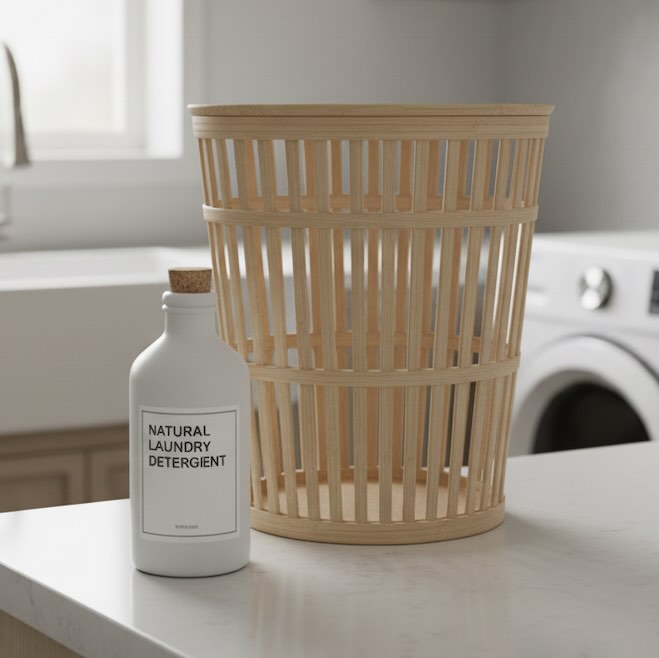
See how this simple homemade laundry soap recipe saves money while eliminating toxic chemicals from your family's clothes and bedding.
Tchiki Davis, M.A., Ph.D.
*This post may contain affiliate links. If you click and make a purchase, we may earn a small commission at no extra cost to you.
Your laundry detergent touches your skin 24 hours a day through your clothes, sheets, and towels. Commercial detergents are loaded with synthetic fragrances, optical brighteners, and harsh chemicals that remain in fabric fibers even after washing. These residues contact your skin constantly, potentially causing irritation, allergic reactions, and long-term health concerns.
The "clean" scent of conventional detergent is actually a cocktail of undisclosed chemicals that you're breathing and absorbing all day long.
Making your own homemade laundry soap recipe gives you complete control over what touches your family's skin. This DIY formula uses just three simple, natural ingredients that effectively clean clothes without synthetic additives. You'll save significant money compared to store-bought options while eliminating mysterious chemicals from your daily life. The process takes about 15 minutes and produces enough detergent for months of washing. Whether you're motivated by health concerns, budget considerations, or environmental values, creating your own laundry soap is surprisingly easy and incredibly rewarding. Let's explore this simple formula that transforms how you think about cleaning your family's clothes.
The basic homemade laundry soap recipe contains three key ingredients: washing soda, borax, and bar soap. Each component serves a specific cleaning function based on chemistry principles. Washing soda (sodium carbonate) is a natural alkali that softens water and helps lift dirt and oils from fabric fibers. It raises water's pH level, making other cleaning agents more effective.
Borax (sodium borate) is a naturally occurring mineral that boosts cleaning power and acts as a natural disinfectant. It helps remove stains and odors while softening hard water minerals that can make clothes feel stiff. Borax also provides mild bleaching action without harsh chlorine compounds found in commercial products.
The mechanism behind this DIY laundry soap formula relies on saponification and alkaline cleaning. Bar soap (usually Castile or Fels-Naptha) provides surfactants that reduce water's surface tension. This allows water to penetrate fabric fibers and surround dirt particles, lifting them away during the wash cycle.
When combined, these three ingredients create a powerful yet gentle cleaning system. The washing soda breaks down oils and grease. The borax tackles tough stains and bacteria. The soap surrounds dirt particles so water can carry them away. This synergy delivers cleaning results comparable to commercial detergents.
Understanding the science of homemade laundry soap helps you appreciate why this simple formula works so well. Unlike commercial detergents with dozens of synthetic ingredients, this recipe uses straightforward chemistry. There are no optical brighteners that trick your eyes into seeing "cleaner" clothes while leaving chemical residues.
The natural ingredients in this DIY formula biodegrade completely. They don't persist in waterways or accumulate in your body. You're harnessing basic cleaning chemistry that humans have used for generations, enhanced with modern understanding of water chemistry and stain removal.
Users on Reddit and DIY forums consistently report excellent results with homemade laundry soap recipes. Many describe being skeptical at first but pleasantly surprised by how well clothes come out. Fabrics feel clean and soft without synthetic fabric softener. Colors stay vibrant, and whites remain bright through regular use of this DIY formula.
One Reddit user shared that they've used homemade laundry soap for five years without any issues. Their family includes active kids with grass stains and mud-splattered clothes. The natural formula handles these tough cleaning challenges effectively. Another reviewer mentioned that their sensitive skin improved after switching from commercial detergent to this DIY option.
Performance reviews often focus on specific laundry challenges. Users report that this homemade laundry soap recipe works well on everyday dirt, sweat, and most food stains. Pre-treating tough spots with a paste of the powdered formula helps with stubborn marks. The soap effectively removes odors from workout clothes and towels.
Some users note that very cold water requires longer dissolution time. Running a hot water cycle occasionally or using warm water helps the powder fully dissolve. Most reviewers find that adjusting the amount based on load size and water hardness optimizes results with this DIY formula.
The immediate result people notice is the absence of artificial fragrance. Clothes smell genuinely clean—like nothing at all. This takes adjustment if you're used to heavily scented commercial detergents. Many users come to prefer this neutral scent, realizing that "clean" shouldn't have a strong smell.
Fabrics feel noticeably softer with homemade laundry soap compared to some commercial brands. This happens because you're not coating fibers with synthetic chemicals and optical brighteners. The natural formula cleans without leaving residue that stiffens fabric. Towels become more absorbent without fabric softener chemicals blocking fibers.
After months of use, many people report their washing machine seems cleaner. Commercial detergents often leave buildup in machines over time. This DIY laundry soap formula doesn't create the same residue problems. Your washer and clothes both benefit from the simpler, cleaner ingredients.

The safety promise of homemade laundry soap centers on ingredient transparency and natural composition. You know exactly what goes into this DIY formula because you mix it yourself. There are no hidden synthetic fragrances, optical brighteners, or preservatives. The three core ingredients—washing soda, borax, and natural bar soap—have been used safely in homes for over a century.
This natural laundry soap eliminates exposure to concerning chemicals found in commercial products. Conventional detergents contain surfactants like 1,4-dioxane, which is a probable carcinogen. They include synthetic fragrances with phthalates that disrupt hormones. Optical brighteners coat fabric with chemicals that make clothes appear whiter while causing skin irritation for many people.
Some people question borax safety in homemade laundry soap recipes. It's important to understand that borax is significantly different from boric acid. Borax (sodium borate) has a much lower toxicity profile. The Environmental Working Group rates it as having low health concerns when used in cleaning products.
The amount of borax in DIY laundry soap is minimal—typically one cup in a batch that makes 40-60 loads. The concentration in wash water is extremely diluted. Borax rinses away completely during cycles. You're exposed to far less than if you were handling it directly, and it doesn't remain in fabric.
While this homemade laundry soap formula is natural, it still requires safe handling. Washing soda is alkaline and can irritate skin during mixing. Wear gloves when making large batches. Keep the powder away from children and pets just as you would any cleaning product.
The clean ingredients in this DIY formula break down completely in water systems. They don't accumulate in the environment or persist in your body. This represents a significant safety advantage over synthetic detergents that contain persistent chemicals.
Choose high-quality, pure ingredients for your homemade laundry soap recipe. Look for 20 Mule Team Borax and Arm & Hammer Super Washing Soda, which are widely available and reliably pure. For bar soap, Castile soap made from olive oil provides the cleanest option. Fels-Naptha is another popular choice, though it contains some synthetic ingredients.
Parents often choose homemade laundry soap recipes specifically to protect children from chemical exposures. Kids' clothes, blankets, and bedding should be washed in the gentlest, safest products possible. Commercial detergents with synthetic fragrances and optical brighteners can irritate sensitive young skin. This DIY formula offers a gentler alternative for family laundry needs.
Children with eczema, allergies, or asthma often show dramatic improvement when families switch to natural laundry soap. The absence of synthetic fragrances eliminates a major trigger for respiratory and skin reactions. Parents report fewer nighttime coughs and clearer skin after transitioning to this homemade option.
Washing baby clothes in homemade laundry soap provides peace of mind about what touches delicate skin. Newborns and infants spend most of their time against fabric surfaces. Chemical residues from conventional detergents can cause diaper rash, cradle cap, and general skin irritation in babies.
This DIY laundry soap formula is gentle enough for the tiniest clothes and most sensitive skin. The natural ingredients don't include the harsh surfactants and synthetic additives that commonly cause reactions. Many parents use this recipe from day one with their newborns.
Making homemade laundry soap can be a family activity for older children. Kids enjoy measuring ingredients and mixing the formula. This teaches basic chemistry, math skills, and household responsibility. It's an educational opportunity to discuss natural ingredients versus synthetic chemicals.
The relatively non-toxic nature of the ingredients makes this a safer DIY project than many household tasks. While you should still supervise children, the simple recipe doesn't involve complex processes or highly dangerous materials. It's an accessible introduction to making your own household products.
Pregnant and nursing mothers should minimize exposure to hormone-disrupting chemicals. Commercial laundry detergents contain phthalates in synthetic fragrances that can affect fetal development. Switching to homemade laundry soap eliminates this concern during vulnerable periods.
The simple, natural ingredients won't transfer through breast milk or affect developing babies. This DIY formula gives expecting and new mothers one less thing to worry about during important life stages.

The cost advantage of homemade laundry soap is substantial. A basic batch costs approximately $5-7 to make and provides 40-60 loads of laundry. That's roughly $0.10-$0.15 per load compared to $0.25-$0.50 for commercial detergents. Over a year, this DIY formula saves families $50-150 depending on laundry frequency.
Initial ingredient purchases require a modest investment of $15-20. You'll buy a box of borax ($5), a box of washing soda ($4), and several bars of soap ($6-10). These quantities make multiple batches of laundry soap. The per-batch cost drops significantly after your first purchase.
You can find homemade laundry soap recipe ingredients at most grocery stores, Target, or Walmart. Borax and washing soda are typically in the laundry aisle. Castile bars might be in the natural products section. Amazon offers all ingredients with convenient delivery, often at competitive prices.
Buying in bulk reduces costs further. Purchasing larger boxes of washing soda and borax through wholesale clubs or online retailers brings per-batch costs down. The long shelf life of these ingredients means bulk buying doesn't create waste concerns.
Making homemade laundry soap takes about 15 minutes per batch. Some people question whether the time investment justifies the savings. Consider that 15 minutes produces 2-3 months of detergent for most families. That's extremely efficient use of your time for the money saved.
The process becomes faster with experience. Once you've made a few batches, you can complete the task quickly while doing other kitchen activities. Many people enjoy the meditative aspect of creating their own household products.
The cumulative savings from this DIY laundry soap formula add up significantly. A family doing 8 loads per week saves roughly $100 annually compared to mid-range commercial detergents. Over five years, that's $500 saved while reducing chemical exposure and environmental impact.
When comparing homemade laundry soap to commercial brands like Tide or Seventh Generation, several key differences emerge. This DIY formula costs significantly less—about one-third the price per load of name brands. You control every ingredient rather than trusting manufacturer claims about "natural" or "gentle" formulas that may still contain synthetic additives.
Commercial detergents offer convenience through pre-measured pods and readily available options. They typically include more sophisticated enzyme blends for targeted stain removal. However, these benefits come with higher costs and exposure to unnecessary chemicals. The best DIY laundry soap matches cleaning performance for everyday laundry needs.
Seventh Generation is a popular natural commercial detergent that costs $0.35-$0.50 per load. While it eliminates some concerning ingredients found in conventional brands, it still contains synthetic surfactants and preservatives. The homemade laundry soap recipe offers comparable cleaning with simpler, more transparent ingredients at one-third the cost.
Users who've switched from Seventh Generation report satisfaction with DIY formula results. The main trade-off is convenience—scooping powder takes slightly more effort than pre-measured pods. For many families, the savings and complete ingredient control justify this minor inconvenience.
Tide Pods represent maximum convenience but come with significant drawbacks. They cost $0.40-$0.60 per load and contain numerous synthetic chemicals. The bright colors and candy-like appearance create safety risks for young children. Thousands of accidental poisonings have occurred with laundry pods.
Homemade laundry soap eliminates these concerns while delivering effective cleaning. The natural formula won't poison children who accidentally ingest it. You adjust amounts based on load size rather than being locked into pre-measured doses. The DIY approach offers more flexibility at lower cost.
The main advantage commercial detergents hold is convenience. You buy a bottle, toss in a scoop or pod, and you're done. Making your own requires initial time investment and ongoing storage space for ingredients.
However, many families find that batching several months of laundry soap at once minimizes inconvenience. The process becomes routine and even enjoyable. The satisfaction of self-sufficiency and the substantial cost savings make this DIY formula worthwhile for most households.

Homemade laundry soap offers compelling advantages for health-conscious, budget-minded families. This DIY formula eliminates synthetic fragrances, optical brighteners, and other concerning chemicals found in commercial detergents. You'll save significant money—$50-150 annually for most households. The simple recipe requires minimal time investment and uses readily available natural ingredients.
The cleaning performance matches commercial detergents for everyday laundry needs. Clothes come out fresh, soft, and truly clean without chemical residues. Your family reduces toxic exposure through items that contact skin 24/7. The environmental benefits are substantial, with completely biodegradable ingredients that don't pollute water systems.
The DIY laundry soap formula provides complete ingredient transparency. You know exactly what touches your family's clothes because you mixed it yourself. The cost savings are substantial and immediate. A single batch costing $5-7 replaces $15-30 worth of commercial detergent.
Health benefits include reduced skin irritation, fewer respiratory issues, and elimination of hormone-disrupting chemicals. The natural ingredients are safe for babies, children, and people with sensitive skin. Many users report improvements in eczema and allergies after switching to this homemade option.
Making homemade laundry soap requires time and effort that buying commercial products doesn't. You need storage space for ingredients and finished product. The powder format requires measuring rather than tossing in a convenient pod.
Some users find the lack of fragrance takes adjustment. If you're accustomed to heavily scented laundry, truly clean clothes might smell "like nothing" initially. Very tough stains may require pre-treatment or additional stain removers beyond the basic formula.
For most families, making homemade laundry soap is absolutely worthwhile. Start with a single batch to test the formula with your water conditions and preferences. Use one tablespoon per regular load, adjusting for load size and soil level. Dissolve the powder in hot water first if you wash in cold water.
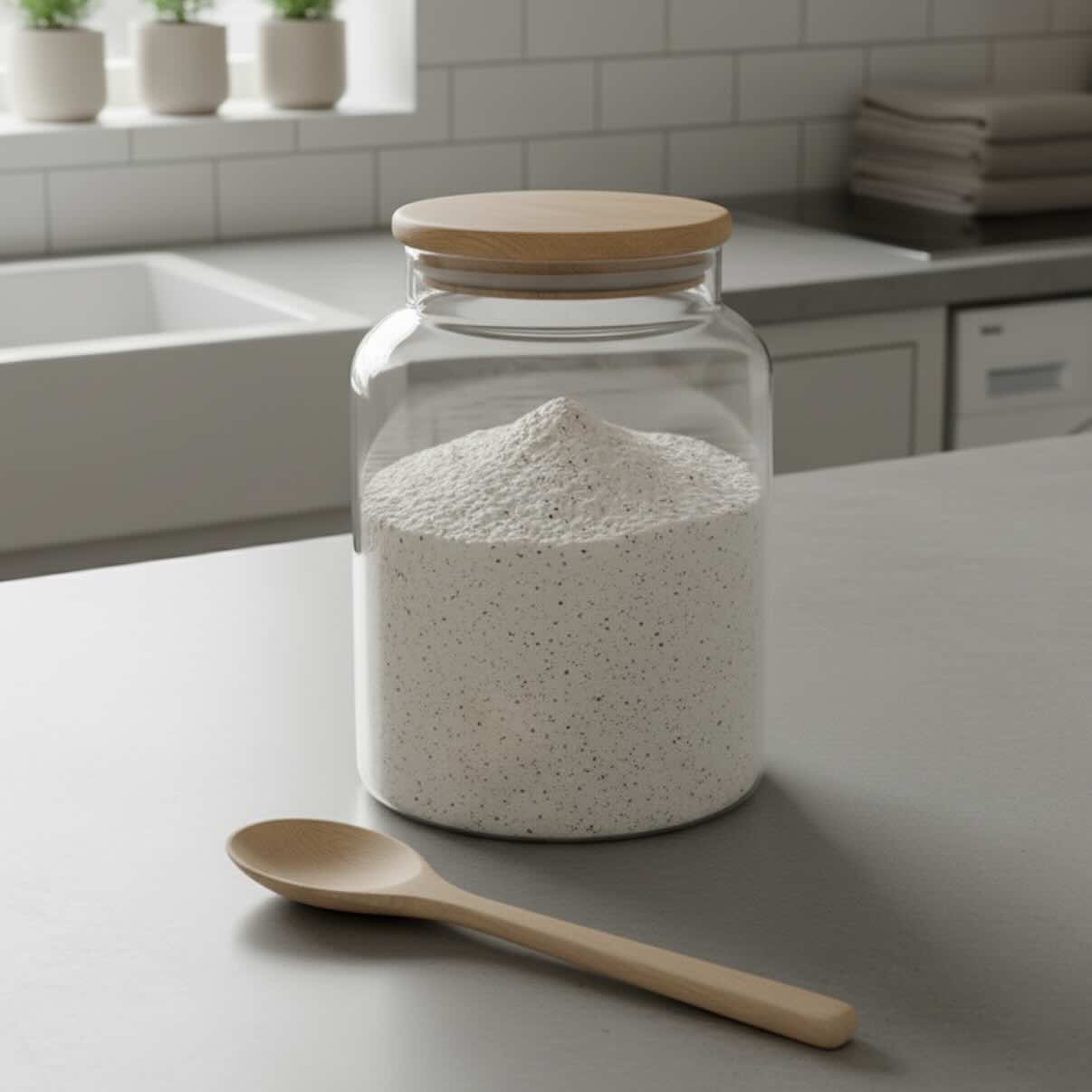
The simple recipe consists of one cup washing soda, one cup borax, and one finely grated bar of Castile or Fels-Naptha soap. Mix thoroughly and store in an airtight container. This produces 40-60 loads of natural, effective laundry soap.
The combination of health benefits, cost savings, and environmental responsibility makes this DIY formula a clear winner. Your family deserves clean clothes without hidden chemicals. This homemade laundry soap recipe delivers exactly that while saving money and reducing your toxic burden. Give it a try—you'll wonder why you didn't make the switch sooner.
* AI Disclosure: This article was developed with the assistance of AI language models, which aided in research, drafting, and/or editing. We strive for accuracy, but AI-generated content can occasionally contain errors. We recommend you double-check and verify information before making decisions based on this content.