Learn how hydrogen peroxide stain remover tackles tough messes naturally.
Tchiki Davis, M.A., Ph.D.
*This post may contain affiliate links. If you click and make a purchase, we may earn a small commission at no extra cost to you.
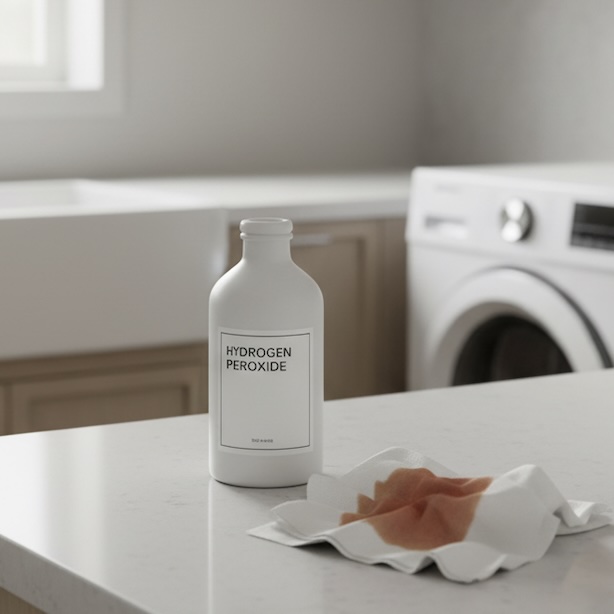
You've probably noticed how many conventional stain removers come loaded with harsh chemicals that leave you questioning what you're bringing into your home. When you're trying to live a cleaner, more toxin-conscious lifestyle, every product choice matters. That's where hydrogen peroxide stain remover enters the picture as a surprisingly effective alternative. This simple household staple has been quietly working wonders in laundries and on surfaces for generations.
What makes hydrogen peroxide stand out as a cleaning solution is its dual nature: powerful enough to break down stubborn stains, yet gentle enough that it breaks down into just water and oxygen. You don't need a chemistry degree to appreciate that simplicity. Whether you're dealing with blood, wine, or grass stains, this peroxide-based cleaning hack offers a practical way to tackle messes without filling your home with synthetic fragrances or questionable additives. Let's explore how this accessible solution can transform your cleaning routine while supporting your health-conscious goals.
Hydrogen peroxide functions as an oxidizing agent, which means it releases oxygen molecules when it contacts organic materials. These oxygen molecules break apart the chemical bonds in stain-causing compounds, essentially dismantling them at a molecular level. This is the core science behind why hydrogen peroxide stain remover works so effectively on biological stains like blood, sweat, and food residues.
When you apply this peroxide cleaning solution to a stained fabric, you're triggering a chemical reaction. The hydrogen peroxide (H2O2) decomposes into water (H2O) and oxygen (O2), and during this process, it oxidizes the pigment molecules that create the visible stain. Unlike chlorine bleach, which uses harsh chlorine compounds, hydrogen peroxide achieves similar whitening and stain-lifting results through a gentler oxidation mechanism.
The beauty of using hydrogen peroxide as a stain removal agent lies in its minimal ingredient profile. Medical-grade or household hydrogen peroxide typically contains just two components: hydrogen peroxide and water. You won't find synthetic fragrances, optical brighteners, or petroleum-derived surfactants in pure hydrogen peroxide stain remover formulations.
Key benefits of hydrogen peroxide's simple composition include:
This peroxide-based cleaner works particularly well on protein-based stains because proteins are especially susceptible to oxidation. When you're treating grass stains, wine spills, or makeup marks, the oxidizing action of hydrogen peroxide breaks down these complex organic molecules into smaller, colorless compounds.
Standard household hydrogen peroxide stain remover solutions typically come in 3% concentrations. This percentage strikes an ideal balance between effectiveness and safety for home use. Higher concentrations exist for industrial applications, but they require careful handling and aren't necessary for typical household stain removal needs.
The 3% solution provides enough oxidizing power to tackle most common stains while remaining safe to use on various fabric types. When you use this peroxide cleaning hack, you're working with a concentration that won't damage most colorfast fabrics. However, always test on an inconspicuous area first, especially with delicate or dark-colored materials.

When you actually put hydrogen peroxide stain remover to the test, the results can be quite impressive. Reddit users frequently share their experiences with this peroxide cleaning solution, particularly praising its effectiveness on blood stains. One user described how hydrogen peroxide "fizzed up white bubbles and completely removed a blood stain that had been there for hours."
Amazon reviews of hydrogen peroxide products (sold as cleaning aids) consistently highlight their performance on whites and light-colored fabrics. You'll notice that the bubbling action provides immediate visual feedback—those fizzing bubbles indicate the oxidation process is actively breaking down the stain. This peroxide-based remover doesn't require extensive scrubbing in most cases.
The effectiveness of hydrogen peroxide as a stain removal agent varies depending on what you're treating. Blood stains respond exceptionally well because hydrogen peroxide breaks down the iron-containing hemoglobin molecules. You'll see the stain lighten significantly within minutes of application.
Performance ratings based on user experiences:
Wine stains also respond favorably to this peroxide cleaning hack. The anthocyanins that give red wine its color are susceptible to oxidation, making hydrogen peroxide an effective choice. However, you'll achieve better results if you treat wine stains quickly rather than letting them set.
Unlike thick gel-based stain removers, hydrogen peroxide stain remover solutions have a thin, water-like consistency. This liquid texture allows it to penetrate fabric fibers quickly, reaching deep into the material where stains hide. You can pour it directly onto stains or spray it using a bottle attachment.
The application process feels straightforward and non-messy. You won't experience the sticky residue that some commercial peroxide-based cleaners leave behind. The solution soaks in quickly, and you can watch the bubbling action as it works. This visual confirmation provides reassurance that the stain removal process is actively happening.
Most users report seeing initial results within five to ten minutes of applying hydrogen peroxide stain remover. The peroxide cleaning solution begins working immediately upon contact, though some stubborn stains benefit from a longer soaking period. For set-in stains, you might need to apply the treatment multiple times.
After washing, fabrics treated with this peroxide-based remover typically come out clean without any lingering odors. This contrasts sharply with some commercial stain removers that leave behind heavy fragrances. Your clothes smell fresh and clean—or more accurately, they smell like nothing, which is exactly what you want.

Hydrogen peroxide stain remover, when used in standard household concentrations, is considered relatively safe compared to many conventional cleaning products. The 3% solution you'll find in stores breaks down into water and oxygen—two completely non-toxic substances. This peroxide cleaning solution doesn't leave behind harmful residues that could transfer to your skin or be inhaled.
However, "non-toxic" doesn't mean "without precautions." Even this gentler peroxide-based cleaner requires responsible handling. At 3% concentration, hydrogen peroxide can cause skin irritation with prolonged contact and eye irritation if splashed. The oxidizing properties that make it effective on stains can also affect your skin tissue if you're not careful.
You'll sometimes see hydrogen peroxide described as a "chemical-free" or "natural" cleaning solution. Let's clarify this language: hydrogen peroxide is absolutely a chemical compound (H2O2). What people typically mean when they call this peroxide stain remover "chemical-free" is that it's free from synthetic additives and harsh industrial chemicals.
What hydrogen peroxide cleaning solutions typically lack:
The distinction matters because hydrogen peroxide does occur naturally in small amounts in rainwater and living cells. Your own body produces small quantities of hydrogen peroxide as part of normal cellular function. This peroxide-based solution is fundamentally different from cleaners built on entirely synthetic chemical platforms.
When you line up hydrogen peroxide stain remover against typical commercial stain removers, the toxicity profile looks considerably better. Many conventional products contain optical brighteners (which can cause skin sensitivity), synthetic fragrances (linked to respiratory irritation), and surfactants derived from petroleum. This peroxide cleaning hack eliminates those concerns entirely.
Chlorine bleach, a common alternative stain remover, produces far more concerning fumes. The chlorine gas released during bleach use can irritate your respiratory system, especially in poorly ventilated spaces. Hydrogen peroxide doesn't produce these same harsh fumes, making it a genuinely cleaner-air option for your home.
The safety of your hydrogen peroxide stain remover depends partly on proper storage. This peroxide-based solution should be kept in its original brown or opaque bottle because light causes hydrogen peroxide to decompose more quickly. Store it in a cool, dry place away from children and pets.
When using hydrogen peroxide as a cleaning solution, wear gloves if you have sensitive skin or if you're treating large areas. While brief skin contact with 3% hydrogen peroxide typically causes no issues, extended exposure can lead to temporary whitening or mild irritation. Rinse your hands thoroughly if contact occurs during your stain removal process.
When you have kids in the house, every cleaning product requires extra scrutiny. Hydrogen peroxide stain remover, in its standard 3% household concentration, presents significantly fewer risks than many alternatives. That said, it's not something you want children handling independently or ingesting. This peroxide cleaning solution should remain stored securely, just like any other household cleaner.
The advantage of hydrogen peroxide as a stain removal agent becomes clear when children come into contact with treated fabrics. Unlike products that leave persistent chemical residues, this peroxide-based cleaner breaks down completely. Once the fabric dries after washing, there's essentially nothing left that could irritate your child's skin or be absorbed.
Pregnant women often become more conscious about chemical exposures, and rightfully so. Hydrogen peroxide stain remover offers a reassuring option during pregnancy because it doesn't produce the harsh fumes associated with chlorine bleach or ammonia-based cleaners. This peroxide cleaning hack allows you to tackle laundry stains without inhaling problematic vapors.
Pregnancy-safe practices with hydrogen peroxide include:
The oxidation process that makes this peroxide-based solution effective happens on the fabric, not in the air around you. You won't experience the respiratory irritation that can occur with harsher stain removers. This makes hydrogen peroxide particularly appealing during pregnancy when sensitivities to smells and chemicals often increase.
Not all ingredients are equally toxic, and it helps to understand where hydrogen peroxide falls on that spectrum. Compared to truly hazardous substances found in some industrial cleaners, hydrogen peroxide stain remover sits on the safer end. However, compared to plain water or vinegar, it does carry more potential for irritation.
Think of ingredient toxicity as a gradient rather than a simple toxic/non-toxic binary. This peroxide cleaning solution is relatively benign—especially compared to products containing quaternary ammonium compounds, synthetic musks, or phthalates. Those ingredients have demonstrated more concerning effects in research, including hormonal disruption and respiratory sensitization.
Your pets deserve the same health considerations as human family members. Hydrogen peroxide stain remover can be safely used around pets when you follow appropriate precautions. The key is ensuring treated fabrics are thoroughly rinsed and dried before pets come into contact with them. This peroxide-based cleaner shouldn't be applied directly to pet bedding without subsequent washing.
If you're using hydrogen peroxide to treat carpet stains or upholstery, make sure the area is completely dry before allowing pets back. Cats and dogs sometimes lick surfaces, and you don't want them ingesting hydrogen peroxide. The good news is that once this peroxide stain remover has done its work and dried, there's no lasting residue to worry about.

Hydrogen peroxide stain remover is remarkably affordable compared to specialized commercial stain removal products. A standard 16-ounce bottle of 3% hydrogen peroxide typically costs between $1 and $3 at most drugstores or supermarkets. This peroxide cleaning solution represents one of the most budget-friendly options in the entire cleaning aisle.
When you compare this to branded stain removers that can cost $5 to $10 for similar-sized bottles, the value proposition becomes clear. You're getting effective stain removal capability at a fraction of the price. The simple formulation—just hydrogen peroxide and water—means you're not paying for marketing, fancy packaging, or synthetic fragrance compounds.
Let's break down the actual cost per use for hydrogen peroxide as a stain removal agent. If you purchase a 16-ounce bottle for $2 and use approximately one ounce per stain treatment, you're looking at roughly 12.5 cents per use. This peroxide-based cleaner goes a long way because you don't need large quantities.
Cost comparison for stain removal:
The economics improve further when you buy hydrogen peroxide in larger quantities. Some stores offer 32-ounce bottles that lower the per-ounce cost. This peroxide cleaning hack becomes even more economical at scale, making it ideal for households that do frequent laundry.
You'll find hydrogen peroxide stain remover widely available, which adds to its convenience and value. Every major drugstore chain (CVS, Walgreens, Rite Aid) stocks 3% hydrogen peroxide in their first aid sections. Grocery stores keep it alongside other home health supplies. This peroxide-based solution is also available at big-box retailers like Target and Walmart.
Online options expand your purchasing choices further. Amazon carries numerous brands of hydrogen peroxide, often with Subscribe & Save discounts that reduce the cost by an additional 5-15%. You can also find larger quantities through online retailers, which makes sense if you're committed to using this peroxide cleaning solution regularly.
The shelf life of hydrogen peroxide stain remover affects its long-term value. Unopened bottles typically remain effective for about three years, while opened bottles maintain potency for approximately six months when stored properly. This peroxide-based cleaner does lose effectiveness over time as it gradually breaks down into water and oxygen.
To maximize your investment, buy quantities you'll actually use within six months of opening. Store your hydrogen peroxide in a cool, dark place in its original container. The brown or opaque bottles protect the peroxide from light-induced degradation, preserving its stain removal capabilities.
If you become a committed user of hydrogen peroxide as a cleaning solution, consider bulk purchasing strategies. Some warehouse clubs sell hydrogen peroxide in multi-bottle packages at reduced per-unit prices. However, remember the six-month effectiveness window after opening when calculating whether bulk purchases make sense.
You might also invest in a spray bottle for easier application of this peroxide stain remover. A good-quality spray bottle costs $2-5 but makes the application process more convenient and helps you use the product more efficiently. This small upfront investment improves the overall value and usability of your peroxide cleaning hack.
Chlorine bleach has long been the go-to stain remover for many households, but how does it compare to hydrogen peroxide? Both are oxidizing agents, but they work through different chemical mechanisms. Chlorine bleach is more aggressive and effective on tough stains, but this power comes with significant drawbacks. This peroxide-based alternative offers a gentler approach.
Chlorine bleach produces harsh fumes that can irritate your respiratory system and eyes. If you've ever coughed while cleaning with bleach, you've experienced this firsthand. Hydrogen peroxide stain remover doesn't create these same problematic vapors, making it safer for indoor use. This peroxide cleaning solution also breaks down into harmless water and oxygen, while chlorine bleach can create harmful byproducts.
Key differences in the bleach comparison:
The major limitation of hydrogen peroxide as a stain removal agent is that it's less effective than bleach on certain stubborn stains. For heavily soiled whites or mildew stains, chlorine bleach may still outperform this peroxide-based cleaner. However, for routine stain removal, hydrogen peroxide offers sufficient power without the harsh trade-offs.
Oxygen bleach products like OxiClean contain sodium percarbonate, which releases hydrogen peroxide when dissolved in water. So you might wonder: isn't this essentially the same as using hydrogen peroxide stain remover directly? The answer is nuanced. Both are peroxide cleaning solutions, but they differ in concentration and application.
Powdered oxygen bleach products create a higher concentration of hydrogen peroxide when mixed with water, typically resulting in a more powerful stain removal solution. They also include other ingredients like sodium carbonate (washing soda) that boost cleaning power. Plain hydrogen peroxide is more straightforward—no mixing required, but potentially less powerful on tough stains.
The price comparison favors hydrogen peroxide for small, targeted stain treatments. A bottle of hydrogen peroxide costs less than a container of oxygen bleach powder and works perfectly for spot-treating individual stains. However, for soaking entire loads of laundry, oxygen bleach might prove more economical. Consider this peroxide-based cleaner your precision tool and oxygen bleach your heavy-duty option.
Walk down the laundry aisle and you'll see dozens of commercial spray stain removers promising miraculous results. Products like Shout, Spray 'n Wash, and OxiClean MaxForce contain proprietary blends of surfactants, enzymes, and sometimes hydrogen peroxide itself. How does plain hydrogen peroxide stain remover compare to these specialized formulations?
Commercial stain removers have the advantage of multi-ingredient formulas designed for specific stain types. The surfactants help lift oily stains that hydrogen peroxide alone struggles with. Enzyme-based ingredients target protein stains. However, these additional ingredients also mean more synthetic chemicals in your home. This peroxide cleaning hack keeps things simple and clean.
Comparing effectiveness across stain types:
For health-conscious households, the ingredient simplicity of hydrogen peroxide as a stain removal agent wins out. You know exactly what you're using—hydrogen peroxide and water. Commercial products rarely disclose complete ingredient lists, making it difficult to assess potential health impacts. This transparency matters when you're trying to reduce toxin exposure.
Some people prefer using completely natural stain removers like white vinegar, lemon juice, or baking soda. These natural options certainly have their place, but how do they stack up against hydrogen peroxide? Let's examine this comparison, keeping in mind that hydrogen peroxide, while produced commercially, does occur naturally and breaks down into natural components.
Vinegar works well as a general cleaner and mild stain remover, particularly for mineral deposits and soap scum. However, it's less effective than hydrogen peroxide stain remover on organic stains like blood or wine. Lemon juice has natural bleaching properties from citric acid, but its effectiveness varies with lemon freshness. This peroxide-based solution offers more consistent results.
Baking soda serves as an excellent abrasive and deodorizer but lacks the oxidizing power needed for serious stain removal. Many people combine baking soda with hydrogen peroxide to create a paste that benefits from both the peroxide's oxidizing action and baking soda's gentle scrubbing properties. This combination creates an enhanced peroxide cleaning solution.

Hydrogen peroxide stain remover stands out as one of the most practical cleaning hacks for health-conscious households. The simplicity of its formulation—just hydrogen peroxide and water—means you're not introducing questionable synthetic chemicals into your living space. This peroxide-based cleaner breaks down completely into water and oxygen, leaving no persistent residues on your fabrics or in your home environment.
The affordability factor cannot be overstated. At $1-3 per bottle, hydrogen peroxide represents exceptional value for effective stain removal capability. You're getting professional-grade oxidizing power at drugstore prices. This peroxide cleaning solution works on the stain types you encounter most frequently: blood, wine, grass, and food stains all respond well to treatment.
Key strengths of hydrogen peroxide stain remover:
The versatility of this peroxide-based cleaner extends beyond fabric stains. You can use hydrogen peroxide for cleaning countertops, whitening grout, and even sanitizing surfaces. This multi-purpose functionality increases its value proposition. One product serves multiple cleaning needs throughout your home, reducing the number of different cleaners you need to purchase and store.
No product is perfect, and hydrogen peroxide stain remover has limitations you should understand. Its effectiveness on oil-based stains is mediocre at best. If you're dealing with grease, motor oil, or heavy makeup stains, you'll likely need to combine this peroxide cleaning solution with a degreasing agent like dish soap or use a different product entirely.
The shelf life issue presents a practical challenge. Once opened, hydrogen peroxide gradually loses potency over approximately six months. If you only occasionally treat stains, you might find yourself with bottles of weakened solution that no longer deliver optimal results. This degradation doesn't happen with many commercial stain removers that include stabilizing ingredients.
Hydrogen peroxide can bleach or lighten colored fabrics, particularly dark colors or non-colorfast materials. While this peroxide-based cleaner is gentler than chlorine bleach, you still need to test it on inconspicuous areas before treating visible spots on colored clothing. Some delicate fabrics simply aren't compatible with hydrogen peroxide stain removal techniques.
Hydrogen peroxide stain remover is ideal for households prioritizing ingredient transparency and minimal chemical exposure. If you're someone who reads labels carefully and questions what goes into commercial cleaning products, this peroxide cleaning hack aligns perfectly with your values. You want effective cleaning power without compromising on your health-conscious principles.
Families with young children benefit particularly from hydrogen peroxide as a stain removal agent. The product's safety profile—especially its lack of harsh fumes and complete breakdown into water and oxygen—makes it appropriate for homes where kids might come into contact with treated surfaces. This peroxide-based solution won't leave concerning residues on clothing or bedding.
Budget-conscious consumers should absolutely consider hydrogen peroxide stain remover as their primary option. The exceptional cost-effectiveness makes it accessible to everyone, regardless of financial constraints. You don't have to sacrifice cleaning performance to stay within budget when this powerful peroxide cleaning solution costs just a few dollars.
To get the best results from hydrogen peroxide stain remover, treat stains as quickly as possible. The oxidizing action of this peroxide-based cleaner works more effectively on fresh stains than set-in ones. Keep a bottle in your laundry room for immediate treatment when stains occur. For protein-based stains like blood, rinse with cold water first, then apply hydrogen peroxide.
Consider combining hydrogen peroxide with other safe ingredients for enhanced stain removal capability. A mixture of hydrogen peroxide and baking soda creates a powerful paste for tough stains. Alternatively, pre-treat stains with a bit of dish soap before applying this peroxide cleaning solution to improve results on oily stains.
Store your hydrogen peroxide properly to maximize its shelf life and effectiveness. Keep it in the original brown or opaque container, away from light and heat. Write the opening date on the bottle so you know when it's time to replace it. These simple practices ensure your peroxide stain remover maintains its full oxidizing power.
Hydrogen peroxide stain remover deserves a permanent place in your cleaning arsenal. Its combination of effectiveness, affordability, and safety makes it a standout choice for health-conscious households. While it won't replace every specialized cleaning product in your home, this peroxide-based cleaner handles the majority of common stains you'll encounter with impressive results.
The peace of mind that comes from using a simple, transparent cleaning solution shouldn't be underestimated. When you choose hydrogen peroxide as your stain removal agent, you're making a deliberate decision to reduce chemical complexity in your home. This peroxide cleaning hack proves that effective cleaning doesn't require complicated formulations or questionable ingredients—sometimes the simplest solutions really are the best.
* AI Disclosure: This article was developed with the assistance of AI language models, which aided in research, drafting, and/or editing. We strive for accuracy, but AI-generated content can occasionally contain errors. We recommend you double-check and verify information before making decisions based on this content.