Explore the ultimate guide to natural keto pasta—proven low-carb substitutes that deliver instant satisfaction without toxic ingredients.
Tchiki Davis, M.A., Ph.D.
*This post may contain affiliate links. If you click and make a purchase, we may earn a small commission at no extra cost to you.
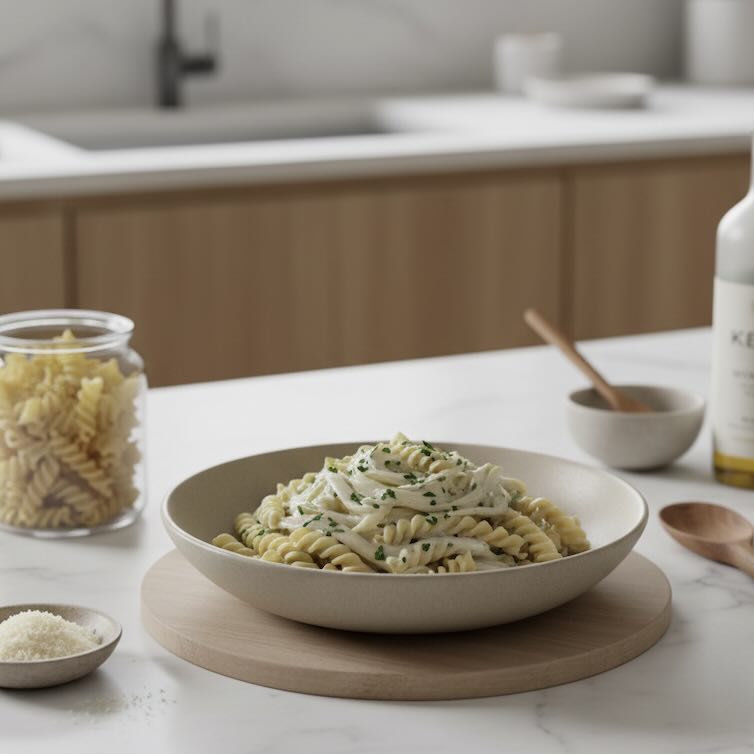
Traditional pasta is comfort food for millions, but it comes with a serious downside: it's loaded with refined carbohydrates that spike blood sugar, trigger inflammation, and kick you out of ketosis. A single serving of regular spaghetti contains 40+ grams of carbs—more than most people following a ketogenic diet consume in an entire day. For those committed to low-carb eating, giving up pasta can feel like one of the biggest sacrifices. The texture, versatility, and satisfaction of twirling noodles around a fork seems irreplaceable.
Fortunately, keto pasta alternatives have evolved far beyond the sad, soggy substitutes of the past. Today's natural, non-toxic options deliver surprisingly authentic texture and flavor while keeping net carbs under 5 grams per serving. From vegetable-based noodles to innovative low-carb recipes using almond flour and konjac root, you have numerous choices that support your health goals. These substitutes let you enjoy beloved pasta dishes—carbonara, marinara, alfredo—without derailing ketosis or compromising on ingredient quality. This comprehensive guide explores the best keto pasta options available, including homemade recipes and store-bought alternatives. You'll discover how these low-carb substitutes work, which ones taste best, and how to incorporate them into your clean-eating lifestyle without any toxic additives or questionable ingredients.
The science behind keto pasta centers on replacing wheat flour's high-carb structure with low-carb alternatives that mimic texture and functionality. Traditional pasta derives its structure from gluten, which creates elasticity and chewiness. Low-carb substitutes achieve similar results through different mechanisms—some use vegetable fibers, others rely on protein networks, and some employ soluble fibers that create pasta-like texture without digestible carbs.
Shirataki noodles, made from konjac root, contain glucomannan—a soluble fiber that's virtually carb-free. This fiber absorbs water and creates a noodle-like structure without being broken down into glucose. The mechanism works because glucomannan passes through your digestive system largely intact. Other keto pasta options use almond flour or coconut flour, where fat and protein replace the starchy carbohydrates found in wheat.
Almond flour-based keto pasta works through a completely different mechanism than wheat pasta. Instead of gluten providing structure, protein and fat create a dough-like consistency when combined with eggs and binding agents. The science shows that almond flour contains approximately 24 grams of fat, 21 grams of protein, and only 6 grams of net carbs per cup. This macronutrient profile makes it ideal for low-carb recipes.
Coconut flour absorbs enormous amounts of liquid—up to 6 times its weight—creating structure through hydration rather than gluten development. Understanding how these natural ingredients work helps you choose the right keto pasta substitute for different dishes. Almond-based options tend to be richer and more pasta-like, while coconut flour versions are lighter and slightly sweeter.
Zucchini noodles (zoodles) and other vegetable-based keto pasta alternatives work simply—they're actual vegetables cut into noodle shapes. The science here is straightforward: you're replacing grain-based carbs with fiber-rich, nutrient-dense vegetables. Zucchini contains only 3 grams of net carbs per cup, compared to 40+ grams in regular pasta. The substitution dramatically reduces carbohydrate intake while increasing vitamin, mineral, and antioxidant consumption.
The texture mechanism differs from traditional pasta—vegetables don't have gluten elasticity. However, proper preparation techniques create satisfying results. Spiralizing, julienning, or using specialized cutters transforms vegetables into noodle shapes. Light cooking preserves some firmness, mimicking al dente pasta texture. These natural, non-toxic substitutes prove that low-carb eating doesn't require processed ingredients or complicated chemistry.
Brands like Palmini and Miracle Noodle developed innovative keto pasta products using natural ingredients and smart processing. Palmini uses hearts of palm, which naturally grow in noodle-like cylindrical shapes. The mechanism involves simply cutting and packaging this low-carb vegetable. Hearts of palm contain only 3-4 grams of net carbs per serving while providing a remarkably pasta-like texture.
Commercially produced shirataki noodles employ traditional Japanese techniques refined over centuries. The konjac plant's glucomannan fiber is extracted, formed into noodles, and packaged in water to maintain texture. Understanding how these natural keto pasta products work helps you appreciate that effective low-carb substitutes don't require synthetic ingredients or laboratory chemistry—just clever application of natural food science.
Palmini hearts of palm pasta receives consistent 4+ star ratings on Amazon, with customers praising the authentic texture. One verified reviewer described it as "shockingly similar to regular pasta" when prepared properly. Users emphasize the importance of rinsing thoroughly and pan-frying briefly to remove any vegetable taste. The natural keto pasta delivers satisfying results when treated as its own ingredient rather than expecting it to taste identical to wheat pasta.
Miracle Noodle shirataki products show similar ratings, with mixed feedback on initial smell and texture. Reviewers who follow preparation instructions—rinsing well, dry-frying before saucing—report excellent results. One customer mentioned using these low-carb noodles 2-3 times weekly for over a year with consistent satisfaction. The taste is neutral, making them versatile for various sauces and seasonings. These real-world reviews confirm that keto pasta alternatives can successfully replace traditional options.
Reddit's r/keto community extensively discusses pasta alternatives, with zucchini noodles consistently mentioned as favorites. Users appreciate the fresh taste and natural texture of zoodles, especially when prepared properly—spiralized, lightly salted to remove excess moisture, and briefly sautéed. The performance in traditional pasta recipes gets high marks. Community members emphasize that these natural substitutes work best when you embrace them as unique ingredients.
Heart of palm pasta generates enthusiastic discussions on Reddit, with users sharing preparation techniques that maximize taste and texture. The consensus shows that rinsing thoroughly, dry-frying for 5-10 minutes, then adding sauce creates the best results. Shirataki noodles receive more mixed feedback—some people love them, others can't get past the texture. The keto pasta conversation reveals that personal preferences significantly impact satisfaction with different low-carb alternatives.
Making keto pasta from scratch using almond flour delivers impressive results when you follow proper techniques. The dough feels different from wheat pasta—less elastic, more crumbly initially. However, the addition of xanthan gum or psyllium husk powder creates surprising elasticity. Rolling thin and cutting into desired shapes produces noodles that cook up tender with pleasant chewiness. The taste is mildly nutty but adapts well to sauces.
Egg-based low-carb pasta recipes create noodles with authentic texture and flavor. Combining eggs with small amounts of almond or coconut flour, then rolling thin and cutting into fettuccine-style ribbons works beautifully. These natural keto pasta creations taste remarkably similar to fresh egg pasta. The slight extra effort of homemade preparation delivers superior results compared to some commercial alternatives, though convenience differs significantly.
The feel of keto pasta in your mouth varies considerably by type. Shirataki noodles have a slightly chewy, gelatinous texture that's unique—not quite like wheat pasta but satisfying once you adjust. Zucchini noodles offer a lighter, vegetable-forward bite with some crunch if you don't overcook them. The natural texture appeals to people who appreciate vegetables rather than those seeking perfect pasta mimicry.
Almond flour-based low-carb pasta comes closest to traditional wheat pasta texture. The slight density and pleasant chewiness create familiar sensations. Hearts of palm substitutes fall somewhere between—firmer than zoodles but softer than almond-based versions. Understanding these texture differences helps set appropriate expectations. The taste and performance of keto pasta alternatives is excellent when you appreciate their unique qualities rather than demanding they identically replicate wheat pasta.

The best keto pasta options contain remarkably simple, natural ingredients. Zucchini noodles are literally just spiralized zucchini—one ingredient, zero processing. Hearts of palm pasta contains only hearts of palm and water. These natural substitutes are as clean as ingredients get. Shirataki noodles list konjac flour, water, and sometimes lime water (for texture)—all natural components with centuries of safe use in Asian cuisine.
Commercial almond flour-based low-carb pasta typically includes almond flour, eggs, xanthan gum, and salt. Xanthan gum, while processed, is a natural fermentation product that's been extensively safety-tested. Reading labels carefully ensures you're getting genuinely non-toxic options. Avoid products listing wheat flour, modified starches, or artificial additives. The cleanest keto pasta alternatives have ingredient lists you can understand completely.
Some commercial low-carb pasta products contain questionable ingredients disguised as "natural flavors" or preservatives. Soybean oil frequently appears in processed keto products—this highly refined seed oil promotes inflammation and oxidative stress. Truly natural keto pasta avoids all seed oils, using only olive oil, avocado oil, or no added fats. Reading labels vigilantly protects you from hidden toxic ingredients.
Artificial colors, flavors, and preservatives have no place in clean keto pasta. Some brands add spinach powder or beet powder for color—these are natural and benign. However, synthetic food dyes or preservatives like sodium benzoate indicate lower-quality products. The best non-toxic substitutes rely on ingredient integrity rather than chemical manipulation. Choose options with minimal processing and maximum ingredient transparency.
All legitimate keto pasta alternatives are naturally gluten-free since they don't contain wheat. This makes them safe for people with celiac disease or gluten sensitivity. However, cross-contamination can occur in manufacturing facilities. If you have severe gluten intolerance, look for certified gluten-free products. The natural, non-toxic nature of most low-carb pasta options means they're inherently safer than conventional wheat-based products.
Egg-based keto pasta obviously contains eggs, making them unsuitable for people with egg allergies. Almond flour versions aren't appropriate for nut allergies. However, shirataki noodles, hearts of palm, and vegetable-based substitutes accommodate most allergies. The variety of natural keto pasta types ensures nearly everyone can find safe, non-toxic options that fit their dietary restrictions.
Choosing organic keto pasta ingredients ensures you're avoiding pesticide residues and GMO crops. Organic zucchini for homemade zoodles eliminates herbicide and pesticide exposure. Organic almond flour comes from almonds grown without synthetic chemicals. For purchased low-carb pasta products, organic certification verifies the highest ingredient purity. While organic options cost more, they deliver maximum safety for toxin-conscious consumers.
Non-GMO Project verification provides additional assurance that natural keto pasta contains no genetically modified ingredients. This certification is particularly relevant for products containing soy lecithin or corn-derived ingredients like xanthan gum. The combination of organic and non-GMO certification represents the gold standard for truly clean, non-toxic substitutes. Prioritizing these options when available maximizes the health benefits of your low-carb eating approach.
Children often resist dietary changes, making keto pasta acceptance challenging. However, many kids enjoy zucchini noodles when prepared with favorite sauces. The natural, mild flavor appeals to young palates better than some commercial alternatives. Spiralizing vegetables into fun shapes makes low-carb eating feel like an adventure rather than a restriction. Adding butter and parmesan to zoodles creates kid-approved comfort food that happens to be healthy.
Hearts of palm keto pasta works well for children because the texture closely resembles regular pasta. Kids often can't tell the difference when it's covered in marinara sauce or butter. The natural ingredients mean you're not exposing growing bodies to questionable additives. Starting children on these non-toxic substitutes early establishes healthy eating patterns that benefit them lifelong. Many parents report that kids actually prefer certain low-carb alternatives once accustomed to them.
Pregnant women following ketogenic diets need reliable, safe pasta alternatives that provide nutrition without excessive carbs. Keto pasta made from vegetables delivers vitamins, minerals, and fiber that support pregnancy health. Zucchini noodles provide vitamin C, potassium, and folate. The natural, non-toxic nature of these substitutes eliminates concerns about chemical additives affecting fetal development.
Some women increase carb intake slightly during pregnancy while still limiting refined carbohydrates. Low-carb pasta alternatives allow enjoyment of familiar foods without blood sugar spikes. The clean ingredients in quality keto pasta products make them appropriate for pregnancy. However, shirataki noodles' high fiber content might cause digestive discomfort in some pregnant women. Starting with vegetable-based options ensures maximum safety and comfort during this sensitive period.
Type 2 diabetes and prediabetes affect millions of families. Keto pasta alternatives help manage blood sugar by dramatically reducing carbohydrate intake. Traditional pasta causes rapid glucose spikes followed by crashes. Low-carb substitutes containing mostly fiber, protein, and fat prevent these dangerous fluctuations. The natural ingredients work with your body's metabolism rather than against it.
Children of parents with diabetes face higher risk of developing the condition themselves. Introducing natural keto pasta early helps prevent this progression. Replacing high-glycemic foods with non-toxic, low-carb options improves insulin sensitivity for the entire family. These substitutes prove that healthy blood sugar management doesn't require sacrifice—just smarter ingredient choices.
When evaluating which carbohydrate sources are relatively toxic versus relatively non-toxic, several factors matter. Refined wheat flour spikes blood sugar, contains anti-nutrients like phytic acid, and often carries pesticide residues. It's relatively toxic compared to whole food alternatives. Vegetable-based keto pasta provides fiber, nutrients, and minimal impact on blood glucose—making it relatively non-toxic.
Even within low-carb options, gradations exist. Shirataki noodles are virtually inert—passing through your digestive system unchanged. Almond flour pasta provides healthy fats and protein while being genuinely low-carb. Understanding these distinctions helps you make informed family decisions. The natural ingredients in quality keto pasta make them among the safest, most health-supporting carbohydrate choices available.
Commercial keto pasta products range from $3-8 per package, depending on type and brand. Shirataki noodles typically cost $2-4 for an 8-ounce package serving 2-3 people. Hearts of palm pasta runs $4-7 per 14-ounce package. Almond flour-based dried low-carb pasta costs $6-10 per box. These prices are significantly higher than conventional pasta at $1-2 per pound, representing 3-5x the cost.
However, comparing keto pasta to other health foods provides perspective. Organic vegetables, grass-fed meat, and quality proteins also cost premium prices. The natural, non-toxic ingredients in low-carb alternatives justify higher pricing. Additionally, the high satiety and nutrient density mean you need less food overall. Many people following ketogenic diets naturally eat less frequently, offsetting higher per-item costs.
Making keto pasta at home using almond flour, eggs, and basic ingredients costs approximately $2-3 per serving. Almond flour runs $10-12 per pound, and you'll use about 1 cup (4 ounces) plus eggs to make 2-3 servings. While cheaper than premium commercial options, homemade low-carb pasta requires time and effort. The value equation depends on whether you prioritize cost savings or convenience.
Vegetable-based substitutes like zucchini noodles offer the best value. A spiralizer costs $15-30 one-time, and zucchini costs $1-2 per pound. Each zucchini yields 2-3 servings, making homemade zoodles extremely economical at $0.50-1.00 per serving. This natural keto pasta option delivers massive savings while providing maximum nutrient density. For budget-conscious families, vegetable-based substitutes are clearly the most cost-effective choice.
You can purchase keto pasta at specialty stores like Whole Foods, Sprouts, and Trader Joe's. Mainstream grocers increasingly stock low-carb options—check the natural foods or pasta aisles. Online retailers including Amazon, Thrive Market, and brand websites offer the widest selection. Amazon Subscribe & Save provides 5-15% discounts on regular orders, improving value significantly.
Costco occasionally carries hearts of palm pasta and other non-toxic substitutes at competitive prices. Shopping bulk at warehouse stores reduces per-unit costs substantially. Asian grocery stores stock shirataki noodles at lower prices than mainstream retailers—often $1-2 per package. Strategic shopping helps offset the premium pricing of low-carb pasta alternatives while maintaining quality standards.
The true value of keto pasta extends beyond immediate cost to long-term health benefits. Reducing refined carbohydrate intake prevents type 2 diabetes, obesity, heart disease, and metabolic syndrome. These conditions cost thousands annually in medical treatment, medications, and reduced quality of life. Investing in natural, low-carb substitutes represents preventive healthcare with exponential return on investment.
Consider that the average American consumes 200+ pounds of refined grains yearly. Replacing even half with keto pasta alternatives could prevent weight gain, improve metabolic health, and increase energy levels. The cost of non-toxic, low-carb options is minimal compared to treating diet-related diseases. When evaluating long-term value, these substitutes represent some of the wisest health investments you can make for your family.
Shirataki noodles and hearts of palm represent the two most popular commercial keto pasta options. Shirataki contains virtually zero digestible carbs—pure glucomannan fiber. Hearts of palm provides 3-4 grams of net carbs per serving plus additional nutrients. The natural ingredients in both are clean and non-toxic. Taste-wise, hearts of palm more closely resembles traditional pasta, while shirataki has a unique, slightly chewy texture.
Price comparison shows shirataki slightly cheaper at $2-4 per package versus $4-7 for hearts of palm. However, hearts of palm often provides larger servings. Preparation differs—shirataki requires thorough rinsing and dry-frying, while hearts of palm needs only rinsing and light cooking. The best low-carb pasta for you depends on texture preference and cooking tolerance. Both deliver excellent results when properly prepared.
Zucchini noodles offer unmatched freshness and the lowest cost of any keto pasta alternative. A spiralizer transforms fresh vegetables into noodle shapes in minutes. The natural taste is clean and vegetable-forward rather than attempting to mimic wheat pasta. Zoodles provide vitamins, minerals, and antioxidants that commercial products can't match. They're the ultimate non-toxic, whole-food option.
Commercial low-carb pasta products offer convenience and shelf stability that fresh vegetables lack. You can stock your pantry with hearts of palm or shirataki noodles for spontaneous meals. The texture of some commercial options more closely resembles traditional pasta. For busy families, the convenience justifies higher costs. However, nutritionally, fresh vegetable-based substitutes are superior. Ideally, use both—zoodles when you have time, commercial products for quick meals.
Homemade keto pasta using almond flour creates richer, more authentic results than coconut flour versions. Almond-based low-carb noodles have pleasant nuttiness and satisfying texture. Coconut flour absorbs more liquid, creating lighter but sometimes grainier pasta. The natural ingredients in both are clean and nutrient-dense. Almond flour provides more protein and healthy fats, while coconut flour offers higher fiber.
Cost comparison shows coconut flour slightly cheaper per pound, but you use less per recipe, equalizing costs. Taste preferences vary—some people love almond's richness, others prefer coconut's subtle sweetness. Both create effective non-toxic substitutes for traditional pasta. Experimenting with both helps you discover which works best for your palate and preferred recipes.
Declaring the single best keto pasta depends on your priorities. For nutrition and cost-effectiveness, fresh zucchini noodles win. For convenience and shelf stability, hearts of palm pasta takes top honors. For closest resemblance to traditional pasta, homemade almond flour noodles excel. All these natural, low-carb options dramatically outperform wheat pasta on health metrics while delivering satisfying results.
The simple truth is that the best substitute is whichever one you'll actually use consistently. Some people embrace zoodles enthusiastically; others find spiralizing tedious. Certain individuals love shirataki's unique texture; others can't adapt to it. Try multiple keto pasta alternatives to discover your favorites. Having several options in your repertoire ensures you never feel deprived or limited in your low-carb lifestyle.

Pros of Choosing Keto Pasta:
The benefits of keto pasta extend far beyond simple carb reduction. These natural substitutes actively support your health goals while letting you enjoy beloved comfort foods. For anyone committed to low-carb eating, having reliable pasta alternatives removes one of the most significant dietary challenges.
Cons of Keto Pasta:
These drawbacks are manageable and diminish with experience. The cost premium is justified by superior nutrition and health benefits. Texture differences become preferences rather than compromises once you adjust. Proper preparation techniques are easily learned. Availability improves constantly as demand grows for natural, non-toxic substitutes.
Anyone following ketogenic, low-carb, or diabetic diets needs reliable keto pasta alternatives. People managing blood sugar, seeking weight loss, or addressing metabolic syndrome benefit enormously from these natural options. Families wanting to reduce refined carbohydrate intake while maintaining meal satisfaction find these substitutes invaluable. Even individuals simply seeking healthier versions of favorite foods can incorporate low-carb pasta beneficially.
You don't need to follow strict keto to benefit from these non-toxic alternatives. Simply reducing refined grain intake by replacing regular pasta with vegetable-based or almond flour versions improves health markers for virtually everyone. The nutrient density and satiety make these options valuable for any health-conscious eater.
Keto pasta alternatives earn an enthusiastic recommendation for anyone seeking to reduce carbohydrate intake without sacrificing satisfaction. The variety of natural, non-toxic substitutes ensures you'll find options that fit your taste preferences, budget, and lifestyle. Start with zucchini noodles—they're inexpensive, nutritious, and representative of what vegetable-based alternatives offer. Then experiment with commercial options like hearts of palm to compare convenience and texture.
Don't expect any substitute to taste identical to wheat pasta. Instead, appreciate each low-carb alternative for its unique qualities. Zoodles offer fresh vegetable flavor, shirataki provides neutral texture for absorbing sauces, hearts of palm delivers authentic pasta-like satisfaction, and homemade almond flour noodles create rich, satisfying dishes. Having multiple keto pasta options in your repertoire prevents boredom and ensures you always have appropriate substitutes available.
The simple truth is that modern low-carb living doesn't require sacrifice. These natural alternatives let you enjoy pasta dishes while supporting optimal health. Your blood sugar, waistline, and overall wellbeing will benefit dramatically from making this switch. For effective, natural, non-toxic ways to maintain ketosis while enjoying comfort foods, keto pasta substitutes are absolutely essential. Start experimenting today and discover which options work best for your family's journey toward healthier, lower-carb eating.
* AI Disclosure: This article was developed with the assistance of AI language models, which aided in research, drafting, and/or editing. We strive for accuracy, but AI-generated content can occasionally contain errors. We recommend you double-check and verify information before making decisions based on this content.