See how the right laundry detergent stops skin irritation and protects your family from harsh chemicals that cause rashes and discomfort.
Tchiki Davis, M.A., Ph.D.
*This post may contain affiliate links. If you click and make a purchase, we may earn a small commission at no extra cost to you.
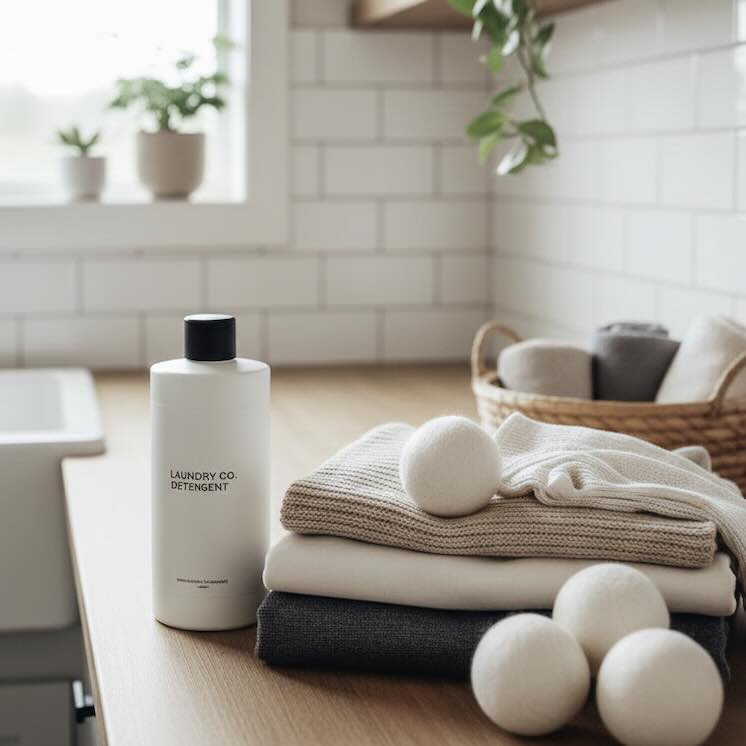
Your skin is your body's largest organ, and everything that touches it gets absorbed to some degree. When you wear freshly laundered clothes, residues from your laundry detergent sit against your skin for hours, potentially causing irritation, rashes, and allergic reactions. If you've noticed unexplained itching, red patches, or discomfort after wearing clean clothes, your detergent is likely the culprit.
Laundry detergent for sensitive skin addresses these issues by eliminating harsh chemicals, synthetic fragrances, and irritating additives that conventional products contain. These gentler formulas clean your clothes effectively while protecting your skin from unnecessary chemical exposure. Understanding which ingredients to avoid and what to look for in hypoallergenic detergent options helps you make informed choices that benefit your entire family. Whether you're dealing with eczema, contact dermatitis, or simply want to reduce your toxic load, switching to a skin-friendly laundry solution can dramatically improve your comfort and health. The right detergent doesn't just clean your clothes—it protects the skin that wears them every single day.
Traditional laundry detergent contains surfactants, enzymes, fragrances, and preservatives that can irritate sensitive skin. Surfactants like sodium lauryl sulfate break down oils and dirt but can also strip your skin's protective barrier when residues remain on fabric. The mechanism is straightforward: these aggressive cleaning agents don't fully rinse away, leaving microscopic amounts that contact your skin continuously.
Synthetic fragrances represent one of the biggest problems in conventional detergent. A single "fragrance" listing on an ingredient label can represent dozens of undisclosed chemicals, many of which are known allergens and irritants. Laundry detergent for sensitive skin eliminates these problematic fragrances, relying instead on essential oils or remaining completely unscented to prevent reactions.
The science behind hypoallergenic laundry detergent focuses on effectiveness without irritation. These formulas use gentler surfactants derived from plants, such as coconut-based cleansers that provide excellent cleaning power without the harsh side effects. They exclude common allergens like methylisothiazolinone and benzisothiazolinone, preservatives that frequently trigger contact dermatitis.
Enzymes in laundry detergent for sensitive skin are typically reduced or formulated differently. While enzymes effectively break down protein-based stains, they can remain active on fabric and irritate skin. Sensitive formulas balance cleaning performance with skin safety, using lower enzyme concentrations or alternative stain-fighting ingredients that rinse away completely.
Understanding how these products work helps you appreciate why they're worth choosing. The promise isn't just about avoiding reactions—it's about supporting your skin's health with every load of laundry. When you eliminate unnecessary irritants from something that touches your skin constantly, you reduce your body's inflammatory burden and allow your skin to function optimally as the protective barrier it's meant to be.

When you first pour laundry detergent for sensitive skin, you'll notice it looks and smells different from conventional products. Most gentle formulas are clear or slightly cloudy rather than brightly colored. The scent is either completely absent or very mild, using essential oils sparingly. Amazon reviews consistently praise this aspect, with one verified purchaser of Seventh Generation Free & Clear stating, "Finally, my clothes smell like nothing—which is exactly what I wanted."
The lack of overpowering fragrance surprises many people initially. You've been conditioned to associate strong scent with cleanliness, but that's purely psychological. Reddit users in r/eczema and r/SkincareAddiction regularly discuss how switching to unscented detergent eliminated skin problems they'd struggled with for years. The clean, neutral smell of truly clean fabric without chemical fragrance becomes preferred over time.
During washing, laundry detergent for sensitive skin performs admirably on normal everyday dirt and odors. Your clothes come out fresh and clean without requiring hot water or extended wash cycles. Reviews on Amazon mention that these gentle formulas work well for lightly to moderately soiled items, including workout clothes, daily wear, and children's clothing.
The feel of clothes washed in hypoallergenic detergent is noticeably softer and more comfortable against skin. Many users report they no longer need fabric softener, which itself often contains irritating chemicals. One Reddit user shared, "My towels are actually more absorbent now because there's no waxy buildup from synthetic fragrances and softeners." The fabric feels genuinely clean rather than coated with residues.
Reddit's r/AsianBeauty and r/30PlusSkinCare communities frequently recommend specific brands of laundry detergent for sensitive skin as part of comprehensive skincare routines. Users recognize that topical skincare products can't fully succeed if clothing continuously exposes skin to irritants. After several months, many people report their skin looks calmer, less red, and more balanced overall—improvements they attribute partly to eliminating harsh laundry chemicals from their daily exposure.

The safety of laundry detergent for sensitive skin depends on transparent ingredient labeling and rigorous formulation standards. Truly clean detergents list every ingredient clearly, avoiding vague terms like "fragrance" or "surfactants" that hide potentially problematic chemicals. Look for plant-derived cleaning agents such as sodium coco-sulfate (from coconut) or decyl glucoside (from corn and coconut) rather than petroleum-based alternatives.
Natural doesn't automatically mean safe, but genuinely non-toxic detergent formulas exclude known irritants and allergens. They avoid optical brighteners—chemicals that make clothes appear whiter by adhering to fabric fibers and reflecting UV light. These compounds don't rinse away and can cause significant skin reactions in sensitive individuals. Laundry detergent for sensitive skin eliminates these unnecessary additives entirely.
Understanding which ingredients are relatively toxic helps you make better choices. Sodium lauryl sulfate and sodium laureth sulfate, while effective cleaners, rank among the most irritating surfactants. Methylisothiazolinone (MI) and methylchloroisothiazolinone (MCI), common preservatives in detergents, are well-documented allergens that dermatologists recommend avoiding completely.
Chemical-free is technically impossible since everything is composed of chemicals, but the term generally refers to avoiding synthetic compounds. The best laundry detergent for sensitive skin uses simple, recognizable ingredients rather than complex synthetic molecules. Phosphates, once common in detergents, are now mostly eliminated for environmental reasons, but some products still contain them—another reason to check labels carefully.
The ingredient transparency of truly clean laundry detergent for sensitive skin sets it apart from conventional options making vague "gentle" or "mild" claims. Brands like Molly's Suds, Branch Basics, and Puracy publish complete ingredient lists and explain what each component does. This transparency allows you to make informed decisions based on your specific sensitivities rather than trusting marketing claims alone. When companies have nothing to hide, they freely share ingredient information and testing results.
Babies and young children have thinner, more permeable skin than adults, making them significantly more vulnerable to chemical irritation from laundry detergent. Their skin barrier hasn't fully developed, allowing residues on clothing to penetrate more easily and cause reactions. Laundry detergent for sensitive skin becomes especially important during infancy when diaper rashes, cradle cap, and general fussiness may actually stem from detergent irritation.
Children also put clothes, blankets, and stuffed animals in their mouths constantly, directly ingesting whatever residues remain on fabric. Choosing a truly non-toxic baby detergent ensures that even this direct exposure won't harm your child. Many parents notice dramatic improvements in their baby's comfort and sleep quality after switching to hypoallergenic formulas specifically designed for infant clothing and bedding.
Pregnant women often develop increased skin sensitivity due to hormonal changes that affect the skin barrier. Switching to laundry detergent for sensitive skin during pregnancy can prevent uncomfortable rashes and irritation during an already challenging time. The reduced chemical exposure also benefits your developing baby, as studies show that certain detergent chemicals can cross the placental barrier.
Postpartum women dealing with healing tissues, nursing, and hormonal fluctuations benefit enormously from gentle detergent. Breastfeeding mothers need to be particularly careful, as babies spend hours with their faces pressed against mom's clothing. Using family-safe detergent on your entire household's laundry simplifies routines while protecting everyone's skin from unnecessary irritants.
Comparing the relative toxicity of different detergent ingredients reveals why pediatricians and dermatologists specifically recommend laundry detergent for sensitive skin for families with young children. Conventional detergent chemicals like synthetic musks, phthalates, and 1,4-dioxane (a manufacturing contaminant) pose greater risks to developing bodies. While regulatory agencies consider these compounds safe in small amounts, minimizing exposure to infants and children follows the precautionary principle that health-conscious parents embrace.

Laundry detergent for sensitive skin typically costs more than conventional brands. You'll pay $0.25-0.50 per load for quality hypoallergenic options compared to $0.10-0.20 for mainstream detergents like Tide or All. This price difference reflects higher-quality ingredients, more rigorous testing, and smaller production scales that don't benefit from the economies of mass manufacturing.
However, the value extends beyond the bottle. When you factor in reduced doctor visits for skin conditions, eliminated need for prescription creams, and improved quality of life from comfortable, irritation-free skin, the cost becomes quite reasonable. Many families find they save money overall by preventing skin problems rather than treating them after they develop from harsh detergent exposure.
You can find laundry detergent for sensitive skin at multiple retailers, each offering different advantages. Amazon provides convenience and competitive pricing, especially through Subscribe & Save programs offering 15% discounts. Reading verified reviews helps identify which products actually deliver on their gentle promises versus those simply marketing themselves as sensitive-skin friendly.
Natural grocery stores like Whole Foods, Sprouts, and local co-ops carry extensive selections of hypoallergenic detergent options. Shopping in person allows you to examine ingredient labels and ask staff for recommendations. Target and Walmart have expanded their natural product sections, making sensitive-skin formulas increasingly accessible at mainstream retailers, though selection remains more limited than specialty stores.
When evaluating the price of laundry detergent for sensitive skin, consider the comprehensive value you're receiving. Brands like Seventh Generation, Molly's Suds, and Puracy offer subscription services that reduce costs while ensuring consistent supply. The investment in your family's skin health and reduced chemical exposure provides returns that far exceed the modest price difference. Most users report that once they experience the comfort of truly clean clothes without irritation, the cost becomes completely worthwhile and non-negotiable for their household budget.
Seventh Generation Free & Clear represents the gold standard in laundry detergent for sensitive skin, with plant-based ingredients and zero fragrances or dyes. Their formula is EPA Safer Choice certified and hypoallergenic tested. The cleaning performance rivals conventional detergents while maintaining strict safety standards. Seventh Generation costs approximately $0.30-0.40 per load, positioning it in the mid-premium range.
All Free Clear, while marketed for sensitive skin, takes a less rigorous approach. It's a mainstream brand that simply removes dyes and fragrances from conventional formulas but retains synthetic surfactants and other ingredients that may still irritate truly sensitive skin. The advantage is lower cost at around $0.15 per load and widespread availability. However, many people find that laundry detergent genuinely formulated for sensitive skin, like Seventh Generation, provides better results for serious sensitivities.
Branch Basics offers the most minimal ingredient list available, with just four primary components: water, soap from olive oil and coconut, washing soda, and mineral salt. This concentrate makes an excellent laundry detergent for sensitive skin and can also be diluted for household cleaning. The extreme simplicity appeals to those with multiple chemical sensitivities who react to even "natural" ingredients.
Conventional gentle options like Tide Free & Gentle or Persil Sensitive Skin still contain numerous synthetic ingredients despite their marketing. While they remove obvious irritants like fragrance, they retain optical brighteners, synthetic surfactants, and preservatives. The best laundry detergent for truly sensitive skin prioritizes ingredient purity over marketing claims, which is where specialized brands like Branch Basics excel despite higher costs.
When comparing laundry detergent for sensitive skin across brands, examine actual ingredient lists rather than trusting front-label claims. Products marketed as "gentle" or "for sensitive skin" don't face regulatory standards—any company can make these claims. The true rivals in this category distinguish themselves through transparent ingredient disclosure, third-party certifications, and consistent positive reviews from users with diagnosed skin conditions like eczema and contact dermatitis.

Laundry detergent for sensitive skin delivers life-changing improvements for people dealing with chronic skin irritation. The elimination of synthetic fragrances, harsh surfactants, and unnecessary additives allows your skin to heal and function normally. You'll appreciate the comfort of wearing clothes that don't trigger itching, burning, or rashes throughout the day and night.
The benefits extend beyond just avoiding reactions. Clean, residue-free clothing allows your skin to breathe properly and maintain its natural moisture balance. Many people report unexpected improvements in overall skin health, including reduced body acne, less dryness, and improved skin texture. The hypoallergenic formulas protect your entire family, creating a safer home environment with reduced toxic chemical exposure.
The primary limitation of laundry detergent for sensitive skin is reduced effectiveness on heavy stains compared to conventional detergents packed with aggressive enzymes and optical brighteners. You may need to pre-treat tough stains or use slightly warmer water for particularly dirty loads. Most users find this minor inconvenience completely acceptable given the skin-health benefits.
Higher costs represent another consideration, though the price premium is modest and justified by quality ingredients. Some people initially miss the strong fragrance they associate with cleanliness, though this perception shifts quickly. Limited availability in rural areas might require online ordering, adding slight inconvenience compared to grabbing any detergent at your local store.
Switching to laundry detergent for sensitive skin ranks among the most impactful changes you can make for your family's health and comfort. The constant contact between clothing and skin means detergent residues affect you every moment you're dressed. Choosing a truly hypoallergenic formula eliminates a major source of inflammation and irritation from your daily life.
Start by washing your bedding first, as you spend eight hours nightly in direct contact with sheets and pillowcases. Notice how much better you sleep without nighttime itching and discomfort. Then transition your entire wardrobe, paying special attention to underwear and base layers that sit closest to skin. Most people experience noticeable improvements within one to two weeks.
Prioritize brands with complete ingredient transparency and third-party certifications over those making vague "gentle" claims. Read reviews from people with diagnosed skin conditions rather than general users. Test different options to find which works best for your specific sensitivities and cleaning needs. Some people prefer completely unscented formulas, while others tolerate minimal essential oils.
The investment in laundry detergent for sensitive skin protects the health of your body's largest organ while creating a more comfortable daily experience. Your skin performs crucial immune and detoxification functions that harsh chemicals disrupt. When you eliminate unnecessary irritants from something that contacts your skin constantly, you support your body's natural healing and protective capabilities. This simple switch reduces your toxic load, improves your comfort, and demonstrates that you value your health enough to make choices that truly support it. Your skin will thank you with every comfortable, irritation-free moment.
* AI Disclosure: This article was developed with the assistance of AI language models, which aided in research, drafting, and/or editing. We strive for accuracy, but AI-generated content can occasionally contain errors. We recommend you double-check and verify information before making decisions based on this content.