Check out how pure lemon extract transforms your baking and cooking with natural citrus flavor that's free from artificial additives.
Tchiki Davis, M.A., Ph.D.
*This post may contain affiliate links. If you click and make a purchase, we may earn a small commission at no extra cost to you.
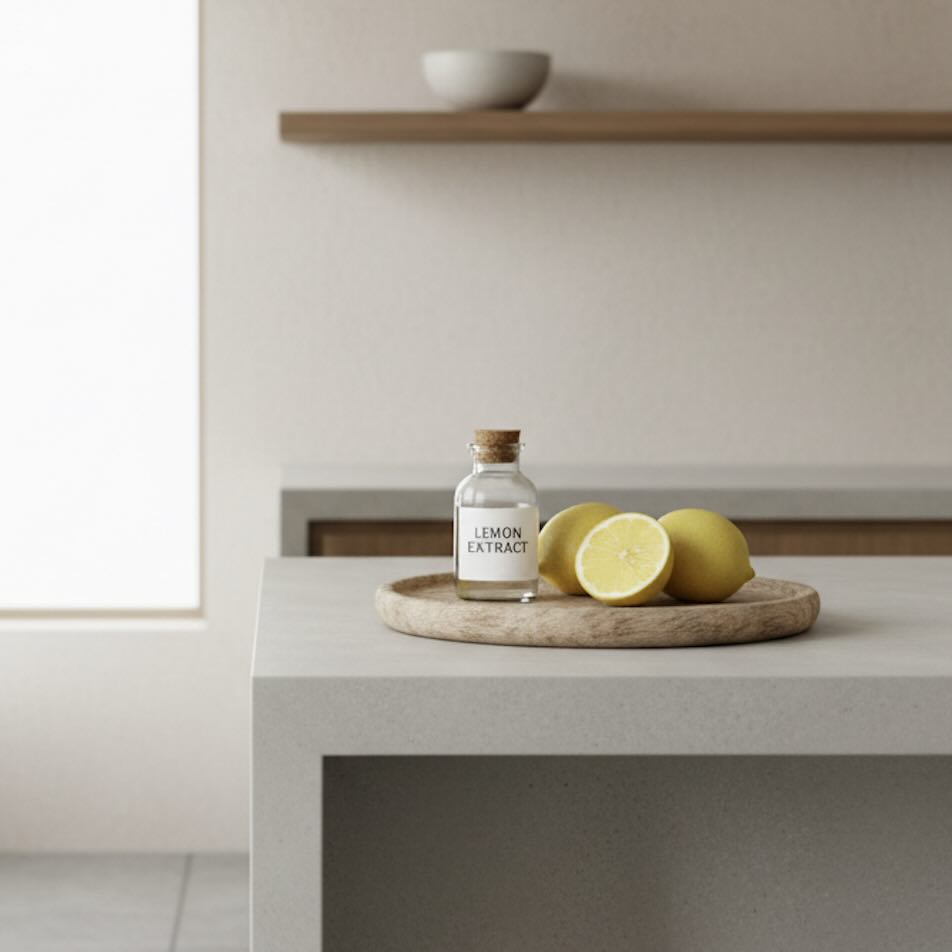
When you want bright, sunny citrus flavor in your baking and cooking, reaching for lemon extract seems like the obvious choice. This concentrated flavoring delivers the essence of fresh lemons in a convenient, shelf-stable form. Just a teaspoon can transform ordinary cookies, cakes, and glazes into memorable treats bursting with authentic lemon taste.
But not all lemon extracts are created equal, and understanding what's actually in that little bottle matters more than you might think.
Many commercial lemon extracts contain artificial flavors, synthetic colors, and unnecessary additives that have no place in your healthy kitchen. These chemical compounds may deliver lemon-like taste, but they come with ingredients you'd never intentionally add to your family's food. Pure lemon extract, on the other hand, captures real lemon essence through a simple process of infusing lemon peel oils into alcohol. This natural approach preserves the complex flavor compounds found in actual lemons while creating a concentrated form that's incredibly versatile. Whether you're making lemon bars, flavoring homemade frosting, or brightening a salad dressing, quality lemon extract offers intense flavor without compromising your commitment to clean eating. Let's explore what makes truly pure lemon extract special and how to choose options that align with your health values.
Pure lemon extract works through a process called extraction, where lemon peel oils dissolve into alcohol to create a concentrated flavoring. The mechanism is elegantly simple: alcohol acts as a solvent that pulls essential oils and flavor compounds from lemon zest. These oils contain limonene, citral, and other aromatic molecules that give lemons their distinctive bright, tart character.
The science behind quality lemon extract centers on using real lemon oil rather than artificial flavoring chemicals. Natural lemon oil contains over 300 flavor compounds that work together to create authentic citrus taste. Synthetic versions might replicate a few key molecules, but they miss the complexity that makes real lemon flavoring so appealing.
The extraction process for lemon extract begins with lemon peels, which contain the highest concentration of essential oils. Manufacturers soak these peels in alcohol, typically ethanol, for several weeks. The alcohol draws out the fat-soluble flavor compounds, creating a potent liquid flavoring.
During this time, the alcohol becomes infused with lemon essence. The resulting extract is much more concentrated than lemon juice. This concentrated form means you need only small amounts to achieve bold lemon flavor in recipes. The alcohol also acts as a preservative, giving lemon extract a long shelf life.
Understanding how lemon extract works helps you appreciate the difference between natural and artificial versions. Real lemon oil contains limonene as its primary component, along with citral, β-pinene, and γ-terpinene. These compounds create the fresh, clean scent and taste you associate with lemons.
Artificial lemon flavorings typically use synthetic citral and limonene produced in laboratories. While these isolated compounds smell vaguely lemony, they lack the supporting notes that create authentic flavor. Pure extract delivers fuller, more nuanced taste because it contains the complete spectrum of natural lemon compounds.
Reviews on Amazon consistently praise pure lemon extract for delivering authentic citrus taste. Users describe the flavor as bright, fresh, and true to real lemons. Many reviewers mention that quality extract transforms their baking, making lemon cookies and cakes taste homemade rather than artificial. The concentrated nature means a little goes a long way in recipes.
One Amazon reviewer shared that switching to pure lemon extract made their lemon pound cake recipe finally taste right. They had been using imitation extract for years without realizing the difference. Another user on Reddit mentioned that pure extract elevated their lemon curd from good to exceptional, with complex flavor notes that imitation versions simply can't match.
The performance difference between pure and imitation lemon extract becomes obvious in taste tests. Pure extract provides genuine lemon flavor with subtle floral notes and balanced tartness. Artificial versions often taste harsh, overly sweet, or chemically. This distinction matters most in recipes where lemon is the star flavor.
Users report that pure lemon extract works beautifully in both baking and cooking applications. It enhances glazes, frostings, and icings with clean citrus notes. In savory dishes, a few drops brighten cream sauces and salad dressings. The versatility makes quality extract a valuable pantry staple.
Reviews often focus on how lemon extract performs in specific recipes. Bakers note that it provides consistent results batch after batch. Unlike fresh lemon zest, which varies in potency, extract delivers predictable flavor strength. This reliability helps you perfect your favorite recipes.
The flavor holds up well during baking at high temperatures. Heat can diminish some delicate flavors, but the robust compounds in lemon extract remain stable. Your finished cookies and cakes taste lemony throughout, not just in spots where zest might have concentrated.
The immediate sensory experience with pure lemon extract includes its vibrant aroma. Opening the bottle releases an intense, fresh lemon scent that fills your kitchen. This aromatic quality indicates high-quality essential oils. Artificial versions often smell flat or chemical in comparison.
When added to batters and doughs, pure extract distributes evenly throughout. You won't encounter bitter spots or uneven flavoring. The smooth integration creates balanced taste in every bite of your finished treats.

The safety promise of pure lemon extract centers on using only natural ingredients—lemon oil and alcohol. Quality brands contain nothing artificial, no synthetic flavors, colors, or preservatives. This clean ingredient list makes pure extract a trustworthy choice for health-conscious cooks. You're adding real lemon essence to your food, not laboratory-created chemicals.
Natural lemon extract contains no concerning additives when you choose the right brands. The ingredients are simply lemon oil (from lemon peels) and alcohol (usually ethanol from corn or sugarcane). Some brands also include water. That's it—three ingredients maximum for truly pure citrus flavoring.
Not all products labeled "lemon extract" are pure or natural. Some contain artificial flavoring alongside or instead of real lemon oil. Others include propylene glycol as a carrier, synthetic colors, or added sugars. Reading ingredient lists helps you identify truly clean options versus those with unnecessary additives.
Look for labels that specifically say "pure lemon extract" and list lemon oil as the primary flavoring ingredient. Avoid products with "natural and artificial flavors" or long chemical names. The clearest sign of quality is a short, understandable ingredient list.
Pure lemon extract typically contains 70-90% alcohol by volume, which raises questions for some people. The alcohol serves as both solvent and preservative. In baked goods, most alcohol evaporates during cooking, leaving only the lemon flavor. The small amounts used mean negligible alcohol remains in finished dishes.
For no-bake applications like frostings, trace amounts of alcohol remain. This is generally not a concern for most people, as the quantities are tiny—usually less than a teaspoon per recipe. Those avoiding alcohol entirely can use lemon juice or zest instead, though the flavor will be different.
Pure lemon extract delivers chemical-free flavoring when you select quality brands. The natural oils come from real lemons through physical extraction rather than chemical synthesis. This distinction matters for reducing your exposure to synthetic compounds that may have unknown long-term health effects.
The simplicity of natural ingredients means fewer potential allergens and irritants. You're not introducing unnecessary additives into your cooking. This clean approach aligns with whole-food principles and mindful eating practices.
Parents can confidently use pure lemon extract in family cooking and baking. The natural ingredients are safe for children when used in normal recipe amounts. Unlike artificial flavorings with questionable chemical compounds, real lemon oil is simply concentrated citrus essence. It's what lemons naturally contain, just in a more potent form.
Kids generally love the bright, tangy flavor that lemon extract brings to treats. Lemon cookies, cupcakes, and muffins become favorites when flavored with quality extract. The taste is familiar and appealing to young palates without being overwhelming. Using pure extract introduces children to authentic flavors rather than training their taste buds on artificial versions.
Lemon extract works wonderfully in recipes you make with kids. The small measurement amounts (usually 1/2 to 1 teaspoon) make it easy for children to practice measuring skills. The immediate sensory reward—that amazing lemon smell—makes baking more engaging and fun for young helpers.
The relative safety of pure ingredients gives parents peace of mind during cooking activities with children. While you should still supervise (the high alcohol content means extract shouldn't be consumed directly), accidental exposure to small amounts isn't concerning. It's far safer than many artificial flavoring products containing synthetic chemicals.
Pregnant and nursing mothers often question food additives, and pure lemon extract is generally considered safe during these periods. The tiny amounts used in recipes pose no concerns. The alcohol content evaporates during baking, and trace amounts in no-bake items are negligible given recipe proportions.
Natural lemon flavoring avoids the synthetic chemicals found in artificial alternatives. This matters during pregnancy when you're more conscious about everything entering your body. Pure extract lets you enjoy lemon-flavored treats without worrying about unnecessary additives affecting your developing baby.
Using pure lemon extract provides opportunities to teach children about ingredient quality. Comparing pure versus imitation extract labels shows kids how to identify real food versus artificial versions. This early education helps develop lifelong skills for making healthy food choices.
Explaining how extract is made—from real lemon peels soaked in alcohol—helps children understand that good food comes from natural sources. This connection to real ingredients builds appreciation for quality over convenience and teaches valuable lessons about food production.

Pure lemon extract typically costs $4-8 for a 2-ounce bottle, while imitation versions run $2-4 for the same size. This price difference reflects the higher cost of real lemon oil versus synthetic flavoring chemicals. Quality extract represents better value despite the higher upfront cost because it delivers superior flavor and aligns with health values.
The cost-per-use calculation shows that even premium lemon extract is economical. Most recipes call for just 1/2 to 1 teaspoon. A 2-ounce bottle contains approximately 12 teaspoons, meaning it flavors 12-24 batches of cookies, cakes, or other treats. That works out to roughly $0.20-$0.65 per recipe use.
You can find pure lemon extract at most grocery stores in the baking aisle, though selection varies. Natural food stores like Whole Foods typically carry multiple high-quality brands. Online retailers including Amazon offer excellent selection and often better prices than brick-and-mortar stores.
Specialty baking suppliers sell premium extracts that may justify their higher cost for serious bakers. Brands like Nielsen-Massey and Simply Organic are widely respected for purity and flavor quality. These cost more but deliver exceptional results that elevate your cooking and baking.
Not all pure lemon extracts cost the same or deliver identical flavor strength. Some brands use higher concentrations of lemon oil, meaning you can use less per recipe. Others are more diluted, requiring larger amounts to achieve desired flavor. Price per ounce tells only part of the value story.
Reading reviews helps identify extracts that offer the best combination of flavor intensity, purity, and cost. Sometimes a slightly more expensive option delivers better value because it's more concentrated. The goal is finding extract that provides excellent flavor at a reasonable price point.
Pure lemon extract has an extremely long shelf life when stored properly. Kept in a cool, dark place with the cap tightly sealed, extract remains potent for 3-4 years. This longevity means you're not frequently replacing bottles, spreading the cost over many cooking and baking sessions.
The investment in quality extract pays dividends in consistently excellent results. Your lemon desserts taste professional and authentic rather than artificial. For home bakers who frequently make citrus-flavored treats, premium extract is an essential pantry staple worth its modest cost.
When comparing pure lemon extract to artificial imitation versions, the differences in flavor quality are dramatic. Artificial extracts use synthetic citral and limonene to approximate lemon taste. They often include added sugars, colors, and stabilizers. Pure extract contains only real lemon oil and alcohol, delivering authentic flavor without unnecessary additives.
Another comparison worth exploring is lemon extract versus fresh lemon zest and juice. Each citrus flavoring option has distinct advantages. Zest provides intense oils and tiny bursts of flavor but can create texture in batters. Juice adds tartness and liquid but isn't as concentrated. Extract offers pure flavor without affecting recipe moisture or texture.
The flavor difference between pure and imitation lemon extract becomes obvious in side-by-side tastings. Pure extract tastes bright, fresh, and complex with subtle floral notes. Imitation versions often have a harsh, one-dimensional flavor with artificial sweetness or chemical undertones. This distinction matters most in recipes where lemon is the primary flavor.
Imitation extract costs less upfront but delivers inferior results. For health-conscious cooks, the synthetic ingredients are reason enough to avoid these products. The modest price savings don't justify compromising on flavor quality or introducing artificial chemicals into your cooking.
Fresh lemon zest provides wonderful flavor but requires having lemons on hand. Zesting takes time and effort, and organic lemons can be expensive. Zest also has a limited shelf life—just a few days refrigerated. Pure lemon extract offers comparable flavor intensity with superior convenience and stability.
Some bakers use both zest and extract together for maximum lemon impact. The zest provides bright top notes while extract delivers deeper, more persistent flavor. This combination works beautifully in special-occasion desserts where extraordinary lemon taste is the goal.
Lemon juice adds tartness and acidity but lacks the concentrated flavor oils found in extract. Juice also adds liquid to recipes, which can affect texture in baked goods. You'd need significantly more juice than extract to achieve comparable lemon flavor, potentially throwing off recipe proportions.
Extract works better for applications where you want intense lemon taste without extra liquid. This includes frostings, glazes, and certain cake batters where moisture balance is critical. Juice has its place, but extract offers more versatility for pure flavor impact.

Pure lemon extract offers exceptional value for health-conscious cooks who want authentic citrus flavor. The natural ingredients—real lemon oil and alcohol—deliver complex, true-to-life taste without synthetic chemicals. A small bottle lasts for years and flavors dozens of recipes, making it an economical choice despite slightly higher upfront cost compared to artificial alternatives.
The main advantage is flavor quality. Pure extract transforms ordinary recipes into memorable treats with bright, fresh lemon taste. It provides reliable consistency batch after batch, unlike fresh zest which varies in potency. The convenience of having concentrated lemon flavor ready whenever you need it makes pure extract indispensable for regular bakers.
Natural lemon extract contains only real ingredients without artificial flavors, colors, or unnecessary additives. This aligns perfectly with clean eating principles and reduces your exposure to synthetic compounds. The authentic flavor profile elevates your cooking and baking with true citrus essence.
The concentrated nature means excellent value—just 1/2 teaspoon often suffices for full recipes. Long shelf life and versatility across sweet and savory applications make quality extract a smart pantry investment. Using pure extract teaches your palate to recognize and prefer natural flavors over artificial versions.
Pure lemon extract costs more than imitation versions—typically $4-8 versus $2-4 for a 2-ounce bottle. This price difference may matter for budget-conscious shoppers, though the superior quality justifies the modest premium. Some people also avoid alcohol-based extracts, though most alcohol evaporates during baking.
The intense concentration means you must measure carefully. Too much extract can create overpowering or even bitter lemon flavor. Start with recipe-recommended amounts and adjust gradually based on your taste preferences. This learning curve is minor but worth noting.
For most home cooks and bakers, pure lemon extract is absolutely worth choosing over artificial alternatives. Look for products labeled "pure lemon extract" with short ingredient lists. Quality brands include Nielsen-Massey, Simply Organic, and McCormick Pure Lemon Extract. These deliver reliable flavor at reasonable prices.
Store your extract in a cool, dark place with the cap tightly sealed to maintain potency for years. Use it to brighten everything from lemon bars and cookies to glazes, frostings, and even savory dishes. The small investment in quality extract pays dividends in consistently delicious results.
Pure lemon extract represents one of the simplest ways to upgrade your kitchen ingredients. The difference between natural and artificial is immediately noticeable and makes your cooking taste more homemade and authentic. Your family deserves treats made with real ingredients, and quality citrus flavoring helps you deliver exactly that. Choose pure extract and taste the difference in your very next batch of lemon cookies.
* AI Disclosure: This article was developed with the assistance of AI language models, which aided in research, drafting, and/or editing. We strive for accuracy, but AI-generated content can occasionally contain errors. We recommend you double-check and verify information before making decisions based on this content.