Find out why thousands are switching to matcha green tea supplements and get instantly calm, focused energy with this new secret.
Tchiki Davis, M.A., Ph.D.
*This post may contain affiliate links. If you click and make a purchase, we may earn a small commission at no extra cost to you.
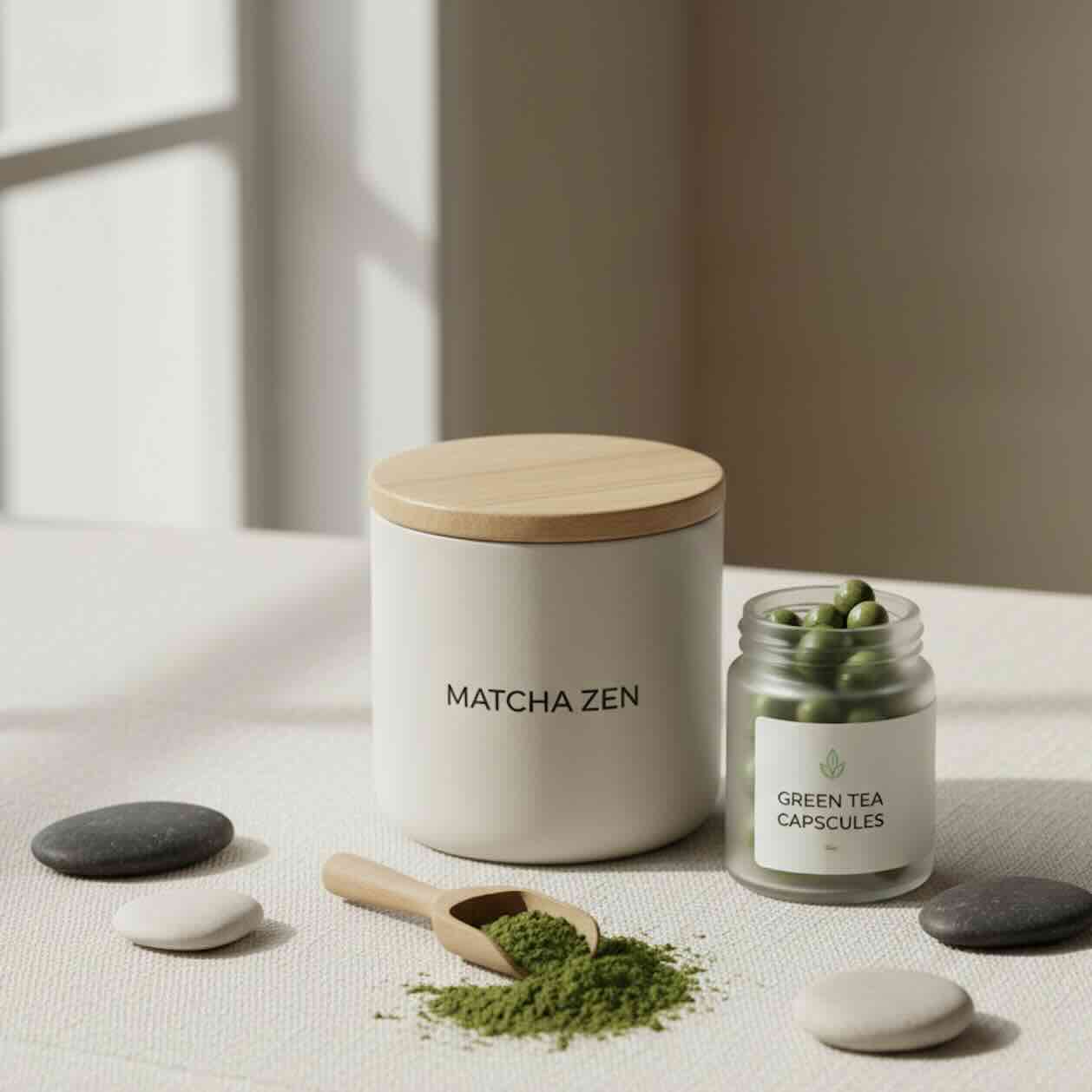
You've probably noticed matcha everywhere lately—from trendy coffee shops to wellness influencers' morning routines. But matcha green tea supplements offer something different from that fancy latte. These concentrated powders and capsules harness centuries of Japanese tradition and modern nutritional science to deliver powerful health benefits in convenient, consistent doses.
If you're looking for clean energy without the jitters, enhanced mental focus, and potent antioxidant protection, matcha green tea supplements might be exactly what your wellness routine is missing.
What sets matcha green tea supplements apart from regular tea or coffee is the unique way this vibrant green powder is grown, harvested, and consumed. Unlike standard green tea where you steep and discard the leaves, matcha supplements provide the whole leaf in concentrated form. This means you're absorbing every nutrient, antioxidant, and beneficial compound the tea plant has to offer. From supporting healthy metabolism and cardiovascular function to promoting calm alertness and cellular protection, matcha green tea supplements deliver a comprehensive wellness boost that addresses multiple health goals simultaneously. Let's explore why powering up with matcha could transform your daily energy and long-term health.
Matcha green tea supplements begin with a cultivation process that makes them nutritionally superior to regular tea. Farmers shade the tea plants for 20-30 days before harvest, which dramatically increases chlorophyll production and amino acid content. This shading forces the plants to produce more chlorophyll to capture available light, resulting in that distinctive vibrant green color and enhanced nutritional profile.
After harvest, only the finest young tea leaves are selected and stone-ground into the ultra-fine powder that becomes matcha supplements. This traditional processing method preserves heat-sensitive nutrients that might be destroyed by modern industrial techniques. The result is a green tea powder that contains exponentially more beneficial compounds than steeped tea.
The science behind matcha green tea supplements centers on a unique combination of L-theanine and naturally occurring caffeine. L-theanine is an amino acid that promotes relaxation without drowsiness, creating a state of calm alertness. When combined with caffeine, L-theanine modulates the stimulant's effects, preventing the anxiety and crash often associated with coffee.
This synergistic relationship means matcha supplements provide sustained energy and focus for 4-6 hours without the negative side effects of coffee or energy drinks. Your brain receives gentle stimulation while simultaneously experiencing stress reduction—a combination that enhances cognitive performance, creativity, and productivity.
Research shows that L-theanine increases alpha brain wave activity, the same brain state associated with meditation and creative flow. When you take matcha green tea supplements, you're essentially giving your brain the chemical environment it needs for optimal performance.
The promise of matcha green tea supplements lies significantly in their extraordinary antioxidant content. Matcha contains concentrated amounts of catechins, particularly epigallocatechin gallate (EGCG), which is one of the most powerful antioxidants ever studied. EGCG has been researched extensively for its potential to protect cells from oxidative damage and support healthy aging.
Studies suggest that matcha supplements provide up to 137 times more antioxidants than regular brewed green tea. This dramatic difference occurs because you consume the entire leaf rather than just the water-soluble compounds. These antioxidants neutralize free radicals in your body—unstable molecules that damage cells and contribute to chronic disease and premature aging.
Matcha green tea supplements have gained attention for their metabolism-supporting properties. The catechins in matcha, particularly EGCG, have been shown to enhance thermogenesis—your body's natural fat-burning process. This doesn't mean matcha is a miracle weight-loss solution, but it can support healthy metabolic function when combined with proper nutrition and exercise.
Research indicates that green tea catechins may help your body burn calories more efficiently and support healthy blood sugar regulation. For people managing their weight or metabolic health, matcha supplements offer gentle support without stimulant overload or dangerous side effects.

The taste of matcha green tea supplements varies significantly depending on quality grade and form. Premium ceremonial-grade matcha has a smooth, slightly sweet, umami-rich flavor with subtle vegetal notes. Lower-grade culinary matcha can taste bitter or grassy, which is why many people prefer capsule supplements that bypass taste entirely.
If you're using matcha powder supplements, proper preparation makes all the difference. Whisking the powder into hot (not boiling) water creates a frothy, creamy beverage that's surprisingly enjoyable. Many users blend matcha supplements into smoothies with banana, vanilla protein, or nut milk to create delicious drinks. The earthy green tea flavor pairs beautifully with coconut, chocolate, and citrus.
Capsule forms of matcha supplements offer taste-free convenience for those who find the flavor challenging. You get all the benefits without any preparation or acquired taste. However, many matcha enthusiasts believe the ritual of preparing the beverage enhances the mindfulness benefits of this traditional green tea.
Within 20-30 minutes of taking matcha green tea supplements, you'll notice a gentle lift in energy and alertness. Unlike coffee's sometimes jarring jolt, matcha provides smooth, sustained stimulation. Your focus sharpens without anxiety or racing thoughts. This is the L-theanine working synergistically with caffeine to create optimal mental performance conditions.
Many users report feeling more present and aware rather than simply "wired." The green tea supplement seems to clear mental fog while simultaneously promoting a sense of calm groundedness. This makes matcha particularly valuable for creative work, studying, or any task requiring sustained concentration without stress.
The real magic of matcha green tea supplements reveals itself over several hours. While coffee energy typically peaks quickly then crashes, matcha maintains steady energy for 4-6 hours. You avoid the afternoon slump that often follows morning coffee, maintaining productivity and focus throughout your workday.
Users consistently report these performance benefits from matcha supplements:
The absence of a caffeine crash distinguishes matcha green tea supplements from coffee and energy drinks. Your energy gradually returns to baseline rather than plummeting, making the transition smooth and comfortable.
Amazon reviews of matcha green tea supplements consistently highlight sustained energy and mental clarity as primary benefits. Users switching from coffee frequently mention appreciating the lack of jitters and anxiety. Reddit threads about matcha are filled with people praising the green tea supplement for improving focus during work or study sessions without the negative coffee side effects.
Fitness enthusiasts note that taking matcha supplements before workouts provides clean energy without the overstimulation that can interfere with mind-muscle connection. The gentle energy boost enhances performance without making exercise feel forced or uncomfortable.
Some reviews mention an adjustment period where the effects feel subtle compared to high-caffeine products. However, most users report that after a few days, they appreciate matcha's more balanced approach to energy and recognize how much better they feel throughout the day.

Not all matcha green tea supplements are created equal, and quality directly impacts both safety and effectiveness. Ceremonial-grade matcha represents the highest quality—vibrant green color, smooth taste, and maximum nutrient content. This grade undergoes strict quality control and typically comes from reputable Japanese farms with clean growing practices.
Culinary-grade matcha costs less but may contain lower-quality leaves or additives that compromise purity. Some inexpensive green tea supplements marketed as matcha actually contain regular green tea powder mixed with additives. Always verify you're purchasing authentic matcha from transparent suppliers who provide origin information and testing results.
The most critical safety concern with matcha green tea supplements involves potential heavy metal contamination, particularly lead. Tea plants naturally absorb lead from soil, and since matcha involves consuming the entire leaf, lead content becomes a legitimate concern. Reputable brands test every batch for heavy metals and publish results or certificates of analysis.
Quality matcha supplements should be:
Japanese matcha from established tea-growing regions like Uji or Nishio typically maintains the highest purity standards. Chinese matcha can be excellent but requires more careful vetting due to inconsistent quality control across producers.
Truly clean matcha green tea supplements should carry organic certification to ensure no synthetic pesticides or fertilizers were used during cultivation. Organic growing practices not only protect you from chemical residues but also promote healthier soil ecosystems that produce more nutrient-dense tea plants. This certification provides assurance that your green tea supplement is genuinely non-toxic.
Some matcha products contain additional ingredients like sweeteners, flavoring agents, or other supplements. Read labels carefully—pure matcha should contain only one ingredient: organic matcha powder. Blended products might add fillers, artificial sweeteners, or low-quality green tea that dilutes the matcha's benefits while introducing potentially unwanted substances.
Matcha green tea supplements contain approximately 70mg of caffeine per serving (about 1 teaspoon or 2 capsules), compared to 95mg in a cup of coffee. While moderate for most people, this caffeine content requires consideration if you're sensitive to stimulants or consume multiple caffeinated products daily.
The presence of L-theanine makes matcha's caffeine gentler than coffee's, but you should still monitor total daily intake. Consuming matcha supplements late in the day might interfere with sleep for caffeine-sensitive individuals. Most people find that taking green tea matcha before noon provides energy without disrupting nighttime rest.
Parents often ask whether matcha green tea supplements are appropriate for children, and the answer requires careful consideration. Children can benefit from matcha's antioxidants and nutrients, but the caffeine content presents concerns. A child's developing nervous system is more sensitive to caffeine than an adult's, potentially causing hyperactivity, sleep disruption, or anxiety.
If you choose to give children matcha supplements, use very small amounts—approximately one-quarter of an adult serving—and only for children over age 8. Monitor for any signs of caffeine sensitivity like restlessness, difficulty sleeping, or stomach discomfort. Many pediatricians recommend avoiding caffeine entirely for young children, so consult your healthcare provider first.
Decaffeinated matcha green tea supplements don't currently exist because the decaffeination process would destroy the delicate catechins and L-theanine that make matcha valuable. For children, non-caffeinated antioxidant sources might be more appropriate than green tea supplements.
Pregnant and nursing mothers face specific considerations with matcha supplements due to caffeine content. Most healthcare providers recommend limiting caffeine to 200mg daily during pregnancy—matcha can fit within this guideline if consumed carefully. One serving of green tea matcha contains significantly less caffeine than coffee, making it a safer choice for expectant mothers who want gentle energy support.
However, the high antioxidant content that makes matcha beneficial could theoretically affect iron absorption if consumed with meals. Pregnancy increases iron needs, so timing matcha supplements away from iron-rich foods or prenatal vitamins helps prevent potential interference. Taking green tea between meals rather than with food addresses this concern.
Nursing mothers should monitor their babies for signs of caffeine sensitivity when consuming matcha supplements. Some infants become fussy or have trouble sleeping if mothers consume significant caffeine. If you notice these effects, reduce matcha intake or eliminate it temporarily.
Quality matcha green tea supplements should be remarkably non-toxic—just pure, organic tea leaves ground into powder. However, understanding what makes some products less safe helps you make informed choices. Avoid matcha supplements containing these relatively toxic or problematic ingredients:
Pure, single-ingredient matcha represents the non-toxic ideal for green tea supplements. The only component should be organic matcha powder with nothing added or removed.
Matcha green tea supplements can interact with certain medications, primarily due to caffeine content and effects on liver enzymes. If you take blood pressure medications, the caffeine in matcha might interfere with drug effectiveness. Blood thinners like warfarin can be affected by vitamin K in green tea, though matcha contains less vitamin K than many vegetables.
People taking stimulant medications for ADHD should be cautious about adding matcha supplements, as combined stimulant effects could cause excessive nervousness or cardiovascular stress. Those with anxiety disorders might find matcha's caffeine problematic despite the calming L-theanine. Always discuss supplement plans with healthcare providers if you take prescription medications.

Matcha green tea supplements span a wide price spectrum, from $15 to over $50 per container, depending on quality, origin, and quantity. This variation can feel overwhelming, but understanding what drives matcha pricing helps you identify genuine value. Ceremonial-grade matcha from prestigious Japanese tea regions commands premium prices due to meticulous growing, harvesting, and processing methods.
Quality indicators that justify higher prices include organic certification, Japanese origin (particularly from Uji, Nishio, or Shizuoka regions), stone-ground processing, and third-party testing for purity. The vibrant green color, fine texture, and smooth taste of premium green tea supplements reflect superior quality that delivers better results and safety assurance.
Budget matcha often comes from China or uses lower-quality tea leaves, resulting in bitter taste, dull color, and reduced nutrient content. While these products cost less upfront, you may need to consume more to achieve desired effects, ultimately reducing the apparent savings.
Breaking down matcha green tea supplements by cost per serving provides clearer value comparison. A 30-gram container of premium ceremonial matcha at $30 provides approximately 30 servings (assuming 1 gram per serving), equaling $1.00 per day. Compare this to a $5 coffee shop matcha latte, and home supplementation becomes remarkably economical.
Larger containers offer better per-serving value—a 100-gram tin at $60 reduces daily cost to $0.60 while ensuring consistent supply. Capsule forms of green tea supplements typically cost $15-$30 for 30-60 servings, making them competitively priced with powder forms while offering maximum convenience.
When calculating matcha supplement value, consider the cost of replacing multiple products. If matcha replaces your morning coffee, afternoon energy drink, and antioxidant supplement, the investment makes even more financial sense. You're consolidating expenses while simplifying your routine.
Finding reliable sources ensures you receive authentic, high-quality matcha supplements at fair prices:
Avoid purchasing matcha from discount retailers or unknown online sellers offering suspiciously low prices. Authentic, tested matcha cannot be produced cheaply—extremely low prices indicate compromised quality or adulterated products.
Viewing matcha green tea supplements as long-term health investment changes the value equation. The daily cost of $0.60-$1.50 for premium matcha provides sustained energy, cognitive enhancement, and powerful antioxidant protection. Over a year, you'll spend $220-$550 on this supplement—a reasonable investment for comprehensive daily wellness support.
Consider the potential health benefits that reduce other expenses. Better focus and energy may improve work performance and career advancement. Enhanced metabolism and antioxidant protection support long-term health, potentially reducing future medical costs. The stress-reducing effects of L-theanine in green tea might decrease your need for other calming supplements or stress management resources.
Subscription services from matcha brands typically offer 10-20% discounts on automatic shipments, improving long-term affordability. This approach ensures you never run out while maximizing value through consistent pricing.
The most fundamental comparison is matcha green tea supplements versus regular brewed green tea. While both come from the same Camellia sinensis plant, their nutritional profiles differ dramatically. Matcha provides exponentially more antioxidants because you consume the entire ground leaf rather than just the steeped water-soluble compounds.
Regular green tea contains approximately 30-50mg of catechins per cup, while matcha supplements deliver over 100mg in a single serving. The L-theanine content is also significantly higher in matcha due to the shade-growing process. If your goal is maximum health benefits, matcha green tea clearly surpasses regular tea.
However, regular green tea offers its own advantages—it's more affordable, widely available, and provides a gentler introduction to green tea benefits. Some people prefer the milder flavor and ritual of brewing tea rather than whisking matcha powder or taking capsules.
This comparison drives many people to explore matcha as a coffee alternative. Both provide caffeine-based energy, but their effects differ considerably. Coffee delivers higher caffeine content (95-200mg per cup) with rapid absorption, creating quick energy followed by potential crashes. Matcha green tea supplements provide moderate caffeine (70mg) with L-theanine, resulting in sustained, calm energy.
Coffee can cause jitters, anxiety, digestive upset, and sleep disruption in sensitive individuals. Matcha's L-theanine moderates these effects, making it gentler on your nervous system. For antioxidant content, matcha dramatically outperforms coffee—the catechin levels in green tea supplements far exceed coffee's polyphenols.
People who love coffee's bold, roasted flavor may not initially appreciate matcha's vegetal taste. However, those who experience negative coffee side effects often find matcha green tea supplements provide the energy they need without the drawbacks they want to avoid.
The green supplement market includes spirulina, chlorella, wheatgrass, and various greens powders. How does matcha green tea compare? Matcha excels at providing clean energy and cognitive enhancement through its caffeine-L-theanine combination—benefits other green supplements cannot match. For mental performance and alertness, matcha stands alone.
Spirulina and chlorella offer superior protein content and detoxification properties compared to matcha supplements. Wheatgrass provides more chlorophyll and alkalizing effects. Comprehensive greens powders deliver broader vegetable nutrition but less concentrated green tea catechins. Each supplement serves different primary purposes.
Many health enthusiasts combine matcha green tea with other green supplements for complementary benefits. Matcha handles energy and antioxidant needs while chlorella addresses detoxification and spirulina supports protein intake. They're not true competitors but rather partners in comprehensive nutrition.
Among quality matcha green tea supplements, several brands have established strong reputations. Encha offers USDA organic Japanese matcha with exceptional purity testing and vibrant color. Jade Leaf provides excellent value with authentic Japanese matcha at accessible prices. Pique Tea creates crystallized matcha supplements for enhanced convenience and absorption.
Traditional Japanese brands like Ippodo and Marukyu Koyamaen represent the absolute pinnacle of matcha quality, with centuries of expertise and access to the finest tea gardens. These ceremonial-grade green tea supplements command premium prices but deliver unmatched taste, texture, and nutrient density.
For most people, mid-range brands like Jade Leaf or Encha offer the best balance of quality, purity, and affordability. Unless you're a matcha connoisseur practicing traditional tea ceremony, ultra-premium brands may exceed your needs.

After examining matcha green tea supplements from every angle, the advantages are substantial for most people seeking clean energy and comprehensive wellness support. This vibrant green powder delivers a unique combination of alertness and calm that no other supplement quite replicates. Your daily energy transforms from caffeine-fueled peaks and crashes to sustained, focused vitality that supports productivity and wellbeing.
The pros of matcha green tea supplements include:
Users consistently report feeling more focused, energized, and balanced after incorporating matcha supplements into daily routines. The scientific research supporting these green tea benefits continues strengthening, with new studies regularly confirming matcha's health-promoting properties.
Transparency requires acknowledging matcha green tea supplements' limitations and potential challenges. The earthy, vegetal flavor profile doesn't appeal to everyone, especially those accustomed to sweet beverages. While proper preparation and flavor pairing help, some people simply prefer capsule forms to avoid taste considerations entirely.
The cons of matcha supplements include:
These drawbacks are manageable with informed choices—selecting quality brands, starting with small amounts to assess caffeine tolerance, choosing capsules if taste is problematic, and consuming matcha early in the day to prevent sleep interference.
Certain groups gain particular value from adding matcha to their wellness routines. If you're transitioning away from coffee due to jitters or anxiety but still need mental alertness and energy, matcha green tea supplements provide an ideal alternative. Students and professionals requiring sustained focus without stimulant overload consistently report excellent results with this green tea.
People interested in antioxidant protection, healthy aging, and cellular defense against environmental stressors benefit enormously from matcha's exceptional catechin content. The EGCG and other compounds in green tea supplements offer scientifically-backed protection that few other foods provide in such concentrated form.
Should you power up with matcha green tea supplements? If you value clean energy, cognitive performance, and potent antioxidant protection without excessive stimulation, absolutely yes. The centuries of traditional use combined with modern scientific validation create compelling evidence for matcha's benefits. The safety profile is excellent when choosing quality products from reputable sources.
Start with a trusted brand offering organic, tested matcha from Japanese tea gardens. Begin with half servings to assess your caffeine tolerance and response, then adjust accordingly. Experiment with different preparation methods—traditional whisked tea, blended smoothies, or convenient capsules—to find what fits your lifestyle.
Matcha green tea supplements aren't magic bullets, but they're among the most effective natural tools available for sustained energy, mental clarity, and comprehensive antioxidant support. Your body and mind deserve fuel that enhances rather than depletes—give yourself that advantage by making quality matcha part of your daily wellness strategy today.
* AI Disclosure: This article was developed with the assistance of AI language models, which aided in research, drafting, and/or editing. We strive for accuracy, but AI-generated content can occasionally contain errors. We recommend you double-check and verify information before making decisions based on this content.