Explore the best new non-toxic mineral sunscreen options shown to shield your skin naturally and effectively.
Tchiki Davis, M.A., Ph.D.
*This post may contain affiliate links. If you click and make a purchase, we may earn a small commission at no extra cost to you.
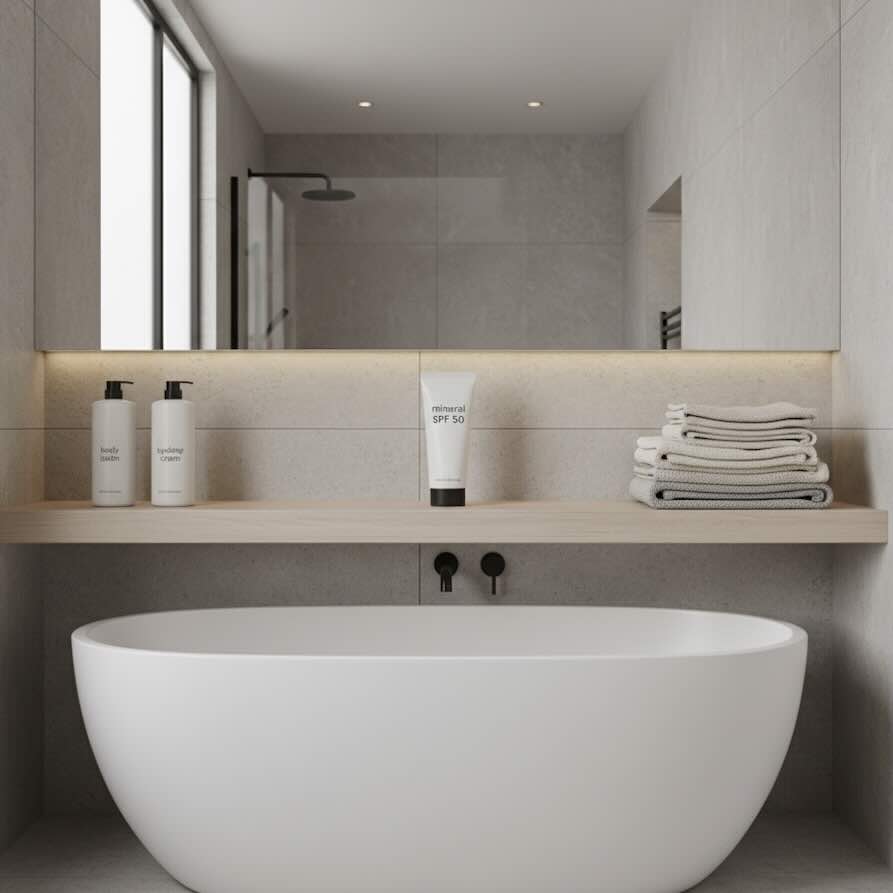
Finding a sunscreen that protects your skin without exposing you to questionable chemicals can feel overwhelming. You want effective sun protection, but you also care about what you're putting on your body every single day. That's where mineral sunscreen comes in—a natural alternative that uses physical blockers instead of synthetic ingredients to shield your skin from harmful UV rays.
The beauty of mineral-based sun protection lies in its simplicity and transparency. Unlike chemical sunscreens that absorb into your skin, mineral formulas sit on top of your skin's surface, reflecting UV rays away from your body. This physical barrier approach means fewer unknown substances entering your bloodstream. Plus, new mineral sunscreen innovations have solved many of the old problems—no more thick white casts or greasy residue. Today's formulas blend seamlessly, feel lightweight, and deliver the protection your family deserves without compromise.
Mineral sunscreen relies on two naturally occurring minerals: zinc oxide and titanium dioxide. These ingredients work as physical barriers that sit on your skin's surface and reflect ultraviolet radiation away from your body. Think of them as tiny mirrors that bounce harmful rays back into the atmosphere before they can penetrate your skin cells.
The science behind mineral formulas is straightforward and reassuring. When UV rays hit the mineral particles on your skin, they scatter and reflect rather than absorb into your tissue. This mechanism provides broad-spectrum protection against both UVA rays (which cause aging) and UVB rays (which cause burning).
Chemical sunscreens use synthetic compounds like oxybenzone, avobenzone, or octinoxate that absorb UV radiation and convert it to heat. These ingredients sink into your skin and enter your bloodstream, raising questions about long-term health impacts. Studies have detected these chemicals in blood samples, breast milk, and even urine days after application.
Mineral-based protection offers a cleaner alternative. Zinc oxide and titanium dioxide particles are too large to penetrate healthy skin, so they stay where you put them. Your body doesn't absorb them, which means less exposure to potentially disruptive substances.
New mineral sunscreen technology has revolutionized the category. Manufacturers now use micronized or nano-sized particles that blend invisibly into all skin tones. Advanced formulations include skin-nourishing ingredients like squalane, hyaluronic acid, and botanical extracts that hydrate while they protect.
The promise of modern physical sun protection is simple: effective defense without compromise. You get SPF 30 or higher coverage that starts working immediately upon application, with ingredients you can feel good about using daily on yourself and your family.

Searching through mineral sunscreen reviews on Amazon reveals consistent themes. Users praise formulas that blend easily, don't leave a chalky finish, and hold up during outdoor activities. One popular zinc oxide formula has over 15,000 reviews, with customers noting it "doesn't sting eyes" and "feels lighter than expected."
Reddit discussions about physical sunscreen often focus on finding options that work under makeup or don't pill when layered with other skincare. Users in skincare communities frequently recommend mineral formulas for sensitive skin, noting fewer breakouts and irritation compared to chemical alternatives.
Modern mineral sunscreen feels dramatically different from the thick, pasty formulas of the past. Today's versions have creamy, lotion-like textures that spread smoothly across your face and body. Some tinted versions blend seamlessly into your skin tone, eliminating the white cast that once plagued zinc-based products.
Application takes slightly more effort than chemical sunscreen—you'll need to rub it in thoroughly—but the immediate protection is worth it. You don't have to wait 15-20 minutes before sun exposure like you do with chemical formulas.
Testing mineral-based protection during beach days, hikes, and sports reveals impressive staying power. Most quality formulas resist water for 40-80 minutes and hold up well through sweating. The physical barrier doesn't degrade as quickly in sunlight as some chemical filters do.
Users consistently report that zinc oxide sunscreen provides reliable protection without the greasy feeling or strong scent. Many note they can apply it liberally without worrying about breakouts, and it works well for both facial and body application.

When you choose mineral sunscreen, you're selecting ingredients with established safety profiles. Zinc oxide and titanium dioxide have been used for decades and are recognized as safe and effective by dermatologists and regulatory bodies. Unlike many chemical filters, these minerals don't disrupt hormones or trigger allergic reactions in most people.
The term "non-toxic" means these formulas avoid concerning ingredients found in conventional sunscreens. You won't find oxybenzone, octinoxate, homosalate, or octocrylene—chemicals that have raised questions about endocrine disruption and environmental harm. Clean mineral formulas also skip parabens, phthalates, and synthetic fragrances.
Scientific studies consistently show that zinc oxide and titanium dioxide remain on the skin's surface rather than entering your bloodstream. A 2019 FDA study found that chemical sunscreen ingredients were absorbed into blood at levels that warrant further safety research, but this concern doesn't apply to mineral alternatives.
Physical sun protection ingredients are also reef-safe. Many tropical destinations now ban chemical sunscreens because they damage coral ecosystems, but mineral formulas get the green light. This environmental safety extends to your personal health choices too.
The best mineral sunscreen brands list every ingredient clearly on their labels and websites. You'll typically find short ingredient lists focused on the active minerals plus nourishing additions like coconut oil, shea butter, or vitamin E. This transparency lets you make informed choices about what touches your skin.
When it comes to children's sun protection, mineral sunscreen is the gold standard. Pediatricians prefer physical blockers because young skin is more permeable and sensitive than adult skin. Using zinc oxide or titanium dioxide minimizes the risk of irritation and eliminates concerns about chemicals entering developing bodies.
Kids also benefit from the immediate protection mineral formulas provide. You can apply it and head outside right away, which is practical when dealing with impatient children who don't want to wait around before swimming or playing.
Expectant mothers often worry about ingredient absorption during pregnancy. Mineral-based protection offers peace of mind because the active ingredients stay on your skin's surface. You're not introducing synthetic chemicals into your system during this crucial developmental period.
Many obstetricians specifically recommend zinc oxide sunscreen for pregnant women. The safety profile is well-established, and there's no evidence of harm to developing babies. This makes physical sunscreen the conservative, cautious choice during pregnancy and nursing.
If you struggle with reactive skin, eczema, or rosacea, mineral sunscreen typically causes fewer problems than chemical alternatives. The simple ingredient lists and absence of chemical filters reduce the likelihood of irritation or allergic reactions. Dermatologists often recommend zinc-based formulas for post-procedure skin care.

Mineral sunscreen typically costs more per ounce than conventional chemical formulas. You'll find quality options ranging from $12 to $35 for facial products and $15 to $40 for body formulas. This higher price reflects the cost of mineral ingredients and the specialized formulation required to make them blend smoothly.
Premium brands may charge even more, but the investment protects your health. When you calculate cost per use, mineral-based protection often proves comparable to other daily skincare products you already buy without question.
You can purchase mineral sunscreen at various retailers, each with different pricing strategies. Natural food stores and specialty beauty shops often stock high-quality brands but may charge retail prices. Online retailers like Amazon frequently offer subscriptions that reduce costs by 15-20 percent on recurring orders.
Direct-to-consumer brands sometimes provide the best value. By cutting out middleman markups, these companies offer quality zinc oxide formulas at accessible prices. Watch for seasonal sales, especially before summer, when sun protection products go on promotion.
Consider how long a bottle of mineral sunscreen lasts with proper use. For daily facial application, a two-ounce tube should last approximately two months. A family-size body formula might last all summer with regular use. This longevity makes the per-application cost reasonable.
The value extends beyond dollars. You're investing in fewer skin problems, reduced chemical exposure, and long-term skin health. That peace of mind has worth that's difficult to quantify but easy to feel.
The fundamental difference between mineral and chemical sunscreen lies in how they protect your skin. Chemical formulas absorb UV rays through synthetic compounds, while physical blockers reflect rays away. Chemical options often feel lighter initially but require absorption time and raise toxicity concerns that mineral alternatives avoid completely.
Chemical sunscreens may work better for very dark skin tones due to their invisible finish. However, new tinted mineral formulas now serve diverse complexions beautifully. The trade-off—slightly more visible application for significantly cleaner ingredients—makes sense for health-conscious families.
Leading mineral sunscreen options include established clean beauty brands and innovative newcomers. Blue Lizard uses smart bottle technology that changes color in UV light, plus zinc oxide for broad-spectrum protection. Badger offers organic formulas with simple ingredients, though some users find them thicker than competitors.
ThinkBaby has earned Environmental Working Group (EWG) top ratings consistently. Their zinc-based formula spreads easily and costs less than premium options. Beautycounter's mineral sunscreen includes skin-conditioning ingredients and comes in both untinted and tinted versions for various skin tones.
Some brands offer combination sunscreens that blend mineral and chemical filters. These hybrid formulas aim to provide mineral benefits with chemical sunscreen aesthetics. However, if you're choosing mineral-based protection specifically to avoid synthetic chemicals, these combinations defeat your purpose entirely.
Pure mineral sunscreen—containing only zinc oxide, titanium dioxide, or both—gives you the cleanest protection. Stick with formulas that list these minerals as the sole active ingredients. This ensures you're getting the non-toxic, physical sun protection you're seeking without compromise.

Mineral sunscreen delivers impressive benefits that make it worth considering for your family. The immediate protection upon application means no waiting period before sun exposure. The clean ingredient profile eliminates concerns about hormone disruption or chemical absorption into your bloodstream.
Physical sun blockers provide stable, reliable protection that doesn't degrade as quickly in sunlight. They're gentle enough for the most sensitive skin, safe for pregnancy and children, and environmentally friendly for ocean ecosystems. Modern formulas have overcome past texture issues, offering smooth application and invisible finishes.
Honesty requires acknowledging that mineral sunscreen isn't perfect for everyone. Some formulas still leave a slight white cast, particularly on deeper skin tones, though tinted versions solve this problem. Application requires more rubbing and effort than chemical alternatives that sink in quickly.
The texture can feel heavier on your skin, especially in hot, humid weather. Mineral-based protection also tends to cost more per ounce than conventional sunscreens. For people who strongly prefer ultra-lightweight, invisible formulas, the transition to physical blockers might require adjustment.
You're an ideal candidate for mineral sunscreen if you prioritize clean ingredients and want to minimize chemical exposure. Parents seeking safer options for children, pregnant women being cautious about fetal exposure, and anyone with sensitive skin will appreciate zinc oxide and titanium dioxide formulas.
If you spend significant time outdoors, care about reef safety, or have experienced irritation from chemical sunscreens, mineral-based protection makes excellent sense. The slightly higher price and thicker texture are small trade-offs for the health benefits and peace of mind.
Mineral sunscreen represents the best choice for health-conscious individuals who refuse to compromise on either safety or effectiveness. New formulations have eliminated most traditional drawbacks, making physical sun blockers practical for daily use. The science supports their safety, users praise their performance, and dermatologists recommend them confidently.
Your skin deserves protection that works with your body, not against it. Mineral-based formulas offer exactly that—a physical barrier between you and harmful UV rays, using ingredients that have stood the test of time. For families committed to reducing toxic exposure while maintaining active outdoor lifestyles, zinc oxide and titanium dioxide sunscreens deliver the perfect balance of protection, purity, and peace of mind.
* AI Disclosure: This article was developed with the assistance of AI language models, which aided in research, drafting, and/or editing. We strive for accuracy, but AI-generated content can occasionally contain errors. We recommend you double-check and verify information before making decisions based on this content.