See how natural air fresheners eliminate odors safely while protecting your family from toxic chemicals found in conventional sprays.
Tchiki Davis, M.A., Ph.D.
*This post may contain affiliate links. If you click and make a purchase, we may earn a small commission at no extra cost to you.
Walk into most homes and you'll encounter a familiar smell: synthetic "fresh linen," "ocean breeze," or "vanilla cupcake" fragrances pumped from plug-ins, aerosol sprays, and scented candles. These artificial scents seem harmless, even pleasant, but they're actually releasing a cocktail of undisclosed chemicals into your air with every spray or heated release.
The fragrance industry isn't required to list individual ingredients, so that innocent-looking air freshener might contain dozens of compounds including phthalates, formaldehyde, and petroleum distillates—all linked to respiratory problems, hormone disruption, and allergic reactions.
Natural air fresheners offer a revelation: your home can smell genuinely fresh without exposing your family to toxic chemicals. These plant-based alternatives use essential oils, botanical extracts, and simple ingredients like baking soda to neutralize odors rather than mask them with synthetic fragrances. The result is authentic freshness that supports rather than compromises your health. Whether you're concerned about asthma triggers, indoor air quality, or simply want to reduce your household's chemical burden, switching to non-toxic air freshening methods transforms your home environment. This guide reveals the simple secret to maintaining a fresh-smelling space using ingredients you can trust and feel good about breathing every single day.
Natural air fresheners harness the antimicrobial and aromatic properties of essential oils extracted from plants. These concentrated plant compounds don't just mask odors—they actually neutralize odor-causing bacteria and molecules. Eucalyptus oil contains compounds called terpenes that have been scientifically proven to kill airborne bacteria and fungi. Tea tree oil demonstrates similar antimicrobial action, making it particularly effective in bathrooms and other moisture-prone areas.
Lemon and orange essential oils contain d-limonene, a natural solvent that breaks down organic compounds responsible for unpleasant smells. When you diffuse citrus oils, you're introducing molecules that chemically interact with odor particles, neutralizing them at the source. This mechanism differs fundamentally from conventional air fresheners that simply add stronger scents to cover up existing smells. The science behind botanical scent delivery proves more sophisticated than synthetic alternatives.
Baking soda works as a natural air freshener through chemical neutralization rather than fragrance. Its slightly alkaline nature reacts with both acidic and basic odor molecules, converting them into neutral, odorless salts. This explains why an open box in your refrigerator genuinely eliminates food smells rather than masking them. Activated charcoal functions similarly but with even greater surface area—one gram contains roughly 3,000 square meters of porous surface that traps odor molecules.
These natural odor absorbers provide the foundation for truly non-toxic freshening systems. They work continuously without requiring electricity, releasing chemicals, or creating waste. When combined with essential oils for pleasant scent, you create a dual-action system that both eliminates bad smells and introduces clean, botanical aromatics. The mechanism relies on chemistry and physics rather than covering problems with artificial fragrances.
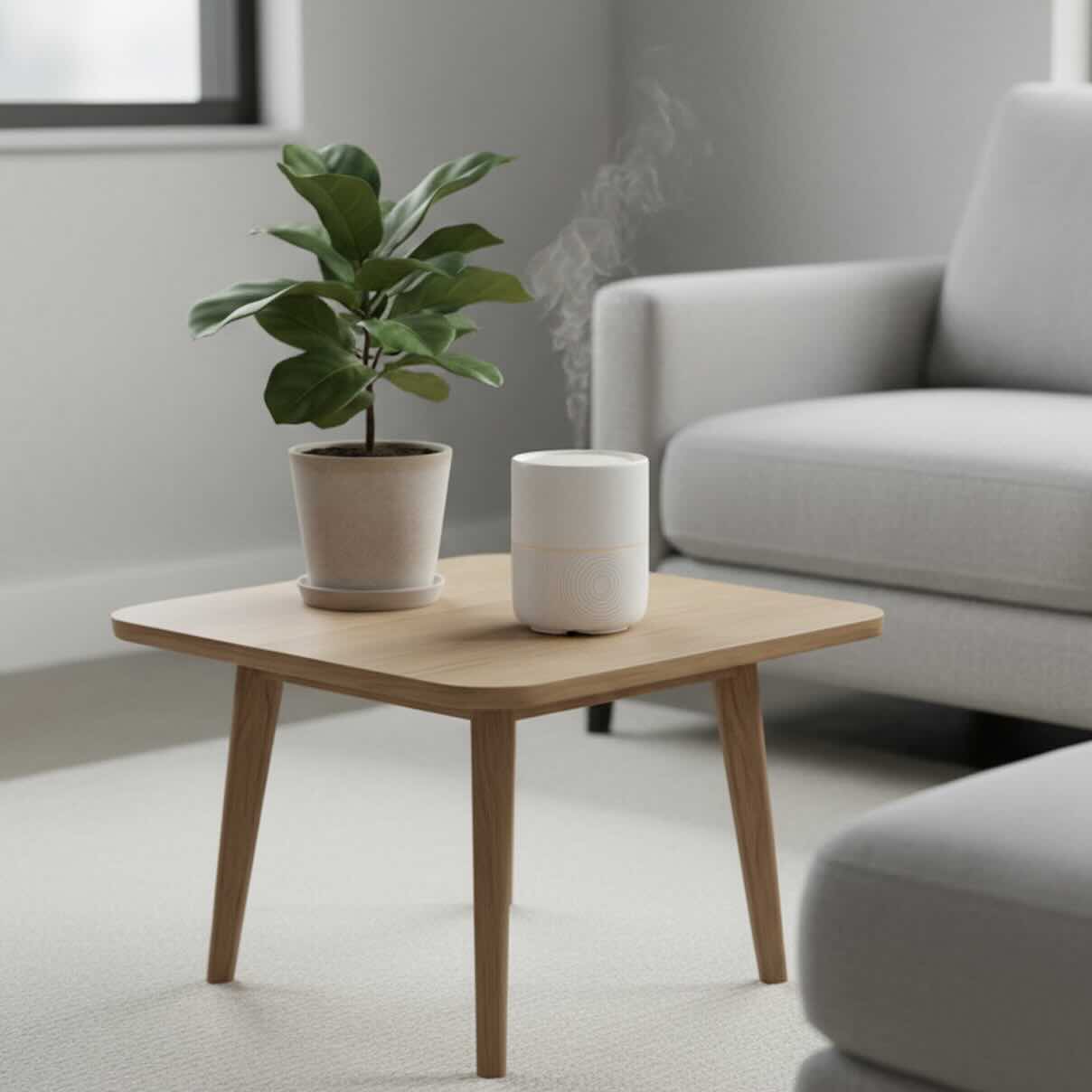
Natural air fresheners use various methods to disperse beneficial plant compounds throughout your space. Reed diffusers employ capillary action, drawing essential oil blends up wooden reeds where they evaporate into the air naturally. Electric diffusers create fine mists that suspend essential oil molecules in the air for extended periods. Both methods deliver authentic botanical scents without propellants, solvents, or synthetic fragrance chemicals.
Hydrosols—the aromatic water produced during essential oil distillation—offer another gentle freshening option. Rose water, lavender water, and orange blossom water contain trace amounts of essential oils dissolved in purified water. These can be sprayed directly into air or on fabrics for subtle, natural scent. The delivery system matters as much as the ingredients when creating truly non-toxic freshness.

When you browse reviews for natural air fresheners on Amazon, products from brands like Pura D'or, AromaTech, and Mrs. Meyer's Clean Day consistently receive thousands of positive ratings. Users report that these non-toxic alternatives effectively freshen spaces when used correctly, though expectations need adjustment from conventional products. One verified purchaser explained that switching to essential oil diffusers eliminated her chronic headaches that appeared every evening—headaches she hadn't connected to her plug-in air fresheners.
Another customer shared detailed feedback about reed diffusers: they work beautifully in smaller spaces like bathrooms and entryways, providing subtle, continuous scent for 4-6 weeks. However, they're insufficient for large, open-concept rooms where stronger scent distribution is needed. Users appreciate that natural air fresheners don't leave sticky residues on furniture or create that artificial "perfume" smell that clings to clothing. The consensus shows these products excel at maintaining freshness rather than combating severe odors.
The zero-waste and natural living communities on Reddit offer unfiltered experiences with natural air fresheners. Users frequently recommend DIY solutions: simmering citrus peels and cinnamon sticks, placing bowls of vinegar to absorb cooking odors, and creating essential oil spray mixtures. One detailed post compared five commercial natural freshening products against homemade versions, finding that DIY options often performed equally well at a fraction of the cost.
Feel matters tremendously when evaluating botanical air fresheners. Multiple users note that essential oil scents smell authentic rather than chemical—lavender actually smells like the plant, not a synthetic approximation. The immediate results include genuinely fresh-smelling rooms without that heavy, artificial fragrance layer that conventional products create. Your space smells clean and inviting, and guests notice the difference. Breathing feels easier, particularly for those with asthma or chemical sensitivities.
Natural air fresheners perform differently depending on room size, ventilation, and odor intensity. In bathrooms, a small essential oil diffuser or gel freshener works wonderfully, neutralizing odors within minutes while adding pleasant botanical scent. Kitchens benefit from activated charcoal bags near trash cans and compost bins, with occasional simmer pots when cooking strong-smelling foods. These non-toxic solutions handle daily freshening needs admirably.
Bedrooms respond beautifully to lavender or chamomile reed diffusers, creating calming environments that support better sleep. Living areas need more robust solutions—larger diffusers or multiple reed units positioned strategically throughout the space. Pet owners report excellent results combining baking soda carpet deodorizing with regular essential oil diffusion. The key is matching the natural air freshener type and strength to your specific situation rather than expecting one product to handle everything.

Natural air fresheners genuinely deliver on safety promises when formulated with pure essential oils and simple ingredients. Unlike conventional air fresheners that can contain carcinogens, neurotoxins, and hormone disruptors, botanical alternatives use ingredients with established safety profiles. The Environmental Working Group has documented that traditional air fresheners emit volatile organic compounds (VOCs) that contribute to indoor air pollution, triggering asthma attacks and allergic reactions in sensitive individuals.
Chemical-free air freshening means avoiding synthetic musks, phthalates (used to make scents linger), and propellants like butane and propane found in aerosol sprays. Natural options use plant extracts, essential oils, and mineral-based ingredients that break down readily without accumulating in your body or home. When you choose truly non-toxic fresheners, you're eliminating a significant source of daily chemical exposure that most people don't even realize exists.
Not all products marketed as "natural air fresheners" meet that promise. Some contain "fragrance" or "parfum" on ingredient lists—terms that legally hide dozens of undisclosed synthetic chemicals. Authentic botanical fresheners list specific essential oils and plant extracts by name: lavender oil, cedarwood essential oil, orange peel extract. This transparency allows you to verify ingredients and avoid specific allergens.
Pure essential oils themselves require respect and proper use. They're highly concentrated plant extracts that can cause skin irritation if applied undiluted or trigger reactions in people with specific allergies. When used appropriately in diffusers or diluted properly in sprays, they're remarkably safe. The key is purchasing therapeutic-grade oils from reputable suppliers rather than synthetic "fragrance oils" marketed deceptively. Quality sourcing determines whether your natural air freshener truly supports health or introduces different problems.
Some ingredients marketed as natural aren't actually safe for continuous inhalation. Synthetic benzene derivatives sometimes appear in products labeled "naturally derived." Parabens can hide in preservatives for spray fresheners. Even some essential oils require caution—wintergreen and birch contain high concentrations of methyl salicylate, which can be toxic in excessive amounts. Eucalyptus oil shouldn't be used around very young children due to potential respiratory irritation.
Reading ingredient lists carefully ensures your natural air freshener genuinely protects rather than harms. Look for products certified by organizations like MADE SAFE or carrying EWG Verified marks. These third-party certifications guarantee rigorous ingredient screening. Your non-toxic freshening routine should include only substances you'd feel comfortable having your family breathe continuously, day after day.
Children's developing respiratory systems are particularly vulnerable to synthetic air freshener chemicals. Their faster breathing rates mean they inhale proportionally more air—and more contaminants—per pound of body weight than adults. Studies show that children exposed regularly to conventional air fresheners have higher rates of ear infections, diarrhea, and respiratory symptoms. Switching to natural air fresheners eliminates these risks while still maintaining pleasant-smelling living spaces.
Babies and toddlers spend significant floor time where heavier-than-air chemicals concentrate. When you spray conventional fresheners, those chemicals settle onto surfaces children touch and put in their mouths. Non-toxic alternatives using essential oils and natural ingredients don't create this toxic residue problem. Parents consistently report fewer respiratory issues and better sleep quality for their children after eliminating synthetic air fresheners from their homes.
Not all natural air fresheners are automatically safe for babies and young children. Some essential oils require caution around little ones. Peppermint and eucalyptus oils can cause breathing difficulties in children under age two due to high menthol content. Wintergreen oil contains compounds that are toxic to young children even in small amounts. When selecting botanical air fresheners for homes with young kids, choose gentler options like lavender, chamomile, and sweet orange.
The concentration matters significantly. Diffusers should run intermittently rather than continuously in nurseries—perhaps 30 minutes at a time with windows cracked slightly. This provides gentle, natural scent without overwhelming developing systems. Many pediatricians recommend waiting until babies are at least three months old before introducing any essential oils into their environment. These precautions ensure your non-toxic freshening approach truly supports your children's health.
During pregnancy, your body's increased sensitivity to smells serves a protective function. Many conventional air freshener chemicals cross the placental barrier, potentially affecting fetal development. Research links phthalates—common in synthetic fragrances—to reproductive problems and developmental issues. Natural air fresheners eliminate these concerning exposures while helping manage pregnancy-related nausea triggered by strong odors.
Some essential oils require caution during pregnancy despite being natural. Clary sage, rosemary, and juniper oils may stimulate uterine contractions and should be avoided, particularly in the first trimester. Safe options include citrus oils, lavender, and chamomile used in moderation. Many expecting mothers find that simple baking soda absorption works beautifully for odor control without introducing any aromatics during sensitive periods.
Cats, dogs, and birds have different metabolisms than humans, making some natural air fresheners dangerous for pets despite being safe for people. Cats lack certain liver enzymes needed to metabolize essential oils, making them particularly vulnerable to toxicity. Tea tree oil, eucalyptus, and citrus oils can cause serious problems in cats even from diffuser exposure. Dogs generally tolerate essential oils better but can still experience toxicity from concentrated exposure.
Birds have extremely sensitive respiratory systems—their efficient lung structure that enables flight also makes them vulnerable to airborne toxins. Teflon fumes famously kill pet birds, and some essential oils pose similar risks. If you keep birds, stick with simple baking soda and activated charcoal absorption rather than any dispersed aromatics. For homes with cats and dogs, choose pet-safe natural air fresheners specifically formulated to avoid problematic compounds.

Natural air fresheners vary dramatically in upfront cost depending on type and quality. A basic essential oil diffuser runs $15-40, with high-quality therapeutic-grade essential oils costing $8-20 per 10ml bottle. This seems expensive compared to $3 aerosol cans, but the economics shift when you calculate cost-per-use. A single 10ml bottle provides 200-300 drops, creating dozens of freshening sessions. Your initial investment pays off within the first month.
Reed diffuser sets from quality brands like Vitruvi or Paddywax cost $30-60 and last 4-6 weeks. Refill oils run $15-25 for another month of continuous scenting. Activated charcoal bags (200g) cost $8-12 each and work effectively for up to two years when periodically refreshed in sunlight. These non-toxic options compete favorably with the ongoing expense of constantly replacing conventional plug-ins and aerosol sprays.
Homemade natural air fresheners offer the most economical approach to non-toxic home freshening. A box of baking soda costs $1 and deodorizes multiple rooms for months. A gallon of white vinegar ($3-4) absorbs odors throughout your home. Making your own essential oil room spray requires just water, alcohol (vodka works perfectly), and a few drops of oil—total cost under $0.50 per 8-ounce bottle.
Simmer pots using citrus peels, cinnamon sticks, and vanilla extract create hours of beautiful natural scent for pennies. You're essentially recycling food waste (orange and lemon peels you'd otherwise discard) into effective air freshening. When you calculate the cost-per-use for DIY botanical fresheners, you're spending mere cents per day compared to dollars for conventional products. The savings accumulate substantially over time.
Amazon offers competitive pricing on natural air fresheners with Subscribe & Save discounts of 5-15% on recurring orders. Vitacost and Thrive Market provide significant savings on essential oils and diffusers for members—annual membership fees pay for themselves quickly. Target and HomeGoods carry mid-range options like Mrs. Meyer's and Enviroscent at reasonable prices with frequent sales and coupons.
For premium essential oils, buying directly from reputable suppliers like Plant Therapy, Rocky Mountain Oils, or Edens Garden provides the best quality assurance and value through loyalty programs. These companies offer organic, therapeutic-grade oils with transparent sourcing. The long-term cost of natural air fresheners includes health benefits that conventional products cannot match: reduced respiratory issues, fewer headaches, and decreased chemical body burden translating to potential healthcare savings.
When evaluating value, consider the full lifecycle cost of freshening your home. A family using conventional plug-ins and aerosol sprays spends approximately $20-40 monthly replacing products and running electric units. Natural air fresheners using diffusers and essential oils cost roughly $15-25 monthly, with most expense in quality oils. DIY approaches can reduce monthly spending to under $10 while achieving similar or better results.
Factor in the hidden costs of conventional fresheners: potential medical expenses from respiratory irritation, allergy symptoms, and chemical sensitivities. Many families report eliminating these costs after switching to non-toxic alternatives. Your natural air freshener investment protects health while freshening your home, delivering value that transcends simple price comparisons. The true economy lies in what you're not spending on healthcare and what you're not exposing your family to daily.
When comparing natural air fresheners, Vitruvi, Enviroscent, and Pura represent three distinct approaches to non-toxic home freshening. Vitruvi offers minimalist essential oil diffusers with clean aesthetics and organic, certified pure oils. Their stone diffusers cost $119-149 but last for years while adding design element to your décor. Users appreciate the quality construction and genuine therapeutic-grade oils, though some find the price prohibitive for multiple rooms.
Enviroscent takes a different angle with its patented vapor-diffusion technology that disperses fragrance without heat, water, or electricity. Their cartridges contain only essential oils and plant-based ingredients, lasting 30 days in spaces up to 300 square feet. Customers love the convenience and effectiveness, particularly for bathrooms and bedrooms. The cartridge system costs about $12 monthly per unit—more than DIY options but offering superior convenience for those valuing ease.
Pura represents the smart home approach to natural air fresheners. Their WiFi-connected diffusers let you control scent intensity, schedules, and selection via smartphone app. The device ($35) uses fragrance vials ($16 each, lasting 120 hours) containing essential oil blends. While convenient and offering some natural options, not all Pura fragrances are purely botanical—some contain synthetic components. It bridges conventional and natural freshening, appealing to tech-savvy consumers beginning their non-toxic journey.
For purists seeking completely natural solutions, traditional reed diffusers from brands like Paddywax or homemade versions using bamboo skewers provide chemical-free freshening without electricity or technology. These cost $15-40 for commercial versions or under $10 for DIY options. The trade-off is less scent throw and no adjustability, but they offer authentic botanical fragrance from genuine essential oils suspended in natural carrier oils.
When you place natural air fresheners side-by-side with conventional products like Glade, Febreze, or Air Wick, the health differences far outweigh performance considerations. Traditional products use synthetic fragrance compounds, propellants, and preservatives that create immediate strong scent but introduce dozens of chemicals into your breathing space. Natural alternatives provide gentler, authentic botanical scents that work more slowly but without toxic trade-offs.
Performance metrics differ between categories. Conventional fresheners deliver intense immediate fragrance that masks odors powerfully but dissipates quickly, requiring frequent respraying. Non-toxic options neutralize odors at the source through absorption (baking soda, charcoal) or antimicrobial action (essential oils), providing longer-lasting but less immediately noticeable results. Many users find that once acclimated to natural fresheners, conventional products smell overwhelmingly chemical and artificial in comparison.

Natural air fresheners successfully deliver fresh-smelling homes without compromising indoor air quality or exposing families to synthetic chemicals. Whether you choose essential oil diffusers, reed systems, or simple odor absorbers like baking soda and activated charcoal, you'll achieve authentic freshness while protecting respiratory health. The performance differs from conventional products—gentler, more authentic, and slower-acting—but these qualities prove advantageous once you experience breathing easier and eliminating chemical headaches.
The transition to botanical air fresheners requires adjusting expectations formed by decades of synthetic fragrance marketing. Your home won't smell like artificial "spring rain" or "Hawaiian breeze," because those scents don't exist in nature. Instead, spaces smell like actual lavender, real citrus, genuine cedar—subtle, authentic, and far more pleasant once your senses readjust. Most families report never wanting to return to conventional products after experiencing truly clean, non-toxic freshness.
For families with young children, stick with gentle essential oils like lavender and sweet orange, or rely primarily on odor absorption through baking soda and activated charcoal. Avoid continuous diffusion in nurseries, opting instead for intermittent use. Pet owners, particularly those with cats or birds, should prioritize absorption methods over any dispersed aromatics. When in doubt, consult your veterinarian about specific essential oil safety for your pets.
Budget-conscious households benefit most from DIY natural air fresheners combining baking soda absorption, vinegar odor neutralization, and homemade essential oil sprays. This approach costs under $10 monthly while effectively managing household odors. Those valuing convenience might prefer systems like Enviroscent cartridges or quality reed diffusers that require minimal attention while providing continuous botanical scent. The best natural air freshener matches your specific health priorities, lifestyle needs, and aesthetic preferences.
Begin your transition by identifying your home's primary odor challenges. Kitchens benefit from activated charcoal near trash and simmer pots during cooking. Bathrooms work well with small essential oil diffusers or gel fresheners. Bedrooms respond beautifully to lavender reed diffusers promoting relaxation and better sleep. Living areas might need larger diffusers or multiple strategic placement points for adequate scent distribution.
Eliminate conventional air fresheners completely rather than gradually—your nose needs to reset from synthetic fragrance addiction. The first week might feel stark as you notice actual household smells you'd been masking. Within two weeks, your olfactory system recalibrates, and you'll appreciate how genuinely fresh your home smells with natural air fresheners. This simple secret transforms your environment into the healthy sanctuary it should be: clean, safe, and authentically fresh.
* AI Disclosure: This article was developed with the assistance of AI language models, which aided in research, drafting, and/or editing. We strive for accuracy, but AI-generated content can occasionally contain errors. We recommend you double-check and verify information before making decisions based on this content.