Explore the ultimate options for clean, natural infant formula. Learn the proven secret to simple, organic feeding for your baby instantly.
Tchiki Davis, M.A., Ph.D.
*This post may contain affiliate links. If you click and make a purchase, we may earn a small commission at no extra cost to you.
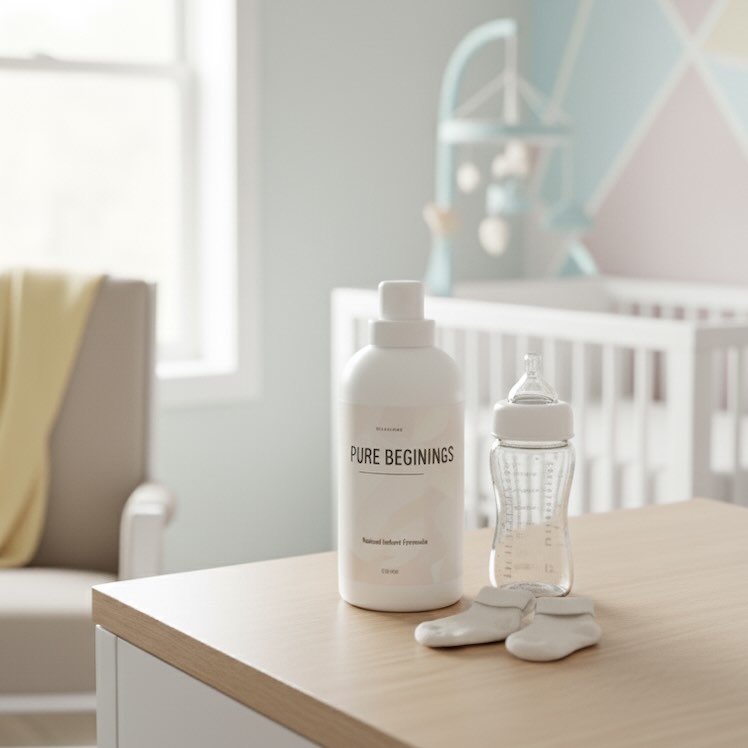
When you're preparing to welcome a new baby or navigating those early months of parenthood, few decisions feel as weighty as choosing what your infant will eat. If breastfeeding isn't possible or you're supplementing, the formula aisle can feel overwhelming. You're not just looking for nutrition—you're seeking peace of mind.
You want to know that what you're feeding your baby is free from unnecessary chemicals, synthetic additives, and hidden toxins that could impact their developing body.
The good news is that the landscape of infant formula has evolved dramatically. Natural, clean-label baby formulas now exist that prioritize organic ingredients, minimal processing, and transparency. These products are designed with your baby's health and your values in mind. This guide will walk you through everything you need to understand about selecting the safest natural infant formula, from ingredient science to real parent experiences, safety considerations, and how these options stack up against conventional choices.
Natural infant formula typically means the product uses organic ingredients, avoids synthetic additives, and sources nutrients from whole-food origins when possible. The science behind these formulas focuses on mimicking breast milk's nutritional profile while eliminating potentially harmful substances. Quality natural baby formulas contain organic lactose or organic milk as the primary carbohydrate source, plant-based oils for essential fatty acids, and vitamins derived from natural sources.
The mechanism of how infant formula works is straightforward: it provides complete nutrition to support your baby's growth during their first year. Natural formulas achieve this through carefully balanced proteins, fats, and carbohydrates. Organic milk proteins are easier for some babies to digest compared to conventional options. The fatty acid profile in natural formulas often includes DHA and ARA from algal or fungal sources rather than synthetic versions.
When evaluating natural infant formula options, you'll want to identify specific ingredients that signal quality. Organic whole milk or organic skim milk should appear at the top of the ingredient list. Lactose is the preferred carbohydrate because it's naturally present in breast milk. Organic vegetable oils provide necessary fats, though you'll want to avoid formulas heavy in inflammatory seed oils.
Natural formulas often include probiotics like Lactobacillus reuteri to support digestive health. These beneficial bacteria help establish healthy gut flora in your baby's developing microbiome. Prebiotics such as galactooligosaccharides (GOS) feed these good bacteria. The science shows that babies consuming formula with probiotics may experience less colic and constipation.
The promise of choosing safe, clean infant formula lies in supporting optimal development without exposing your baby to questionable ingredients. Natural baby nutrition provides the building blocks for brain growth, immune function, and physical development. DHA supports cognitive development and vision. Iron prevents anemia and supports brain development. Organic ingredients reduce exposure to pesticides and antibiotics used in conventional dairy farming.
Research indicates that organic dairy contains higher levels of omega-3 fatty acids compared to conventional milk. This nutritional advantage translates into the infant formula made from these sources. When you choose natural options, you're selecting ingredients that work with your baby's biology rather than introducing synthetic compounds that their system must process.
Real reviews from parents who've switched to natural infant formula reveal important insights about performance. Many report that their babies accepted organic formulas readily, sometimes even preferring them to conventional options. The taste of natural baby formula tends to be slightly sweeter due to organic lactose, which closely mirrors breast milk's natural sweetness. Parents on Amazon and Reddit consistently mention that babies who were fussy with conventional formulas often showed immediate improvement.
One common theme in reviews is digestive comfort. Parents report fewer instances of gas, constipation, and spit-up when using clean infant formulas. The performance of organic formulas in supporting healthy digestion appears consistently across multiple brands. Babies seem to tolerate the natural milk proteins better than heavily processed alternatives.
The practical aspects of using natural infant formula matter significantly in daily life. Most parents report that organic formulas dissolve easily in water, though some European brands require slightly more shaking than American versions. The feel of the powder is often finer and lighter compared to conventional options. Performance metrics show that natural formulas typically prepare quickly without clumping.
Immediate results that parents notice include better sleep patterns and reduced fussiness. Many reviews mention that babies seem more satisfied and content after feeding. The performance of these formulas in maintaining consistent weight gain and growth aligns with pediatric recommendations. Parents appreciate that they don't need to worry about synthetic additives affecting their baby's development.
Parents who've used safe baby formula for extended periods report sustained positive results. Babies maintain healthy growth curves and meet developmental milestones appropriately. Reviews frequently mention fewer illnesses and strong immune systems. Some parents attribute this to the organic ingredients and added probiotics in natural formulas. The overall performance satisfaction rates for clean infant nutrition options remain high across parent communities.

Safety vetting is perhaps the most critical aspect of choosing infant formula. Natural, toxin-free baby formula means scrutinizing every ingredient for potential concerns. Clean ingredients start with organic certification, which ensures no synthetic pesticides, herbicides, or GMOs were used in production. This dramatically reduces your baby's toxic load from day one.
Non-toxic infant formula avoids several problematic ingredients found in conventional options. Heavy metals like lead, arsenic, and cadmium can contaminate formula through soil, water, or processing. Organic farming practices and rigorous testing help minimize these risks. The safest natural formulas undergo third-party testing to verify purity and confirm they meet strict standards for heavy metal content.
When selecting clean baby formula, you'll want to avoid several specific ingredients:
Safe, natural infant formula relies on organic ingredients and avoids these questionable additives. The non-toxic approach means choosing brands that prioritize ingredient quality over cost savings. European formulas often have stricter regulations than American options, making them popular among parents seeking the cleanest possible nutrition.
Understanding safety promises requires knowing what certifications to look for. USDA Organic certification guarantees that at least 95% of ingredients are organic. The European Union Organic certification is even more stringent. Some brands voluntarily test for heavy metals and publish results, demonstrating commitment to non-toxic standards.
Clean Label Project is an independent organization that tests baby products for contaminants. Their star ratings help identify the safest options. When a natural infant formula earns high marks from multiple certifying bodies, you can trust that the safety promise is real. The most reputable brands maintain transparency about their sourcing, testing, and manufacturing processes.
Your baby's developing body is particularly vulnerable to toxic exposures during their first year. Their blood-brain barrier is more permeable, allowing substances to reach the brain more easily. Their detoxification systems are immature, meaning they can't process and eliminate toxins as efficiently as adults. Choosing safe baby formula becomes an act of protection during this critical development window.
Kids' safety considerations extend beyond just avoiding obvious toxins. Even ingredients that are safe for adults may not be appropriate for infants. For example, certain plant-based proteins can be harder to digest. Some babies have sensitivities to specific ingredients that wouldn't cause issues in older children. Understanding which ingredients are relatively toxic versus relatively non-toxic helps you make informed decisions.
Not all formula ingredients carry the same risk level. Some are clearly problematic, while others exist in a gray area. Synthetic DHA from hexane-extracted sources is more concerning than algal DHA. Maltodextrin isn't toxic but provides less nutritional value than organic lactose. Learning these distinctions helps you choose the safest natural infant formula for your family.
Relatively non-toxic ingredients include organic lactose, organic coconut oil, and naturally derived vitamins. These components support healthy growth without introducing concerning compounds. The safest formulas maximize these beneficial ingredients while minimizing anything questionable. Family safety improves when you understand the spectrum from completely safe to potentially problematic.
Some infants have heightened sensitivities that require extra careful formula selection. Babies with eczema, family history of allergies, or digestive issues need especially clean options. Safe to use means considering individual tolerance alongside general safety. Hypoallergenic natural formulas exist for babies who react to standard milk-based options.
Pregnancy safe practices should continue into infant feeding choices. Just as you avoided toxins while pregnant, maintaining those standards protects your baby's development. Family use of natural products creates a consistent low-toxic environment. When everyone in the household prioritizes clean ingredients, babies benefit from reduced overall toxic exposure.
Choosing non-toxic infant nutrition establishes patterns that benefit your child long-term. Starting with safe baby formula means your child's palate develops on clean, quality ingredients. This foundation makes transitioning to whole foods easier. Kids' safety consciousness begins with parent choices during infancy. When you prioritize toxin-free options from the beginning, you're setting the stage for a lifetime of health-conscious decisions.

Natural infant formula typically costs more than conventional options, and understanding why helps assess the value. Organic certification requires specific farming practices that cost more to implement. Clean ingredients from trusted sources command higher prices than commodity alternatives. The price reflects better quality control, testing, and sourcing standards that ensure your baby receives safe nutrition.
When comparing costs, consider that a typical baby consumes formula for about 12 months. The average natural baby formula costs between $30-$40 per canister, with each lasting about 5-7 days. Monthly costs range from $150-$240, depending on your baby's appetite and the specific brand. While this exceeds conventional formula prices by $50-$100 monthly, the investment in clean infant nutrition pays dividends.
Breaking down the actual cost per feeding helps put pricing in perspective. Most natural infant formulas cost approximately $1.50-$2.50 per bottle when prepared according to directions. This value represents complete nutrition without questionable ingredients. Compared to the potential costs of dealing with sensitivities, digestive issues, or long-term toxic exposures, safe baby formula offers significant value.
Where to buy natural infant formula affects your final cost. Purchasing directly from brand websites often includes subscription discounts of 10-15%. Amazon Subscribe & Save provides similar savings plus convenience. Some European formulas cost less when ordered through specialty retailers. Buying in bulk reduces per-unit costs, though ensure you can use the formula before expiration.
The long-term cost of choosing safe, natural infant formula extends beyond the price tag. Babies who digest their formula well typically consume appropriate amounts without waste. Reduced medical visits for digestive issues or sensitivities save money on copays and treatments. The value of peace of mind knowing you're feeding your baby the cleanest possible nutrition is difficult to quantify but very real.
Several approaches can reduce your costs while maintaining quality:
Price shouldn't be the only factor in choosing infant formula, but smart shopping helps manage costs. The value of natural baby nutrition justifies the investment when you consider your baby's health. Where to buy depends on your priorities—some parents prefer supporting small companies directly, while others need the convenience of major retailers.
The most fundamental comparison is between natural infant formulas and conventional alternatives. Standard formulas often contain corn syrup solids, GMO ingredients, and synthetic additives. The best natural baby formulas use organic lactose, avoid questionable ingredients, and undergo more rigorous testing. While conventional options meet FDA requirements, they represent minimum standards rather than optimal nutrition.
Conventional formula advocates point to lower costs and widespread availability. However, when comparing alternatives, consider what you're actually getting. Conventional formulas may contain pesticide residues, synthetic nutrients, and lower-quality protein sources. Natural options provide cleaner nutrition that more closely mirrors breast milk's composition. The difference in ingredient quality justifies the price premium for many families.
Among natural and organic options, several brands stand out. European formulas like HiPP and Holle have decades-long reputations for quality. These alternatives use biodynamic farming practices and stricter regulations than American products. Domestic options like Earth's Best and Happy Baby offer organic certification with easier availability in the US.
When comparing the best infant formula options, consider protein sources, additional ingredients, and certifications. Some European brands use goat milk instead of cow milk, offering alternatives for babies with sensitivities. The top natural formulas share common features: organic certification, lactose as primary carbohydrate, minimal processing, and transparent ingredient sourcing.
HiPP vs. Similac Organic represents the European versus American approach. HiPP uses biodynamic ingredients and stricter EU regulations, while Similac Organic follows USDA standards. Both avoid concerning additives, but HiPP's ingredient list is shorter and simpler. The best choice depends on your priorities—HiPP requires international shipping but offers cleaner ingredients.
Holle vs. Earth's Best shows differences within the natural category. Holle uses demeter-certified biodynamic ingredients, representing the highest organic standard. Earth's Best is more affordable and widely available domestically. Both are excellent alternatives to conventional formula. Your decision might come down to budget versus accessing the absolute cleanest possible ingredients.
Choosing between natural infant formula options requires weighing multiple factors. The best formula for your baby might not be the most expensive or exclusive. Consider your baby's individual needs, your budget, availability, and personal values. Some babies thrive on more affordable organic options, while others do better with premium European brands.
Testing different alternatives within the natural category can help identify what works best. Start with one option and observe your baby's response for at least a week. Signs of a good match include comfortable digestion, healthy weight gain, and contentment between feedings. The best natural baby formula is ultimately the one that nourishes your specific baby while meeting your safety standards.

Choosing the safest natural infant formula offers numerous benefits that justify the investment. Clean ingredients reduce your baby's toxic exposure during critical development. Organic certification ensures freedom from pesticides, herbicides, and GMOs. Natural baby formulas typically include beneficial additions like probiotics and prebiotics that support digestive and immune health.
The pros extend beyond just avoiding negatives. Quality natural formulas provide superior nutrition through better ingredient sourcing. Organic dairy contains higher omega-3 levels and comes from cows raised without antibiotics or growth hormones. Parents consistently report better tolerance, less fussiness, and improved digestion. The peace of mind knowing you're feeding your baby clean nutrition is invaluable during those precious early months.
Natural infant formula isn't without challenges. The most obvious con is cost—expect to pay 50-100% more than conventional options. Availability can be limited, especially for European brands requiring international shipping. Some natural formulas have shorter shelf lives due to avoiding synthetic preservatives. These practical considerations matter when managing a household budget and baby's feeding schedule.
Other cons include potential adjustment periods when switching from breast milk or conventional formula. Natural options sometimes mix differently or taste slightly different. Limited variety exists compared to the numerous conventional formulas available. For families needing specialized formulas for medical conditions, natural options may not always exist. These drawbacks are real but manageable for most families prioritizing clean nutrition.
For parents seeking the safest natural infant formula, we recommend starting with certified organic options that match your budget and values. European brands like HiPP or Holle represent the gold standard for clean ingredients and strict regulations. If budget or availability is a concern, domestic organic brands like Earth's Best provide excellent nutrition with easier access.
The recommendation ultimately depends on your specific situation. Every baby is unique, and the best formula meets your child's individual needs while aligning with your safety standards. Start with one high-quality natural option and give it adequate time for your baby to adjust. Watch for positive signs like comfortable digestion and steady growth.
Choosing safe baby formula is one of the most important decisions you'll make for your infant. Don't let the overwhelming number of options paralyze you. Start with the information in this guide, research specific brands that meet your criteria, and make a choice. Your baby will benefit from natural infant nutrition regardless of which specific clean formula you select.
Remember that feeding your baby—whether through breastfeeding, formula, or combination—is an act of love. Choosing the safest natural infant formula demonstrates your commitment to protecting your child from unnecessary toxins. Trust your instincts, consult your pediatrician about specific concerns, and feel confident that prioritizing clean ingredients gives your baby the healthiest possible start.
* AI Disclosure: This article was developed with the assistance of AI language models, which aided in research, drafting, and/or editing. We strive for accuracy, but AI-generated content can occasionally contain errors. We recommend you double-check and verify information before making decisions based on this content.