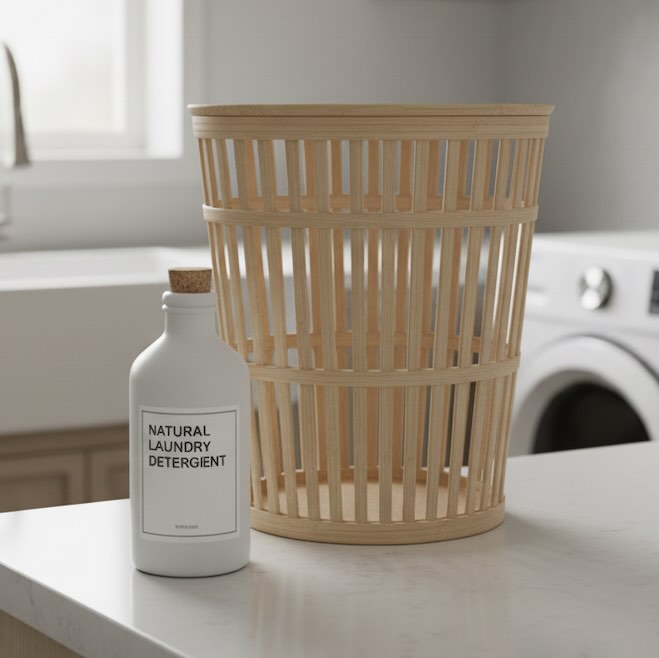
Explore eco-friendly laundry solutions that protect your family and planet from harsh chemicals.
Tchiki Davis, M.A., Ph.D.
*This post may contain affiliate links. If you click and make a purchase, we may earn a small commission at no extra cost to you.
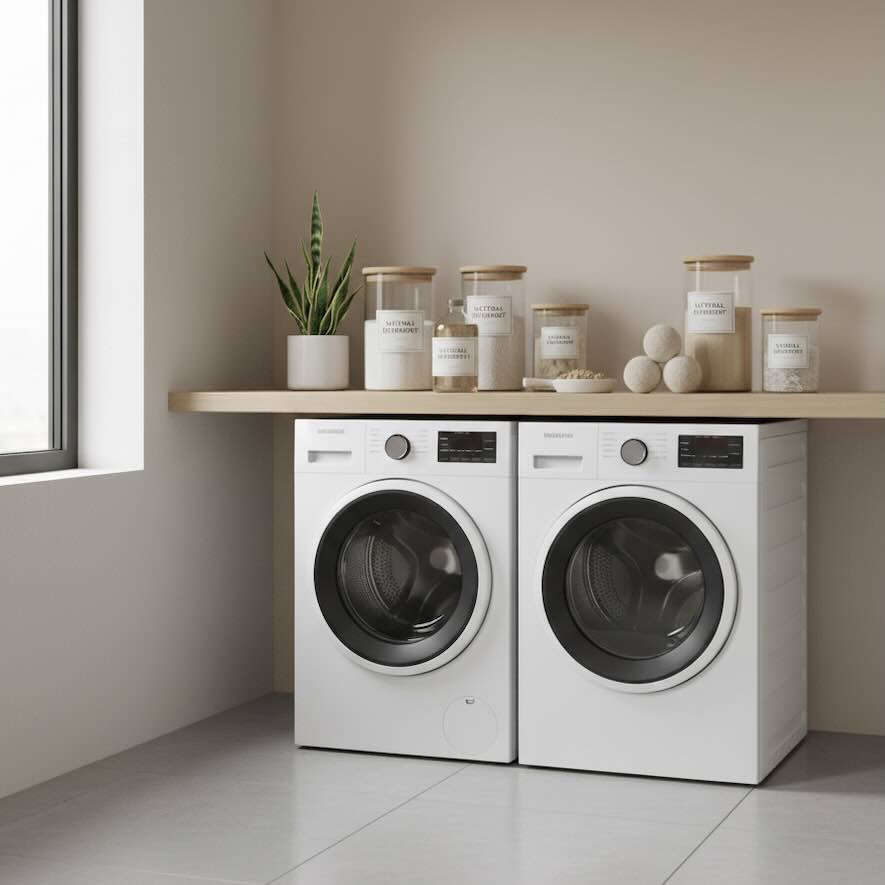
Every week, you wash loads of laundry that touch your skin for hours each day, yet conventional laundry products contain a cocktail of synthetic chemicals that leave residues in your clothing, absorb through your skin, and pollute waterways. Synthetic fragrances, optical brighteners, phosphates, chlorine bleach, and petroleum-based surfactants create a toxic burden for both your body and the environment.
What seems like a simple household chore becomes a daily source of chemical exposure that accumulates over time, potentially affecting your health and contributing to ecological damage.
Natural laundry products offer a comprehensive solution that cleanses effectively while protecting your family's health and the planet's ecosystems. These eco-friendly alternatives use plant-based ingredients, biodegradable formulas, and minimal packaging to deliver clean clothes without the toxic trade-offs. But navigating the green laundry market requires knowledge—greenwashing is widespread, with many products claiming environmental benefits while containing problematic ingredients or misleading consumers with vague "natural" labels. This ultimate guide will help you understand what makes laundry products genuinely clean and green, how these alternatives perform in real-world use, which ingredients and certifications to trust, and how to build a complete sustainable laundry routine. You'll learn to create an eco-friendly wash cycle that protects your health, saves money long-term, and reduces your environmental footprint without sacrificing cleaning power or convenience.
Traditional laundry detergents, fabric softeners, and stain removers rely on petroleum-derived chemicals that don't biodegrade readily. When these substances wash down your drain, they enter waterways where they accumulate, harming aquatic life and disrupting ecosystems. Phosphates cause algae blooms that deplete oxygen and kill fish. Synthetic surfactants persist in water systems for years.
Natural laundry products use plant-based surfactants derived from coconut, palm, or sugar that biodegrade completely within days. These eco-friendly cleaners break down into harmless components that don't accumulate in ecosystems. This fundamental difference means your laundry routine either contributes to environmental degradation or operates in harmony with natural cycles.
Plant-derived surfactants work through the same mechanism as synthetic versions—their molecules have water-loving and oil-loving ends that surround dirt particles, allowing them to rinse away. The key difference lies in their source and biodegradability. Coconut-based cleansers like sodium coco sulfate perform as effectively as petroleum alternatives while breaking down naturally.
Enzymes in eco-friendly laundry products provide powerful stain-fighting without harsh chemicals. Protease breaks down protein stains, amylase targets starches, lipase handles oils and fats, and cellulase removes particulate soil. These biological catalysts occur naturally in nature and completely biodegrade after use, making them cornerstone ingredients in green cleaning formulas.
Oxygen bleach (sodium percarbonate) replaces chlorine bleach in natural laundry products, providing whitening and stain removal without toxic fumes or environmental harm. When dissolved in water, it releases hydrogen peroxide and soda ash—both break down into water and oxygen, leaving no harmful residues in waterways or on your clothing.
Truly sustainable laundry extends beyond detergent to include fabric softeners, stain removers, and bleach alternatives. Natural laundry products offer plant-based options for every step. White vinegar serves as an excellent fabric softener, removing detergent residue and softening fibers without synthetic chemicals. Baking soda boosts cleaning power and neutralizes odors naturally.
Stain removal in eco-friendly systems relies on targeted enzymes, oxygen bleach, and mechanical action rather than harsh solvents. Pre-treating with concentrated plant-based soap or enzyme sprays handles most stains effectively. For stubborn marks, sunlight provides natural bleaching power without any chemicals whatsoever.
Wool dryer balls replace synthetic dryer sheets, reducing drying time through improved air circulation while naturally softening fabrics. These reusable alternatives eliminate waste and chemical exposure from traditional fabric softener sheets that coat clothing with synthetic fragrances and waxy residues.
Here's what natural laundry products ingredients accomplish:
Understanding the science behind green laundry helps you recognize that eco-friendly products aren't sacrificing effectiveness—they're choosing smarter chemistry that works with nature rather than against it.
When you explore Amazon reviews for popular natural laundry products like Seventh Generation, Ecover, or Molly's Suds, consistent patterns emerge regarding performance. Users washing everyday loads—children's school clothes, workout gear, towels—report that green formulas clean as effectively as conventional detergents when proper dosing and water temperature are used.
Reddit communities focused on zero-waste and sustainable living provide honest feedback about eco-friendly laundry performance. Users emphasize that natural laundry products work best when you address the entire system: using appropriate water temperature, pre-treating stains, avoiding overloading, and ensuring proper washing machine maintenance. These products excel when used correctly.
How do plant-based detergents feel and perform compared to conventional products? The lather differs noticeably—eco-friendly formulas produce less foam because they lack synthetic foaming agents. However, bubbles are cosmetic, not functional. Users report that clothes come out just as clean despite minimal suds, once they adjust expectations.
Scent represents another significant difference. Natural laundry products either remain unscented or use essential oils for light, authentic botanical fragrance. You won't find "Ocean Breeze" or "Mountain Fresh" artificial scents. Most users grow to prefer subtle natural fragrances or completely neutral-smelling laundry, appreciating that their clothes smell genuinely clean rather than chemically masked.
Fabric softener alternatives require the biggest adjustment. Wool dryer balls don't coat fabrics with chemicals, so clothes feel different—natural fiber texture rather than synthetic smoothness. White vinegar in the rinse cycle softens effectively without residue. Users report that after a few washes removing conventional product buildup, their fabrics feel softer naturally.
Stain removal with eco-friendly products demands more intentional pre-treatment. Grass stains, grease marks, and set-in spots respond well to enzyme-based natural stain removers when applied 10-15 minutes before washing. Users report excellent results matching or exceeding conventional products once they master proper application techniques.
Amazon reviewers frequently test green formulas on challenging scenarios: cloth diapers, heavily soiled work clothes, pet bedding with odors, and kids' art-stained garments. Quality natural laundry products handle these challenges when users select appropriate formulas—enzyme-rich options for organic stains, oxygen bleach boosters for whitening, and extra-strength versions for heavy soil.
Cold water washing works reliably with modern eco-friendly detergents formulated specifically for lower temperatures. Users report energy savings from reduced hot water use without sacrificing cleaning performance. Enzymes in plant-based formulas activate even in cold water, breaking down stains effectively while reducing environmental impact.
Color-safe bleaching with oxygen-based natural products preserves fabric colors while removing stains and brightening whites. Users appreciate avoiding the fabric damage and color fading that chlorine bleach causes. Their colored clothing maintains vibrancy longer when washed with gentler green alternatives.
Here's what users consistently report about natural laundry products performance:
The consensus among long-term users is that natural laundry products deliver comparable or superior results to conventional options, especially once you optimize your technique and give fabrics time to shed synthetic residue buildup.

Terms like "natural," "eco-friendly," and "green" lack strict regulatory definitions in cleaning products, allowing manufacturers to use them liberally. Genuinely sustainable laundry products should contain plant-based or mineral-based ingredients that biodegrade completely, come in minimal or recyclable packaging, and avoid all toxic chemicals harmful to human health or ecosystems.
Third-party certifications provide reliable verification beyond manufacturer claims. Look for EPA Safer Choice, USDA Organic, EWG Verified, Leaping Bunny (cruelty-free), or EcoCert seals. These require independent testing against rigorous environmental and health safety standards. Natural laundry products bearing these certifications have earned their green claims through verified testing.
Reading complete ingredient lists remains essential despite certifications. Truly clean formulas list recognizable plant-based surfactants, enzymes, and minerals. If you see long chemical names you can't pronounce or vague terms like "fragrance," question whether the product deserves its eco-friendly marketing.
Many conventional brands now offer "plant-based" or "natural" line extensions that aren't substantially different from regular formulas. These products might add a few plant-derived ingredients while maintaining synthetic fragrances, optical brighteners, or questionable preservatives. Images of leaves and soft color palettes create impressions of purity without comprehensive formula changes.
Phrases like "biodegradable formula" can be misleading—technically, almost everything biodegrades eventually, but the timeline matters. Truly green natural laundry products biodegrade within days or weeks, not years. Look for specific language about "readily biodegradable" or "biodegrades in 28 days" rather than vague claims.
Concentrated formulas sometimes market themselves as environmentally friendly simply because they use less packaging per load. While concentration helps, it doesn't make ingredients green. A concentrated toxic chemical remains toxic. Verify that eco-friendly products combine concentration with genuinely clean ingredients.
The phrase "chemical-free" requires clarification—everything is technically chemicals, including water. What consumers mean is formulas using simple, naturally-occurring compounds rather than synthetic chemicals requiring industrial processing. Think washing soda and plant-based soap rather than petroleum-derived surfactants and synthetic polymers.
Plant-based doesn't automatically guarantee environmental safety. Palm oil cultivation raises serious deforestation concerns. Sustainable natural laundry products source palm-derived ingredients from certified sustainable farms or use alternatives like coconut-based surfactants. Responsible brands address their entire supply chain's environmental impact.
Phosphates, once ubiquitous in detergents, have been banned or restricted in many regions due to their devastating effects on waterways. However, some products still contain them where legally permitted. Eco-friendly formulas avoid phosphates entirely, using alternative water softeners that don't trigger algae blooms and aquatic dead zones.
Here are key indicators of genuinely natural laundry products:
Quality green laundry products prioritize environmental safety throughout the entire lifecycle—from ingredient sourcing through manufacturing, use, and disposal—ensuring your clean clothes don't come at the planet's expense.
Children's clothing maintains prolonged contact with their more permeable skin, making laundry product residues a significant exposure source. Kids also frequently put fabric in their mouths—blankets, stuffed animals, clothing. Using natural laundry products eliminates synthetic fragrances, optical brighteners, and harsh chemicals from these intimate daily contacts.
Babies with sensitive skin often experience dramatic eczema improvements after families switch to eco-friendly detergents. Pediatric dermatologists increasingly recommend fragrance-free, plant-based formulas as first-line treatment before prescribing medications. Many parents report that mysterious rashes clear up completely with this simple change.
School-age children benefit from reduced exposure to hormone-disrupting chemicals found in conventional fabric softeners and scented detergents. While research continues evolving, minimizing unnecessary synthetic chemical contact during developmental years represents prudent precaution. Green laundry products provide effective cleaning without these concerning compounds.
Pregnant women absorb chemicals through skin contact with clothing washed in conventional products. Some synthetic fragrances contain phthalates and other compounds that research suggests may affect fetal development. Switching to natural laundry products eliminates these unnecessary exposures during this critical window.
Nursing mothers should consider that chemicals from laundry residues on clothing and bedding can transfer to breast milk. While research remains limited, using eco-friendly formulas aligns with the cautious approach mothers take toward diet and medications during breastfeeding. Plant-based products provide peace of mind without compromising cleanliness.
Couples concerned about fertility and reproductive health increasingly choose green cleaning products to reduce household toxic burden. While multiple factors affect reproductive outcomes, eliminating daily exposure to hormone-disrupting chemicals from laundry represents one controllable variable. Natural laundry products support overall health optimization.
Truly sustainable laundry considers effects beyond your household. Conventional products containing nonylphenol ethoxylates (NPEs) persist in waterways, where they disrupt fish reproduction and accumulate in food chains. Plant-based surfactants in eco-friendly alternatives biodegrade into harmless components that don't bioaccumulate.
Phosphate pollution from laundry detergents has created massive dead zones in lakes and coastal areas. Algae blooms fueled by excess phosphates deplete oxygen, killing fish and destroying habitats. Natural laundry products using phosphate-free formulas protect aquatic ecosystems from this devastating impact.
Microplastic pollution includes tiny plastic particles shed from synthetic fabrics during washing. While changing detergents doesn't prevent this shedding, using eco-friendly products ensures you're not adding additional synthetic chemicals to this microplastic load entering oceans. Some green formulas even claim to reduce microplastic release through gentler agitation.
Special considerations for families using natural laundry products:
Choosing eco-friendly laundry products protects your family's immediate health while contributing to broader environmental preservation—recognizing that personal and planetary wellbeing are interconnected.

Natural laundry products typically cost more upfront than conventional brands—usually $12-25 for detergent containers versus $8-15 for traditional options. This premium reflects cleaner ingredient sourcing, sustainable packaging, smaller production scales, and often more ethical labor practices. However, cost-per-load calculations tell a different story than bottle prices suggest.
Many eco-friendly formulas are highly concentrated, requiring smaller amounts per load. A $20 container providing 60-80 loads costs $0.25-0.33 per load—comparable to premium conventional brands. When you factor in reduced need for separate stain removers, fabric softeners, and bleach products, green laundry systems often cost less overall.
Amazon offers extensive selection with Subscribe & Save discounts providing 5-15% savings on natural laundry products. Popular brands like Seventh Generation, Ecover, and Dropps ship reliably with thousands of reviews guiding your selection. Prime membership eliminates shipping costs, making eco-friendly options accessible without specialty store visits.
Thrive Market provides membership-based wholesale pricing on sustainable household products. Their curated selection focuses specifically on clean, green brands, and membership typically pays for itself through savings on natural laundry products and other items. New members receive welcome discounts making initial purchases especially affordable.
Target, Whole Foods, and natural grocers stock mainstream green brands in their cleaning aisles, increasing accessibility of eco-friendly options. Target's Everspring line offers budget-conscious plant-based products at $8-12 per container—significantly less than premium brands while maintaining cleaner formulations than conventional alternatives.
Many natural laundry products brands sell directly through their websites with subscription programs offering 15-25% discounts. Brands like Blueland, Dropps, and Grove Collaborative provide flexible delivery schedules that ensure you never run out while maximizing savings. Direct purchasing often includes satisfaction guarantees and responsive customer service.
The cheapest eco-friendly product isn't always the best value. A $10 detergent with insufficient cleaning power requires using more product or running additional wash cycles, ultimately costing more. Quality natural laundry products with concentrated formulas and effective ingredients deliver better value through superior performance requiring less product.
Consider hidden costs of conventional products: environmental cleanup, healthcare expenses from chemical exposures, and ecosystem damage. While these don't appear on your grocery receipt, they represent real societal costs. Choosing green products internalizes these costs appropriately while supporting sustainable business practices.
Reusable products like wool dryer balls ($15-25 for a set) replace hundreds of single-use dryer sheets costing $4-6 per box. The upfront investment pays for itself within months while eliminating ongoing waste. Natural laundry products systems emphasizing reusables deliver exceptional long-term value.
Making your own eco-friendly cleaning products using bulk ingredients costs pennies per load. Washing soda, borax, and castile soap create effective detergent for under $0.05 per load. While this requires time investment, it represents the most budget-friendly green option for people prioritizing cost over convenience.
Here's what impacts natural laundry products cost-effectiveness:
When evaluating green laundry value, consider both immediate financial cost and broader returns including health protection, environmental preservation, and long-term household savings from more durable fabrics and efficient washing.
Seventh Generation pioneered mainstream natural laundry products with widespread retail availability. Their plant-based formulas avoid synthetic fragrances, dyes, and optical brighteners while delivering reliable cleaning performance. Amazon reviews average 4.4+ stars across thousands of purchases. At $12-18 per container, they offer accessible entry into green laundry without boutique pricing.
Dropps provides innovative pod-based eco-friendly detergent with biodegradable packaging. Their concentrated formula comes in water-soluble pods free from plastic, appealing to consumers seeking convenience with sustainability. Users praise the pre-measured dosing and space-saving storage. The subscription model at $16-20 per package delivers value through consistent discounting.
Blueland revolutionized green cleaning with tablet-based natural laundry products eliminating single-use plastic entirely. You purchase reusable containers once, then refill with dissolvable tablets shipped in compostable packaging. This zero-waste approach resonates with environmentally conscious consumers, though the tablet format requires adjustment. Pricing runs $12-16 per tablet set.
Molly's Suds offers ultra-clean powder detergent with just five ingredients: sodium carbonate, sodium bicarbonate, sea salt, zinc ricinoleate, and optional peppermint oil. This minimalist formula appeals to people with chemical sensitivities seeking maximum purity. Amazon reviews praise its gentle effectiveness, though some find powder format less convenient. At $20-25 per container, it targets premium eco-conscious buyers.
Major conventional brands now offer "plant-based" or "eco-friendly" versions like Tide PurClean or Persil ProClean. These remove some synthetic ingredients while maintaining brand familiarity and competitive pricing. However, they often retain synthetic fragrances, preservatives, or other questionable components that true natural laundry products eliminate entirely.
These mainstream green options work well for people beginning their sustainable journey. They provide recognizable brands at conventional prices with moderately improved formulations. However, consumers seeking genuinely non-toxic, environmentally safe options eventually graduate to brands with comprehensive clean ingredient commitments.
True eco-friendly brands like Seventh Generation, Ecover, and Biokleen eliminate virtually all synthetic chemicals, use certified sustainable ingredients, invest in environmental initiatives, and prioritize complete transparency. While requiring more intentional purchasing and sometimes higher costs, these deliver benefits that partial reformulations can't match.
Some brands offer comprehensive natural laundry products systems including detergent, stain remover, fabric softener alternatives, and bleach options. Branch Basics takes this furthest with a single concentrate diluted differently for various cleaning tasks. This minimalist approach reduces products, packaging, and storage needs while simplifying green cleaning routines.
Other eco-friendly approaches combine different brands optimized for specific tasks: one brand's detergent, another's stain remover, wool dryer balls from a third source. This requires more research but lets you select absolute best-in-class for each product category. Many users start with complete systems, then customize based on experience.
DIY natural laundry products represent the most economical and environmentally minimal approach. Homemade detergent using washing soda, borax, and soap costs pennies per load with zero packaging waste. However, this requires time, storage space, and experimentation to find effective proportions. Pre-made green products offer convenience for people prioritizing time over ultimate cost savings.
Key comparison factors between natural laundry products options:
The best eco-friendly laundry solution depends on your priorities—maximum purity, lowest environmental impact, budget consciousness, or convenience. Many people use hybrid approaches, combining different brands and DIY elements based on specific needs.

Natural laundry products eliminate daily exposure to synthetic fragrances, hormone disruptors, and harsh chemicals that absorb through skin contact with clothing. This simple switch significantly reduces your family's toxic burden while protecting the waterways that receive your wash water. The dual benefit of personal and environmental health makes eco-friendly laundry one of the highest-impact household changes.
Many families experience unexpected health improvements after switching to green formulas. Skin irritations clear up, respiratory symptoms decrease, and chemical sensitivities improve. These benefits often surprise people who didn't realize conventional products were affecting their wellbeing. The quality-of-life improvements frequently justify higher costs through reduced medical expenses and increased comfort.
Environmental impact extends far beyond your household. Choosing plant-based, biodegradable natural laundry products protects aquatic ecosystems from pollution that conventional detergents cause. Your individual choice contributes to collective demand for sustainable manufacturing, encouraging the entire industry toward greener practices. Personal purchasing decisions create meaningful environmental change.
Natural laundry products typically cost more than conventional brands, creating financial barriers for some families. While cost-per-load calculations narrow this gap and long-term value often favors green options, upfront prices remain higher. Budget-conscious consumers might start with DIY formulas or select one or two eco-friendly products rather than converting everything immediately.
Performance expectations require adjustment, particularly regarding lather and scent. Eco-friendly detergents produce less foam and smell like plants rather than synthetic "freshness." While these differences don't indicate inferior cleaning, they feel wrong to people conditioned by conventional product experiences. Overcoming these psychological barriers requires understanding that marketing has shaped expectations disconnected from actual cleaning effectiveness.
Availability poses challenges in some areas. While major retailers increasingly stock natural laundry products, selection remains limited compared to conventional options. Rural areas or smaller stores might offer few or no green choices, requiring online ordering. This adds shipping environmental impact and removes the convenience of local purchasing.
Families with young children gain substantial benefits from eliminating chemical residues in clothing, bedding, and towels. Children's developing bodies are more vulnerable to toxin exposure, making green laundry particularly important during these critical years. Parents report peace of mind knowing their babies aren't absorbing synthetic chemicals through prolonged fabric contact.
Anyone managing skin sensitivities, allergies, eczema, or respiratory conditions should absolutely try eco-friendly formulas. Many discover that conventional product residues were triggering or worsening their symptoms. The switch often provides relief that medications couldn't deliver, addressing root causes rather than just treating symptoms.
Environmentally conscious individuals already eating organic food, reducing plastic, and choosing sustainable products should extend these principles to laundry. It makes little sense to carefully avoid toxins everywhere else while washing clothes multiple times weekly in synthetic chemicals. Natural laundry products complete a holistic approach to healthy, sustainable living.
Start by identifying your primary motivation: Are you addressing health concerns, reducing environmental impact, avoiding specific chemicals, or pursuing comprehensive clean living? Your priority determines which natural laundry products best serve your needs. Families with sensitive skin require fragrance-free formulas, while environmental advocates might prioritize zero-waste packaging.
Begin with one or two eco-friendly products rather than converting everything simultaneously. Start with detergent, observe results for several weeks, then gradually add stain removers, fabric softener alternatives, and other green options. This phased approach prevents overwhelming change while letting you assess whether specific products work for your needs.
Give natural laundry products adequate time before evaluating effectiveness. It takes 3-4 washes to remove conventional product buildup from fabrics. Many people quit during this transition period, never experiencing the long-term benefits that justify initial adjustments. Patience through the adaptation phase ensures accurate assessment.
Maximize your natural laundry products experience through these strategies:
Choosing natural laundry products represents a powerful intersection of personal health protection and environmental stewardship. Every load you wash either contributes to pollution and chemical exposure or operates in harmony with natural systems while protecting your family. Start your green laundry journey today and discover how simple changes create meaningful impact for both your household and the planet we all share.
* AI Disclosure: This article was developed with the assistance of AI language models, which aided in research, drafting, and/or editing. We strive for accuracy, but AI-generated content can occasionally contain errors. We recommend you double-check and verify information before making decisions based on this content.