Learn which non-toxic cutting boards are safest for your family. Explore plastic-free options that protect your health and kitchen.
Tchiki Davis, M.A., Ph.D.
*This post may contain affiliate links. If you click and make a purchase, we may earn a small commission at no extra cost to you.
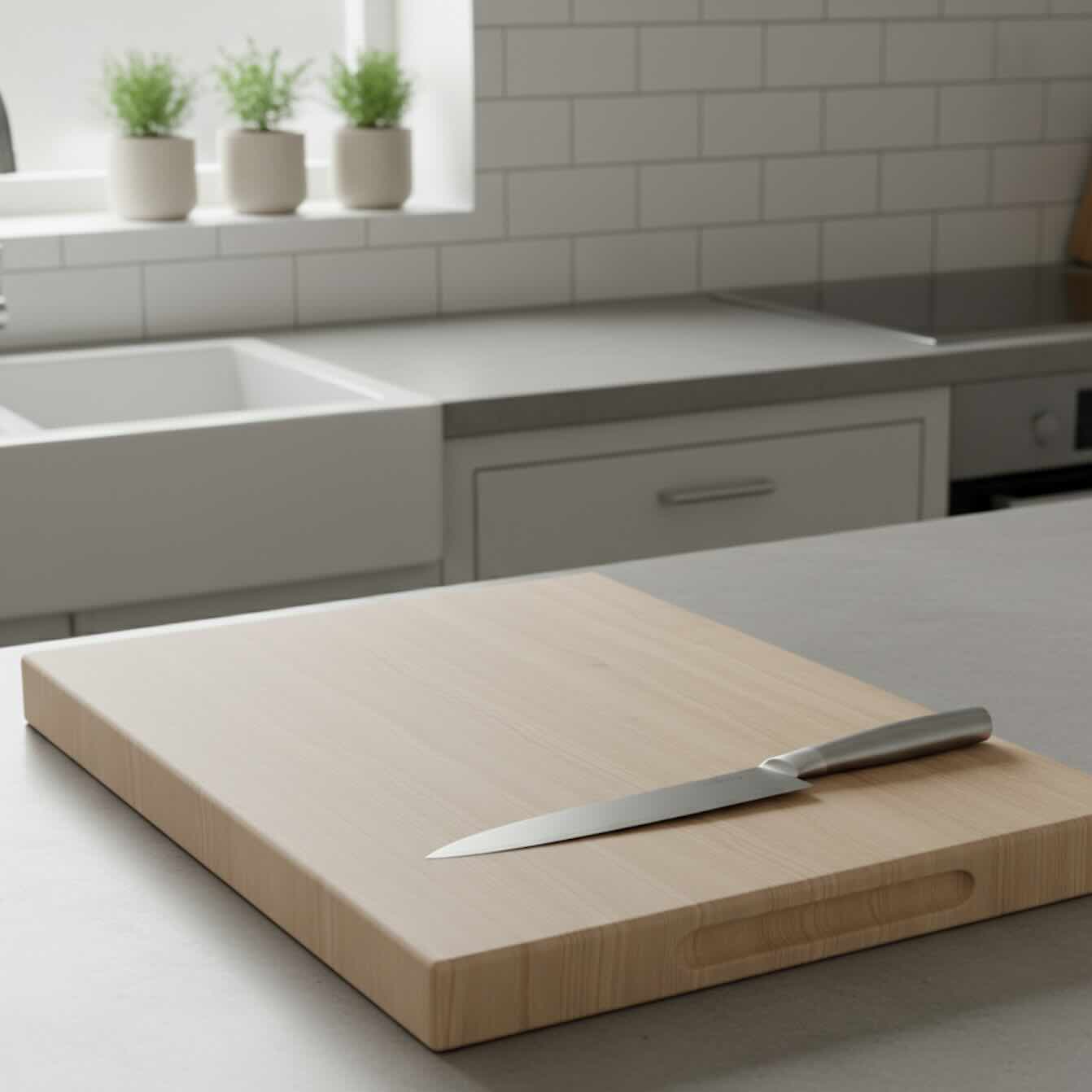
Your cutting board touches almost every meal you prepare. It's where you chop vegetables for your family's dinner, slice fruit for your kids' lunches, and prep ingredients for weekend gatherings. But have you ever stopped to think about what your cutting board might be adding to your food? Traditional plastic cutting boards can release tiny particles and chemicals into your meals, especially when scratched or heated.
These microplastics and additives aren't something you'd intentionally sprinkle on your salad, yet they might be ending up there anyway.
Switching to non-toxic cutting boards is one of the simplest yet most impactful changes you can make in your kitchen. Plastic-free boards made from natural materials like wood, bamboo, or glass offer safer surfaces that won't leach harmful substances into your food. They're durable, beautiful, and align with a lifestyle that prioritizes health and wellness. Whether you're concerned about chemical exposure, reducing waste, or simply wanting better tools for your home, choosing the right cutting surface matters more than you might realize. Let's explore why non-toxic cutting boards deserve a place in your kitchen and how to find the perfect one for your needs.
Non-toxic cutting boards work by eliminating the problematic materials found in conventional plastic options. Traditional plastic boards often contain BPA, phthalates, and other additives that can migrate into your food. When you cut on these surfaces, you create grooves where bacteria hide and plastic particles break loose. Research shows that plastic boards can shed thousands of microplastic particles with each use.
Natural cutting boards offer a fundamentally different mechanism. Wood boards contain natural antimicrobial compounds called tannins that help inhibit bacterial growth. Studies have demonstrated that bacteria actually die on wooden surfaces within hours, while they thrive in plastic scratches. Bamboo boards work similarly, with natural properties that resist moisture and bacterial colonization.
The science behind plastic-free boards centers on material integrity. Wood fibers close back up after being cut, trapping bacteria beneath the surface where they die. Plastic scratches remain open, creating permanent harbors for contamination. This self-healing property makes wood boards inherently more hygienic over time.
Glass and stone boards take a different approach to safety. These non-porous surfaces provide nowhere for bacteria to hide. However, they're harder on your knives and can be noisy during use. Each material offers distinct advantages in the non-toxic cutting board category.
Beyond personal health, plastic-free boards support broader environmental wellness. Microplastics from kitchen tools have been found in human blood, organs, and even placental tissue. By choosing natural materials, you're reducing your family's exposure to these pervasive pollutants. Wood and bamboo boards also biodegrade at end of life, unlike plastic that persists for centuries.
Reviews from Amazon and Reddit reveal that users consistently praise the performance of plastic-free cutting boards. Many describe the satisfying feel of chopping on wood compared to plastic. The knife makes a clean sound, and the board feels substantial and stable. Users report that quality wood boards maintain their appearance for years with proper care.
One Amazon reviewer shared that their walnut board lasted over a decade with regular oiling. They noticed their knives stayed sharper because wood is gentler on blade edges than plastic. Another user on Reddit mentioned switching to bamboo boards and never looking back, appreciating how they don't show knife marks as obviously as plastic.
The durability of non-toxic cutting boards depends heavily on maintenance. Users who oil their boards monthly report surfaces that resist cracking and warping. Those who neglect care see boards dry out within a year. The immediate result of proper maintenance is a smooth, water-resistant surface that ages beautifully.
Performance reviews often mention the weight difference. Natural boards feel more substantial than flimsy plastic versions. This heft prevents sliding during use, which users find safer and more comfortable. The tactile experience of working with wood or bamboo receives consistent praise in feedback.
Some users worry about taste transfer with wooden boards. Reviews indicate this is rarely an issue with proper cleaning. However, users recommend dedicating separate boards for strong-smelling foods like onions or fish. The natural surface doesn't retain odors as permanently as plastic scratches do.
The cutting feel impacts how you work with ingredients. Reviewers note that delicate herbs bruise less on wood because the surface has slight give. Tomatoes slice more cleanly because knives don't slip as much. These subtle performance improvements add up to better results.

The safety promise of non-toxic cutting boards centers on eliminating synthetic chemicals. Traditional plastic boards contain additives like BPA, which mimics estrogen in your body. Phthalates, used to make plastic flexible, are endocrine disruptors linked to reproductive issues. These chemicals weren't meant to be in your food, yet cutting releases them.
Natural cutting boards avoid these concerns entirely. Wood, bamboo, and stone contain no synthetic additives. You're working with materials that have been used for food preparation for thousands of years. The chemical-free nature of these surfaces means nothing artificial can leach into your meals.
Some people worry about bacteria in wooden boards. Research from food safety experts shows properly maintained wood boards are actually more sanitary than plastic. The key is regular cleaning and drying. When you wash and dry a wood board thoroughly, bacteria don't survive.
Clean ingredients matter in board selection too. Look for boards finished with food-safe mineral oil or beeswax, not varnishes or stains. Some cheaper bamboo boards use formaldehyde-based adhesives to bind the strips together. Quality natural boards specify their glue type and finishing materials.
Safe non-toxic cutting boards often carry NSF certification for food contact surfaces. This third-party verification ensures the product meets strict safety standards. Some manufacturers also test for heavy metals and other contaminants in their materials.
The cleanest options are single-piece wood boards with no adhesives. Edge-grain or end-grain construction uses only wood and non-toxic glue. Mineral oil finishing is the gold standard for maintaining a chemical-free surface.
Parents consistently seek non-toxic cutting boards because children are more vulnerable to chemical exposures. Kids' developing bodies process toxins differently than adults. The microplastics and chemicals from conventional boards pose greater risks to young, growing systems. Choosing plastic-free options protects your family during crucial developmental years.
Family usability extends beyond just avoiding toxic materials. You need boards that work for everyday meal prep with children around. Sturdy wooden boards stay in place when little helpers join cooking activities. The natural surface is forgiving if small hands are still learning knife skills.
When kids learn to cook, you want tools that support their development. Non-toxic cutting boards provide a safe surface for practicing chopping techniques. Wood boards are less likely to dull children's smaller knives quickly, making their work easier and safer.
Some families keep a separate, smaller bamboo board just for kids. This gives children ownership of their cooking tool while ensuring they work with a relatively non-toxic surface. It's an investment in both their health and their culinary education.
Pregnant and nursing mothers should be particularly mindful of toxic exposures. Chemicals like BPA and phthalates cross the placental barrier and appear in breast milk. Using plastic-free cutting boards reduces one source of exposure during these sensitive times.
The relative toxicity of different materials matters greatly. Plastic rates highest for concerning chemical exposures. Wood and bamboo are among the least toxic options available. Glass and stone fall in between, offering non-reactive surfaces without chemical concerns.
Non-toxic cutting boards range from $20 for basic bamboo options to $200+ for premium hardwood designs. This price difference reflects material quality, craftsmanship, and size. A quality mid-range wooden board costs $50-80 and represents excellent value for most households.
The cost-per-use calculation favors investing in quality boards. A well-made wooden board lasts 10-15 years with proper care. That's roughly $5-8 annually for a $75 board. Cheap plastic boards need replacement every 1-2 years, costing more over time while exposing your family to toxins.
You can find non-toxic cutting boards at specialty kitchen stores, natural living retailers, and online marketplaces. Amazon offers numerous options with verified customer reviews. Many craftspeople sell handmade boards on Etsy, allowing you to support small businesses while getting premium quality.
Local farmers markets sometimes feature woodworkers selling cutting boards. Buying directly from makers ensures you can ask about materials and finishes. You'll know exactly what went into creating your plastic-free cutting surface.
Factor in maintenance when calculating true costs. Food-grade mineral oil costs $10-15 per bottle and lasts 6-12 months. Beeswax board cream runs slightly higher but protects surfaces beautifully. These minimal ongoing expenses preserve your investment for years.
The value extends beyond money. You're investing in your family's health by eliminating toxic exposures. You're buying a tool that won't end up in a landfill after brief use. Price becomes secondary when you consider the comprehensive benefits.
When comparing non-toxic cutting boards to conventional plastic alternatives, several key differences emerge. Plastic boards initially cost less, typically $10-20 for basic models. However, they require frequent replacement as grooves accumulate and harbor bacteria. The best plastic-free boards maintain their integrity and hygiene for years longer.
Functionality varies significantly between materials. Wood and bamboo boards are gentler on knives than plastic or glass. Your blades stay sharp longer, saving money on knife replacement and sharpening. Plastic dulls knives faster while also shedding particles into food.
Both wood and bamboo qualify as non-toxic cutting board materials, but they have distinct characteristics. Hardwoods like maple, walnut, and cherry are denser and more durable. They develop a beautiful patina over years of use. Bamboo grows faster and costs less, making it an eco-friendly budget option.
Bamboo is technically a grass, not wood, and has a harder surface. This extra hardness is tougher on knife edges than traditional hardwood. However, bamboo's moisture resistance makes it less prone to warping. Choose based on your priorities: knife preservation or water resistance.
Glass cutting boards offer completely non-porous, non-toxic surfaces. They're dishwasher-safe and never absorb odors. However, they're extremely hard on knives and create loud cutting sounds. Most professional cooks avoid glass boards for these reasons, using them mainly as serving platters.
Stone boards like marble share glass's pros and cons. They look elegant but damage knife edges quickly. These plastic-free options work better for serving cheese and charcuterie than for actual cutting tasks.

Non-toxic cutting boards offer compelling advantages for health-conscious households. They eliminate exposure to microplastics and chemical additives found in conventional plastic versions. Natural materials like wood and bamboo provide antimicrobial properties that actually improve with proper care. The investment pays off through durability, knife preservation, and peace of mind about what touches your food.
The main drawback is maintenance requirements. Wood and bamboo boards need regular oiling to prevent cracking and warping. They shouldn't go in the dishwasher. Some people find this care routine inconvenient compared to tossing plastic boards in the dishwasher.
Natural cutting boards bring numerous benefits to your kitchen. They're chemical-free, eliminating concerns about BPA, phthalates, and other additives. The surfaces are naturally antimicrobial, fighting bacteria rather than harboring them. They're gentle on knife edges, saving money on blade maintenance and replacement.
These boards also support environmental health. They're made from renewable resources and biodegrade at end of life. Many users find them more aesthetically pleasing than plastic, adding warmth to kitchen décor.
Non-toxic cutting boards require more upfront investment than basic plastic options. They need regular maintenance with food-safe oils. You can't throw them in the dishwasher for easy cleaning. Heavy boards can be cumbersome to move and store in smaller kitchens.
Some people need a transition period to adjust to hand-washing habits. If you're used to plastic boards, the care routine feels different initially. However, most users report the benefits far outweigh these minor inconveniences.
For most families, a quality hardwood or bamboo board is the best choice. Choose edge-grain or end-grain construction for maximum durability. Ensure the board uses food-safe finishes and adhesives. Budget $50-80 for a size that fits your primary cutting needs.
Maintain your non-toxic cutting board with monthly oiling. Wash with hot, soapy water and dry thoroughly after each use. This simple care keeps your board beautiful and safe for years. Your family deserves tools that support health rather than compromise it. A plastic-free cutting board is a foundational step toward a less toxic kitchen.
* AI Disclosure: This article was developed with the assistance of AI language models, which aided in research, drafting, and/or editing. We strive for accuracy, but AI-generated content can occasionally contain errors. We recommend you double-check and verify information before making decisions based on this content.