Find out why switching to non-toxic dishwasher detergent protects your family from harmful chemicals that linger on plates and glasses.
Tchiki Davis, M.A., Ph.D.
*This post may contain affiliate links. If you click and make a purchase, we may earn a small commission at no extra cost to you.
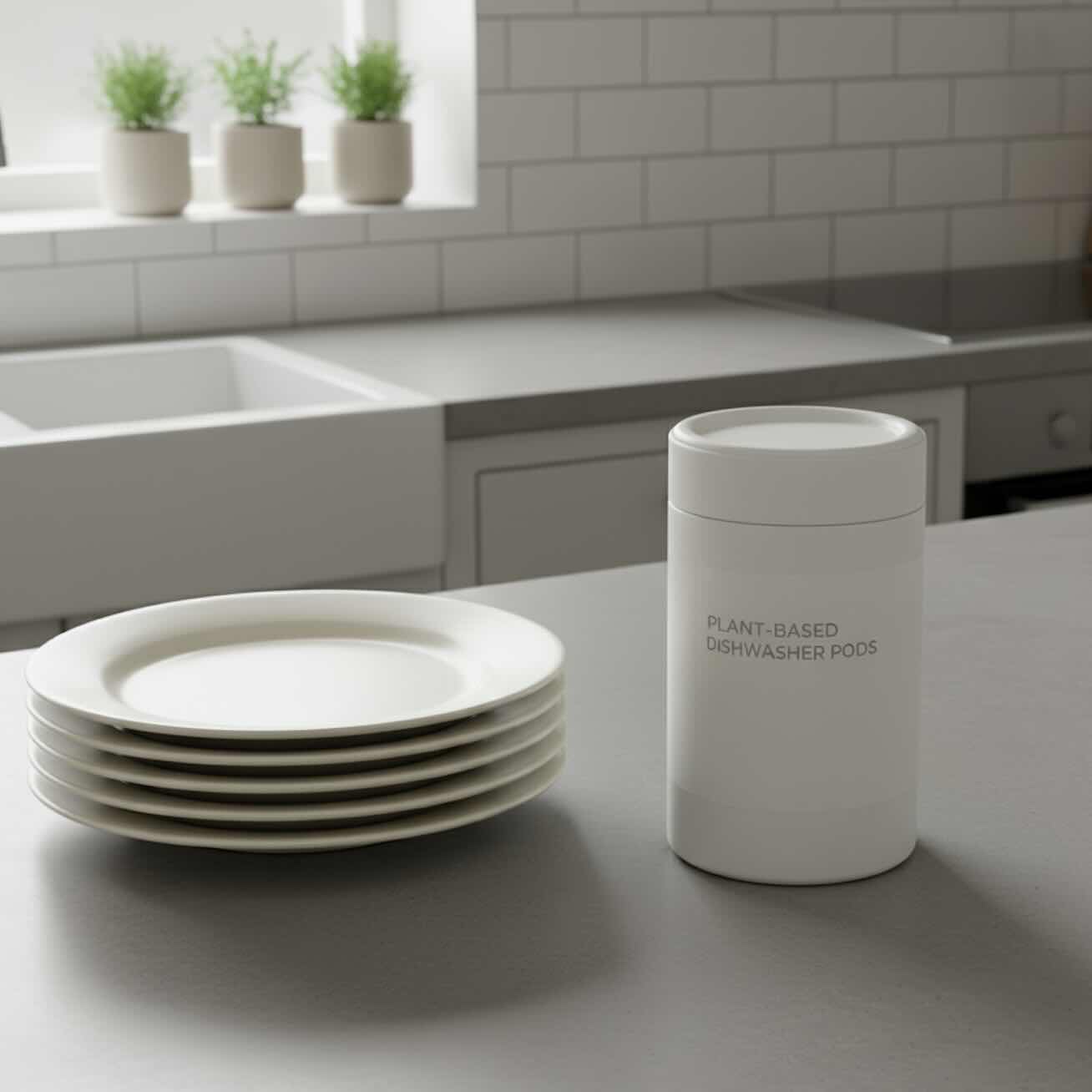
Every time you load your dishwasher, you're trusting that detergent to clean your dishes without leaving anything harmful behind. But here's what many people don't realize: conventional dishwasher detergents contain synthetic chemicals that don't fully rinse away. These residues sit on your plates, bowls, and cups, transferring directly into your food and drinks.
Phosphates, synthetic fragrances, chlorine bleach, and other harsh ingredients weren't meant to be consumed, yet trace amounts end up in your body with every meal.
The good news is that non-toxic dishwasher detergent offers a safer alternative without sacrificing cleaning power. These formulas use plant-based ingredients and mineral compounds that effectively remove food and grease while breaking down completely during the rinse cycle. You won't find mysterious chemical residues on your glassware or baby bottles. Making the switch is one of the simplest ways to reduce your family's daily toxic exposure. Whether you're concerned about hormone disruptors, respiratory irritants, or simply want cleaner dishes in every sense of the word, choosing the right dishwasher detergent matters more than you might think. Let's explore how to keep harmful substances off the surfaces that touch your food every single day.
Non-toxic dishwasher detergent works through the power of enzymes and plant-derived surfactants rather than harsh synthetic chemicals. Enzymes are proteins that break down specific food types: proteases tackle proteins, amylases handle starches, and lipases dissolve fats. These biological catalysts work at lower temperatures and rinse away cleanly, leaving no chemical residue.
Plant-based surfactants, often derived from coconuts or corn, reduce water's surface tension so it can penetrate and lift away food particles. Unlike synthetic surfactants such as sodium lauryl sulfate, plant-derived versions are gentler and biodegrade rapidly. They clean effectively without the environmental persistence or skin irritation associated with petroleum-based alternatives.
The cleaning mechanism of non-toxic formulas relies on chelating agents like citric acid instead of phosphates. Citric acid binds to hard water minerals that would otherwise leave spots on glassware. It's naturally derived from citrus fruits and completely safe for human exposure.
Oxygen bleach (sodium percarbonate) provides stain-fighting power in many clean dishwasher detergents. When mixed with water, it releases hydrogen peroxide, which breaks down food stains without the toxic fumes of chlorine bleach. This gentler approach achieves spotless results while protecting your indoor air quality.
The science of non-toxic dishwasher detergent centers on what's absent. These formulas skip synthetic fragrances, which contain dozens of undisclosed chemicals including phthalates. They avoid phosphates, which disrupt aquatic ecosystems. They eliminate chlorine bleach, which creates respiratory irritants when mixed with other household substances.
Instead, you get ingredients you can pronounce and understand. Washing soda (sodium carbonate) softens water naturally. Essential oils provide light scents without synthetic compounds. These simple, effective ingredients deliver the cleaning promise without health compromises.

Amazon reviews reveal that users are often surprised by how well non-toxic dishwasher detergent performs. Many people switch expecting to compromise on cleaning power, but quality brands deliver spotless results. Reviewers consistently mention that their dishes come out just as clean as with conventional detergents, sometimes cleaner.
One Amazon reviewer shared that after switching to a plant-based formula, their glassware actually looked clearer. They attributed this to the absence of film-forming synthetic additives. Another user on Reddit mentioned noticing that their dishes no longer had a chemical smell after washing, which they hadn't realized was abnormal until it disappeared.
Performance reviews often focus on tough cleaning challenges. Users report that non-toxic formulas handle baked-on cheese, dried pasta sauce, and greasy pans effectively. The key is using the right amount—these concentrated formulas require less product than you might expect from conventional detergents.
Some reviewers note that results improve after a few wash cycles. This happens because conventional detergents leave a buildup on your dishwasher's interior. Once this residue clears, the clean detergent works even better. Users describe this transition period as brief and worthwhile.
The immediate result most users notice is the absence of fragrance. Your dishes smell like nothing, which is exactly what clean dishes should smell like. Those with sensitive noses appreciate not being overwhelmed by artificial scents when unloading the dishwasher.
Parents report that baby bottles and sippy cups feel genuinely clean without any slippery residue. This tactile difference gives peace of mind that nothing harmful remains on items going into children's mouths. The feel of truly rinsed dishes is something you notice immediately.
While you don't taste dishwasher detergent directly, some users report that their water and beverages taste purer from glasses washed with non-toxic formulas. Conventional detergents can leave flavor-affecting residues, especially on items used for drinking. Switching to clean detergent eliminates this subtle but real problem.

The safety promise of non-toxic dishwasher detergent centers on eliminating ingredients linked to health concerns. Conventional formulas often contain phosphates, which harm aquatic life and can leave residues that disrupt hormones. Chlorine bleach creates toxic fumes and respiratory irritation. Synthetic fragrances hide potentially harmful chemicals like phthalates, which interfere with reproductive health.
Clean dishwasher detergents use ingredients recognized as safe by health and environmental organizations. Plant-based surfactants, enzymes, and mineral compounds have extensive safety data supporting their use in products that contact food surfaces. These formulas prioritize ingredient transparency, listing everything on the label rather than hiding components under vague terms.
The biggest safety advantage is what doesn't remain on your dishes. Conventional detergents leave measurable residues of synthetic surfactants and fragrance chemicals. These compounds transfer to food and accumulate in your body over time. Studies have found detergent residues on "clean" dishes from conventional products.
Natural ingredients in non-toxic formulas break down completely during the rinse cycle. Enzymes are proteins that biodegrade rapidly. Plant-derived surfactants rinse away without leaving persistent compounds. Your dishes are truly clean in every sense of the word.
Look for non-toxic dishwasher detergent with certifications from organizations like EPA Safer Choice, MADE SAFE, or EWG Verified. These third-party groups review formulas against strict safety standards. They verify that products truly deliver on clean ingredient promises rather than engaging in greenwashing.
Certifications ensure that even processing aids and minor ingredients meet safety criteria. Some companies claim to be natural while using questionable components in small amounts. Third-party verification protects you from misleading marketing.
Many clean detergents are fragrance-free, which is a significant safety feature. The term "fragrance" on conventional products can represent hundreds of undisclosed chemicals. These mixtures often contain allergens, hormone disruptors, and respiratory irritants. True fragrance-free formulas eliminate this hidden source of toxic exposure.
Parents prioritize non-toxic dishwasher detergent because children are more vulnerable to chemical exposures. Kids' bodies are still developing, making them more susceptible to hormone disruptors and neurotoxins. The dishes that hold their meals, snacks, and drinks shouldn't contribute to toxic burden during crucial growth years.
Baby bottles, sippy cups, and children's plates deserve the cleanest possible washing. Conventional detergent residues on these items go directly into small bodies with immature detoxification systems. Choosing clean dishwasher detergent is a simple way to protect your children during their most vulnerable developmental stages.
Non-toxic formulas are gentler if accidental exposures occur. While all detergents should be kept away from children, plant-based ingredients pose less risk than harsh synthetic chemicals. Parents appreciate this extra safety margin, especially in busy households where accidents can happen.
The absence of synthetic fragrances also protects children's respiratory systems. Kids breathe faster than adults and inhale more air relative to their body weight. Strong detergent scents expose them to higher concentrations of airborne chemicals. Fragrance-free clean detergents eliminate this concern.
Pregnant and nursing mothers should be particularly mindful of dishwasher detergent choices. Chemicals like phthalates cross the placental barrier and appear in breast milk. Using non-toxic formulas reduces exposure during these sensitive periods when a mother's body directly nourishes her baby.
Hormone-disrupting chemicals from conventional detergents can affect fetal development. The relatively toxic nature of synthetic fragrances and chlorine compounds makes them worth avoiding. Clean detergent alternatives provide peace of mind during pregnancy and beyond.
When children are old enough to help load the dishwasher, non-toxic detergent pods or powders are safer for them to handle. Plant-based formulas are less caustic to skin if touched. This makes involving kids in household chores less risky while teaching responsibility.

Non-toxic dishwasher detergent typically costs $0.25-$0.50 per load, compared to $0.15-$0.30 for conventional brands. This price difference reflects higher-quality ingredients and smaller production scales. Many families find the extra cost worthwhile for protecting their health and reducing environmental impact.
The cost-per-use calculation depends on concentration levels. Many clean detergents are highly concentrated, meaning you use less per load. A $15 container might provide 60 loads, bringing per-load costs down to $0.25. This makes the real price difference smaller than initial sticker prices suggest.
You can find non-toxic dishwasher detergent at natural grocery stores like Whole Foods, online retailers including Amazon, and directly from manufacturer websites. Buying in bulk or subscribing for regular deliveries often reduces per-load costs by 10-20%.
Target and other mainstream retailers now carry clean detergent brands in their cleaning aisles. This increased availability has driven prices down while improving accessibility. You no longer need specialty stores to access safer options for your dishes.
The true value of non-toxic dishwasher detergent extends beyond cost per load. You're investing in your family's health by eliminating daily chemical exposures. You're protecting water systems from phosphate pollution. You're supporting companies that prioritize transparency and sustainability.
Consider also the indirect savings. Fewer doctor visits for mysterious rashes or respiratory issues add up. Reduced environmental cleanup costs benefit everyone. The comprehensive value proposition makes clean detergent a smart long-term investment.
Several brands offer quality non-toxic dishwasher detergent at competitive prices. Store brands at natural grocers often match name-brand quality while costing less. Powder formulas generally cost less than pods or tablets while delivering comparable cleaning power.
Making your own dishwasher detergent is another option, though it requires effort and experimentation. Combining washing soda, borax, citric acid, and salt creates an effective, inexpensive formula. This DIY approach costs roughly $0.10 per load.
When comparing non-toxic dishwasher detergent to conventional brands like Cascade or Finish, several key differences emerge. Conventional detergents rely on synthetic chemicals and harsh bleaches for cleaning power. They cost less upfront but leave chemical residues on your dishes. The best clean detergents match or exceed cleaning performance while using safer ingredients.
Popular non-toxic brands include Seventh Generation, Nellie's, and Blueland. These companies prioritize ingredient transparency and environmental responsibility. Their formulas skip phosphates, chlorine, synthetic fragrances, and dyes. They clean effectively using enzymes and plant-based surfactants instead.
Seventh Generation is one of the most accessible non-toxic dishwasher detergent brands. Available at mainstream stores, it offers EPA Safer Choice certification and USDA Certified Biobased status. Users report cleaning performance comparable to Cascade at a slightly higher price point.
The formula uses plant-based enzymes and surfactants. It's fragrance-free and hypoallergenic, making it suitable for sensitive households. Many reviewers appreciate knowing exactly what's in their detergent rather than trusting vague ingredient lists on conventional products.
Nellie's takes a minimalist approach to clean dishwasher detergent. The powder formula contains just four ingredients: sodium carbonate, sodium metasilicate, citric acid, and sodium chloride. This extreme simplicity appeals to people who want ultimate transparency and ingredient control.
Users love that Nellie's comes in recyclable metal tins rather than plastic containers. The powder format is highly concentrated, providing excellent value. Some reviewers find it requires slightly more effort to scoop compared to pre-measured pods.
Non-toxic dishwasher detergent comes in multiple formats. Pods offer pre-measured convenience but cost more per load and use more packaging. Powders and liquids allow you to adjust amounts for load size and water hardness. They're often more economical and environmentally friendly.

Non-toxic dishwasher detergent offers significant health and environmental advantages over conventional options. These formulas eliminate synthetic chemicals that leave residues on your dishes and enter your body with every meal. Plant-based ingredients and enzymes provide effective cleaning without harsh toxins. For families concerned about reducing chemical exposures, switching to clean detergent is a straightforward, high-impact change.
The main consideration is slightly higher cost compared to conventional detergents. You'll pay an extra $5-10 per month depending on your dishwasher use. Some people find the learning curve of proper dosing takes a wash or two. These minor drawbacks are far outweighed by health and safety benefits.
Non-toxic formulas protect your family from hormone disruptors, respiratory irritants, and synthetic fragrances. They leave no chemical residues on plates, glasses, or utensils. The plant-based ingredients are gentler on septic systems and aquatic environments. Many users report that their dishes actually look clearer and cleaner.
Third-party certifications provide confidence that products deliver on safety promises. Ingredient transparency means you know exactly what you're using in your home. Supporting companies that prioritize health and environment creates positive market pressure for safer products.
Non-toxic dishwasher detergent costs more than budget conventional brands, though the gap narrows when comparing to premium conventional options. Some people miss the "clean" smell of synthetic fragrances, not realizing that truly clean dishes should be odorless. A brief adjustment period may be needed if your dishwasher has conventional detergent buildup.
Availability is improving but not universal. You might need to order online if local stores have limited selection. This requires slight planning compared to grabbing whatever's on sale at the grocery store.
For most households, switching to non-toxic dishwasher detergent is absolutely worthwhile. Choose a certified brand like Seventh Generation for reliable cleaning and wide availability. Try Nellie's if you prefer ultra-simple ingredients and powder format. Look for EPA Safer Choice or similar certifications to ensure genuine safety.
The investment in clean detergent pays dividends through reduced toxic exposure for your entire family. Your dishes will be truly clean—free from food residue and chemical contamination. This simple swap protects your health three times a day, every single day. When something touches every meal you eat, choosing the safest option possible just makes sense.
* AI Disclosure: This article was developed with the assistance of AI language models, which aided in research, drafting, and/or editing. We strive for accuracy, but AI-generated content can occasionally contain errors. We recommend you double-check and verify information before making decisions based on this content.