Discover how non-toxic dishwashing liquid protects your family from harmful chemicals while cutting through grease with plant-based power.
Tchiki Davis, M.A., Ph.D.
*This post may contain affiliate links. If you click and make a purchase, we may earn a small commission at no extra cost to you.
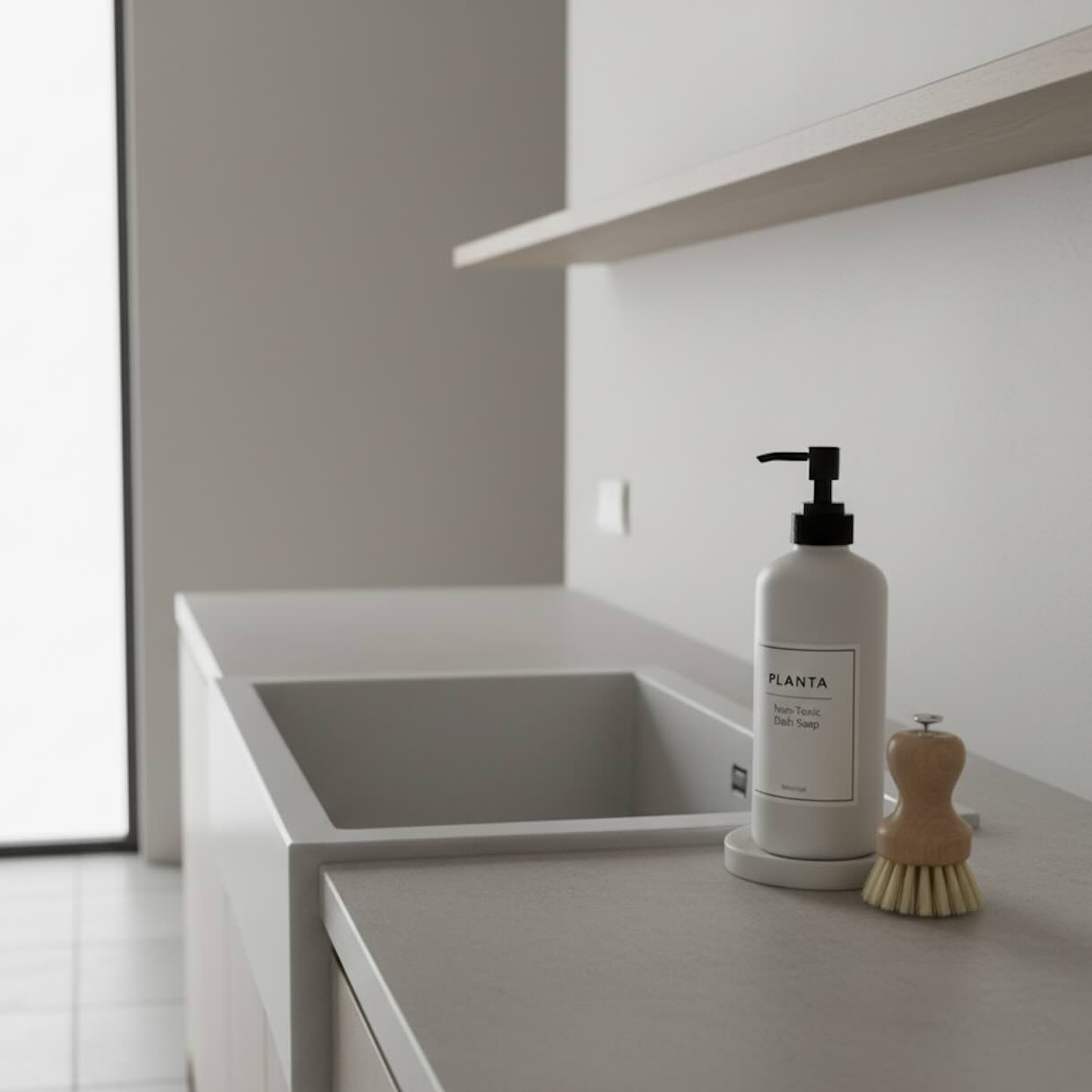
Every time you wash dishes by hand, your skin absorbs whatever's in your dish soap. Conventional dishwashing liquids contain harsh surfactants, synthetic fragrances, and chemical preservatives that penetrate your skin and enter your bloodstream. Your hands soak in these substances for minutes at a time, multiple times per day.
Even after rinsing, residues remain on your plates, glasses, and utensils, transferring directly to your food and mouth with every meal.
The good news is that non-toxic dishwashing liquid offers a safer alternative without compromising cleaning power. These plant-based formulas use gentle surfactants derived from coconuts and other natural sources to cut through grease effectively. They skip the synthetic fragrances, harsh sulfates, and questionable preservatives found in mainstream brands. Your dishes come out sparkling clean while your hands stay soft and chemical-free. Making the switch to clean dish soap is one of the simplest ways to reduce daily toxic exposure for your entire family. Whether you're concerned about skin irritation, hormone disruptors, or simply want safer products touching your food surfaces, choosing the right dishwashing liquid matters more than you might realize. Let's explore how to keep your dishes truly clean in every sense of the word.
Non-toxic dishwashing liquid works through plant-derived surfactants that reduce water's surface tension, allowing it to penetrate and lift away grease and food particles. These natural cleaners, often made from coconut or corn oils, create the same cleaning action as synthetic sulfates but without harsh chemical structures. The mechanism is elegantly simple: surfactant molecules have one end that loves water and another that loves oil, so they grab onto grease and allow water to wash it away.
Clean dish soap formulas also incorporate natural ingredients for specific functions. Citric acid provides gentle degreasing power while helping balance pH. Essential oils offer light scents without synthetic fragrance chemicals. Vegetable glycerin keeps the formula from separating and adds moisturizing properties that protect your hands during washing.
The science behind non-toxic dishwashing liquid centers on replacing sodium lauryl sulfate (SLS) and sodium laureth sulfate (SLES) with gentler alternatives. Decyl glucoside, derived from corn and coconut, provides excellent cleaning without the skin irritation associated with sulfates. Coco glucoside offers similar benefits with an even milder profile.
These plant-based surfactants create fewer suds than conventional soaps, which surprises some users. Lower foam doesn't mean less cleaning power—it actually indicates more efficient surfactants that focus energy on removing grease rather than creating bubbles. The cleaning mechanism works just as effectively with less visual drama.
Quality non-toxic dishwashing liquid uses natural preservatives like potassium sorbate instead of synthetic options like parabens or formaldehyde-releasing agents. These natural preservatives prevent bacterial growth in the bottle while posing minimal health concerns. They break down readily and don't accumulate in your body.
The pH balance in clean dish soap matters for both cleaning performance and skin health. Formulas typically maintain slightly alkaline pH (around 8-9) to effectively cut grease while staying gentle enough not to strip your skin's natural oils. This careful balance delivers cleaning power without the harsh effects of conventional soaps.
The promise of non-toxic dishwashing liquid includes complete ingredient disclosure. Unlike conventional brands that hide dozens of chemicals under terms like "fragrance," clean dish soaps list every component. This transparency allows you to make informed decisions and avoid specific ingredients if you have sensitivities or allergies.
Amazon reviews reveal that users are consistently impressed by how well non-toxic dishwashing liquid performs against grease and baked-on food. Many people switch expecting to compromise on cleaning power, but quality brands deliver results that match or exceed conventional dish soaps. Reviewers mention that their dishes come out spotless and genuinely clean without slippery residue.
One Amazon reviewer shared that after switching to a plant-based formula, their hands stopped cracking and bleeding during winter months. The cleaning performance remained excellent while eliminating the skin damage caused by harsh conventional soaps. Another user on Reddit mentioned being surprised that natural dish soap actually cut through bacon grease better than their old mainstream brand.
Performance reviews often focus on tough cleaning challenges. Users report that non-toxic dishwashing liquid effectively handles greasy pans, cheese-crusted casserole dishes, and dried pasta sauce. The key is allowing a brief soak for heavily soiled items. The gentler surfactants work more slowly than harsh sulfates but achieve the same results with a little patience.
Some reviewers note that you might need slightly more product per sink compared to concentrated conventional soaps. However, this difference is minimal and represents a fair trade-off for eliminating toxic ingredients. The cleaning mechanism works efficiently once you adjust to proper dosing for your water hardness and soil level.
The immediate result most users notice is how much better their hands feel. Non-toxic dishwashing liquid doesn't leave that tight, stripped sensation that conventional soaps create. Your skin feels clean but still moisturized. This gentler action means you can wash dishes without gloves if you prefer, though gloves still help protect hands during extended washing sessions.
Dishes feel genuinely clean rather than having a slippery residue that some conventional soaps leave behind. This squeaky-clean feel indicates thorough rinsing without chemical buildup. Glasses sparkle without water spots, and plates look bright without optical brighteners or artificial shine agents.
The sensory experience with clean dish soap includes subtle, natural scents from essential oils rather than overpowering synthetic fragrances. Options include light citrus, lavender, or fragrance-free versions. These gentle scents don't linger on your dishes or hands, and they won't trigger headaches or respiratory irritation in sensitive individuals.

The safety promise of non-toxic dishwashing liquid centers on eliminating ingredients linked to health concerns. Conventional dish soaps often contain sodium lauryl sulfate, which causes skin irritation and may contain the carcinogenic contaminant 1,4-dioxane. Synthetic fragrances hide phthalates that disrupt hormones. Triclosan, found in some antibacterial formulas, interferes with thyroid function and contributes to antibiotic resistance.
Clean dishwashing liquid uses ingredients recognized as safe by health and environmental organizations. Plant-derived surfactants, natural preservatives, and essential oils have extensive safety data supporting their use in products that contact food surfaces and skin. These formulas prioritize ingredient safety while maintaining effective cleaning performance.
The biggest safety advantage is replacing harsh sulfates with gentler plant-based alternatives. Decyl glucoside and coco glucoside are classified as mild surfactants that don't cause the skin irritation, eye damage, or protein denaturing associated with SLS and SLES. Studies show these natural surfactants are biodegradable and non-toxic to aquatic life.
Conventional surfactants can also contain ethylene oxide and 1,4-dioxane as manufacturing contaminants. These compounds are known carcinogens that accumulate with repeated exposure. Natural surfactants avoid these contamination concerns through different production processes that don't create toxic byproducts.
Look for non-toxic dishwashing liquid with certifications from organizations like EPA Safer Choice, MADE SAFE, or EWG Verified. These third-party groups review formulas against strict safety standards. They verify that products truly deliver on clean ingredient promises rather than engaging in greenwashing tactics.
Certifications ensure that even minor ingredients and processing aids meet safety criteria. Some companies claim to be natural while using questionable components in small amounts. Third-party verification protects you from misleading marketing and gives confidence that your dish soap is genuinely safe.
Many clean dish soaps offer fragrance-free options, which represents a significant safety feature. The term "fragrance" on conventional products can represent hundreds of undisclosed chemicals protected as trade secrets. These mixtures frequently contain allergens, hormone disruptors, and respiratory irritants. True fragrance-free formulas eliminate this hidden source of toxic exposure.
When clean dish soaps do include scents, they use pure essential oils that are fully disclosed on labels. You know exactly what creates the scent rather than trusting vague fragrance listings that could contain anything.
Parents prioritize non-toxic dishwashing liquid because children's dishes, bottles, and utensils deserve the safest possible cleaning. Baby bottles, sippy cups, and toddler plates shouldn't carry residues of harsh chemicals that conventional soaps leave behind. Children's developing bodies are more vulnerable to hormone disruptors and toxins, making clean dish soap an essential choice for family health.
The gentle formula of natural dish soap is safer if children help with dishes or accidentally get soap on their hands. While you should still supervise young helpers, plant-based ingredients pose less risk than harsh synthetic chemicals. Parents appreciate this extra safety margin in busy households where accidents happen.
Washing baby bottles with non-toxic dishwashing liquid provides peace of mind about what touches your infant's mouth. Conventional soap residues can leach into formula or breast milk, exposing babies to chemicals during their most vulnerable developmental period. Clean dish soap rinses completely without leaving concerning compounds on bottle surfaces.
Many parents specifically choose fragrance-free versions for baby items. This eliminates any scent transfer to bottles and keeps babies from ingesting fragrance chemicals with their feedings. The natural formula is gentle enough for the most delicate items in your kitchen.
Children eat and drink from dishes washed daily with dishwashing liquid. Even tiny residues add up to significant exposure over time. Choosing non-toxic dish soap reduces your child's cumulative chemical burden during crucial growth and development years. This simple switch protects their endocrine, nervous, and immune systems.
Kids with eczema, asthma, or allergies often show improvement when families switch to clean household products. The harsh chemicals in conventional soaps can trigger or worsen these conditions. Natural dishwashing liquid eliminates one source of irritation and respiratory stress.
Pregnant and nursing mothers should be particularly mindful of dishwashing liquid choices. Hormone-disrupting chemicals from conventional soaps can affect fetal development and appear in breast milk. Using non-toxic formulas reduces exposure during sensitive periods when a mother's body directly nourishes her baby.
The frequent skin contact with dish soap means pregnant women absorb whatever chemicals it contains. Clean formulas protect both mother and developing baby from unnecessary synthetic exposures. This represents one of the easiest health upgrades expectant mothers can make.

Non-toxic dishwashing liquid typically costs $4-8 for a 16-ounce bottle, compared to $2-4 for conventional brands. This price difference reflects higher-quality ingredients and smaller production scales. Many families find the extra cost worthwhile for protecting their health and reducing skin irritation. The investment in clean dish soap pays dividends through improved wellbeing.
The cost-per-use calculation depends on concentration levels. Many clean dish soaps are highly concentrated, meaning you use less per sink of dishes. A $6 bottle might last just as long as a cheaper conventional option when you factor in dilution rates. This makes the real price difference smaller than initial sticker prices suggest.
You can find non-toxic dishwashing liquid at natural grocery stores like Whole Foods, mainstream retailers including Target, and online through Amazon or brand websites. Buying in bulk or subscribing for regular deliveries often reduces per-bottle costs by 15-25%. Some refill stations allow you to bring your own containers, further reducing cost and waste.
Popular brands like Seventh Generation and Mrs. Meyer's Clean Day are available at most major grocery stores. Smaller brands like Branch Basics and Blueland offer premium options through direct sales. This increased market availability has driven prices down while improving accessibility to safer products.
The true value of non-toxic dishwashing liquid extends beyond cost per bottle. You're investing in your family's health by eliminating daily chemical exposures through skin absorption and dish residues. You're protecting your hands from damage that leads to expensive hand creams and medical treatments. You're supporting companies that prioritize transparency and sustainability.
Consider also the environmental savings. Plant-based ingredients biodegrade rapidly and don't pollute waterways like synthetic chemicals. The comprehensive value proposition makes clean dish soap a smart long-term investment for both personal and planetary health.
Several brands offer quality non-toxic dishwashing liquid at competitive prices. Store brands at natural grocers often match name-brand quality while costing 20-30% less. Concentrated formulas provide better value than standard dilutions. Buying larger bottles reduces per-ounce costs compared to smaller sizes.
Making your own dish soap is another option, though it requires effort. Combining liquid Castile soap with washing soda and essential oils creates an effective, inexpensive formula. This DIY approach costs roughly $0.10-$0.15 per sink of dishes.
When comparing non-toxic dishwashing liquid to conventional brands like Dawn or Palmolive, several key differences emerge. Conventional dish soaps rely on harsh sulfates and synthetic chemicals for cleaning power. They cost less upfront but expose your family to concerning ingredients with every use. The best clean dish soaps match cleaning performance while using safer plant-based formulas.
Popular non-toxic brands include Seventh Generation, Mrs. Meyer's, and Ecover. These companies prioritize ingredient transparency and environmental responsibility. Their formulas skip sulfates, synthetic fragrances, dyes, and triclosan. They clean effectively using coconut-derived surfactants and natural degreasers instead.
Seventh Generation is one of the most accessible non-toxic dishwashing liquid brands. Available at mainstream stores, it offers EPA Safer Choice certification and plant-based ingredients. Users report cleaning performance comparable to Dawn for most applications, though Dawn edges ahead on extremely greasy items due to its harsher chemical formulation.
The formula uses coconut-based surfactants and natural fragrances. It's gentle on hands and safe for septic systems. Many reviewers appreciate knowing exactly what's in their dish soap rather than trusting vague ingredient lists on conventional products. The slight premium over Dawn represents worthwhile investment in health protection.
Mrs. Meyer's takes an aromatherapeutic approach to clean dishwashing liquid. The formulas feature essential oil blends in scents like lavender, basil, and lemon verbena. Plant-derived ingredients provide effective cleaning while creating pleasant kitchen experiences. Users love the natural scents and appreciate that ingredients are clearly listed.
Some reviewers note that Mrs. Meyer's requires slightly more product per sink than conventional soaps. The trade-off is gentle ingredients that don't damage hands or leave concerning residues on dishes. The brand's Garden-inspired approach makes dishwashing feel less like a chore.
Several non-toxic dishwashing liquid brands offer ultra-concentrated versions that provide excellent value. Branch Basics Concentrate and Blueland's tablet system dilute into full bottles, reducing packaging waste and shipping costs. These concentrated options often cost less per sink of dishes than both conventional and standard natural formulas.

Non-toxic dishwashing liquid offers significant health and environmental advantages over conventional options. These formulas eliminate harsh sulfates, synthetic fragrances, and chemical preservatives that damage your skin and leave residues on dishes. Plant-based surfactants and natural ingredients provide effective cleaning without compromising your family's wellbeing. For households concerned about reducing chemical exposures, switching to clean dish soap is a straightforward, high-impact change.
The main consideration is slightly higher cost compared to conventional dish soaps. You'll pay an extra $3-5 per bottle depending on your brand choice. Some people find the lower suds levels take adjustment, though cleaning performance remains excellent. These minor trade-offs are far outweighed by health and safety benefits.
Non-toxic dishwashing liquid protects your family from hormone disruptors, skin irritants, and synthetic fragrances. Your hands stay soft and healthy rather than cracked and damaged. Dishes are truly clean without chemical residues transferring to food. The plant-based ingredients biodegrade completely, protecting water quality and aquatic life.
Third-party certifications provide confidence that products deliver on safety promises. Complete ingredient transparency means you know exactly what you're using in your home. Supporting companies that prioritize health creates positive market pressure for safer consumer products across all categories.
Non-toxic dishwashing liquid costs more than budget conventional brands, though the gap narrows when comparing premium conventional options. Some people miss the abundant suds of sulfate-based soaps, not realizing that foam doesn't indicate cleaning power. You might need slightly more product per sink than with concentrated conventional formulas.
Availability is improving but not universal at all stores. You might need to shop at natural grocers or order online if your regular store has limited selection. This requires slight planning compared to grabbing whatever's on sale in the conventional aisle.
For most households, switching to non-toxic dishwashing liquid is absolutely worthwhile. Choose a certified brand like Seventh Generation for reliable cleaning and wide availability. Try Mrs. Meyer's if you prefer aromatherapeutic scents with your cleaning. Look for EPA Safer Choice or similar certifications to ensure genuine safety.
The investment in clean dish soap pays dividends through protected health and improved hand condition. Your dishes will be truly clean—free from food residue and chemical contamination. This simple swap eliminates toxic exposure multiple times every single day. When something contacts your food surfaces and soaks into your skin repeatedly, choosing the safest option possible just makes sense.
* AI Disclosure: This article was developed with the assistance of AI language models, which aided in research, drafting, and/or editing. We strive for accuracy, but AI-generated content can occasionally contain errors. We recommend you double-check and verify information before making decisions based on this content.