Find out why thousands are switching to a non-toxic softener. See how this new simple formula instantly makes clothes naturally soft.
Tchiki Davis, M.A., Ph.D.
*This post may contain affiliate links. If you click and make a purchase, we may earn a small commission at no extra cost to you.
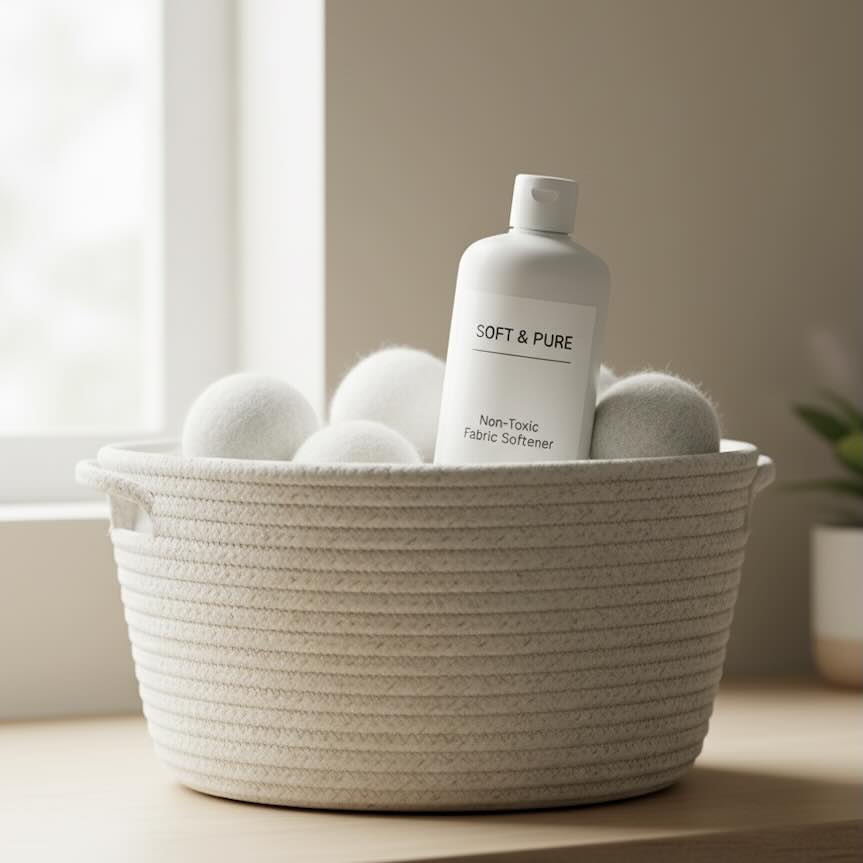
Are you ready to discover a laundry solution that makes your clothes feel luxuriously soft without coating them in harmful chemicals? Finding the best non toxic fabric softener can transform your laundry routine while protecting your family's health. Traditional fabric softeners are loaded with synthetic fragrances, quaternary ammonium compounds, and phthalates—chemicals that can trigger allergies, irritate skin, and disrupt hormones.
These products coat your fabrics with residues that stay against your skin for hours every single day, creating continuous exposure to potentially harmful substances.
The good news is that the best non toxic fabric softener options deliver incredible softness, reduce static cling, and make your clothes feel amazing without any of the toxic baggage. Whether you're looking for commercial clean brands or simple DIY solutions, you have more choices than ever before. These safer alternatives use plant-based ingredients, natural minerals, and straightforward chemistry to achieve softness without compromise. This guide will walk you through everything you need to know about choosing and using toxin-free fabric softening solutions that work beautifully for your family while supporting your commitment to healthier living.
The science behind the best non toxic fabric softener is beautifully straightforward compared to synthetic alternatives. Traditional fabric softeners work by coating fibers with quaternary ammonium compounds (quats), which are positively charged molecules that reduce friction between fibers. This creates the soft feeling but leaves a waxy residue. Natural fabric softening takes a different, cleaner approach that achieves similar results through gentler mechanisms.
White vinegar, the most popular natural fabric conditioner, works by dissolving mineral deposits and detergent residues that make fabrics stiff. The mild acetic acid in vinegar balances the pH left by alkaline detergents, allowing fibers to relax naturally. This mechanism creates softness without coating fabrics, which means towels remain absorbent and clothes feel naturally soft rather than artificially slippery. The vinegar scent completely disappears during the rinse cycle.
Understanding what goes into the best non toxic fabric softener helps you evaluate commercial options and understand why they're safer. Clean brands use plant-derived ingredients rather than petroleum-based chemicals. Here are the core components you'll find:
These natural fabric conditioner ingredients work harmoniously with your body's chemistry rather than introducing foreign chemicals. They break down naturally in the environment, don't accumulate in waterways, and don't leave concerning residues on fabrics that touch your skin constantly.
The promise of the best non toxic fabric softener lies in what it doesn't contain. Conventional fabric softeners include synthetic fragrances made from dozens of undisclosed chemicals, many of which are known allergens or endocrine disruptors. They contain phthalates that help scents last longer but interfere with hormone function. Benzyl acetate, benzyl alcohol, and other volatile organic compounds (VOCs) off-gas into your home air, affecting indoor air quality.
Your natural fabric conditioner eliminates all these problematic ingredients while still delivering the softness and static reduction you want. The plant-based formula is transparent—you can actually understand the ingredient list without a chemistry degree. This transparency matters tremendously when you're trying to reduce your family's toxin exposure. The best non toxic fabric softener proves that you don't have to choose between performance and safety.
Simple homemade solutions represent the ultimate in non-toxic fabric softening. White distilled vinegar used in the rinse cycle (1/2 to 1 cup per load) is remarkably effective at softening fabrics naturally. The mechanism is simple: the acid neutralizes alkaline detergent residues and dissolves mineral buildup that makes fabrics stiff. Despite concerns about smell, the vinegar scent disappears completely as clothes dry.
Wool dryer balls offer another excellent natural fabric conditioner approach. These felted wool spheres tumble with your laundry, physically separating fabrics to allow better air circulation and softer results. They also reduce drying time by 25-30%, saving energy costs. Adding a few drops of essential oils to the dryer balls provides gentle, natural fragrance. This chemical-free approach to fabric softening costs pennies per load and creates zero waste.
When you first use the best non toxic fabric softener, you'll notice differences from conventional products. The texture of clothes feels naturally soft rather than artificially slippery or coated. This is actually a positive indicator—conventional softeners create that slippery feeling through waxy residue buildup, while natural alternatives achieve softness by allowing fibers to relax naturally. Your clothes feel genuinely soft, comfortable, and breathable against your skin.
Towels washed with natural fabric conditioner show the most dramatic improvement. Unlike conventional softeners that coat fibers and reduce absorbency, clean alternatives maintain or even improve absorbency while still feeling soft. Kitchen towels work better, bath towels dry more effectively, and everything feels plush without feeling greasy or treated. This is how fabric softening should work—enhancing natural fiber properties rather than masking them with chemicals.
Testing the best non toxic fabric softener across different fabric types reveals excellent versatility. Cotton t-shirts, sheets, and everyday clothing come out beautifully soft with reduced static cling. Synthetic fabrics like polyester and athletic wear benefit tremendously because natural alternatives don't build up residues that trap odors. Workout clothes stay fresher longer when washed with toxin-free softening solutions rather than conventional products.
Delicate fabrics respond particularly well to natural fabric conditioner options. Wool, silk, and bamboo fibers maintain their integrity and softness without being damaged by harsh chemicals. Baby clothes and sleepwear feel gentle and comfortable without concerning chemical residues. The performance across all fabric types is consistently positive, with many users reporting they prefer the natural softness over the artificial feel of conventional products.
Reviews from people who've switched to the best non toxic fabric softener consistently praise several key aspects. Parents appreciate how much softer their children's clothes feel without worrying about chemical exposure. People with sensitive skin report dramatic reductions in irritation, rashes, and allergic reactions. The consensus across Reddit threads, Amazon reviews, and natural living forums is that clean fabric softening solutions deliver excellent performance without compromise.
Common feedback includes surprise at how well natural fabric conditioner works compared to expectations. Many people initially worry that non-toxic options won't perform as well as conventional products, but they quickly discover that natural alternatives deliver equal or better softness. Users particularly love that towels remain absorbent, athletic wear doesn't develop trapped odors, and clothes feel naturally comfortable rather than artificially treated.
Customizing your approach to the best non toxic fabric softener based on your specific needs yields optimal results. For extremely hard water areas, increasing the vinegar amount or using a commercial plant-based softener works better. For maximum softness on cotton items, wool dryer balls combined with vinegar in the rinse cycle creates incredible results. For static-prone synthetic fabrics, dryer balls with a light spritz of water provide excellent static reduction.
Scent preferences also guide choices in natural fabric conditioner selection. If you love fragranced laundry, choose commercial clean brands with essential oil blends or add your favorite oils to dryer balls. If you prefer completely unscented laundry, plain white vinegar delivers perfect softness with zero fragrance. The flexibility to adjust based on your household's unique needs represents a major advantage of the best non toxic fabric softener options.

The best non toxic fabric softener earns that label by eliminating harmful chemicals found in conventional products. "Non-toxic" means the product doesn't contain ingredients known to cause cancer, disrupt hormones, trigger allergies, or harm human health. It's important to understand that truly clean fabric conditioner avoids specific problematic ingredients that plague mainstream brands.
Conventional fabric softeners contain quaternary ammonium compounds (quats) that can trigger asthma and respiratory issues. These chemicals persist in the environment and are toxic to aquatic life. They've been linked to decreased fertility and developmental problems in animal studies. Natural fabric conditioner alternatives eliminate quats entirely, using plant-based ingredients that break down safely in the environment without health concerns.
Understanding what the best non toxic fabric softener helps you avoid makes the switch even more compelling. Here are the problematic chemicals eliminated by clean alternatives:
Your natural fabric conditioner contains none of these concerning ingredients. Every component is transparent, safe, and breaks down naturally without harming human health or the environment.
The best non toxic fabric softener often carries third-party certifications that verify safety claims. Look for products certified by organizations like EWG Verified, Made Safe, or Leaping Bunny (for cruelty-free verification). These certifications require rigorous testing and ingredient scrutiny, giving you confidence that products genuinely meet safety standards rather than just making marketing claims.
Natural fabric conditioner brands that prioritize transparency will clearly list all ingredients without hiding behind terms like "fragrance" or "proprietary blend." Companies like Molly's Suds, ECOS, and Attitude publish complete ingredient lists and safety documentation. This transparency allows you to make informed decisions about what touches your family's skin daily.
Understanding where different products fall on a toxicity scale helps you make informed choices about the best non toxic fabric softener. Conventional fabric softeners with synthetic fragrances rank extremely high for potential health impacts. They release VOCs continuously, leave hormone-disrupting residues on fabrics, and contribute to poor indoor air quality. Even unscented conventional versions contain quats and other concerning chemicals.
Commercial "natural" brands that still contain some processed ingredients rank in the middle—better than conventional but not as pure as truly clean options. The best non toxic fabric softener, including quality commercial brands and simple DIY solutions like vinegar, ranks lowest on toxicity scales. These natural fabric conditioner options present minimal to zero health risks when used properly, making them ideal for health-conscious households.
Parents seeking the best non toxic fabric softener find that clean alternatives offer exceptional safety for children of all ages. Baby clothes, crib sheets, and everything touching infant skin benefits tremendously from natural fabric conditioner. Babies have thinner, more permeable skin that absorbs chemicals more readily than adult skin. Eliminating synthetic fragrances and quats from their laundry dramatically reduces their chemical exposure during crucial developmental stages.
Many pediatricians now recommend avoiding conventional fabric softeners for children, especially those with eczema, asthma, or sensitive skin. The synthetic chemicals can trigger flare-ups, respiratory issues, and allergic reactions. Families switching to the best non toxic fabric softener frequently report that their children's skin conditions improve significantly within weeks. The gentleness of natural alternatives makes them ideal for everything from newborn onesies to school uniforms.
Expectant mothers prioritizing toxin reduction find that the best non toxic fabric softener represents an important swap during pregnancy. Hormone-disrupting chemicals in conventional fabric softeners can cross the placental barrier and affect fetal development. Pregnant women are particularly vulnerable to scent sensitivities, making the strong synthetic fragrances in conventional products especially problematic during this time.
Using natural fabric conditioner during pregnancy and nursing gives you peace of mind that you're not exposing your developing baby to unnecessary chemicals. Your clothes, sheets, and everything touching your body during this sensitive time will be free from phthalates, synthetic musks, and other endocrine disruptors. The best non toxic fabric softener options are gentle enough for both your changing body and your baby's delicate system.
The best non toxic fabric softener is generally much safer to store and handle than conventional products. Natural options like white vinegar pose minimal risk even if accidentally ingested in small amounts (though it's still important to keep all cleaning products away from young children). Commercial clean brands typically use food-grade or near-food-grade ingredients that are far less toxic if accidental exposure occurs.
Proper storage still matters for natural fabric conditioner products. Keep concentrated vinegar in its original labeled bottle on a high shelf or locked cabinet. Commercial natural softeners should be stored according to package directions. Wool dryer balls are completely non-toxic and safe even if toddlers get hold of them. The overall safety profile of the best non toxic fabric softener makes it much less concerning to have in homes with curious children.
One tremendous advantage of the best non toxic fabric softener is the elimination of common allergens. Synthetic fragrances are among the top triggers for allergic reactions, skin sensitivities, and respiratory issues. Natural fabric conditioner options allow you to completely avoid these allergens or carefully choose essential oils that your family tolerates well.
Children with asthma benefit particularly from switching to the best non toxic fabric softener. Studies show that eliminating synthetic fragrances and quats from the home environment reduces asthma symptoms and respiratory irritation. If your child has specific plant sensitivities, you can choose unscented natural options like plain vinegar. This level of customization ensures every family member benefits from softer laundry without triggering their individual sensitivities.
The best non toxic fabric softener brands vary significantly in price, but most are surprisingly affordable. Budget-friendly options like ECOS and Seventh Generation cost approximately $8-12 for 40-50 loads, working out to about 20-25 cents per load. Mid-range clean brands like Mrs. Meyer's and Method run $10-15 for similar load counts. Premium options like Molly's Suds or Attitude cost $15-20 but offer concentrated formulas lasting longer.
Compared to conventional fabric softeners that cost 15-20 cents per load, the best non toxic fabric softener represents a modest price increase of just 5-10 cents per load. For a family doing 8 loads weekly, that's an additional $20-40 annually—a small investment for eliminating toxic chemicals from your household. Many natural fabric conditioner brands offer subscribe-and-save options or bulk purchasing that brings per-load costs down even further.
The most economical best non toxic fabric softener option is white distilled vinegar. A gallon costs approximately $3-4 and provides 16-32 loads of naturally soft laundry (using 1/2-1 cup per load). This works out to roughly 10-15 cents per load. Wool dryer balls represent a one-time investment of $15-25 for a set of six balls that last 1,000+ loads, translating to about 2-3 cents per load.
Combining vinegar with wool dryer balls creates the ultimate budget-friendly natural fabric conditioner system. Your total cost per load drops to approximately 12-18 cents—comparable to or less than conventional fabric softeners while being dramatically safer. Adding a few drops of essential oils (optional) increases cost by mere pennies. The long-term savings of DIY approaches to the best non toxic fabric softener can reach $100-150 annually for average households.
Finding the best non toxic fabric softener is increasingly convenient as demand for clean products grows. Here's where to shop:
Shopping online often provides the best value for the best non toxic fabric softener, with subscribe-and-save discounts of 15-20%. Reading reviews before purchasing helps you identify which natural fabric conditioner options perform best for your specific needs and water conditions.
The true value of the best non toxic fabric softener extends beyond simple per-load costs. Your clothes last significantly longer when washed with gentle, natural alternatives rather than harsh chemicals that break down fibers over time. Fabrics maintain color vibrancy, texture, and integrity through more wash cycles. This extends the lifespan of your clothing investment by months or even years.
Health savings represent another hidden value of natural fabric conditioner. Reducing chemical exposure can decrease allergy symptoms, skin irritations, and respiratory issues, potentially saving money on doctor visits, prescription medications, and over-the-counter treatments. Improved indoor air quality from eliminating VOC off-gassing benefits everyone in the household. When you factor in these comprehensive benefits, the best non toxic fabric softener delivers exceptional value that far exceeds its modest cost.
Comparing the best non toxic fabric softener to mainstream brands like Downy or Snuggle reveals stark differences in philosophy and ingredient safety. Conventional fabric softeners maximize that ultra-soft, heavily scented experience through synthetic quats and powerful fragrances. They do create immediate softness, but at significant cost to your health. The synthetic chemicals coat fabrics with residues that never fully rinse away.
Natural fabric conditioner takes a fundamentally different approach, creating softness by allowing fibers to relax naturally rather than coating them with chemicals. You won't get the overwhelming artificial scent or super-slippery feel of conventional products, but your clothes will be genuinely soft without concerning residues. For families with sensitive skin, allergies, or health concerns about chemical exposure, the best non toxic fabric softener wins decisively. The elimination of hormone disruptors and respiratory irritants makes the choice clear.
Dryer sheets, even natural versions, present interesting trade-offs compared to liquid natural fabric conditioner. Conventional dryer sheets contain many of the same problematic ingredients as liquid softeners—synthetic fragrances, quats, and other chemicals. They're convenient but leave significant residues on fabrics and inside your dryer. "Natural" dryer sheets from brands like Seventh Generation improve on conventional versions but still contain processed ingredients and create packaging waste.
The best non toxic fabric softener, whether liquid natural options or wool dryer balls, offers superior performance and safety. Liquid plant-based softeners used in the rinse cycle integrate into your washing routine seamlessly. Wool dryer balls provide reusable, zero-waste fabric softening that actually reduces drying time and energy costs. Both approaches eliminate the single-use waste of dryer sheets while providing equal or better softness and static reduction.
Comparing commercial natural fabric conditioner brands to simple white vinegar helps clarify which approach suits your needs best. White vinegar is unquestionably the most economical and minimalist option. It works beautifully for fabric softening, costs almost nothing, and eliminates all concerns about ingredient safety. The mechanism is simple and effective—the acid neutralizes alkaline residues and dissolves minerals.
Commercial options labeled as the best non toxic fabric softener offer advantages in convenience and scent. Quality brands like Molly's Suds and Attitude provide pleasant natural fragrances from essential oils, which some people strongly prefer over unscented laundry. They're also easier to use—no need to explain to family members why you're pouring vinegar into the washing machine. The choice between DIY vinegar and commercial natural options depends on your priorities: maximum economy and simplicity versus convenience and natural fragrance.
When evaluating all factors—ingredient safety, effectiveness, cost, environmental impact, and ease of use—the best non toxic fabric softener clearly outperforms conventional alternatives for health-conscious households. Whether you choose quality commercial clean brands or simple DIY solutions like vinegar and wool dryer balls, you're making a choice that dramatically reduces your family's exposure to harmful chemicals.
The ideal approach often combines methods: use vinegar in the rinse cycle for economy and maximum safety, add wool dryer balls for enhanced softness and reduced drying time, and keep a commercial natural fabric conditioner on hand for special loads where you want that extra touch of natural fragrance. This flexible approach ensures you always have the best non toxic fabric softener solution for every laundry situation while maintaining your commitment to toxin-free living.

The best non toxic fabric softener delivers impressive benefits that transform your laundry routine into a healthier practice. The advantages include:
Switching to natural fabric conditioner empowers you to protect your family's health while still enjoying beautifully soft laundry. This isn't about sacrifice—it's about choosing intelligent alternatives that perform wonderfully without the toxic baggage.
The best non toxic fabric softener has some limitations worth acknowledging honestly. The scent is significantly more subtle than conventional products—if you're addicted to that overpowering artificial fragrance, natural alternatives will initially seem "not scented enough." This actually reflects the absence of synthetic chemicals, which is healthier, but it requires adjusting expectations. Most people come to prefer the gentle, clean scent over time.
Some natural fabric conditioner options require slight routine adjustments. Using vinegar in the rinse cycle means adding it to the fabric softener dispenser or manually during the rinse. Wool dryer balls need to be tossed in the dryer rather than added during washing. These minor changes become second nature quickly, but they do represent small shifts from conventional fabric softener use.
Extreme hard water can reduce the effectiveness of some natural options. Adding more vinegar or using a commercial plant-based softener specifically formulated for hard water solves this issue. Pre-testing with small loads helps you identify the best non toxic fabric softener approach for your specific water conditions before committing to full-household use.
The best non toxic fabric softener is essential for specific groups who'll benefit most from making the switch:
If you fall into any of these categories, switching to natural fabric conditioner should be a top priority. The health benefits far outweigh any minor adjustments required in your laundry routine.
After comprehensive evaluation, the best non toxic fabric softener receives an enthusiastic recommendation for virtually all households. The combination of health benefits, excellent performance, and reasonable cost makes this switch one of the easiest and most impactful you can make for your family. Natural alternatives prove that you absolutely don't have to choose between soft laundry and safe ingredients.
Start with the approach that feels most accessible to you. If you want maximum simplicity and economy, begin with white vinegar and wool dryer balls. If you prefer the convenience of commercial products, choose a clean brand like ECOS, Molly's Suds, or Attitude. Test your chosen natural fabric conditioner on a few loads to ensure it works with your water and washing machine before fully committing.
Within a few weeks, using the best non toxic fabric softener will feel completely natural. Your clothes will be beautifully soft, your family will be safer, and you'll have peace of mind knowing you've eliminated harmful chemicals from one of your most frequent sources of daily exposure. For anyone serious about reducing toxins and embracing healthier living, switching to natural fabric conditioner is an essential, straightforward step that delivers immediate and lasting benefits.
* AI Disclosure: This article was developed with the assistance of AI language models, which aided in research, drafting, and/or editing. We strive for accuracy, but AI-generated content can occasionally contain errors. We recommend you double-check and verify information before making decisions based on this content.