Check out how non-toxic hair color transforms your look without harsh chemicals that damage hair and absorb into your scalp every time you color.
Tchiki Davis, M.A., Ph.D.
*This post may contain affiliate links. If you click and make a purchase, we may earn a small commission at no extra cost to you.
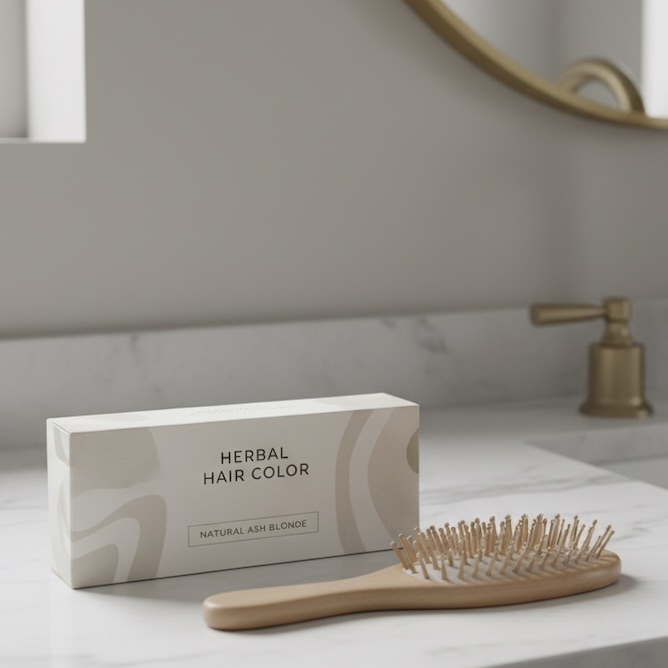
Your hair color choices affect more than just your appearance—they impact your long-term health in ways most people never consider. Conventional hair dye contains harsh chemicals that absorb through your scalp into your bloodstream, exposing you to substances linked to allergic reactions, hormonal disruption, and even cancer. Non-toxic hair color eliminates these hidden dangers by using plant-based pigments and gentle ingredients that deliver beautiful results without compromising your wellbeing or the health of your hair.
The beauty industry has experienced a revolution in safe coloring alternatives over the past decade. You no longer need to choose between vibrant, lasting color and protecting your health—modern non-toxic hair color products combine effective natural and safer synthetic ingredients that work with your hair's biology. Whether you're covering gray, making a dramatic change, or simply enhancing your natural shade, understanding healthy hair dye products empowers you to make choices that beautify without toxic burden. These innovative formulas prove that you can achieve the color you desire while honoring your commitment to wellness and reducing your exposure to questionable chemicals that accumulate in your body over years of repeated use.
Non-toxic hair color works through gentler chemical processes or plant-based pigments that coat or penetrate the hair shaft without using the harshest oxidizers and ammonia found in conventional dyes. Healthy hair dye products rely on ingredients like henna, indigo, cassia, and plant extracts that have colored hair safely for thousands of years. Modern formulations combine these traditional ingredients with safer synthetic alternatives that avoid the most concerning chemicals while still delivering reliable, lasting results.
The mechanism of non-toxic hair color depends on which type you choose. Pure plant dyes like henna work by coating the hair shaft with pigment molecules that bind to the keratin protein. These natural colorants build up over time, creating rich, dimensional tones that actually condition while coloring. The lawsone molecule in henna forms a strong bond with hair proteins, making the color remarkably permanent and fade-resistant.
Your hair's structure responds differently to gentle coloring processes than to harsh conventional dyes. Ammonia-free formulas use substitutes like ethanolamine to open the hair cuticle slightly, allowing color to penetrate without causing severe damage. Some non-toxic hair color products use direct dyes that simply coat the outside of the hair shaft, washing out gradually over multiple shampoos without permanent chemical alteration.
What makes non-toxic hair color fundamentally safer is the elimination of the most harmful ingredients found in traditional formulas. PPD (p-phenylenediamine), a common allergen linked to severe reactions, is completely absent from clean hair dye. Resorcinol, a potential hormone disruptor, gets replaced with gentler alternatives. Ammonia, which damages hair structure and releases toxic fumes, is either removed entirely or used in much lower concentrations.
The science shows that healthy hair dye products can deliver beautiful color while actually improving hair condition. Plant-based ingredients like henna contain tannins that strengthen hair and add shine. Conditioning agents in clean formulas help repair damage from previous chemical treatments. Your hair becomes healthier with each application rather than progressively more damaged like it does with conventional dyes.
Essential ingredients in effective non-toxic hair color:
The promise of non-toxic hair color extends beyond just avoiding harmful chemicals to actually enhancing your hair's health and appearance. Beautiful, healthy hair dye products prove that effective coloring doesn't require sacrificing your wellbeing.

Non-toxic hair color reviews on Amazon and Reddit reveal that people are initially skeptical about whether natural formulas can deliver the vibrant, lasting results they want. Users consistently report being pleasantly surprised by the performance of healthy hair dye products, though experiences vary depending on expectations and hair type. The color payoff and longevity of plant-based and clean synthetic options have improved dramatically as brands refine their formulations based on real-world feedback.
The immediate experience with non-toxic hair color differs significantly from conventional dyes, starting with the smell. Plant-based formulas have an earthy, herbal scent rather than the harsh chemical ammonia smell that makes your eyes water. This alone makes the coloring process more pleasant, especially in poorly ventilated bathrooms. The texture of natural hair dye pastes tends to be thicker and grittier than smooth chemical creams.
Your scalp will feel different during and after using non-toxic hair color compared to conventional products. There's typically no burning, tingling, or irritation—just a comfortable application experience. Reddit users frequently mention that their scalp feels normal throughout the entire process, without the sensitivity that often follows chemical coloring. After rinsing, your hair feels softer and more conditioned rather than dry and straw-like.
Amazon reviews of non-toxic hair color products show that gray coverage and color vibrancy meet or exceed expectations when users follow instructions carefully. Plant-based dyes like henna deliver incredibly rich, natural-looking tones that deepen beautifully over the first 2-3 days as the color oxidizes. One verified reviewer noted that henna gave her vibrant auburn color that lasted six months with no fading, far exceeding her previous chemical dye experiences.
Color development time requires patience with healthy hair dye products. Most plant-based formulas need 2-4 hours of processing compared to 30-45 minutes for conventional dyes. However, reviewers consistently say the superior results and lack of damage justify the extra time. Semi-permanent clean formulas process faster, typically within 30-45 minutes, offering convenience for those who need quicker application.
Performance highlights from verified non-toxic hair color reviews:
The results with non-toxic hair color prove that you don't sacrifice beauty for health. Beautiful, healthy hair dye products deliver the gorgeous color you want while treating your hair and scalp with care and respect.

Non-toxic hair color can be genuinely safer and cleaner than conventional products, but "chemical-free" is misleading marketing language since everything is technically made of chemicals, including pure plant powders. What matters is avoiding the specific harmful compounds found in traditional hair dye that pose documented health risks. True healthy hair dye products eliminate or minimize exposure to allergens, carcinogens, and hormone disruptors while still achieving effective coloring results.
The difference between non-toxic hair color and conventional formulas centers on which specific chemicals are used. Pure plant-based dyes like henna contain only ground plant material with no additives whatsoever—this is genuinely clean and natural. However, even natural doesn't automatically mean safe for everyone, as some people have allergies to specific plants. The key is knowing exactly what you're putting on your head.
Many conventional hair dyes contain PPD (p-phenylenediamine), a coal tar derivative that causes severe allergic reactions in sensitive individuals. These reactions range from scalp irritation to life-threatening anaphylaxis. Non-toxic hair color either eliminates PPD entirely or uses related but less allergenic compounds in much lower concentrations. Ammonia, which releases toxic fumes and damages hair structure, gets replaced with gentler alkaline agents or removed completely in healthy hair dye products.
Reading ingredient lists carefully helps you identify truly safe non-toxic hair color products versus greenwashed options. Look for specific ingredient names rather than vague marketing terms like "naturally derived" or "eco-friendly." Genuinely clean brands provide complete transparency, explaining the purpose and safety profile of every component in their formulas.
Third-party certifications offer additional verification that your healthy hair dye products meet strict safety standards. USDA Organic certification for plant-based dyes ensures no synthetic pesticides or additives. EWG Verified status means the Environmental Working Group has assessed all ingredients as low-hazard. Some brands provide allergen testing results and heavy metal analysis to prove their plant powders are pure and uncontaminated.
Harmful ingredients to avoid in hair color products:
Genuinely non-toxic hair color protects your health without compromising on color effectiveness. Beautiful, healthy hair dye products prove that safer alternatives exist for every coloring need and aesthetic preference.
Non-toxic hair color is particularly important for pregnant women and families with children who want to minimize chemical exposures during vulnerable developmental periods. Conventional hair dye chemicals absorb through your scalp into your bloodstream, potentially affecting developing fetuses and young children whose detoxification systems aren't fully mature. Choosing healthy hair dye products during pregnancy and for family use eliminates unnecessary risk while still allowing you to maintain your desired appearance.
Pregnancy makes you hyper-aware of everything entering your body, and rightfully so. Most obstetricians now say hair coloring is acceptable after the first trimester, but many pregnant women prefer avoiding conventional chemicals entirely. Non-toxic hair color provides peace of mind during this sensitive time because plant-based formulas contain no ingredients that pose known risks to developing babies.
Your body's absorption rates increase during pregnancy due to enhanced blood flow and hormonal changes. This means anything applied to your scalp enters your system more readily. Healthy hair dye products using pure plant pigments like henna, indigo, and cassia offer the safest option because these ingredients have been used by pregnant women for thousands of years without documented problems.
Children and teenagers increasingly want to experiment with hair color, and non-toxic hair color makes this safer than using harsh conventional dyes on young, developing bodies. Temporary plant-based options allow kids to try fun colors without permanent commitment or chemical exposure. Semi-permanent clean formulas wash out gradually, giving teens freedom to express themselves while parents maintain peace of mind about safety.
Patch testing becomes crucial even with healthy hair dye products, especially for children who may have unknown sensitivities. Natural doesn't automatically mean non-allergenic—some people react to plant compounds just as they would to synthetic chemicals. Testing on a small area of skin 48 hours before full application helps identify potential allergies before they become serious problems.
Relatively safe non-toxic hair color options for pregnancy and families:
Understanding which ingredients are relatively toxic versus completely safe helps you protect vulnerable family members. Non-toxic hair color provides beautiful results without exposing pregnant women or children to harmful chemicals that could affect their health now or in the future.

Non-toxic hair color typically costs between $15-$50 per application, which seems comparable to or slightly higher than conventional drugstore dyes at $8-15. However, the pricing reflects higher-quality ingredients, ethical sourcing, and often more product per package. When you calculate cost per use over time and factor in improved hair health that reduces need for expensive treatments, healthy hair dye products often provide superior value despite higher initial prices.
The price of non-toxic hair color reflects several important factors that cheap conventional dyes don't offer. Organic plant powders cost significantly more than synthetic chemicals manufactured at industrial scale. Small-batch production by indie brands means higher per-unit costs than mass-market products. Additionally, companies committed to clean ingredients invest in testing for purity and contaminants, adding to final prices.
You'll find non-toxic hair color across various price ranges depending on formulation and brand positioning. Pure plant-based powders from companies like Morrocco Method or Light Mountain start around $15-25 and cover multiple applications since you mix only what you need. Premium salon-quality clean brands like Madison Reed or Naturtint cost $25-40 per box, similar to high-end conventional dyes. Organic salon services using healthy hair dye products run $100-300 depending on length and complexity.
Non-toxic hair color delivers better value when you consider longevity and hair health benefits. Plant-based permanent dyes like henna last 4-6 months without fading, meaning you need fewer applications annually than conventional dyes that require touch-ups every 4-6 weeks. Your hair condition improves rather than degrades, eliminating need for expensive deep conditioning treatments to repair chemical damage.
Where to buy non-toxic hair color affects both price and product selection. Amazon offers convenience and competitive pricing with extensive reviews to guide choices. Natural beauty retailers like Credo or The Detox Market curate clean options with strict ingredient standards. Direct purchase from brand websites sometimes includes consultations or shade-matching services that help you achieve best results on first try.
Non-toxic hair color value comparison breakdown:
The value of non-toxic hair color extends beyond dollars to include health protection and improved hair condition. Beautiful, healthy hair dye products represent an investment in long-term wellness and hair vitality that pays dividends every time you look in the mirror.
Non-toxic hair color competes primarily against conventional chemical dyes that dominate drugstore shelves and most salon services. The comparison between healthy hair dye products and traditional formulas reveals significant differences in both ingredient safety and long-term hair health effects. While conventional dyes offer extensive shade ranges and predictable results, those benefits come at the cost of chemical exposure and progressive hair damage with repeated applications.
The fundamental difference between non-toxic hair color and conventional options lies in what chemicals penetrate your scalp and bloodstream with each application. Traditional permanent dyes use ammonia to force open the hair cuticle and PPD-based color molecules to permanently alter hair pigment. This aggressive process damages hair structure while exposing you to known allergens and potential carcinogens that accumulate in your body over time.
Conventional hair dye delivers highly predictable, consistent results because the harsh chemicals override your natural hair characteristics. You get exactly the shade on the box every time, but at significant cost to hair health. Non-toxic hair color works more gently, interacting with your natural pigment to create results that vary slightly based on starting color. This creates more natural, dimensional results but requires understanding how the dye will react with your specific hair.
Within the healthy hair dye products category, several approaches and brands compete for market leadership. Pure plant-based options like those from Rainbow Research or Light Mountain offer the cleanest ingredients but require more skill and patience. Brands like Madison Reed and Naturtint bridge the gap with ammonia-free, low-PPD formulas that work more like conventional dyes while being significantly safer.
Comparing top non-toxic hair color options helps you identify the best choice for your priorities and hair type. Some brands excel at gray coverage while others provide vibrant fashion colors. Performance varies based on whether you prioritize ingredient purity, ease of application, or specific color results.
Comprehensive non-toxic hair color brand and type comparison:
The best non-toxic hair color for you depends on balancing factors like ingredient purity, application convenience, color goals, and experience level. Beautiful, healthy hair dye products exist across all these categories to match your specific needs and values.

Non-toxic hair color represents a significant advancement for anyone concerned about reducing chemical exposures while maintaining their desired appearance. After examining the science, real-world performance, safety profiles, and value propositions, the evidence strongly supports choosing healthy hair dye products over conventional chemical formulas. The benefits of cleaner ingredients and improved hair health far outweigh the minimal drawbacks for most people committed to wellness-focused beauty routines.
The benefits of non-toxic hair color extend well beyond simply avoiding harmful chemicals during the coloring process. Your hair actually becomes healthier with repeated applications of plant-based dyes, which condition while coloring. You eliminate scalp irritation, reduce allergic reaction risks, and avoid exposing your body to substances linked to serious health conditions. The environmental impact is significantly lower with biodegradable plant ingredients and cleaner manufacturing processes.
Performance meets or exceeds conventional dyes once you adjust expectations and techniques. Natural hair colors create rich, dimensional tones that look more authentic than flat, artificial shades from chemical dyes. The colors age gracefully, fading naturally rather than turning brassy or muddy. Many users report receiving more compliments on their natural-looking color after switching to non-toxic hair color formulations.
Non-toxic hair color isn't perfect for everyone's needs or preferences. Plant-based permanent dyes require longer processing times—often 2-4 hours compared to 30 minutes for conventional formulas. The color range is more limited, particularly for achieving very light blonde shades which are difficult with natural ingredients. Application can be messier and require more skill, especially with powder formulas that need mixing.
Results vary more with healthy hair dye products than with standardized chemical formulas. Your starting hair color, porosity, and previous treatments all affect final results. This unpredictability frustrates people who want guaranteed, identical outcomes every time. Some plant dyes also have temporary staining potential on skin and surfaces that requires extra care during application.
If you're committed to reducing toxic exposures in your personal care routine, switching to non-toxic hair color should be high on your priority list. Start with a reputable brand that matches your skill level—Madison Reed or Naturtint for conventional-dye-like experiences, or pure henna if you're ready to embrace plant-based coloring. Consultation with clean beauty stylists can help you achieve desired results while learning proper techniques.
Non-toxic hair color pros and cons summary:
The final verdict on non-toxic hair color is overwhelmingly positive for health-conscious individuals willing to adjust their expectations and techniques. Beautiful, healthy hair dye products prove that you don't need to sacrifice safety for beauty. Your hair color choices impact your health every time you cover grays or change your shade. Make the switch to clean formulas and enjoy gorgeous color knowing you're protecting your wellbeing with every application.
* AI Disclosure: This article was developed with the assistance of AI language models, which aided in research, drafting, and/or editing. We strive for accuracy, but AI-generated content can occasionally contain errors. We recommend you double-check and verify information before making decisions based on this content.