Simple soaps that naturally protect your family from harmful chemical exposure.
Tchiki Davis, M.A., Ph.D.
*This post may contain affiliate links. If you click and make a purchase, we may earn a small commission at no extra cost to you.
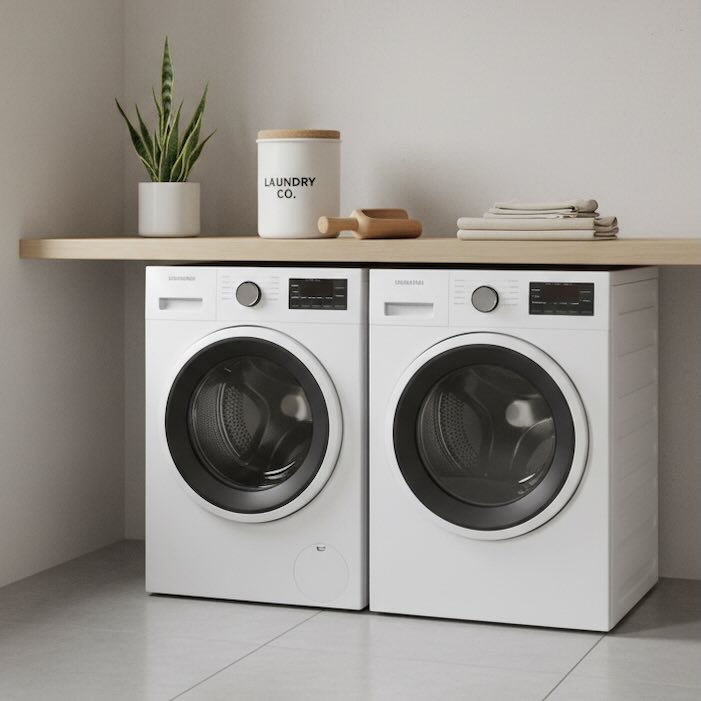
Every week, you wash clothes that touch your skin for hours each day. What most people don't realize is that conventional laundry detergents leave residues containing synthetic fragrances, optical brighteners, and harsh chemicals that absorb directly through your skin. These substances can trigger allergies, disrupt hormones, and contribute to the toxic burden your body works constantly to eliminate. Your clothing shouldn't be a source of chemical exposure when simple alternatives exist.
Switching to non-toxic laundry soap represents one of the easiest yet most impactful changes you can make for your family's health. Unlike dietary changes or extensive home renovations, changing your laundry detergent requires minimal effort while eliminating daily exposure to problematic chemicals. You'll still get clean clothes—in fact, many people discover their laundry comes out fresher without the artificial fragrance masking that covers musty smells. This guide will help you understand what makes detergent formulas truly non-toxic, how these cleaner options perform in real-world use, and which brands deliver on their promises. You'll learn to navigate marketing claims, compare value, and make confident choices that protect your health without sacrificing cleaning power or breaking your budget.
Traditional laundry detergents rely on surfactants—molecules with water-loving and oil-loving ends that surround dirt particles, allowing them to rinse away. Conventional brands typically use synthetic surfactants derived from petroleum, like sodium lauryl sulfate (SLS) or linear alkylbenzene sulfonate. These work effectively but often cause skin irritation and introduce unnecessary chemical exposure.
Non-toxic laundry soap uses plant-based surfactants derived from coconut oil, palm oil, or other vegetable sources. These natural cleaning agents work through the same mechanism as synthetic versions—surrounding and lifting away dirt and oils. The key difference lies in their biodegradability and gentleness on both your skin and the environment.
Synthetic fragrances in conventional detergents can contain dozens of undisclosed chemicals, protected as "trade secrets" under current labeling laws. These compounds frequently include phthalates, which research suggests may disrupt endocrine function. When you wear clothes washed in fragranced detergent, these chemicals transfer to your skin throughout the day.
Optical brighteners are UV-reactive chemicals that make fabrics appear whiter by converting invisible UV light into visible blue light. They don't actually clean—they create an optical illusion. These compounds remain in fabric after washing, continually exposing your skin. Some people develop photosensitivity reactions, experiencing skin irritation when exposed to sunlight while wearing treated clothing.
Non-toxic laundry soap eliminates both synthetic fragrances and optical brighteners. Instead, truly clean formulas either remain unscented or use small amounts of essential oils for natural fragrance. Your clothes come out genuinely clean rather than chemically masked or artificially brightened.
Quality non-toxic laundry soap typically contains sodium carbonate (washing soda) or sodium bicarbonate (baking soda) as alkaline cleaning boosters. These naturally occurring minerals enhance cleaning power by softening water and helping surfactants work more effectively. They've been used for generations because they genuinely work without chemical complexity.
Plant-based enzymes like protease, amylase, and lipase break down specific types of stains—proteins, starches, and fats respectively. These biological catalysts work at lower temperatures than harsh chemicals, making them both effective and environmentally friendly. They completely biodegrade after doing their cleaning work.
Oxygen bleach (sodium percarbonate) provides whitening and stain-fighting power without the harshness of chlorine bleach. When dissolved in water, it releases hydrogen peroxide and soda ash—both safe, effective compounds that break down into water and oxygen. This makes non-toxic laundry soap effective even on tough stains.
Here's what truly clean laundry detergent ingredients accomplish:
Understanding the science behind non-toxic laundry soap helps you recognize that clean ingredients can match or exceed conventional detergent performance. You're not sacrificing effectiveness—you're simply choosing smarter chemistry that protects your health.
When you explore Amazon reviews for popular non-toxic laundry soap brands like Molly's Suds or Blueland, thousands of verified purchasers share detailed experiences. Many users report being initially skeptical that natural formulas could clean as well as conventional detergents. However, after switching, they discover their clothes come out just as clean, often fresher without artificial fragrance.
Reddit communities focused on green living and toxin-free households provide honest feedback about clean detergent performance. Users emphasize that non-toxic laundry soap works best with proper dosing and appropriate water temperature. Those washing in cold water sometimes need to increase the amount slightly compared to hot water washing, which activates enzymes more effectively.
One of the biggest adjustments when switching to non-toxic laundry soap is getting used to clothes that simply smell clean rather than artificially fragranced. Conventional detergents condition us to associate strong scent with cleanliness, but this is purely psychological. Truly clean clothes shouldn't smell like anything except maybe a hint of natural freshness.
Unscented clean detergent formulas leave absolutely no smell on your clothing. This takes adjustment if you're accustomed to fragrant laundry, but most people grow to prefer it within weeks. You'll notice you can actually smell when clothes need washing again, rather than fragrance masking body odor for extended periods.
Some non-toxic laundry soap options include essential oils like lavender or eucalyptus for those who prefer light, natural scent. These provide subtle fragrance without the chemical cocktail found in synthetic versions. The scent fades significantly after drying, leaving just a whisper of natural aroma rather than overwhelming artificial perfume.
How does non-toxic laundry soap handle tough stains? Amazon reviewers frequently test clean detergents on challenging laundry: grass-stained kids' clothes, grease-marked work shirts, and food-splattered kitchen towels. Many report excellent results, especially when pretreating stains with a paste of the powder detergent or using oxygen bleach boosters.
Coffee, wine, and tomato sauce stains respond well to the enzymes in quality non-toxic laundry soap formulas. Users recommend treating these promptly rather than letting them set, just as you would with any detergent. The plant-based enzymes effectively break down these organic compounds when given proper contact time.
Greasy stains from cooking oil or automotive work require adequate surfactant concentration. Some users of ultra-concentrated clean detergents found they needed to increase dosing slightly for heavily soiled loads. Once they adjusted their measurements, stain-fighting performance matched their previous conventional detergents.
Here's what users consistently report about non-toxic laundry soap performance:
The consensus among long-term users is that after a brief adjustment period, non-toxic laundry soap delivers cleaning results comparable to conventional detergents while eliminating chemical exposure. Your clothes come out genuinely clean rather than chemically coated.

The term "non-toxic" on laundry detergent labels isn't regulated by government agencies, so manufacturers can apply it liberally. Truly non-toxic laundry soap should contain no ingredients linked to health concerns: no synthetic fragrances, no optical brighteners, no phosphates, no chlorine bleach, no dyes, and no formaldehyde-releasing preservatives.
Third-party certifications provide more reliable verification than manufacturer claims alone. Look for certifications like EPA Safer Choice, EWG Verified, or MADE SAFE, which require independent testing and ingredient review. These organizations evaluate every component against health and environmental safety criteria before allowing brands to display their seals.
Reading complete ingredient lists remains your most powerful tool for evaluating clean detergent authenticity. If a product lists "fragrance" without specifying it's from essential oils, or includes chemical names you can't identify, it's likely not genuinely non-toxic. Quality brands proudly disclose every ingredient because they have nothing to hide.
Many conventional detergent brands now offer "natural" or "plant-based" versions that aren't substantially different from their regular formulas. These products might add a few plant-derived ingredients while maintaining problematic synthetic fragrances or preservatives. Marketing images of leaves and flowers create impressions of purity without formula reformation.
Phrases like "free and clear" often indicate fragrance-free versions that still contain optical brighteners, synthetic surfactants, and other questionable ingredients. While removing fragrance helps, it doesn't make the product truly non-toxic. Real clean laundry soap requires comprehensive formula changes, not just fragrance removal.
Be wary of vague claims like "dermatologist tested" or "gentle formula" without specific ingredient transparency. These marketing phrases sound reassuring but don't guarantee genuine non-toxic formulation. Testing a product on skin doesn't mean it lacks problematic chemicals—it just means it didn't cause immediate irritation in test subjects.
The phrase "chemical-free" requires clarification—even water is technically a chemical. What consumers mean by chemical-free non-toxic laundry soap is formulas using simple, naturally-occurring compounds rather than synthetic chemicals requiring industrial processing. Think washing soda and coconut-derived surfactants rather than petroleum-based detergents and synthetic polymers.
Plant-based doesn't automatically mean safe or sustainable. Some plant-derived ingredients undergo extensive chemical processing, and palm oil cultivation raises environmental concerns. Look for brands using certified sustainable palm oil or coconut-based alternatives. True clean detergent considers both ingredient safety and environmental impact.
Phosphates, once common in detergents, have been banned or restricted in many areas due to water pollution concerns. However, some brands still use them where legally permitted. Non-toxic laundry soap avoids phosphates entirely, using alternative water softeners that don't contribute to algae blooms and aquatic ecosystem damage.
Here are key indicators of genuinely non-toxic laundry soap:
Quality non-toxic laundry soap prioritizes transparency and safety throughout the entire product lifecycle—from ingredient sourcing through manufacturing to what happens after the wash water goes down your drain.
Children's skin is more permeable than adult skin, meaning they absorb more of the chemicals that remain in their clothing after washing. Their developing bodies are also more vulnerable to hormone-disrupting compounds found in synthetic fragrances and other conventional detergent ingredients. Switching to non-toxic laundry soap significantly reduces this daily chemical exposure.
Babies and toddlers frequently put fabric in their mouths—whether it's their clothing, blankets, or stuffed animals. Clean detergent formulas free from toxic residues provide peace of mind during these developmental stages. You don't have to worry about what chemicals they're ingesting along with that beloved blanket corner they're sucking on.
Many parents notice dramatic improvements in their children's skin conditions after switching to non-toxic laundry soap. Eczema, unexplained rashes, and general skin irritation often clear up when conventional detergent residues are eliminated. Pediatric dermatologists increasingly recommend fragrance-free, clean detergents as first-line treatment for sensitive skin conditions.
During pregnancy, reducing toxin exposure protects your developing baby from endocrine disruptors and other harmful chemicals. The synthetic fragrances in conventional laundry detergent contain compounds that cross the placental barrier. Using non-toxic laundry soap eliminates this unnecessary exposure during this critical developmental window.
Nursing mothers should be particularly mindful of what touches their skin and clothing. Chemicals from detergent residues can transfer to breast milk, exposing your infant to compounds their immature systems struggle to process. Clean detergent formulas ensure your clothing isn't a source of contamination during feeding.
Some pregnant women experience heightened sensitivity to smells, making conventional fragranced detergents unbearable. Unscented non-toxic laundry soap solves this problem while providing the chemical-free environment increasingly recommended by integrative obstetricians concerned about prenatal exposures.
Adults with eczema, psoriasis, or chemical sensitivities often find dramatic relief after switching to non-toxic laundry soap. The synthetic surfactants and fragrances in conventional detergents are common irritants that worsen these conditions. Eliminating these irritants allows skin to heal and maintain its protective barrier function more effectively.
People with asthma or respiratory sensitivities benefit significantly from unscented clean detergent. Synthetic fragrances can trigger respiratory symptoms, and these compounds become airborne when you wear fragranced clothing or sleep on fragranced sheets. Non-toxic laundry soap eliminates this continuous inhalation exposure.
Those with multiple chemical sensitivity (MCS) often struggle to find any commercial detergent they can tolerate. The simplest non-toxic laundry soap formulas—sometimes just washing soda, borax, and castile soap—provide effective cleaning without triggering reactions. These ultra-simple recipes work surprisingly well for basic cleaning needs.
Special considerations for sensitive populations using non-toxic laundry soap:
Making the switch to non-toxic laundry soap benefits everyone in your household, but particularly protects the most vulnerable family members from unnecessary chemical exposure through one of the most intimate daily contacts—their clothing.

Non-toxic laundry soap typically costs more upfront than conventional detergents, ranging from $0.20 to $0.50 per load compared to $0.10 to $0.20 for traditional brands. However, this price comparison doesn't account for concentration differences or the health value of reducing chemical exposure. When you calculate cost-per-clean-load rather than cost-per-bottle, the gap narrows considerably.
Many clean detergent brands offer highly concentrated formulas requiring smaller amounts per load. For example, a $20 container might provide 60-80 loads, bringing the per-load cost down to $0.25-0.33. This remains higher than budget conventional detergents but comparable to premium traditional brands that also contain problematic ingredients.
Amazon provides convenient access to numerous non-toxic laundry soap brands with Subscribe & Save discounts typically offering 5-15% off regular prices. Popular options like Molly's Suds, Blueland, and Dropps ship directly to your door. Reading verified purchase reviews helps you understand real-world performance before committing to larger quantities.
Retailers like Target, Whole Foods, and Thrive Market stock curated selections of clean detergent brands. Thrive Market offers membership-based wholesale pricing, often making premium non-toxic laundry soap competitive with conventional detergent prices at regular grocery stores. Their curation focuses specifically on toxin-free household products.
Grove Collaborative specializes in sustainable, non-toxic home products with flexible delivery schedules and bundle discounts. New customers typically receive introductory offers making initial purchases quite affordable. Their customer service helps you find the right clean detergent for your water type and washing needs.
Many non-toxic laundry soap brands sell directly through their websites with subscription programs offering 20-25% savings. Brands like Meliora, Branch Basics, and Pure Haven provide auto-delivery that ensures you never run out while maximizing your savings. Direct purchasing also guarantees freshness and supports smaller companies committed to clean formulations.
The lowest price per bottle doesn't necessarily equal the best value. A $12 conventional detergent lasting 40 loads costs $0.30 per load, while a $25 concentrated non-toxic laundry soap lasting 100 loads costs just $0.25 per load. Concentration matters significantly in real cost comparisons.
Consider the hidden costs of conventional detergents: potential medical expenses for treating skin reactions, environmental cleanup costs for water pollution, and the long-term health implications of hormone-disrupting chemicals. While these costs don't appear on your grocery receipt, they represent real economic and health burdens.
Some non-toxic laundry soap options like soap nuts or DIY washing soda/borax combinations cost as little as $0.05-0.10 per load. These ultra-budget clean options work well for basic cleaning, though they may lack the stain-fighting power of more sophisticated formulas. They're excellent starting points if price is your primary concern.
Making your own non-toxic laundry soap using bar soap, washing soda, and borax can reduce costs to pennies per load. However, you must invest time in preparation and storage. For busy families, the convenience of ready-made clean detergent often justifies the higher cost.
Here's what impacts the cost-effectiveness of non-toxic laundry soap:
When evaluating non-toxic laundry soap value, consider both immediate financial cost and long-term health investment. Spending slightly more to eliminate daily chemical exposure through your clothing represents preventive healthcare that may reduce future medical expenses.
Molly's Suds offers one of the most transparent non-toxic laundry soap formulas, listing every ingredient clearly on their website and packaging. Their powder detergent contains just five ingredients: sodium carbonate, sodium bicarbonate, sea salt, zinc ricinoleate, and peppermint essential oil (optional). Amazon reviews average 4.4 stars across thousands of purchases, with users praising its simplicity and effectiveness.
Blueland provides innovative tablet-based clean detergent that eliminates plastic packaging. Each tablet dissolves in your washing machine, delivering concentrated cleaning power. Users appreciate the zero-waste aspect and space-saving storage, though some find tablets less convenient than liquid or powder. The formula performs well in HE machines and cold water washing.
Dropps specializes in pod-based non-toxic laundry soap with biodegradable packaging. Their enzyme-rich formula tackles stains effectively while remaining gentle on sensitive skin. Reddit users frequently recommend them as the easiest transition from conventional pods, delivering familiar convenience with clean ingredients. The pods work best in hot or warm water.
Branch Basics takes a unique approach—their concentrate can be diluted for various uses including laundry. This multi-purpose clean detergent appeals to minimalists wanting fewer products. However, some users find mixing ratios confusing initially. Once mastered, it offers excellent value and reduces storage needs significantly.
Traditional brands like Tide and Gain dominate the market through decades of brand loyalty and aggressive marketing. They deliver effective cleaning through synthetic chemistry that works quickly in cold water. However, these formulas contain synthetic fragrances, optical brighteners, and petroleum-based surfactants that make them poor choices for health-conscious consumers.
"Free and clear" versions from conventional brands remove fragrances but typically retain other problematic ingredients. Tide Free & Gentle still contains optical brighteners and synthetic surfactants. While better than fragranced versions, these aren't genuinely non-toxic laundry soap—they're slightly less toxic conventional detergents marketed to sensitive consumers.
Seventh Generation and Mrs. Meyer's occupy middle ground—more natural than conventional brands but not as clean as truly non-toxic options. Seventh Generation offers decent ingredient transparency and plant-based formulas, though some products still contain synthetic preservatives. Mrs. Meyer's uses essential oils but also includes fragrance, making it unsuitable for people avoiding all synthetic scents.
Powder non-toxic laundry soap typically offers the cleanest formulations because it requires fewer preservatives than liquid versions. Powders store indefinitely without bacterial growth concerns and often cost less per load. However, they can leave residue in cold water washing if not dissolved properly before adding clothes.
Liquid clean detergents provide convenience and dissolve instantly in any temperature water. However, maintaining liquid stability requires preservatives, which adds ingredients even to natural formulas. Liquids also typically come in plastic bottles, creating more packaging waste than concentrated powders.
Pod or tablet formats offer precise dosing and ultimate convenience. Quality non-toxic laundry soap pods use plant-based film that dissolves completely in water. The pre-measured approach prevents overuse and waste. However, pods typically cost more per load than powder or liquid alternatives.
Key comparison factors between non-toxic laundry soap options:
The best non-toxic laundry soap depends on your priorities—whether you value maximum ingredient purity, ultimate convenience, environmental sustainability, or lowest cost. Fortunately, clean options now exist for every preference and budget.

Making the switch to non-toxic laundry soap immediately reduces your family's exposure to synthetic fragrances, hormone disruptors, and irritating chemicals. Since clothing remains in constant contact with your skin, eliminating detergent residues significantly decreases your total daily chemical burden. This simple change requires minimal effort while delivering substantial health benefits.
People with sensitive skin, allergies, or respiratory issues often experience dramatic improvements after switching to clean detergent. Unexplained rashes clear up, eczema flares decrease, and asthma symptoms improve when synthetic fragrance exposure through clothing is eliminated. Many users wish they had made the switch years earlier.
Non-toxic laundry soap performs comparably to conventional detergents for everyday cleaning while often surpassing them on truly difficult stains when properly pretreated. You're not sacrificing cleanliness—you're choosing smarter chemistry that protects both your health and the environment through biodegradable formulas that don't pollute waterways.
Non-toxic laundry soap typically costs more than conventional detergents, especially budget brands. While the price gap narrows when comparing premium conventional options, clean formulas rarely match dollar-store detergent prices. However, the health value of reducing chemical exposure often justifies the modest additional expense for families prioritizing toxin reduction.
Some highly concentrated clean detergents require adjustment to find optimal dosing for your specific water hardness and washing machine. You might need to experiment initially to achieve best results. This brief learning curve frustrates some users accustomed to conventional detergents that work predictably regardless of conditions.
If you're deeply attached to the artificial "fresh laundry" scent from conventional detergents, adjusting to unscented or lightly scented non-toxic laundry soap takes time. Your clothes will smell clean rather than fragranced—an adjustment that feels strange initially but most people come to prefer within weeks.
Families with young children gain substantial benefits from eliminating unnecessary chemical exposure during critical developmental windows. Babies and toddlers absorb more through their skin and put fabric in their mouths regularly. Using clean detergent reduces their toxic burden significantly.
Anyone experiencing skin irritation, unexplained rashes, or respiratory symptoms should try non-toxic laundry soap as a first step. Many discover that conventional detergent residues were the hidden cause of these persistent issues. The switch often delivers relief when other interventions failed.
Health-conscious individuals already eating organic foods, filtering water, and choosing natural personal care products should absolutely extend these principles to laundry. It makes little sense to carefully avoid toxins everywhere else while wearing clothes washed in synthetic chemicals eight hours daily.
Start by identifying your priorities: Do you value maximum ingredient purity, lowest cost, ultimate convenience, or environmental sustainability? Different non-toxic laundry soap brands excel in different areas. Matching your choice to your values ensures satisfaction.
Begin with smaller quantities or trial sizes when first switching to clean detergent. This lets you evaluate performance with your specific washing machine, water type, and laundry needs before committing to bulk purchases. Most brands offer satisfaction guarantees if you're not happy with results.
Consider your family's specific sensitivities. If anyone experiences fragrance reactions, choose completely unscented non-toxic laundry soap. If you have hard water, look for formulas with extra water-softening ingredients. Matching the product to your circumstances maximizes success.
Optimize your non-toxic laundry soap performance through these strategies:
Switching to non-toxic laundry soap represents one of the simplest yet most impactful changes you can make for your family's health. Your clothing touches your skin constantly—ensuring it's free from chemical residues eliminates a major daily exposure source. Start today and notice how much better truly clean clothes feel against your skin.
* AI Disclosure: This article was developed with the assistance of AI language models, which aided in research, drafting, and/or editing. We strive for accuracy, but AI-generated content can occasionally contain errors. We recommend you double-check and verify information before making decisions based on this content.