Discover how non-toxic makeup protects your skin from harmful chemicals while delivering beautiful coverage.
Tchiki Davis, M.A., Ph.D.
*This post may contain affiliate links. If you click and make a purchase, we may earn a small commission at no extra cost to you.
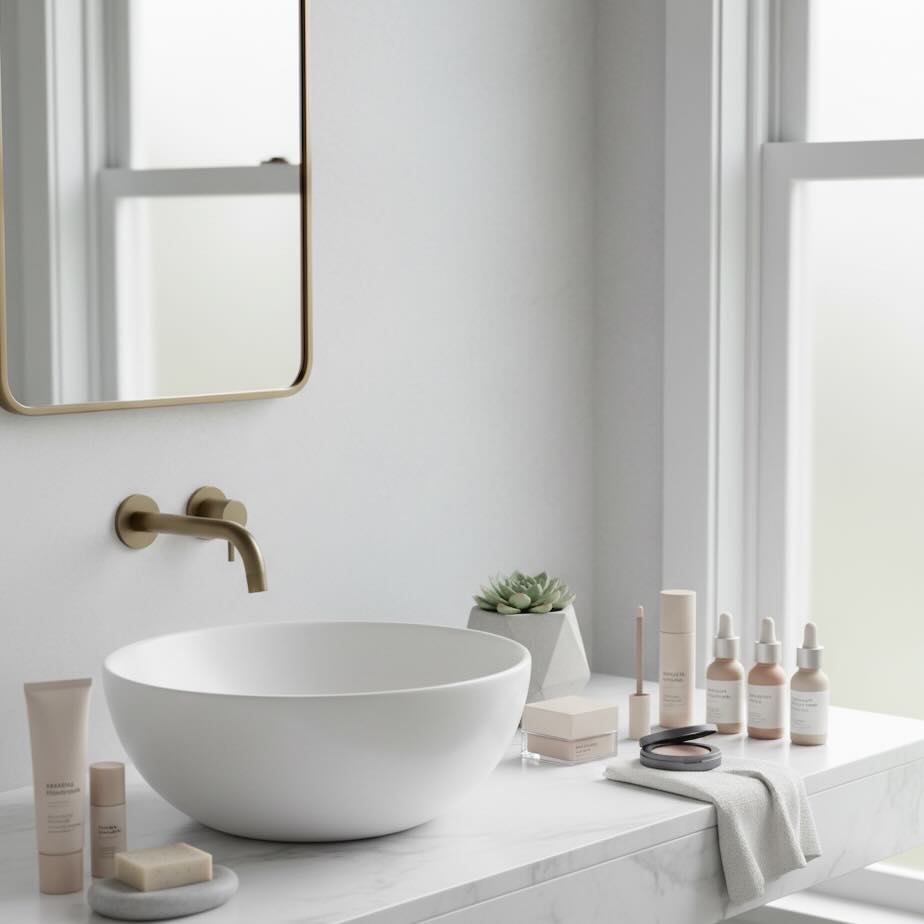
Every morning when you apply foundation, mascara, and lipstick, you're introducing dozens of chemicals directly onto your skin—and into your body. The average woman uses 12 beauty products daily, exposing herself to over 168 unique chemical ingredients before breakfast. Many of these compounds have never been adequately tested for long-term safety, and some are known endocrine disruptors, carcinogens, or allergens.
Your skin isn't an impermeable barrier; it absorbs approximately 60% of what you apply to it, sending those chemicals directly into your bloodstream. Lipstick gets ingested throughout the day as you eat, drink, and lick your lips, making it especially concerning.
Non-toxic makeup offers a transformative alternative that doesn't ask you to compromise between beauty and health. These clean beauty products use mineral pigments, plant-based ingredients, and carefully vetted compounds that deliver gorgeous color, excellent coverage, and long-lasting wear without the questionable chemicals found in conventional cosmetics. Whether you're concerned about parabens, phthalates, synthetic fragrances, or heavy metals, switching to safe beauty products eliminates exposures that accumulate over years of daily use. This guide reveals the simple secrets to achieving beautiful makeup looks while protecting your health, supporting your skin's natural functions, and reducing your toxic burden one product at a time.
Non-toxic makeup relies heavily on mineral pigments derived from naturally occurring elements rather than synthetic dyes made from petroleum or coal tar. Minerals like iron oxides provide reds, yellows, and browns, while titanium dioxide and zinc oxide create white and provide opacity. These naturally derived colorants have been used safely for thousands of years. The science behind mineral pigments involves their molecular structure—they're inert compounds that don't penetrate skin or react with biological systems the way synthetic dyes can.
Mica provides the shimmer and luminosity in clean beauty products without requiring synthetic glitter made from microplastics. When ground to fine powder, these minerals create smooth textures that blend beautifully on skin while reflecting light naturally. The mechanism differs fundamentally from conventional makeup that uses synthetic polymers and chemical dyes. Mineral-based non-toxic makeup sits on your skin's surface, allowing it to breathe while providing coverage and color. This approach works with your skin rather than against it.
Quality non-toxic makeup incorporates botanical ingredients that actively benefit your skin beyond just providing color. Jojoba oil, chemically similar to your skin's natural sebum, helps makeup blend smoothly while moisturizing. Plant waxes from candelilla, carnauba, and sunflower provide structure to lipsticks and cream products without synthetic polymers. These natural ingredients nourish skin with vitamins and antioxidants while serving their cosmetic functions—a dual benefit conventional makeup rarely offers.
Essential fatty acids from plant oils support your skin barrier, reducing inflammation and protecting against environmental damage. Vitamin E from wheat germ or sunflower acts as natural preservative while providing antioxidant benefits. The science shows that safe beauty products using these ingredients actually improve skin health over time rather than causing the irritation, clogged pores, and accelerated aging that harsh chemicals can trigger. Your makeup becomes skincare—a revolutionary shift from conventional cosmetics.
One challenge for non-toxic makeup manufacturers involves preservation without parabens, formaldehyde-releasing agents, or other questionable preservatives. Clean beauty brands solve this through various mechanisms: vitamin E provides antioxidant protection, rosemary extract offers antimicrobial properties, and careful pH balancing inhibits bacterial growth. Some products use minimal water content, which reduces contamination risk naturally since bacteria need moisture to proliferate. These preservation strategies work effectively when formulated properly.
The science of clean preservation continues evolving as researchers discover new plant-based antimicrobials and antioxidant systems. Fermented ingredients like radish root show promising preservative properties. The key is that non-toxic makeup can remain stable and safe without relying on synthetic preservatives linked to hormone disruption or allergic reactions. Understanding these preservation mechanisms helps you appreciate why safe beauty products sometimes have shorter shelf lives than conventional cosmetics—it's a feature, not a flaw.

When you browse Amazon reviews for non-toxic makeup brands like 100% Pure, Juice Beauty, and ILIA, user experiences reveal consistent patterns. Customers report that clean beauty products have improved dramatically over the past decade—early natural makeup often delivered poor coverage and faded quickly, but modern formulations rival conventional cosmetics. One verified purchaser shared that ILIA's Super Serum Skin Tint provided better coverage and a more natural finish than her previous conventional foundation, while actually improving her skin texture over weeks of use.
Mascara reviews particularly highlight performance improvements. Users note that clean mascaras from brands like W3LL People and Thrive Causemetics build volume and length comparable to conventional formulas without the irritation many experience from synthetic polymers and preservatives. The feel on lashes is lighter and more comfortable throughout the day. Several reviewers mention that switching to non-toxic makeup eliminated the eye irritation and watering they'd accepted as normal for years—reactions they hadn't realized their conventional products caused.
The clean beauty communities on Reddit offer detailed, honest assessments of non-toxic makeup performance. Users frequently emphasize the importance of finding the right formulation for your skin type—mineral foundations work beautifully on some complexions while cream formulas suit others better. One detailed post compared five clean foundations, noting that safe beauty products generally require a bit more blending time than silicone-heavy conventional formulas but reward the extra effort with skin that looks healthy and natural rather than masked.
Lipstick performance receives mixed but generally positive feedback. Clean lipsticks using natural waxes and oils tend toward more moisturizing, satin finishes rather than long-wearing mattes that rely on synthetic polymers to lock onto lips. Many users appreciate this hydrating quality, though some miss the extreme staying power of conventional liquid lipsticks. The immediate results show beautifully pigmented lips without the drying effect or chemical taste many conventional lipsticks have. The trade-off between longevity and comfort becomes personal preference.
The feel of non-toxic makeup on your skin differs noticeably from conventional products. Mineral foundations feel lighter and allow skin to breathe rather than creating that heavy, suffocating sensation silicone-based foundations produce. Clean beauty powder products blend smoothly without looking dusty or caking into fine lines. Cream products using plant oils and butters feel nourishing and comfortable throughout the day, never tight or drying like some conventional formulas.
Wear time for safe beauty products typically ranges from 6-8 hours before requiring touch-ups, compared to 10-12 hours some conventional makeup claims. This difference stems from avoiding synthetic film-formers and long-chain silicones that create that "bulletproof" finish. Most users find this trade-off acceptable given the health benefits and improved skin condition over time. Your non-toxic makeup may need a midday refresh, but your skin looks better at the end of the day rather than congested and irritated.

Non-toxic makeup from reputable brands genuinely excludes the most concerning chemicals found in conventional cosmetics when they adhere to legitimate clean beauty standards. Unfortunately, "clean" and "non-toxic" aren't regulated terms—any company can use them without meeting specific criteria. Trustworthy safe beauty brands voluntarily follow stricter standards like the Environmental Working Group's guidelines, Credo Beauty's "Dirty List" of banned ingredients, or Sephora's Clean at Sephora standards. These frameworks exclude parabens, phthalates, formaldehyde-releasing preservatives, and synthetic fragrances.
The most rigorous clean beauty certifications include MADE SAFE, which vets every ingredient for human health and ecosystem effects, and EWG Verified, which requires full ingredient disclosure and safety screening. When you choose non-toxic makeup with these certifications, you're getting products genuinely free from questionable chemicals. Without certification, you must research individual brands to verify their claims—some greenwash by highlighting a few natural ingredients while still using concerning compounds. Reading ingredient lists carefully protects you from deceptive marketing.
Quality safe beauty products eliminate several categories of concerning ingredients. Parabens—preservatives linked to hormone disruption and found in breast cancer tumors—are completely avoided. Phthalates, often hidden in "fragrance" listings, which affect reproductive health and development, don't appear. Formaldehyde and formaldehyde-releasing preservatives (like DMDM hydantoin) that cause allergic reactions and are known carcinogens are excluded entirely. Your non-toxic makeup also avoids synthetic fragrances that can contain dozens of undisclosed chemicals.
Additional eliminations include petroleum-derived ingredients, synthetic dyes from coal tar (some linked to cancer), and heavy metals like lead that contaminate conventional lipsticks. Talc, which may contain asbestos, is replaced with safer alternatives like rice powder or mica. Chemical sunscreen ingredients that disrupt hormones give way to mineral alternatives. The comprehensive avoidance of these problematic compounds makes clean beauty products genuinely safer for daily use, especially considering you're applying them to delicate facial skin where absorption rates run particularly high.
The most trustworthy non-toxic makeup brands practice complete ingredient transparency, listing everything on packaging and websites in plain language. This openness allows you to make informed decisions and avoid specific allergens or sensitivities. Compare this to conventional cosmetics where "fragrance" or "parfum" can hide over 100 undisclosed chemicals legally protected as trade secrets. That single word might conceal the very ingredients you're trying to avoid—phthalates, synthetic musks, or petroleum derivatives.
Some brands go beyond basic listing to explain why each ingredient is included and where it's sourced. This level of transparency builds trust and helps educate consumers about safe beauty choices. When companies hide behind proprietary formulas without disclosing ingredients, that's a red flag. Your non-toxic makeup should come from brands confident enough in their formulations to share exactly what's inside and why it's there. This accountability distinguishes genuinely clean products from greenwashed alternatives.
During pregnancy, your body's increased blood flow and slightly elevated skin temperature enhance absorption of anything applied topically. Chemicals from your non-toxic makeup—or conventional products—can cross the placental barrier and reach your developing baby. Research increasingly links prenatal exposure to certain cosmetic chemicals with developmental issues, altered birth weights, and long-term health effects. Phthalates from fragrances and parabens from preservatives particularly concern reproductive health specialists because they act as endocrine disruptors during critical developmental windows.
Many obstetricians now recommend that pregnant women switch to safe beauty products to minimize fetal chemical exposures. The cumulative effect of multiple products applied daily creates a significant exposure pathway. Your foundation, concealer, blush, mascara, and lipstick together introduce dozens of chemicals that your baby encounters through your bloodstream. Switching to clean beauty eliminates this concern while still allowing you to look and feel your best during pregnancy. The peace of mind alone makes the transition worthwhile.
Certain chemicals found in conventional makeup pose particular risks during pregnancy and should be avoided completely. Retinoids and retinol, common in anti-aging makeup with skincare benefits, can cause birth defects and should never be used while pregnant or nursing. Formaldehyde-releasing preservatives affect fetal development negatively. Synthetic fragrances containing phthalates disrupt hormonal development. Lead, found as a contaminant in many conventional lipsticks, crosses the placenta and affects neurological development at any exposure level.
Chemical sunscreens like oxybenzone and octinoxate, often included in foundations and BB creams, demonstrate hormone-disrupting properties and show up in cord blood and breast milk. Non-toxic makeup using mineral sun protection (zinc oxide and titanium dioxide) provides safer alternatives. Parabens, while somewhat controversial, show up in breast tissue and possibly affect fetal development—avoiding them during pregnancy follows the precautionary principle. Clean beauty products formulated without these ingredients allow you to maintain your beauty routine safely throughout pregnancy.
After birth, the chemicals in your makeup can transfer to your baby through breast milk and skin-to-skin contact. When you're holding your newborn close, any cosmetics on your face, neck, and chest come into direct contact with their delicate skin. Babies frequently touch their mother's faces and then put hands in their mouths, creating an ingestion pathway for makeup ingredients. Using non-toxic makeup during nursing protects your baby from exposures during their vulnerable first months of life.
Postpartum hormone fluctuations also make your own skin more reactive and sensitive. Many women find that conventional makeup they previously tolerated suddenly causes irritation or breakouts after giving birth. Safe beauty products formulated with gentle, nourishing ingredients accommodate these changes better than harsh chemical formulations. The plant-based ingredients in clean cosmetics support your skin's recovery and adaptation during this intense period of physical adjustment.
Beyond pregnancy and nursing, women experience various hormone-sensitive periods when non-toxic makeup becomes particularly important. Puberty, when hormonal systems are establishing, menstruation, perimenopause, and menopause all involve significant hormonal shifts. Endocrine-disrupting chemicals in conventional cosmetics can exacerbate symptoms during these transitions. Using safe beauty products eliminates this additional hormonal burden, potentially reducing issues like acne flares, increased sensitivity, or menopausal skin changes.
Women with conditions like PCOS, endometriosis, or thyroid disorders—all hormonally influenced—may particularly benefit from eliminating hormone-disrupting chemicals from their beauty routines. While switching to clean beauty won't cure these conditions, it removes chemicals that can aggravate hormonal imbalances. Your non-toxic makeup supports your body's natural hormone regulation rather than interfering with it, contributing to better overall health alongside medical treatment.

Non-toxic makeup typically costs more than drugstore conventional cosmetics but competitively prices against mid-range and luxury brands. A clean foundation might run $35-50 compared to $10-15 for drugstore or $40-60 for high-end conventional products. Clean mascaras cost $24-32 versus $8-12 for drugstore versions. This premium reflects several factors: higher-quality natural ingredients cost more than synthetic chemicals, smaller production runs increase per-unit costs, and extensive safety testing and certifications add expenses. You're paying for verified safety and ingredient integrity.
The pricing positions safe beauty products as accessible upgrades that don't require luxury budgets. Many women already spend mid-range amounts on conventional cosmetics from Clinique, MAC, or Estée Lauder. Switching to clean beauty brands at similar price points trades questionable ingredients for genuine safety without increasing your beauty budget. When you calculate cost-per-use, non-toxic makeup becomes even more reasonable—a $38 foundation lasting three months costs about 42 cents per day of safer coverage.
Different non-toxic makeup categories offer varying value propositions. Clean mineral foundations often last longer than conventional liquid foundations because you use less product per application—minerals provide more coverage with less. A jar lasting 4-6 months justifies its $45 price tag. Safe beauty lipsticks may require more frequent reapplication than super-long-wearing conventional formulas, potentially using product faster. However, the moisturizing benefits mean you skip separate lip balm, offsetting some cost.
Powder products like blushes and eyeshadows offer exceptional value in clean beauty. A high-quality non-toxic eyeshadow palette at $50-70 lasts years with regular use and performs comparably to conventional luxury palettes. Mascaras should be replaced every 3 months for hygiene regardless of formula type, so the higher upfront cost of clean versions ($28 versus $12) represents only $16 additional annually—negligible for eliminating chemical exposures near your eyes.
Sephora's Clean at Sephora section provides convenient access to vetted non-toxic makeup brands with frequent sales and points programs that offset costs. Credo Beauty specializes exclusively in clean beauty, offering extensive selection and regular promotions. Their rewards program provides $10 credit for every $300 spent—valuable for regular customers. Target now carries several safe beauty brands like Honest Beauty and Pacifica at lower price points than specialty retailers, making clean cosmetics increasingly accessible.
Buying directly from brand websites often provides the best deals through loyalty programs and subscription discounts. Beautycounter offers a membership program with consistent savings. Thrive Causemetics frequently runs promotions with free gifts and bundles. Shopping strategically during sales events can reduce non-toxic makeup costs by 20-30%. Many clean beauty brands offer starter or discovery sets that let you try multiple products at reduced per-item prices—an excellent entry point if you're transitioning your routine gradually.
When evaluating the cost of non-toxic makeup, factor in health benefits that conventional products cannot provide. Eliminating daily exposure to hormone disruptors, carcinogens, and allergens offers value that transcends price comparisons. Many women report improved skin health after switching to safe beauty products—fewer breakouts, reduced irritation, and better texture. This potentially eliminates spending on dermatologist visits and prescription treatments addressing problems their conventional makeup caused.
The long-term health investment in clean beauty includes potentially reduced risks of hormone-related conditions, allergic sensitization, and chemical body burden accumulation. While impossible to quantify precisely, these preventive health benefits carry substantial value. Your non-toxic makeup protects you every day you wear it, making the cost-per-benefit ratio extremely favorable. When you consider protecting your health alongside achieving beautiful makeup looks, clean beauty represents one of the best investments in your wellbeing.
When comparing non-toxic makeup options, ILIA, RMS Beauty, and Beautycounter represent three distinct approaches to safe beauty. ILIA bridges clean beauty and conventional performance beautifully—their products feel luxurious, apply smoothly, and deliver pigmentation rivaling high-end conventional brands. Their Super Serum Skin Tint provides the perfect example: skincare-level ingredients including hyaluronic acid and plant extracts combine with buildable coverage. Users consistently rate ILIA's performance highest among clean brands, though prices run premium at $40-50 per product.
RMS Beauty pioneered the organic, minimalist clean beauty movement with their iconic "Un" Cover-Up concealer. Rose-Marie Swift founded the brand after experiencing health issues she attributed to years as a professional makeup artist exposed to conventional cosmetics. Her products use organic, food-grade ingredients processed minimally to maintain their living nutrients. The raw, organic philosophy attracts purists who want the cleanest possible formulations, though some users find the textures require adjustment from conventional cosmetics.
Beautycounter takes a different angle, combining clean formulas with extensive safety testing and advocacy for better cosmetic regulation. Their "Never List" bans over 2,800 questionable ingredients—far more than most clean beauty brands exclude. The company invests heavily in product testing, with each formula undergoing five safety screenings. This rigorous approach provides peace of mind that your non-toxic makeup meets the highest safety standards available. Prices position mid-range ($30-42 for most products), and their MLM business model raises concerns for some consumers despite quality products.
Performance-wise, Beautycounter excels at creating clean formulas that perform nearly identically to conventional cosmetics. Their Dew Skin Tinted Moisturizer rivals any luxury conventional equivalent, while their Lengthening Mascara builds impressive volume. The brand successfully demonstrates that safe beauty products don't require performance compromises. The extensive product line covers every makeup category comprehensively, making it easy to replace your entire routine with vetted, safe alternatives from a single brand.
When you compare non-toxic makeup to conventional brands like MAC, Maybelline, or Estée Lauder, the differences extend beyond ingredient lists. Conventional makeup often uses synthetic polymers that create that "bulletproof" finish—products that don't budge for 12+ hours. Clean beauty formulas prioritize skin health and breathability over extreme longevity, resulting in makeup that performs beautifully for 6-8 hours but allows skin to function naturally. Many users prefer how their skin looks and feels after a day wearing safe beauty products compared to conventional cosmetics.
Pigmentation and color payoff now rival conventional makeup in quality clean beauty brands. The days of chalky, poorly pigmented natural makeup are long gone. Modern non-toxic makeup delivers rich, true color using mineral pigments that actually last better than some synthetic dyes that fade or oxidize. The texture differences persist—clean beauty feels lighter and more breathable—but this quality enhances comfort rather than compromising performance for most users.
Many women find themselves using primarily non-toxic makeup while maintaining a few conventional products for specific needs. Perhaps a conventional waterproof mascara for swimming or a long-wearing lip stain for special events complements an otherwise clean routine. This pragmatic approach maximizes safety for daily use while accommodating occasional needs that clean beauty doesn't yet address perfectly. There's no requirement for perfection—even replacing 80% of your routine with safe beauty products dramatically reduces your toxic exposure.
The key insight is that clean beauty technology continues advancing rapidly. Products that didn't exist five years ago now perform comparably to conventional alternatives across most categories. As demand grows and formulation techniques improve, the performance gap continues narrowing. Your non-toxic makeup routine today offers both better safety and better performance than clean beauty provided even a few years ago, with continuous improvements ahead.

Non-toxic makeup successfully delivers on its promise of safer cosmetics that don't compromise beauty results. When you choose quality clean beauty brands with legitimate certifications and transparent ingredient lists, you're getting genuinely safe products free from hormone disruptors, carcinogens, and allergens common in conventional cosmetics. The performance of modern safe beauty products rivals conventional makeup across most categories, with some clean formulas actually surpassing conventional alternatives in skin-nourishing benefits and comfortable wearability.
The transition to clean beauty represents one of the most impactful changes you can make toward reducing toxic exposure. You apply makeup to your face daily—the area with highest absorption rates and thinnest, most delicate skin. Eliminating chemical exposures in this high-contact, high-absorption application makes tremendous sense from a health perspective. The improved skin health most women experience after switching validates this decision beyond the safety benefits. Your non-toxic makeup actively supports skin function rather than compromising it.
Non-toxic makeup isn't perfect for every situation or preference. Extreme long-wear formulas—24-hour foundations, completely transfer-proof lipsticks—remain the domain of conventional cosmetics using synthetic polymers and silicones. Clean beauty prioritizes skin health over bulletproof performance, resulting in makeup that lasts 6-8 hours comfortably but may need midday touch-ups. For most daily situations, this trade-off proves acceptable. Special occasions might warrant strategic use of conventional products where extreme longevity is essential.
The higher upfront cost compared to drugstore cosmetics presents a barrier for some budgets, though prices remain competitive with mid-range conventional brands many women already use. The learning curve with new textures and application techniques requires patience—safe beauty products often need slightly different approaches than conventional makeup. These minor adjustments disappear with practice, and the benefits far outweigh temporary inconveniences. Your skin and health deserve the investment in clean beauty.
Begin your non-toxic makeup transition with products you use most frequently or apply nearest to mucous membranes. Lipstick gets ingested throughout the day, making it a critical starting point. Mascara and eyeliner sit against your eyes' delicate tissues. Foundation covers large surface area. Replacing these high-priority items first delivers maximum benefit. Less-frequently-used products like special occasion makeup can transition later as budget allows. This strategic approach makes the switch manageable financially and practically.
Research brands carefully to ensure you're getting genuinely clean beauty rather than greenwashed products. Look for MADE SAFE or EWG Verified certifications, or choose brands from retailers with established clean beauty standards like Credo Beauty or Sephora's Clean program. Read ingredient lists even when products claim "natural" or "clean"—verify they exclude the specific chemicals you're avoiding. Your due diligence ensures your investment delivers the safety benefits motivating your purchase.
Success with non-toxic makeup requires finding formulations that work for your specific skin type, tone, and preferences. What works beautifully for one person might not suit another—this holds true for conventional and clean cosmetics equally. Take advantage of return policies when trying new safe beauty products. Many retailers allow returns of used cosmetics if they don't work for you. Sampler sets let you test multiple products before committing to full sizes. This experimentation helps you build a clean beauty routine perfectly suited to your needs.
The simple secret to safe beauty is that it doesn't require sacrifice—you're gaining skin health and safety while achieving beautiful makeup looks. Your non-toxic makeup protects you every time you wear it while enhancing your natural beauty. This dual benefit transforms your beauty routine from a potential health liability into an act of self-care that supports your wellbeing. The investment in clean beauty pays dividends daily through both how you look and how you feel about protecting your health.
* AI Disclosure: This article was developed with the assistance of AI language models, which aided in research, drafting, and/or editing. We strive for accuracy, but AI-generated content can occasionally contain errors. We recommend you double-check and verify information before making decisions based on this content.