Learn how non-toxic nail polish protects your health with safer, cleaner formulas. Beautiful manicures without harmful chemicals.
Tchiki Davis, M.A., Ph.D.
*This post may contain affiliate links. If you click and make a purchase, we may earn a small commission at no extra cost to you.
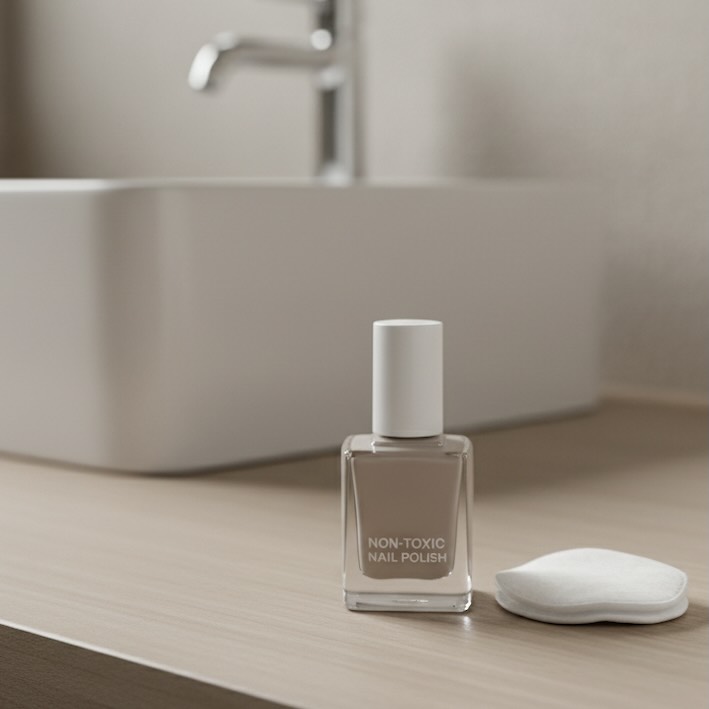
Your nails deserve beauty without compromise. Traditional nail polishes contain chemicals that can disrupt your hormones, irritate your respiratory system, and introduce toxins into your body every time you paint your nails. The good news? Non-toxic nail polish has evolved far beyond the early formulas that chipped within hours. Today's safer alternatives deliver gorgeous color, impressive durability, and peace of mind.
Making the switch to non-toxic nail polish means protecting yourself from chemicals linked to health concerns while still enjoying vibrant manicures. Whether you're pregnant, planning to become pregnant, or simply want to reduce your toxic load, understanding what goes into your polish matters. This guide walks you through everything you need to know about safer nail care, from ingredient science to performance comparisons, helping you make informed choices for healthier, beautiful nails.
Non-toxic nail polish works by eliminating harmful chemicals while using safer alternatives that still create durable, glossy finishes. Traditional polishes rely on what's called the "toxic trio": formaldehyde, toluene, and dibutyl phthalate (DBP). These ingredients help polish adhere, dry quickly, and remain flexible, but they come with serious health risks.
The science behind safer formulas focuses on replacing these problematic ingredients with less harmful options. Modern non-toxic polish uses plant-based resins, safer plasticizers, and alternative solvents that perform similar functions. The mechanism remains the same: liquid polish dries through solvent evaporation, leaving behind a colored film on your nail.
Key ingredients commonly excluded from non-toxic nail polish include:
When brands advertise "5-free," "7-free," or even "21-free" formulas, they're telling you how many potentially toxic chemicals they've removed. The higher the number, the cleaner the formula typically is. However, free-from claims only matter if the replacement ingredients are actually safer.
The promise of non-toxic polish extends beyond what's removed. Many brands add nourishing ingredients like biotin, keratin, and plant oils. These additions support nail health rather than simply coating your nails. How it works is straightforward: healthier ingredients create less toxic exposure while still delivering the aesthetic results you want.
Understanding the science helps you see that safer polish isn't about sacrifice. It's about using chemistry more thoughtfully to protect your health without giving up beautiful nails.

Performance reviews of non-toxic nail polish reveal that safer formulas have improved dramatically over the past decade. When you first apply these polishes, you'll notice the texture feels slightly different from conventional brands. The consistency tends to be smoother and less viscous, making application easier but requiring careful technique.
The immediate results often surprise people making the switch. Colors appear vibrant and opaque, usually requiring just two coats for full coverage. The feel during application is pleasant, without the strong chemical smell that makes traditional polish so overwhelming. This absence of harsh fumes represents your first tangible taste of what safer ingredients mean.
Reviews from Amazon and Reddit consistently highlight these performance factors:
Real user experiences on Reddit reveal that performance varies significantly between brands. Ella+Mila and Zoya receive praise for lasting power, with users reporting week-long manicures. Pacifica and Plant Beauty show more mixed results, with some colors performing beautifully while others chip within two days.
The taste factor matters less here than with consumables, but the overall sensory experience counts. You'll notice these polishes smell more pleasant, featuring subtle fruity or floral notes instead of chemical sharpness. This makes home manicures more enjoyable and eliminates headaches some people get from traditional polish fumes.
Performance improves when you use proper technique. Thin coats dry faster and last longer than thick applications. Proper nail preparation—cleaning, buffing, and using base coat—extends wear time significantly. Reviews consistently confirm that non-toxic polish delivers salon-quality results when applied correctly, proving that safer ingredients don't mean compromising on beauty.

The term "chemical-free" technically doesn't exist since everything is made of chemicals, including water. However, when brands market non-toxic nail polish as clean or chemical-free, they mean free from harmful or concerning chemicals. Understanding this distinction helps you evaluate safety claims accurately.
Non-toxic formulations prioritize removing ingredients linked to health problems. Studies show formaldehyde exposure can cause respiratory irritation and has been classified as a carcinogen. Toluene affects your nervous system and can harm developing fetuses. DBP disrupts hormones, potentially affecting reproductive health.
Clean ingredients in safer polish include water-based polymers, natural colorants, and plant-derived solvents. These alternatives don't carry the same health warnings as traditional ingredients. However, "natural" doesn't automatically mean safer. Some natural ingredients can still cause allergic reactions in sensitive individuals.
Safety vetting for non-toxic nail polish should examine:
The truly non-toxic polish brands provide complete ingredient transparency. You should be able to find every component listed, not just marketing claims about what's excluded. This openness allows you to research specific ingredients and make informed decisions.
Safety considerations extend beyond ingredients to application and removal. Even safer polish requires proper ventilation during use. The acetone-free removers often paired with clean ingredients work more slowly but avoid the harsh drying effects of conventional removers.
Pregnancy safety represents a particular concern. While safer formulas eliminate the worst offenders, healthcare providers still recommend good ventilation and limited exposure. The reduced risk from clean ingredients provides meaningful protection during this sensitive time.
Remember that even non-toxic formulas contain chemicals that enable polish to function. The goal isn't eliminating all chemicals but choosing ones with better safety profiles and less environmental impact.
Family use of non-toxic nail polish requires understanding relative toxicity levels and who's most vulnerable. Children face greater risks from toxic exposure because their bodies are still developing. Their smaller size means the same chemical amount has proportionally larger effects.
Kids' safety improves dramatically with non-toxic polish. Young children often put their hands in their mouths, creating direct ingestion pathways for polish chemicals. Safer formulas reduce this risk significantly. However, supervision remains important since even clean ingredients aren't meant for consumption.
Pregnancy represents another high-priority safety concern. During fetal development, certain chemicals can cross the placental barrier and affect the growing baby. Traditional polish ingredients like toluene and phthalates are particularly concerning. Choosing pregnancy-safe alternatives protects both mother and child.
Understanding relative toxicity helps families make informed choices:
The difference between toxic and relatively non-toxic ingredients often comes down to exposure levels and individual sensitivity. Even safer ingredients can cause reactions in highly sensitive people. Family use requires considering everyone's unique health status and sensitivities.
Children's nail polish specifically formulated for kids often features water-based formulas that peel off rather than requiring remover. These provide the safest option for young children who want decorated nails. They don't last as long but eliminate removal chemical exposure entirely.
Families dealing with allergies or asthma should pay extra attention to volatile organic compounds (VOCs). Even non-toxic polish releases some VOCs during drying. Good ventilation becomes especially important for respiratory-sensitive family members.
Usability for families means finding formulas that balance safety with practicality. Polish that chips after one day frustrates users and wastes money. The best family-friendly options deliver both safety and reasonable durability, making the healthier choice also the practical one.

Non-toxic nail polish typically costs between $10 and $25 per bottle, compared to $5-$12 for conventional brands. This price difference reflects higher-quality ingredients, more rigorous safety testing, and often smaller-batch production. Understanding the value requires looking beyond initial cost.
The pricing structure varies significantly between brands. Drugstore options like Ella+Mila and Pacifica offer affordable entry points at $8-$10 per bottle. Mid-range brands like Zoya and Tenoverten cost $10-$15. Premium options like Kure Bazaar and Côte reach $18-$25 per bottle.
Where to buy affects both price and selection. Online retailers like Amazon offer competitive pricing and reviews to guide choices. Brand websites provide full color ranges and often run promotions. Natural retailers like The Detox Market and Credo Beauty curate selections of truly clean brands.
Cost per use calculations reveal the true value:
Long-term cost considerations include health benefits that are harder to quantify. Reducing toxic exposure may prevent future health issues, though direct cause-and-effect is difficult to prove. The peace of mind from knowing you're using safer products has value beyond dollars.
Value assessment should factor in performance. A $20 bottle that lasts seven days per manicure provides better value than an $8 bottle that chips after two days. You'll use less polish overall when formulas perform well, extending bottle life.
Starter kits offer economical entry points for trying non-toxic brands. Many companies sell sets including base coat, top coat, and several colors for $30-$50. These bundles provide better value than buying pieces separately while letting you test performance.
Where to buy impacts your ability to return unsatisfactory products. Retailers with good return policies protect your investment if colors don't match expectations or formulas don't perform well on your nails.
Comparing non-toxic nail polish brands helps you identify which alternatives deliver the best combination of safety and performance. Zoya stands out as an industry leader, offering 10-free formulas with exceptional chip resistance. Their wide color selection includes over 300 shades spanning every trend and classic.
Ella+Mila provides strong competition at a lower price point. Their 7-free formula performs well for most users, with particular praise for their neutrals and pastels. The brand includes a strengthening complex in their polish, supporting nail health during wear.
Head-to-head comparison of top non-toxic nail polish brands:
The best non-toxic nail polish for you depends on priorities. If longevity matters most, Zoya and Tenoverten deliver superior chip resistance. For budget-conscious shoppers, Ella+Mila offers excellent value. Those prioritizing certified vegan and cruelty-free products gravitate toward Pacifica despite slightly shorter wear time.
Application experience differs between brands. Zoya's brush width and flexibility make it beginner-friendly. Tenoverten's wider brush covers nails faster but requires steadier hands. Ella+Mila falls in between, offering moderate brush size suitable for most nail shapes.
Color payoff varies noticeably. Zoya's formulas tend toward full opacity in two coats across all color families. Ella+Mila's pastels sometimes need three coats for complete coverage. Pacifica's deeper shades perform beautifully, but their lighter colors can appear streaky.
Alternatives to these mainstream brands include smaller companies like Sundays, which markets itself as wellness-focused polish. Their formulas contain no harsh chemicals and include nourishing ingredients. Londontown offers similar positioning with added benefits for nail strengthening.
Conventional polish rivals like OPI and Essie have introduced cleaner formulas to compete. However, their "cleaner" options typically achieve only 7-free or 8-free status compared to the 10-free and higher formulations of dedicated non-toxic brands.

Non-toxic nail polish delivers meaningful health benefits without the performance sacrifices that characterized early clean formulas. After evaluating safety profiles, performance reviews, and cost considerations, the case for switching becomes clear. You can protect your health while maintaining beautiful manicures.
The pros extend beyond ingredient safety. Reduced chemical odor makes application more pleasant and eliminates the headaches some people experience with traditional polish. Better ingredient transparency allows informed decision-making. Supporting brands prioritizing health and environmental responsibility aligns your purchases with your values.
Performance has reached the point where most users notice little difference from conventional polish. Application feels familiar, colors appear vibrant, and wear time meets expectations when you use proper technique. The gap between toxic and non-toxic options continues narrowing as formulas improve.
Pros of non-toxic nail polish include:
Cons remain worth acknowledging. Higher prices create barriers for some budgets, though cost-per-use calculations show reasonable value. Slightly longer dry times require patience. Some colors and finishes still perform less consistently than their conventional counterparts.
Limited availability in physical stores can frustrate shoppers who prefer seeing colors in person before purchasing. Online shopping helps but doesn't eliminate the color-matching challenge. Some brands offer sample sizes or discovery sets to address this issue.
The final recommendation depends on your priorities and circumstances. If you're pregnant, have young children, or deal with chemical sensitivities, switching to non-toxic nail polish makes excellent sense. The health protection justifies any minor performance differences or cost increases.
For others, the decision balances health consciousness with practical considerations. Starting with one or two bottles lets you test performance before fully committing. Choose a reputable brand like Zoya for your first purchase to ensure a positive experience with safer formulas.
Your nails reflect your health and your choices. Non-toxic nail polish empowers you to make those choices consciously, protecting your wellbeing while expressing your style. The technology has matured enough that safety no longer requires sacrifice. Beautiful, healthy manicures are finally possible together.
* AI Disclosure: This article was developed with the assistance of AI language models, which aided in research, drafting, and/or editing. We strive for accuracy, but AI-generated content can occasionally contain errors. We recommend you double-check and verify information before making decisions based on this content.