Find out why essential oil perfumes protect your health while conventional fragrances expose you to hormone disruptors and toxins daily.
Tchiki Davis, M.A., Ph.D.
*This post may contain affiliate links. If you click and make a purchase, we may earn a small commission at no extra cost to you.
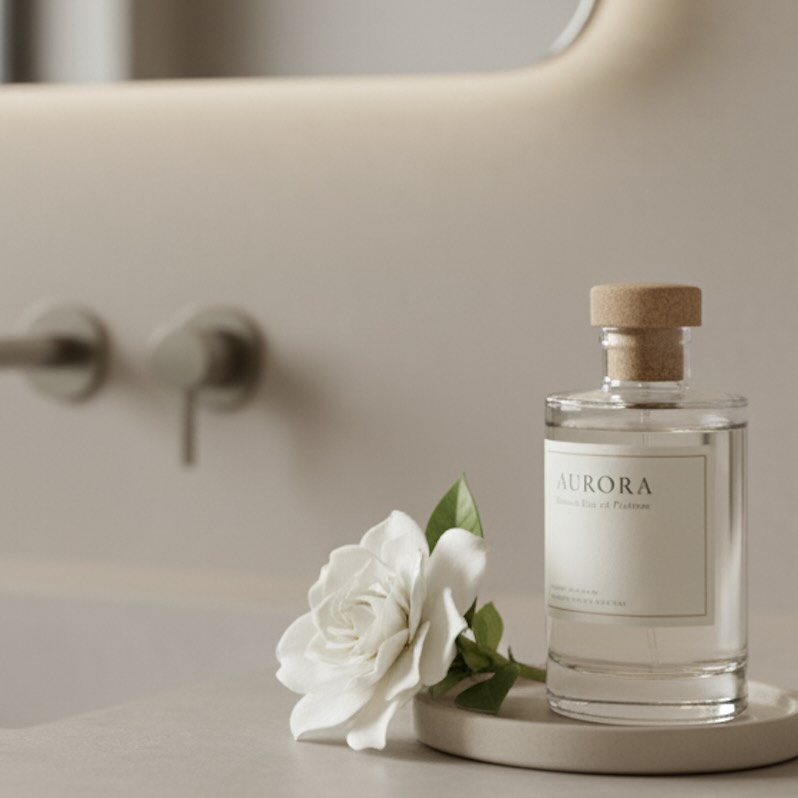
Conventional perfumes contain an average of 14 secret chemicals not listed on their labels, according to research from environmental health organizations. These hidden ingredients include phthalates, synthetic musks, and hormone-disrupting compounds that accumulate in your body over time. Every spray exposes you to substances linked to reproductive issues, allergies, and respiratory problems that develop gradually without obvious warning signs.
Non-toxic perfume offers a safer alternative using pure essential oils instead of synthetic fragrance chemicals. These natural fragrances provide beautiful scents without the toxic burden of conventional options. Essential oil-based perfumes work with your body chemistry rather than overwhelming it with artificial compounds. You can smell wonderful while protecting your endocrine system, respiratory health, and overall wellness. The transparency of clean perfume brands means you know exactly what you're putting on your skin. Making the switch to non-toxic fragrance represents one of the most important steps you can take toward reducing your daily chemical exposure and supporting long-term health.
Non-toxic perfume relies on pure essential oils extracted from flowers, leaves, roots, and resins. These botanical essences contain hundreds of naturally occurring aromatic compounds that create complex, beautiful scents. Unlike synthetic fragrances made in laboratories from petroleum derivatives, essential oils come directly from plants through distillation or cold-pressing methods.
Essential oils create scent through volatile organic compounds that naturally evaporate at room temperature. When you apply non-toxic perfume, these molecules interact with your unique body chemistry. The warmth of your skin releases the aromatic compounds gradually, creating a personalized scent experience that evolves throughout the day.
The molecular structure of natural essential oils differs fundamentally from synthetic fragrance chemicals. Plant-based aromatics contain multiple components that work synergistically, creating depth and complexity. Synthetic fragrances typically isolate single molecules or create artificial compounds that don't exist in nature.
Your body recognizes and processes essential oils as natural substances. These botanical compounds can be metabolized and eliminated through normal detoxification pathways. In contrast, many synthetic fragrance chemicals resist breakdown and accumulate in fatty tissues over time.
Quality non-toxic perfumes use organic essential oils diluted in natural carrier bases. Common carriers include jojoba oil, fractionated coconut oil, or organic alcohol derived from sugarcane. These bases allow the essential oils to spread evenly on your skin while providing moisturizing benefits.
Key ingredients in non-toxic perfume include:
The concentration of essential oils in non-toxic perfume typically ranges from 15-30% for parfum strength products. This creates long-lasting scent without overwhelming your senses. The remaining ingredients consist entirely of recognizable, natural substances that support skin health.
Many non-toxic perfume brands emphasize sustainability in their sourcing practices. They work directly with farmers who grow aromatic plants without pesticides or harmful chemicals. This ensures the essential oils remain pure from cultivation through final bottling.
The absence of synthetic fixatives means natural perfumes may fade faster than conventional options. However, this actually benefits your health by preventing constant chemical exposure. You can reapply as needed without accumulating harmful substances in your system.

Users consistently report that non-toxic perfume performs differently than synthetic fragrances, requiring adjustment in expectations and application techniques. Reviews on Amazon show that people appreciate the clean ingredient profiles even when scents don't last quite as long. The trade-off between duration and health safety makes sense for most health-conscious consumers.
Essential oil fragrances offer remarkable complexity that synthetic versions cannot replicate. Natural perfumes develop through distinct top, middle, and base notes as different components evaporate. You might notice citrus brightness initially, followed by floral heart notes, finishing with warm, grounding base notes.
The scent of non-toxic perfume changes subtly with your unique body chemistry. Skin pH, diet, and hormonal fluctuations all influence how essential oils smell on you. This personalization creates a signature scent that won't smell identical on anyone else.
Reddit users frequently mention that natural fragrances smell more "real" and less artificial than synthetic perfumes. The botanical authenticity resonates with people seeking genuine, unprocessed products. Some describe the experience as smelling like an actual garden rather than a chemical interpretation of flowers.
Most users find that non-toxic perfume lasts 3-6 hours compared to 8-12 hours for synthetic fragrances. This shorter duration results from using only natural fixatives like sandalwood, patchouli, or benzoin. These plant-based anchors cannot match the persistence of synthetic musks and petroleum-derived compounds.
Common user experiences include:
Amazon reviewers note that layering techniques extend the wear time of essential oil perfumes. Applying unscented natural lotion first creates a moisturized base that holds fragrance better. Some people also spray their clothing or hair for longer-lasting scent.
The application method significantly impacts performance with non-toxic perfume. Roll-on oil formulas typically last longer than sprays because concentrated oil sits on skin rather than dispersing into air. Dabbing perfume on warm pulse points—wrists, neck, behind ears—maximizes scent release.
Users appreciate that natural fragrances don't trigger the headaches and nausea common with synthetic perfumes. Even people with chemical sensitivities often tolerate non-toxic perfume well. This makes essential oil fragrances accessible to those who've had to avoid conventional options entirely.

Non-toxic perfume eliminates the dangerous synthetic chemicals found in conventional fragrances while delivering clean, safe scents. The term "fragrance" on conventional product labels hides up to hundreds of undisclosed ingredients protected as trade secrets. These hidden chemicals often include phthalates, which disrupt hormones, and synthetic musks that bioaccumulate in body tissues.
Traditional perfumes contain numerous chemicals linked to serious health concerns. Phthalates, used to make scents last longer, interfere with testosterone production and normal reproductive development. Studies show these compounds appear in the blood and urine of people who regularly use scented products.
Synthetic musks accumulate in fatty tissues and breast milk, persisting in your body for years. Research detects these chemicals in human tissue samples even in people who stopped using perfumes months earlier. The long-term health effects of this bioaccumulation remain incompletely understood but clearly concerning.
Many conventional fragrances also contain allergens and respiratory irritants. The American Academy of Dermatology recognizes fragrance as a leading cause of cosmetic contact dermatitis. Volatile organic compounds (VOCs) in synthetic perfumes contribute to indoor air pollution and trigger asthma symptoms.
Essential oil-based perfumes eliminate all synthetic fragrance chemicals from the formula. You get complete transparency about ingredients—every component is listed and recognizable. This openness contrasts sharply with the secrecy surrounding conventional fragrance formulations.
Pure essential oils undergo testing for contaminants when sourced from reputable suppliers. Quality brands provide gas chromatography-mass spectrometry (GC-MS) reports verifying oil purity. These tests confirm the absence of pesticide residues, heavy metals, and adulterants.
Safety advantages of non-toxic perfume include:
The alcohol used in spray non-toxic perfumes typically comes from organic sugarcane rather than petroleum-derived sources. This matters because conventional perfume alcohol may contain toxic impurities from the refining process. Plant-based alcohol provides clean evaporation without leaving chemical residues.
Some people worry that "natural" automatically means safe, but quality matters significantly. Essential oils themselves are potent substances requiring proper dilution. Reputable non-toxic perfume brands formulate with appropriate concentrations that remain safe for direct skin application.
Third-party certifications help verify non-toxic perfume claims. Look for seals from organizations like MADE SAFE, Environmental Working Group (EWG) Verified, or USDA Organic. These certifications require independent testing and verification of ingredient safety and sourcing practices.
Non-toxic perfume offers safer options for families concerned about chemical exposures during vulnerable life stages. Pregnant women, nursing mothers, and children face particular risks from synthetic fragrance chemicals. Essential oil fragrances provide alternatives, though certain precautions still apply.
Pregnant women should avoid conventional perfumes due to phthalate content and hormone-disrupting compounds. These chemicals cross the placental barrier and appear in fetal blood, potentially affecting development. Research links maternal fragrance exposure to reproductive issues and behavioral problems in children.
Non-toxic perfume eliminates phthalates and synthetic musks, offering much safer options. However, some essential oils require caution during pregnancy. Oils like clary sage, rosemary, and certain herbs may stimulate uterine contractions. Pregnant women should choose specifically pregnancy-safe formulations or consult with knowledgeable aromatherapists.
Nursing mothers can generally use non-toxic perfume more freely than during pregnancy. Essential oils do pass through breast milk in tiny amounts, but properly diluted perfumes pose minimal risk. Avoid applying fragrance directly to chest areas where baby's face contacts skin during nursing.
Children's developing bodies process chemicals differently than adults, making them more vulnerable to toxic exposures. Their higher breathing rates relative to body size mean they inhale more fragrance compounds per pound of body weight. Hormone disruption during childhood can affect lifelong health trajectories.
Non-toxic perfume provides gentler options for children who want to experiment with fragrances. Choose milder essential oil blends featuring citrus, lavender, or vanilla rather than intense florals. Always dilute further than adult formulations to accommodate children's sensitive skin and developing systems.
Many families opt to keep their homes fragrance-free for young children. This protects kids from accumulating chemical burdens before their bodies fully mature. When older children and teens want personal fragrances, essential oil perfumes offer much safer alternatives to conventional options.
Family safety guidelines include:
Parents with multiple chemical sensitivity or fragrance allergies often find their children tolerate non-toxic perfume better. The absence of synthetic irritants means fewer respiratory and skin reactions. However, individual sensitivities to specific essential oils can still occur.
The long-term health investment of using non-toxic perfume during childhood pays dividends. Reducing toxic exposure during developmental years supports proper hormonal maturation and immune function. Children who grow up without synthetic fragrance exposure often maintain better tolerance for natural scents.

Non-toxic perfume typically costs $30-80 per bottle, depending on the brand, size, and oil quality. This price range exceeds drugstore synthetic perfumes but compares favorably to department store designer fragrances. The clean ingredient investment protects your health while providing beautiful scents.
Essential oils cost significantly more than synthetic fragrance chemicals, driving up non-toxic perfume prices. A single pound of pure rose essential oil requires approximately 10,000 pounds of rose petals. This intensive production process explains why natural fragrances command premium pricing.
Organic certification adds costs but ensures essential oils come from plants grown without pesticides. The testing and verification required for organic status increases expenses. However, this investment guarantees you're not applying pesticide residues to your skin daily.
Smaller indie brands typically charge more than larger natural beauty companies due to limited economies of scale. However, these artisanal producers often source exceptional quality oils and create unique scent compositions. The craftsmanship justifies the premium for many health-conscious consumers.
Specialty natural beauty retailers carry curated selections of clean fragrance brands. Stores like Credo Beauty, The Detox Market, and Follain focus exclusively on non-toxic products. Staff at these retailers can provide knowledgeable guidance about different essential oil perfume options.
Online shopping offers the widest selection of non-toxic perfume brands. Many small producers sell exclusively through their websites or platforms like Etsy. Amazon carries some clean fragrance options, though verifying authenticity and quality requires careful review reading.
Purchasing considerations include:
A 10ml bottle of non-toxic perfume lasting 2-3 months costs approximately $0.35-1.30 per day. This daily investment protects you from toxic chemical exposure while providing personal fragrance enjoyment. Compare this to the hidden healthcare costs of hormone disruption and chemical sensitivity.
Roll-on oil perfumes typically offer better value than spray bottles. Less product disperses into the air with each application, meaning bottles last longer. Oil-based formulas also cost less to produce than alcohol spray versions.
Many non-toxic perfume brands offer refill programs or concentrate options. These reduce packaging waste while lowering long-term costs. Building relationships with preferred brands through email lists often provides access to sales and special promotions.
Non-toxic perfume dramatically outperforms conventional fragrances when comparing health impacts and safety profiles. Synthetic perfumes prioritize scent longevity and low production costs over consumer wellbeing. Essential oil fragrances make the opposite choice—your health matters more than maximum persistence.
Designer perfumes from major brands contain the same problematic chemicals as drugstore options, just in prettier packaging. Testing by environmental health organizations finds phthalates and synthetic musks in expensive department store fragrances. The luxury price tag doesn't translate to safer ingredients.
Non-toxic perfume provides complete ingredient transparency that designer brands refuse to offer. You know exactly what touches your skin with essential oil fragrances. This openness empowers you to make informed decisions about your health and chemical exposures.
The marketing around conventional perfumes often emphasizes sex appeal and luxury status. Natural fragrance brands focus instead on wellness, sustainability, and ingredient integrity. This philosophical difference reflects fundamentally opposed priorities—image versus health.
Many conventional brands now market "natural" fragrance lines that still contain synthetic chemicals. The term "natural fragrance" lacks legal definition and doesn't guarantee safety. These products may blend some essential oils with synthetic compounds while maintaining ambiguous labeling.
Truly non-toxic perfume contains only pure essential oils and natural bases. The ingredient list remains short, pronounceable, and verifiable. You can research each component and understand its source. This differs enormously from "natural fragrance" products hiding ingredients behind vague terminology.
Some conventional brands use "nature-identical" synthetics—lab-created molecules matching natural compounds. While potentially less toxic than other synthetics, these ingredients still represent manufactured chemicals. They lack the synergistic complexity of whole essential oils and undergo industrial processing.
Comparison highlights include:
The health research clearly favors non-toxic perfume over any conventional alternative. Studies linking synthetic fragrances to reproductive issues, respiratory problems, and allergic reactions don't apply to pure essential oils. The precautionary principle supports choosing natural over synthetic when both options exist.
Conventional perfume's superior longevity comes at too high a cost to your health. The synthetic fixatives that make scents persist for 12+ hours also accumulate in your tissues. Non-toxic perfume's 4-6 hour duration prevents this buildup while still providing adequate scent coverage.

Non-toxic perfume represents one of the most important switches you can make for reducing daily toxic exposures. Conventional fragrances expose you to hormone disruptors, allergens, and persistent chemicals multiple times daily. Essential oil alternatives eliminate these health risks while providing beautiful, complex scents.
Non-toxic perfume protects your endocrine system from phthalates and other hormone-disrupting compounds. These chemicals interfere with reproductive health, thyroid function, and metabolic processes. Choosing clean fragrances removes this daily assault on your hormonal balance.
The complete ingredient transparency empowers you to understand exactly what touches your skin. No hidden chemicals lurk behind "fragrance" labeling loopholes. You can research each essential oil and carrier ingredient, making truly informed decisions about your health.
Essential oil fragrances offer therapeutic benefits beyond simple scent. Many oils possess calming, uplifting, or focusing properties that support emotional wellbeing. Your perfume becomes a wellness tool rather than just a cosmetic product.
The environmental impact of non-toxic perfume far exceeds conventional options. Sustainable botanical sourcing, biodegradable ingredients, and reduced chemical pollution protect ecosystems. Your personal care choices ripple outward, supporting planetary health alongside your own.
Non-toxic perfume requires more frequent reapplication than synthetic fragrances for all-day scent. The 3-6 hour wear time may inconvenience people accustomed to once-daily application. Carrying your perfume for touch-ups becomes necessary if continuous scent matters to you.
The higher price point challenges budget-conscious consumers, though the health investment justifies the cost. Essential oil perfumes cost more to produce than synthetic alternatives. However, the protection from toxic chemicals delivers value that transcends simple price comparisons.
Some essential oils cause skin sensitivity in susceptible individuals, requiring patch testing before regular use. While far safer than synthetic fragrances, natural oils remain potent substances. Individual reactions vary, and finding the right blend for your chemistry takes experimentation.
Anyone concerned about reducing toxic chemical exposures should immediately switch to essential oil fragrances. People with chemical sensitivities, hormonal imbalances, or respiratory issues benefit most from eliminating synthetic perfumes. Pregnant women and families with children should prioritize non-toxic options.
Final recommendation points:
You can confidently make the switch to non-toxic perfume knowing you're protecting your health without sacrificing beauty or self-expression. Start with sample sets to explore different essential oil combinations. Pay attention to how natural fragrances make you feel compared to synthetic options.
The adjustment period to shorter wear times becomes effortless once you experience the health benefits. Many people report feeling clearer, experiencing fewer headaches, and noticing improved hormonal balance after eliminating synthetic fragrances. These improvements far outweigh any inconvenience from reapplication.
Your daily fragrance choice impacts your health more significantly than you might realize. Every spray of conventional perfume adds to your toxic burden and disrupts delicate hormonal systems. Non-toxic perfume offers a simple solution—smell wonderful while protecting the body you depend on for everything. Make your next fragrance purchase a clean one, and enjoy beautiful scents that support rather than compromise your wellbeing.
* AI Disclosure: This article was developed with the assistance of AI language models, which aided in research, drafting, and/or editing. We strive for accuracy, but AI-generated content can occasionally contain errors. We recommend you double-check and verify information before making decisions based on this content.