Check out non-toxic shampoo that cleans without harsh chemicals. Safe ingredients for healthy hair and scalp.
Tchiki Davis, M.A., Ph.D.
*This post may contain affiliate links. If you click and make a purchase, we may earn a small commission at no extra cost to you.
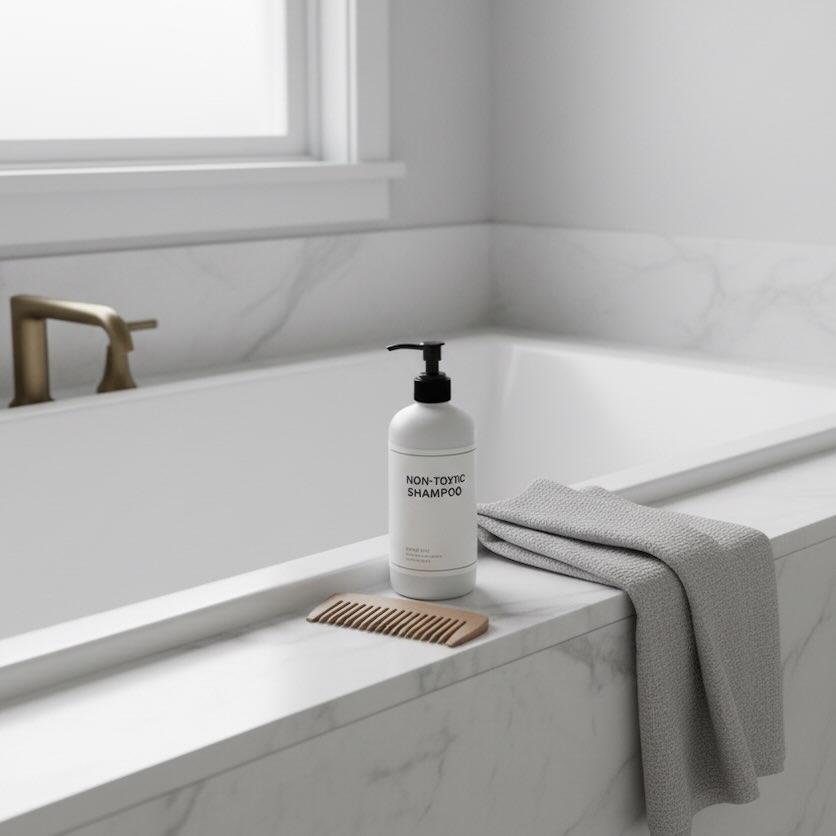
Conventional shampoos are loaded with synthetic chemicals: sulfates that strip natural oils, parabens that disrupt hormones, synthetic fragrances with undisclosed ingredients, and silicones that coat hair in plastic-like residue. When you're working to reduce toxins in your life, the products you use on your head deserve serious attention, especially since scalp absorption can introduce substances directly into your bloodstream.
Non-toxic shampoo offers a cleaner alternative, using plant-based cleansers and natural ingredients instead of harsh synthetic chemicals. These safer hair care products effectively clean your hair and scalp without exposing you to questionable substances that could affect your hormones, skin health, or overall wellbeing. The movement toward chemical-free shampoo has grown as more people recognize that healthy hair starts with a healthy scalp, and that means avoiding ingredients that irritate, disrupt, or burden your body's natural processes. Your scalp health directly affects hair growth, texture, and appearance, making the choice of shampoo particularly important for achieving the healthy hair you want. Let's explore how non-toxic shampoo can transform your hair care routine.
Non-toxic shampoo uses gentle, plant-derived cleansing agents instead of harsh synthetic surfactants like sodium lauryl sulfate (SLS) or sodium laureth sulfate (SLES). These natural formulas avoid parabens, phthalates, synthetic fragrances, silicones, and other concerning chemicals common in conventional hair products. The goal is cleaning your hair effectively while minimizing exposure to substances that could disrupt hormones, irritate skin, or accumulate in your body.
True non-toxic shampoo relies on ingredients like coconut-derived cleansers, plant extracts, essential oils, and naturally occurring preservatives. These components clean hair through gentle surfactant action that removes dirt and oil without stripping the scalp's natural protective barrier. When you choose chemical-free shampoo, you're selecting products designed to work with your body's natural processes rather than against them.
The cleaning power in non-toxic shampoo comes from plant-derived surfactants that create the same dirt-removing action as synthetic sulfates, but more gently. Ingredients like coco-glucoside (from coconut) or decyl glucoside (from corn and coconut) attach to both water and oil molecules, allowing water to rinse away sebum, dirt, and product buildup. These natural cleansers create less foam than sulfate-based products, but foam doesn't equal cleaning power.
Key beneficial ingredients in non-toxic shampoo formulas:
Aloe vera in chemical-free shampoo provides soothing, anti-inflammatory benefits for your scalp. This plant extract contains vitamins, minerals, and amino acids that support healthy hair growth. Unlike synthetic conditioning agents, aloe works with your scalp's natural pH balance, helping maintain the slightly acidic environment that protects against bacteria and fungal growth.
Non-toxic shampoo requires preservatives to prevent bacterial and mold growth in water-based formulas. Rather than using parabens (which can mimic estrogen in your body), natural formulas employ plant-derived preservatives like rosemary extract, grapefruit seed extract, or radish root ferment. These natural options effectively preserve products without raising hormonal concerns that make conventional preservatives problematic.
Some natural shampoos use gentle synthetic preservatives like phenoxyethanol, which is considered safer than parabens. While not completely "natural," this preservative has a better safety profile and doesn't accumulate in tissues. The best non-toxic shampoo balances safety (preventing contamination) with clean ingredients (avoiding hormone disruptors).
Your scalp absorbs substances more readily than many other skin areas due to its rich blood supply and the presence of hair follicles that create absorption pathways. When you apply conventional shampoo with parabens, phthalates, or other concerning chemicals, these substances can enter your bloodstream directly. This scalp absorption explains why choosing chemical-free shampoo matters more than you might initially think.
Studies have found parabens in breast tissue, blood, and urine samples from people who regularly use paraben-containing personal care products. While causation isn't definitively proven, the presence of these synthetic preservatives in body tissues raises reasonable concerns. Non-toxic shampoo eliminates this absorption pathway, reducing your body's burden of processing and storing synthetic chemicals.
Healthy hair and scalp function optimally at slightly acidic pH (4.5-5.5). Many conventional shampoos have alkaline pH levels that temporarily swell the hair cuticle, making hair feel rough and appear dull. Quality non-toxic shampoo maintains pH levels that support your hair's natural acid mantle, keeping cuticles smooth and protecting against damage and moisture loss.
The pH balance in chemical-free shampoo also affects scalp health. When products disrupt your scalp's natural pH, you might experience dryness, irritation, or even increased oil production as your skin tries to compensate. Natural formulas respect your scalp's biology, supporting balanced sebum production and comfortable, healthy scalp conditions.

When you first switch to non-toxic shampoo, your hair might go through an adjustment period lasting 2-4 weeks. This happens because conventional products coat hair with silicones and synthetic conditioning agents that natural shampoos gradually remove. During transition, your hair might feel different—sometimes greasier or less smooth—as your scalp recalibrates its natural oil production. Understanding this temporary phase helps you stick with cleaner products.
Amazon reviewers of popular non-toxic shampoos like Acure or Avalon Organics frequently mention this adjustment period. One user noted, "The first two weeks my hair felt weird and waxy, but I stuck with it. Now at week six, my hair is healthier, shinier, and more manageable than ever." This pattern appears consistently in reviews of chemical-free shampoo products.
Non-toxic shampoo typically creates less foam than sulfate-based conventional products. This reduced lather takes adjustment if you equate bubbles with cleaning power, but foam is purely cosmetic—it doesn't actually clean better. The plant-based surfactants in natural formulas clean effectively with minimal suds. You'll need to massage your scalp more thoroughly since you can't rely on voluminous foam.
Common experiences during the first month of use:
The cleansing feel of chemical-free shampoo differs from conventional products. Without sulfates creating that squeaky-clean sensation, your hair might not feel as "stripped" during washing. This gentler cleaning actually benefits your hair—that squeaky feeling from sulfates indicates damaged, swollen cuticles, not superior cleanliness. Non-toxic shampoo cleans thoroughly while maintaining hair's natural protective oils.
After the transition period, most people using non-toxic shampoo report that their hair looks and feels healthier. Natural shine returns as silicone buildup disappears and hair reflects light naturally. Hair often becomes softer and more manageable because the cuticles aren't being damaged by harsh surfactants. These improvements reflect genuinely healthier hair rather than cosmetic coating from synthetic conditioning agents.
Reddit users in r/NoPoo and r/HaircareScience communities discuss how switching to chemical-free shampoo improved their hair quality dramatically. One user shared, "My hair was so dependent on silicones that it felt awful without them. Six months into using sulfate-free, silicone-free shampoo, my hair has natural body and shine I never had before."
Many people notice significant scalp improvements with non-toxic shampoo. Itching, flaking, and irritation often diminish when harsh chemicals are eliminated. Your scalp's natural microbiome balances better without synthetic ingredients disrupting beneficial bacteria. Some users report that scalp conditions like seborrheic dermatitis improve with gentler, plant-based cleansers that don't aggravate inflammation.
The absence of synthetic fragrance in many natural shampoos reduces scalp irritation for sensitive individuals. Fragrance chemicals can trigger contact dermatitis, causing redness, itching, and discomfort. Chemical-free shampoo using essential oils or no fragrance eliminates this common irritant, allowing your scalp to function optimally without constant chemical assault.
People who stick with non-toxic shampoo for six months or longer consistently report superior hair quality. Hair grows faster for some users, likely because a healthier scalp environment supports better follicle function. Hair breakage decreases because gentler cleansing preserves hair strength and elasticity. Color-treated hair fades more slowly without harsh sulfates stripping color molecules from the hair shaft.
The cumulative benefits of chemical-free shampoo become most apparent over time. Your hair isn't just temporarily improved by coating agents—it's structurally healthier because you're not damaging it with every wash. This fundamental difference explains why people who transition to non-toxic shampoo rarely return to conventional products despite the initial adjustment challenges.
Quality non-toxic shampoos perform consistently across different water conditions, though very hard water can reduce effectiveness of any shampoo. Natural formulas work well in soft to moderately hard water, though you might need slightly more product in hard water areas. Some users find that alternating between different natural shampoo brands prevents product buildup and keeps hair responding optimally.
The performance of chemical-free shampoo improves when paired with compatible conditioners and styling products. Using non-toxic shampoo but conventional silicone-heavy conditioner creates confusion for your hair, negating the benefits of cleaner cleansing. Committing to a fully natural hair care routine delivers the best results and most noticeable improvements.

Non-toxic shampoo avoids ingredients known or suspected to cause health problems, though "non-toxic" and "chemical-free" aren't regulated terms in personal care. Truly clean formulas exclude sulfates (SLS/SLES), parabens, phthalates, synthetic fragrances, formaldehyde-releasing preservatives, and numerous other concerning chemicals. These natural products prioritize ingredients with established safety profiles over powerful but potentially harmful synthetic alternatives.
Third-party certifications help verify safety claims for non-toxic shampoo. EWG Verified means the Environmental Working Group has confirmed ingredients meet their strict health and transparency standards. MADE SAFE certification indicates the product is free from known harmful chemicals. USDA Organic certification (though rare for shampoo) guarantees plant ingredients were grown without synthetic pesticides. These certifications provide confidence beyond marketing claims.
Understanding what non-toxic shampoo excludes helps explain why it matters. Sodium lauryl sulfate (SLS) and sodium laureth sulfate (SLES) are harsh detergents that strip natural oils, damage hair cuticles, and can irritate scalp skin. SLES may be contaminated with 1,4-dioxane, a probable carcinogen. Chemical-free shampoo replaces these with gentle coconut-derived cleansers that clean without harsh side effects.
Common toxic ingredients avoided in non-toxic shampoo:
Parabens in conventional shampoo disrupt your endocrine system by mimicking estrogen. These preservatives absorb through your scalp and have been found in breast tissue, raising concerns about potential links to hormone-related cancers. Non-toxic shampoo uses plant-derived preservatives, eliminating this hormonal interference while still preventing bacterial contamination.
While non-toxic shampoo uses natural ingredients, "natural" doesn't automatically mean "safe for everyone." Some people have allergies to specific plant ingredients or essential oils. Coconut-derived ingredients might concern those with coconut allergies, though processing typically removes allergenic proteins. Tea tree oil, common in natural shampoos, can cause reactions in sensitive individuals. These sensitivities are generally well-known and easily avoided.
The transparency in chemical-free shampoo formulations makes identifying potential triggers much easier than with conventional products. When ingredients are clearly listed and free from "fragrance" catchalls hiding dozens of undisclosed chemicals, you can make informed choices about what touches your scalp. This transparency represents a major safety advantage of non-toxic products.
On the safety spectrum, non-toxic shampoo clearly ranks among the safest options available. Conventional shampoos with sulfates, parabens, and synthetic fragrances represent higher concern levels. "Gentle" or "sensitive" conventional products that remove some problematic ingredients but retain others fall in the middle. Natural shampoos using certified organic plant ingredients and clean preservatives offer the lowest risk profile.
Even within the natural category, quality varies. Some products labeled "natural" still contain questionable ingredients or lack proper certifications. Reading complete ingredient lists and looking for third-party verification ensures your non-toxic shampoo truly meets high safety standards rather than just using green marketing language to sell conventional formulas in eco-friendly packaging.
Some people worry that non-toxic shampoo won't clean adequately or that natural preservatives aren't sufficient. Quality chemical-free shampoos address both concerns through proper formulation and testing. Plant-based surfactants clean effectively, and natural preservatives protect products when formulated correctly. Reputable brands conduct microbial testing to ensure their products remain safe throughout their shelf life.
The concern about essential oils in natural shampoo deserves attention. While essential oils provide natural fragrance and therapeutic benefits, they're potent plant extracts that should be used appropriately. Quality non-toxic shampoo uses essential oils at safe concentrations (typically under 2% of formula). If you're pregnant, have sensitive skin, or react to essential oils, choose fragrance-free versions of chemical-free shampoo.
Children's developing bodies process chemicals differently than adults, making them more vulnerable to toxic exposures. Their thinner, more permeable skin absorbs substances more readily through the scalp. Their smaller body size means the same chemical dose creates higher tissue concentrations. Non-toxic shampoo becomes especially important for kids, protecting them from synthetic hormones, carcinogens, and irritants during critical development periods.
The "no more tears" formulations in many children's shampoos achieve their mildness through numbing agents rather than truly gentle ingredients. These products often still contain sulfates, synthetic fragrances, and other concerning chemicals—they just anesthetize the stinging sensation. True chemical-free shampoo for children uses inherently mild plant-based cleansers that don't need numbing agents because they don't irritate in the first place.
Babies have minimal hair and produce less sebum than older children or adults, requiring very gentle cleansing. Many babies do fine with water-only washing, but when shampoo is needed, non-toxic options prevent exposing developing infants to unnecessary chemicals. Baby scalps are particularly absorbent, and anything applied there can enter their bloodstream, making ingredient quality crucial.
Benefits of non-toxic shampoo for babies and children:
Cradle cap and infant scalp issues often improve with gentle chemical-free shampoo. The natural oils in quality formulas help loosen scales, while gentle cleansing removes buildup without irritating sensitive skin. Parents often find that switching to non-toxic baby shampoo resolves persistent scalp problems that conventional products couldn't address.
Pregnant women should consider switching to non-toxic shampoo to reduce chemical exposure during critical fetal development. Some ingredients in conventional shampoos—particularly phthalates and parabens—may cross the placenta and affect developing babies. Choosing chemical-free hair care during pregnancy represents one way to minimize exposure to substances that could potentially influence fetal development or hormone balance.
The heightened sense of smell during pregnancy makes strongly scented conventional shampoos intolerable for many women. Synthetic fragrances can trigger nausea and headaches. Non-toxic shampoo with light essential oil scents or fragrance-free formulas provides clean hair without overwhelming artificial smells that make morning sickness worse.
Using non-toxic shampoo creates opportunities to teach children about making healthier choices. Kids can understand that some products contain chemicals that aren't good for bodies while others use ingredients from plants. This early education builds critical thinking about personal care choices that serves them throughout life, especially as they enter teen years and want to select their own products.
Involving children in choosing their non-toxic shampoo (within safe options you've pre-selected) gives them ownership of health decisions. They can pick scents they like or unscented versions if they prefer. This participation makes them more likely to use and appreciate cleaner products rather than viewing healthy choices as restrictions imposed by parents.
Teenagers often use more hair products than younger children—styling gels, mousses, sprays, and heat protectants. Helping teens transition to non-toxic shampoo and accompanying products protects them during puberty when hormonal changes already challenge their bodies. Adding hormone-disrupting chemicals from hair care products to this delicate balance seems unnecessary when cleaner alternatives exist.
The acne that many teens experience can be exacerbated by hair products containing pore-clogging ingredients. Non-toxic shampoo using lighter plant oils instead of heavy silicones reduces the likelihood of product transfer to facial skin causing breakouts. Chemical-free hair care helps teens address multiple concerns—healthy hair, clear skin, and reduced toxic exposure—simultaneously.

Non-toxic shampoo typically costs more than drugstore conventional options—usually $10-$25 per bottle compared to $5-$10 for standard shampoo. This price premium reflects higher-quality ingredients (plant-based surfactants cost more than sulfates), organic certification costs, and often smaller-scale production. For budget-conscious consumers, this difference requires consideration when transitioning to cleaner personal care products.
However, many natural shampoos are more concentrated than conventional products, requiring less product per wash. While conventional shampoo might require a quarter-sized amount, chemical-free formulas often work well with a nickel or dime-sized portion. This concentration affects cost-per-wash calculations, making natural products more competitive than initial bottle prices suggest.
Breaking down actual cost per use provides clearer value comparison. A $15 bottle of non-toxic shampoo lasting 60 washes costs 25 cents per use. A $7 conventional shampoo lasting 40 washes costs 17.5 cents per wash. The difference is about 7-8 cents per wash—roughly $12-15 per year if you wash hair 3 times weekly. This modest difference becomes negligible when considering health benefits.
Price comparison across shampoo categories:
The health value equation changes cost perception. If non-toxic shampoo prevents scalp irritation, reduces exposure to hormone disruptors, or improves hair health enough to reduce need for treatments, the health savings substantially exceed any price premium. One avoided dermatologist visit for scalp issues more than covers a year's worth of natural shampoo.
Health food stores and natural retailers like Whole Foods carry extensive selections of non-toxic shampoo. These specialty stores make finding certified clean products easy, though prices tend toward premium. The advantage is knowledgeable staff who can help you select appropriate chemical-free shampoo for your hair type and specific concerns like dandruff or color-treated hair.
Mainstream retailers increasingly stock natural options as consumer demand grows. Target, CVS, and conventional drugstores now carry brands like Acure, Avalon Organics, and Desert Essence. While selection may be more limited than specialty stores, the convenience and competitive pricing make these mainstream retailers good options for accessing non-toxic shampoo affordably.
Amazon offers the widest selection of chemical-free shampoos, including smaller brands not available in stores. Subscribe & Save discounts reduce costs by 5-15%, making online purchasing economically attractive. Reading reviews helps identify products that truly deliver on both cleaning performance and natural ingredient standards before committing to purchase.
Buying non-toxic shampoo in larger sizes reduces per-wash costs significantly. A 16-ounce bottle might cost $15 while a 32-ounce version costs $22—you're getting twice the product for less than twice the price. If you've found a natural shampoo that works well for your hair, buying larger sizes provides excellent value.
Diluting concentrated non-toxic shampoo with water (perhaps 50/50 in a separate bottle) makes products last longer without reducing effectiveness. This works particularly well with very concentrated natural formulas. You're essentially pre-diluting what would happen on your wet hair anyway, extending product life while maintaining cleaning power.
The hair health benefits of non-toxic shampoo add long-term value beyond immediate cleaning. When you stop damaging your hair with harsh sulfates and coating it with silicones, your hair's structural integrity improves. Healthier hair requires fewer treatments, products, and interventions to look good. This reduced need for styling products and treatments offsets any premium paid for cleaner shampoo.
Environmental costs, while personal rather than financial, represent real value for many consumers. Non-toxic shampoo using biodegradable plant-based ingredients doesn't pollute waterways with persistent synthetic chemicals. The ingredients break down naturally without harming aquatic ecosystems. If environmental stewardship matters to you, this ecological value of chemical-free shampoo adds significantly to its worth.
Proper hair care habits extend the effectiveness of your non-toxic shampoo investment. Focus cleansing on your scalp where oil and dirt accumulate, not on hair lengths. The shampoo will clean the length as you rinse. This focused approach requires less product while ensuring thorough cleaning where it matters. Your hair will be cleaner and your bottle will last longer.
Consider washing frequency—many people wash hair more often than necessary. If you can comfortably extend to every other day or even twice weekly, you'll significantly reduce both product costs and the physical stress on your hair from repeated washing. Non-toxic shampoo's gentler formulation makes less frequent washing more feasible since it doesn't strip oils that require daily replacement.
"Sulfate-free" conventional shampoos remove harsh detergents but often still contain parabens, synthetic fragrances, silicones, and other concerning ingredients. These products represent improvement over full-strength sulfate shampoos but don't go far enough. Non-toxic shampoo addresses the complete ingredient profile, replacing all questionable components with plant-based alternatives rather than just swapping out one or two problematic ingredients.
The safety profile clearly favors non-toxic shampoo over sulfate-free conventional options. While removing sulfates eliminates one major concern, the synthetic fragrances, parabens, and silicones in conventional products still create chemical exposure. Chemical-free formulas built entirely around clean plant ingredients reduce your toxic burden more substantially than partially cleaned-up conventional formulas.
Key comparison points:
Both options clean hair without sulfate harshness. The choice between them depends on whether you prioritize maximum chemical reduction (non-toxic shampoo) or want a stepping stone from harsh sulfate products (sulfate-free conventional). For truly toxin-conscious living, natural products represent the more thorough choice that aligns with comprehensive chemical avoidance.
Professional salon shampoos often deliver excellent hair results but frequently contain many of the same concerning chemicals as drugstore brands—just at higher concentrations with better performance ingredients. Premium pricing doesn't guarantee clean ingredients. Some salon lines do offer natural or "clean" options, but many professional products prioritize performance and sensory experience over ingredient safety, using silicones, sulfates, and synthetic fragrances liberally.
Non-toxic shampoo sacrifices some of the immediate cosmetic effects that salon products deliver through silicones and heavy conditioning agents. Your hair might not feel quite as slippery-smooth immediately after washing. However, the long-term hair health from chemical-free formulas typically surpasses short-term cosmetic effects from synthetic coating agents. True hair health versus the illusion of health represents the fundamental difference.
Shampoo bars represent an ultra-minimal approach to non-toxic hair care. These solid bars eliminate water content and packaging waste, using concentrated plant-based cleansers in solid form. They're eco-friendly, travel-friendly, and often very affordable per wash. However, shampoo bars can be tricky to use effectively, sometimes leaving residue or not distributing evenly through hair. The learning curve frustrates some users.
Liquid non-toxic shampoo offers more familiar consistency and easier application than bars. Most people find liquids simpler to distribute through hair and rinse completely. Chemical-free liquid formulas also accommodate targeted treatments more easily—adding aloe for soothing, plant proteins for strength, or specific extracts for scalp conditions. The choice between bars and liquids is largely about personal preference and environmental priorities.
Co-washing (using conditioner to cleanse instead of shampoo) has gained popularity as an ultra-gentle cleansing method. This approach works well for very dry or curly hair that benefits from minimal cleansing. However, most people need actual cleansing agents to remove scalp oil buildup, environmental pollutants, and styling product residue. Non-toxic shampoo provides necessary cleaning power while remaining gentle enough for frequent use.
Some people alternate between non-toxic shampoo and co-washing, using clarifying natural shampoo weekly with conditioner-only washing between. This hybrid approach works particularly well for textured or chemically-treated hair that needs both cleanliness and moisture. The gentleness of chemical-free shampoo makes it suitable for this alternating routine without overdrying.
Making your own non-toxic shampoo from castile soap and plant ingredients appeals to minimalists and budget-conscious consumers. DIY formulas cost pennies per wash and provide complete ingredient control. However, homemade shampoos lack the pH balancing, conditioning agents, and preservative systems that commercial chemical-free formulas offer. Many people find DIY versions too harsh or insufficiently preserved for safe long-term use.
Commercial non-toxic shampoos benefit from professional formulation expertise that home recipes can't replicate. The balance of cleansing, conditioning, pH adjustment, and preservation requires chemistry knowledge. While DIY works for some people, most find that investing in well-formulated commercial natural products delivers better results with less trial and error. The convenience factor also matters for busy families.

Non-toxic shampoo eliminates unnecessary chemical exposure through one of your body's most absorbent areas—your scalp. Conventional products containing parabens, phthalates, and synthetic fragrances introduce hormone-disrupting compounds directly into your bloodstream. Chemical-free alternatives remove this exposure pathway while still effectively cleaning your hair. For anyone committed to reducing toxins, switching shampoo represents high-impact, relatively easy change.
The scalp and hair health improvements many people experience validate the real impact of conventional shampoo chemicals. Irritation, flaking, and excessive oiliness often improve when harsh ingredients are eliminated. Hair becomes stronger, shinier, and more manageable as its natural structure is preserved rather than damaged with every wash. These benefits reflect genuinely healthier hair and scalp, not just cosmetic coating.
Compelling reasons to choose non-toxic shampoo:
The environmental benefits complement personal health advantages. Plant-based ingredients biodegrade readily without polluting waterways or harming aquatic life. Choosing chemical-free shampoo means your daily routine doesn't contribute to persistent environmental contamination. This alignment of personal and planetary health resonates strongly with health-conscious consumers.
The transition period to non-toxic shampoo can be frustrating. The 2-4 weeks while your hair adjusts and releases silicone buildup tests your commitment to cleaner products. During this time, your hair might feel strange, look less shiny, or seem greasier than usual. Understanding this temporary phase is crucial—many people give up right before the benefits appear, mistakenly concluding that natural products "don't work."
The reduced foam of chemical-free shampoo requires mental adjustment. If you've always equated abundant lather with cleaning power, minimal suds from plant-based cleansers might feel insufficient. This perception issue prevents some people from sticking with non-toxic options despite their effectiveness. Learning that foam is cosmetic, not functional, helps overcome this psychological barrier.
Price represents a real consideration, especially for families washing multiple heads of hair regularly. The $10-15 price premium per bottle adds up when buying for the whole family. While per-wash costs are more competitive and health benefits justify the expense, the upfront cash requirement creates barriers for budget-constrained households trying to make healthier choices.
Individuals with sensitive skin, scalp irritation, or eczema often experience dramatic improvements with non-toxic shampoo. Chemical additives in conventional products frequently trigger or worsen these conditions. Eliminating synthetic fragrances, sulfates, and parabens allows irritated skin to heal. Many people discover that their "sensitive scalp" was actually reacting to harsh shampoo ingredients all along.
Families with children gain tremendous benefits from switching to chemical-free shampoo. Protecting developing bodies from hormone disruptors and synthetic chemicals during critical growth periods supports optimal development. Starting kids with non-toxic products establishes healthy habits and preferences that serve them throughout life, making cleaner choices feel normal rather than restrictive.
Anyone committed to comprehensive toxin reduction should prioritize non-toxic shampoo. You've likely cleaned up your food, household cleaners, and other personal care products. Your shampoo exposes you to chemicals through highly absorbent scalp skin several times weekly. Addressing this exposure pathway completes your toxin-reduction efforts, eliminating a significant source of chemical burden.
Research brands and read reviews before purchasing your first non-toxic shampoo. EWG's Skin Deep database rates personal care products based on ingredient safety, helping you identify truly clean options. Look for certifications like EWG Verified or MADE SAFE that verify cleaner formulations beyond marketing claims. Understanding what makes quality chemical-free shampoo helps you choose products that will work for your hair type.
Set realistic expectations for the transition period. Accept that your hair might go through an awkward phase while adjusting to gentler ingredients. Don't give up during weeks 2-3 when adjustment symptoms peak. Push through to week 6-8 when your hair adapts and starts looking its best. Having realistic timeline expectations prevents premature abandonment of healthier products.
Consider starting with fragrance-free versions of non-toxic shampoo if you have any sensitivities. You can always try scented options later, but beginning with the gentlest formula ensures the best initial experience. Most people find they prefer fragrance-free once they adjust, appreciating clean hair without added scents interfering with perfumes or causing headaches.
Non-toxic shampoo represents one of the most worthwhile switches you can make in your personal care routine. The combination of eliminating scalp absorption of hormone disruptors, improving long-term hair health, and reducing environmental pollution makes chemical-free products compelling for health-conscious consumers. While the transition requires patience and the cost is higher, the long-term benefits justify the investment for most people.
The movement toward non-toxic shampoo reflects growing awareness that healthy hair starts with healthy scalp environment, free from synthetic chemicals that disrupt natural processes. Your scalp absorbs what you apply to it, making ingredient quality crucial. By choosing plant-based, properly formulated natural products, you're protecting your hormonal balance, supporting your body's natural functioning, and voting for transparency in the personal care industry. Your hair deserves to be genuinely clean—and so does your body. Making the switch to non-toxic shampoo ensures that your hair care routine truly supports healthy hair and a healthy body.
* AI Disclosure: This article was developed with the assistance of AI language models, which aided in research, drafting, and/or editing. We strive for accuracy, but AI-generated content can occasionally contain errors. We recommend you double-check and verify information before making decisions based on this content.