Find out why organic essential oils offer pure, natural fragrance without synthetic chemicals. Safe scents for your health-conscious home.
Tchiki Davis, M.A., Ph.D.
*This post may contain affiliate links. If you click and make a purchase, we may earn a small commission at no extra cost to you.
You've probably walked through the candle aisle or the perfume department and felt overwhelmed by the synthetic fragrances that seem to cling to everything. Those artificial scents might smell pleasant initially, but they often trigger headaches, allergies, or just leave you feeling uncomfortable. When you're committed to reducing toxins in your life, conventional fragrances become one of the first things you'll want to reconsider. That's where organic essential oils enter the picture as a refreshing alternative.
Organic essential oils represent one of nature's most delightful secrets for creating beautiful scents without the chemical baggage. These plant-derived aromatics have been used for thousands of years across cultures for their fragrance, therapeutic properties, and ability to enhance wellbeing. Unlike synthetic fragrances that rely on petroleum-based chemicals and undisclosed proprietary blends, organic essential oils come directly from flowers, leaves, bark, and roots. You get authentic botanical scents that connect you to nature while supporting your journey toward a cleaner, healthier lifestyle. Let's explore how these natural fragrance oils can transform the way your home smells.
Organic essential oils are concentrated plant extracts that capture the aromatic compounds naturally present in botanical materials. These oils are produced through various extraction methods, with steam distillation and cold-pressing being the most common. The process concentrates the volatile aromatic molecules that give each plant its distinctive scent, creating a potent natural fragrance source.
When you open a bottle of lavender essential oil, you're experiencing hundreds of different chemical compounds working together. These include terpenes, esters, alcohols, and phenols—all naturally occurring in the plant. This complexity is what makes organic essential oils smell so rich and multi-dimensional compared to synthetic fragrances, which typically contain just a handful of lab-created molecules.
The "organic" designation on essential oils means the plants were grown without synthetic pesticides, herbicides, or chemical fertilizers. This matters because plants absorb chemicals from their growing environment, and those compounds can end up in the final essential oil product. When you choose organic essential oils, you're getting natural fragrance oils from plants cultivated in cleaner conditions.
Benefits of choosing certified organic essential oils include:
Certification bodies like USDA Organic or ECOCERT ensure that organic essential oils meet strict standards throughout the entire production chain. From seed to bottle, these natural fragrance solutions undergo scrutiny to verify their organic status. This transparency gives you confidence about what you're bringing into your home.
Understanding how organic essential oils create fragrance involves basic chemistry. The aromatic molecules in these botanical extracts are small and volatile, meaning they easily evaporate into the air at room temperature. As these molecules float through your space, they eventually reach your nose, where they bind to olfactory receptors.
Your olfactory system can detect thousands of different scent molecules, and organic essential oils contain complex combinations of these compounds. Rose essential oil, for example, contains over 300 different aromatic constituents. This natural complexity explains why authentic rose oil smells more nuanced and interesting than synthetic "rose" fragrance, which might contain only five or ten chemical compounds.
Throughout history, cultures worldwide have utilized plant-based aromatics for fragrance, ceremony, and wellbeing. Ancient Egyptians used myrrh and frankincense, while traditional Chinese medicine incorporated various aromatic herbs. These organic essential oils served as the original perfumes, long before synthetic fragrances existed. Modern use continues these traditions while adding scientific understanding.
Today, you can use natural fragrance oils in countless ways: diffusers, personal perfumes, room sprays, cleaning products, and bath items. The versatility of organic essential oils makes them practical for anyone seeking to replace synthetic scents throughout their home. Each application method delivers the aromatic molecules differently, allowing you to customize your fragrance experience.

When you first experience high-quality organic essential oils, the intensity of their natural fragrance often surprises people accustomed to synthetic scents. Pure essential oils are highly concentrated—just a few drops can scent an entire room. This potency means a small bottle lasts considerably longer than you might expect, providing excellent value for your aromatic needs.
The longevity of organic essential oils varies significantly by type. Top notes like citrus oils (lemon, bergamot, sweet orange) evaporate quickly, providing immediate bright fragrance that fades within an hour or two. Middle notes such as lavender and geranium last several hours. Base notes including sandalwood and patchouli can linger for many hours, creating lasting natural fragrance in your space.
Amazon reviews of popular organic essential oils reveal consistent patterns in user experiences. Buyers frequently comment on the "authentic" and "true-to-nature" scent profiles compared to synthetic alternatives. One reviewer of organic lavender oil noted, "It smells like you're standing in an actual lavender field, not like those fake lavender air fresheners."
Common performance observations from users:
Reddit users in aromatherapy communities emphasize the importance of proper diffusion methods. Cold-water ultrasonic diffusers receive high marks for dispersing organic essential oils effectively without degrading the aromatic compounds through heat. These natural fragrance oils perform best when diffused properly, allowing their volatile molecules to disperse evenly throughout your space.
The moment you inhale the aroma from organic essential oils, you'll notice the difference from synthetic fragrances. Natural scents tend to smell "rounder" and more complete, without the sharp chemical edge that often accompanies artificial perfumes. Peppermint essential oil, for instance, provides a crisp, clean scent with subtle sweet undertones that synthetic mint can't replicate.
Many people report feeling more clear-headed and less overwhelmed by organic essential oils compared to conventional fragrances. This likely relates to the absence of synthetic chemicals that can trigger headaches or respiratory irritation. The natural fragrance compounds in botanical oils interact with your senses differently than lab-created molecules, often creating a more pleasant overall experience.
One of the most delightful aspects of working with organic essential oils is creating custom fragrance blends. Unlike pre-mixed synthetic fragrances that can't be modified, these natural oils can be combined to create personalized scents. You might blend lavender with orange for a calming-yet-uplifting aroma, or combine eucalyptus with peppermint for an invigorating natural fragrance.
The performance of blended organic essential oils often exceeds individual oils because the various aromatic compounds complement and enhance each other. Top, middle, and base notes work together to create more complex, long-lasting fragrances. This is where natural fragrance oils truly shine—they offer creative possibilities that synthetic scents simply can't match.
Different organic essential oils perform better in various situations and seasons. Bright citrus oils like grapefruit and lemon excel during warmer months, providing refreshing natural fragrance that feels appropriate for the season. During winter, warmer oils such as cinnamon, clove, and cedarwood create cozy, comforting aromas that suit cooler weather.
The performance of these botanical extracts also varies based on room size and ventilation. In smaller, enclosed spaces, organic essential oils can feel quite strong—you'll need fewer drops to achieve pleasant scent levels. Larger, open-concept areas require more oil or multiple diffusion points to distribute the natural fragrance effectively throughout the space.

Organic essential oils are indeed natural products, extracted directly from plant materials without synthetic chemical processing. However, "natural" doesn't automatically mean "safe for all uses" or "non-toxic in all circumstances." These concentrated botanical extracts contain powerful chemical compounds that, while naturally occurring, still require respectful handling. Understanding this nuance helps you use natural fragrance oils safely.
The extraction and concentration process creates products far more potent than the original plants. A few drops of organic peppermint oil contain the aromatic compounds from many peppermint leaves. This concentration means you're working with substances that demand proper dilution and application methods, especially when used directly on skin.
You'll sometimes hear organic essential oils described as "chemical-free," but this terminology is technically incorrect. These natural fragrance solutions are absolutely composed of chemical compounds—they're just naturally occurring chemicals rather than synthetic ones. Essential oils contain terpenes, aldehydes, ketones, esters, and numerous other organic chemicals that create their therapeutic properties and fragrances.
Natural chemical compounds found in organic essential oils:
What organic essential oils DON'T contain are synthetic fragrance chemicals, phthalates, parabens, or petroleum-derived ingredients. This distinction matters tremendously for people avoiding synthetic chemicals. These botanical oils represent clean, plant-based alternatives to conventional fragrances, even though they are chemically complex substances.
While organic essential oils offer cleaner natural fragrance options than synthetic perfumes, they can still trigger sensitivities in some individuals. Plant-based compounds like linalool or limonene may cause skin reactions in sensitive people, particularly when oils are used undiluted. This doesn't make these natural oils "toxic"—it simply reflects the reality that individual responses vary.
Some organic essential oils are more likely to cause sensitivity than others. Cinnamon bark, clove, and oregano oils are particularly potent and can irritate skin even when properly diluted. Citrus oils can cause photosensitivity, making your skin more susceptible to sunburn. Understanding these specific considerations helps you use natural fragrance oils safely and enjoyably.
The safety profile of organic essential oils depends heavily on how you use them. Diffusing these natural fragrances into the air represents the safest application method for most people. The aromatic molecules become highly diluted in the air, minimizing any potential for adverse reactions while still providing pleasant scent and aromatherapeutic benefits.
When applying organic essential oils topically, always dilute them in a carrier oil like jojoba, coconut, or sweet almond oil. A typical dilution for adults is 2-3% (about 12-18 drops of essential oil per ounce of carrier oil). This dilution protects your skin while still delivering the natural fragrance and therapeutic properties you're seeking.
Not all products labeled as organic essential oils meet the same quality standards. Adulteration—adding synthetic compounds or cheaper oils to extend expensive varieties—unfortunately occurs in the essential oil industry. True organic certification helps protect against this, but buying from reputable suppliers remains crucial for ensuring you're getting authentic natural fragrance oils.
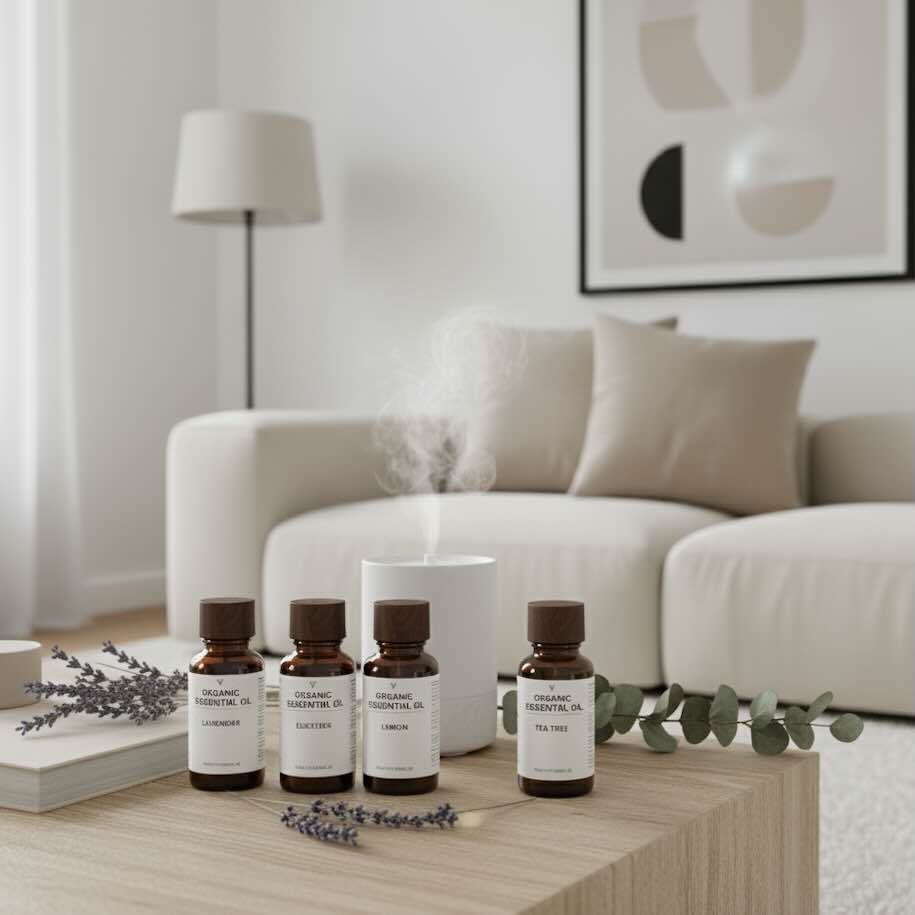
Pure, high-quality organic essential oils should list the botanical name (Latin name), country of origin, and extraction method on the label. They come in dark glass bottles to protect from light degradation. If you see phrases like "fragrance oil" or "perfume oil" instead of "essential oil," you're looking at synthetic products, not genuine botanical extracts.
When you have kids in the house, extra caution with organic essential oils becomes essential. Children's bodies process substances differently than adults, and their developing systems can be more sensitive to potent aromatic compounds. That doesn't mean you can't enjoy natural fragrance in your home—it just means you need age-appropriate approaches to using these botanical extracts.
For infants under three months, it's generally recommended to avoid using organic essential oils altogether, even through diffusion. For babies three to twelve months, very gentle oils like lavender or Roman chamomile can be diffused at low concentrations (1-2 drops in a diffuser). These natural fragrance oils should be diffused in well-ventilated spaces and for limited time periods, not continuously.
Not all organic essential oils are suitable for children. Some oils considered safe for adults should be avoided around kids due to their chemical composition. Eucalyptus and peppermint oils, for example, contain compounds that can cause respiratory issues in young children. Choosing child-safe natural fragrance alternatives protects your little ones while still allowing you to enjoy botanical aromas.
Child-safe organic essential oils (ages 2+):
As children grow older, you can gradually introduce additional organic essential oils into your home fragrance routine. By age ten, most children can safely experience the same oils adults use, though you should still maintain lower concentrations and monitor for any sensitivity reactions.
Pregnancy brings heightened awareness of everything you expose yourself to, and organic essential oils require thoughtful consideration during this time. Some natural fragrance oils contain compounds that may affect hormone levels or uterine activity, making them potentially problematic during pregnancy. However, many organic essential oils are considered safe when used appropriately through gentle diffusion.
During the first trimester, many practitioners recommend avoiding essential oils entirely or limiting use to the mildest options. As pregnancy progresses, oils like lavender, sweet orange, and frankincense can generally be enjoyed through diffusion. These natural fragrances can help create a calming environment during a physically and emotionally demanding time.
Your furry family members deserve consideration when using organic essential oils in your home. Cats, in particular, lack certain liver enzymes that help metabolize many essential oil compounds, making them more vulnerable to toxicity. Dogs generally tolerate natural fragrance oils better than cats, but caution is still warranted with these concentrated botanical extracts.
When diffusing organic essential oils in homes with pets, ensure animals can leave the room if the scent bothers them. Never apply these natural oils directly to pet fur or skin unless under veterinary guidance. Some oils that are perfectly safe for humans—including tea tree, wintergreen, and pine—can be dangerous for pets.
You can absolutely enjoy organic essential oils in a household with children and pets by following smart safety practices. Use natural fragrance diffusion during times when kids are most likely to benefit—perhaps calming lavender before bedtime, or uplifting citrus oils during morning routines. Keep bottles stored securely where children cannot access them.
Consider creating designated "essential oil spaces" in your home where you diffuse more potent natural fragrances—perhaps your bedroom or home office—while keeping children's rooms and main living areas limited to gentler options. This zoning approach lets you enjoy the full range of organic essential oils while protecting vulnerable family members from inappropriate exposure.

Organic essential oils vary dramatically in price, from $10 to over $100 per bottle, depending on several factors. The rarity of the plant, difficulty of extraction, and amount of raw material required all influence costs. These natural fragrance oils represent significant investment compared to synthetic alternatives, but understanding the pricing helps you appreciate their value.
Citrus oils like sweet orange or lemon tend to be the most affordable organic essential oils because they're extracted through simple cold-pressing of abundant fruit peels. A 15ml bottle might cost $8-15. Mid-range oils such as lavender or peppermint typically run $12-25 for similar quantities. These represent excellent starting points for building your natural fragrance collection.
Some organic essential oils command premium prices due to scarcity or labor-intensive production. Rose otto essential oil requires approximately 60,000 rose petals to produce just one ounce of oil, explaining why it can cost $100-300 per small bottle. Similarly, sandalwood, neroli, and jasmine rank among the most expensive natural fragrance options.
Factors affecting organic essential oil pricing:
For these premium organic essential oils, remember that a little goes extremely far. You'll use just one or two drops at a time, making even expensive bottles last months or years. The cost per use becomes quite reasonable when you calculate actual consumption rates for these concentrated natural fragrances.
Let's break down the real economics of organic essential oils. A typical 15ml bottle contains approximately 250-300 drops. If you use 5 drops per diffusion session and diffuse once daily, that bottle provides 50-60 uses—nearly two months of daily natural fragrance for $15-20. That's roughly 25-33 cents per use for mid-range quality oils.
Compare this to synthetic air fresheners or candles. A $15 synthetic candle might last 40-50 hours of burning, and plug-in air fresheners require monthly refill purchases at $5-8 each. Organic essential oils offer competitive or superior value while delivering cleaner, more customizable natural fragrance without synthetic chemicals.
Finding reliable sources for organic essential oils matters tremendously for both quality and value. Reputable online retailers like Plant Therapy, Rocky Mountain Oils, and Mountain Rose Herbs specialize in high-quality natural fragrance oils with transparent sourcing and third-party testing. These companies typically offer better value than multi-level marketing brands while maintaining excellent quality standards.
Amazon carries many organic essential oil brands, though quality varies significantly. Look for established brands with consistent positive reviews and proper certifications. Be wary of suspiciously cheap options—authentic organic essential oils have production costs that prevent extremely low pricing. Natural fragrance quality correlates strongly with ethical pricing.
Building a collection of organic essential oils represents an investment in your home's atmosphere and your family's wellbeing. Rather than purchasing many oils at once, consider starting with 5-7 versatile varieties that cover different fragrance families. Lavender, sweet orange, peppermint, eucalyptus, and tea tree provide excellent coverage for most natural fragrance and household needs.
As you become more familiar with using these botanical extracts, you can gradually expand your collection. Watch for sales and promotional offers from reputable suppliers—many offer 20-30% discounts during holiday periods. Buying larger sizes (30ml instead of 15ml) often reduces the per-milliliter cost if you know you'll use the oil regularly before it oxidizes.
Proper storage extends the life of organic essential oils, protecting your investment. Keep these natural fragrances in dark glass bottles, away from heat and light. Citrus oils typically remain potent for 1-2 years, while most other varieties last 3-5 years when properly stored. Base notes like sandalwood and patchouli can improve with age, like fine wine.
Learning to blend organic essential oils yourself, rather than purchasing pre-made blends, offers significant cost savings. A bottle of pre-blended natural fragrance might cost $20-30, but you can create similar combinations yourself for a fraction of that cost using individual oils. This approach also allows complete customization of scent profiles to match your preferences.
The fundamental difference between organic essential oils and synthetic fragrances lies in their molecular origin and complexity. Synthetic fragrances are created in laboratories using petroleum-derived chemicals designed to mimic natural scents. These artificial fragrances typically contain 10-50 different chemical compounds, many of which don't exist in nature. Natural fragrance oils from plants contain hundreds of naturally occurring aromatic molecules.
Synthetic fragrances have the advantage of consistency and affordability. Each bottle smells identical, and production costs remain low. However, these conventional perfumes often contain phthalates, synthetic musks, and other chemicals linked to hormonal disruption and respiratory irritation. Manufacturers aren't required to disclose fragrance ingredients, hiding potential allergens and toxins behind the generic term "fragrance."
Key comparison points:
For health-conscious individuals, organic essential oils clearly win this comparison. While synthetic fragrances cost less initially, the potential health costs and environmental impacts make natural botanical extracts the superior choice. You're investing in cleaner indoor air quality and reducing your family's exposure to questionable chemicals.
Both organic and conventional essential oils are plant-derived, but the growing conditions differ significantly. Conventional essential oils come from plants that may have been treated with synthetic pesticides, herbicides, and chemical fertilizers. These agricultural chemicals can leave trace residues in the final product, though concentrations are typically very low after distillation.
The price difference between organic and conventional natural fragrance oils typically ranges from 20-40%. For some people, this premium seems unnecessary if pesticide residues are minimal. However, choosing organic essential oils supports cleaner agricultural practices and provides peace of mind, especially if you're using these botanical extracts frequently or applying them topically.
Quality can vary significantly within both categories. A high-quality conventional essential oil might be superior to a poorly produced organic one. Ultimately, organic certification provides one layer of quality assurance, but you should also consider factors like the supplier's reputation, third-party testing, and user reviews when selecting natural fragrance oils.
Hydrosols, also called floral waters or aromatic waters, are the water-based byproduct of steam distillation. When plants are distilled to create organic essential oils, the steam condenses into water containing trace amounts of dissolved essential oil compounds. These hydrosols provide gentle, subtle natural fragrance compared to the concentrated power of pure essential oils.
For people who find organic essential oils too intense or who want extremely mild natural fragrance options, hydrosols offer appealing alternatives. They can be sprayed directly on skin, linens, or throughout rooms without dilution. Rose hydrosol, lavender water, and neroli hydrosol are particularly popular choices. However, their aromatic impact is much subtler than using actual essential oils.
Hydrosol advantages over essential oils:
If you want stronger, longer-lasting natural fragrance and more versatility in application methods, organic essential oils remain the better choice. Hydrosols work beautifully for facial mists, linen sprays, and very gentle aromatherapy, but they can't match the intensity and longevity that concentrated botanical oils provide.
Some individuals pursuing toxin-free lifestyles choose complete fragrance-free living, avoiding both synthetic perfumes and natural fragrance oils. This approach eliminates any risk of scent-triggered sensitivities and represents the absolute cleanest option. For people with severe chemical sensitivities or certain health conditions, avoiding all fragrances may be medically necessary.
However, organic essential oils offer significant advantages over complete fragrance avoidance for people who don't have severe sensitivities. These botanical extracts provide mental and emotional benefits through aromatherapy, create pleasant living environments, and can be used functionally in cleaning products. The natural fragrances from high-quality essential oils enhance quality of life for many people without causing the problems associated with synthetic scents.
The choice between organic essential oils and fragrance-free living is deeply personal. If you've had negative experiences with synthetic perfumes, don't assume natural botanical oils will cause the same problems. Many people who react badly to conventional fragrances tolerate pure essential oils beautifully. Start with mild natural fragrance options like lavender or sweet orange to test your personal response.

Organic essential oils represent one of the most delightful ways to bring clean, natural fragrance into your home. Their botanical origins mean you're experiencing authentic plant aromas rather than synthetic approximations. This authenticity translates to richer, more complex scent profiles that evolve over time, creating multi-dimensional natural fragrance experiences that synthetic perfumes simply cannot replicate.
The versatility of these botanical extracts extends far beyond simple room fragrance. You can use organic essential oils in homemade cleaning products, personal care items, bath products, and for aromatherapeutic purposes. This multi-functionality increases their value significantly—one collection of natural fragrance oils serves numerous purposes throughout your home and personal care routines.
Major advantages of organic essential oils:
The transparency of ingredient sourcing appeals strongly to health-conscious consumers. You know exactly what you're bringing into your home—concentrated plant extracts grown without synthetic pesticides. This clarity contrasts sharply with "fragrance" listed on conventional product labels, which can hide dozens of undisclosed chemicals. Natural fragrance oils from organic sources align perfectly with toxin-conscious living.
Organic essential oils aren't perfect solutions for everyone. The initial investment can feel significant, especially if you're building a diverse collection. Quality botanical oils cost substantially more than synthetic air fresheners or scented candles. However, this comparison doesn't account for the concentration and longevity of natural fragrance oils—they last far longer than people initially expect.
Some individuals remain highly sensitive even to natural plant compounds. If you have severe fragrance sensitivities or certain respiratory conditions, organic essential oils might still trigger reactions despite their natural origins. Start with very small amounts and single oils rather than complex blends to identify any personal sensitivities before investing heavily.
The learning curve for using these botanical extracts effectively can frustrate beginners. Unlike synthetic air fresheners that work identically every time, organic essential oils require understanding dilution ratios, appropriate application methods, and which natural fragrances work best for different situations. This knowledge develops with experience, but initial experimentation may involve some trial and error.
Organic essential oils are ideal for anyone prioritizing clean living and natural products throughout their home. If you read ingredient labels carefully and actively work to reduce synthetic chemical exposure, these botanical extracts align perfectly with your values. You'll appreciate knowing exactly what creates the fragrances in your living space—real plant materials grown cleanly.
People with sensitivities to synthetic fragrances often find relief by switching to organic essential oils. The absence of phthalates, synthetic musks, and petroleum-derived chemicals makes natural fragrance oils more tolerable for many individuals who struggle with conventional perfumes. You might discover that you're not actually "sensitive to all fragrances"—just sensitive to synthetic ones.
Families seeking to create healthier home environments benefit significantly from using natural fragrance alternatives. Organic essential oils let you maintain pleasant-smelling spaces without exposing children to questionable chemicals. The ability to control dilution and select gentle oils means you can customize natural fragrance use to your family's specific needs and sensitivities.
Start your organic essential oils journey with a small, carefully selected collection. Purchase 4-6 versatile oils that cover different fragrance families: one citrus (sweet orange), one floral (lavender), one herbaceous (peppermint or rosemary), and one woody (cedarwood or frankincense). This starter set provides natural fragrance options for various moods and situations without overwhelming your budget.
Invest in a quality diffuser designed specifically for essential oils. Ultrasonic diffusers that use water and vibration to disperse oils work beautifully for most situations. These devices protect the integrity of your organic essential oils while efficiently dispersing natural fragrance throughout your space. Avoid heat-based diffusion methods that can degrade the aromatic compounds.
Educate yourself about safe dilution and usage practices before applying these botanical extracts to skin. Even organic essential oils require proper handling due to their concentration. Follow established guidelines for topical dilution, understand which natural fragrance oils suit different ages, and always perform patch tests before widespread application of new oils.
Organic essential oils deserve strong consideration from anyone seeking to reduce synthetic chemicals while maintaining beautiful-smelling living spaces. These natural fragrance oils offer authenticity, versatility, and clean ingredient profiles that synthetic alternatives cannot match. While they require more investment and knowledge than conventional air fresheners, the benefits justify these requirements for health-conscious consumers.
The transition from synthetic fragrances to organic essential oils represents a meaningful step toward cleaner, more intentional living. You're choosing to surround yourself with pure botanical aromas that have served humanity for millennia. These natural fragrance oils connect you to the plant world, support your wellbeing, and create sensory experiences that enhance daily life without compromising your health values or environmental principles.
* AI Disclosure: This article was developed with the assistance of AI language models, which aided in research, drafting, and/or editing. We strive for accuracy, but AI-generated content can occasionally contain errors. We recommend you double-check and verify information before making decisions based on this content.