Unlock the best-kept secret to natural, chemical-free laundry—wool dryer balls that save money and reduce toxin exposure.
Tchiki Davis, M.A., Ph.D.
*This post may contain affiliate links. If you click and make a purchase, we may earn a small commission at no extra cost to you.
Have you ever thought about what's actually in those dryer sheets you toss into every load? Those convenient fabric softeners contain a cocktail of synthetic chemicals, including quaternary ammonium compounds and artificial fragrances. These substances coat your clothes, then transfer directly onto your skin where they stay all day. Over time, this constant exposure adds to your body's toxic burden and can trigger allergies or respiratory issues.
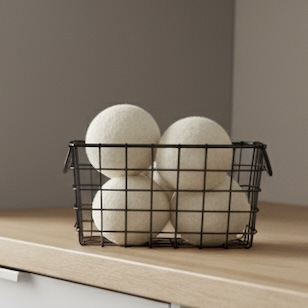
Wool dryer balls offer a brilliantly simple alternative that eliminates these concerns entirely. These natural, reusable drying aids are exactly what they sound like—balls made from 100% wool that tumble with your laundry. They've been used for generations in various forms, but modern versions have perfected the concept. The benefits extend beyond just avoiding chemicals; wool dryer balls reduce drying time, soften fabrics naturally, and last for years. This ultimate guide explores everything you need to know about making the switch to this simple, eco-friendly laundry solution that's transforming how health-conscious families approach drying clothes.
The science of wool dryer balls is refreshingly straightforward. As these reusable drying spheres tumble in your dryer, they physically separate clothes and create gaps between fabric layers. This separation allows hot air to circulate more efficiently throughout the load. Without dryer balls, wet clothes clump together, trapping moisture and requiring longer drying cycles.
The mechanical action also involves a gentle beating effect as the balls bounce against fabrics. This motion naturally softens fibers without any chemical additives. Think of it like tenderizing meat—the physical agitation breaks down stiffness in the fabric. The wool material is firm enough to create effective separation but soft enough not to damage delicate items.
Wool possesses unique moisture-wicking properties that enhance its effectiveness as a dryer ball material. Each wool fiber can absorb up to 30% of its weight in moisture without feeling wet. As your wool dryer balls tumble through damp laundry, they actually pull some moisture away from clothes. This absorption accelerates the overall drying mechanism.
The absorbed moisture doesn't just disappear—it gets released back into the dryer environment gradually. This creates a more humid atmosphere initially, which helps prevent static electricity from forming. As drying progresses and humidity decreases, the wool continues absorbing and releasing moisture in a balanced cycle. This natural humidity regulation is part of how wool dryer balls work so effectively.
Static cling happens when fabrics rub together in dry air, creating electrical charges. Wool dryer balls combat this through multiple mechanisms. First, they maintain slight humidity as explained above, and static cannot develop in moist environments. Second, wool is naturally anti-static due to its protein structure and moisture content.
The physical separation created by reusable drying balls also reduces fabric-on-fabric friction, which generates static. Traditional dryer sheets address static by coating clothes with waxy chemicals that conduct electricity. Wool achieves the same result naturally through moisture regulation and separation. This simple approach works with physics rather than against it, making it far superior to chemical alternatives.
Wool's thermal properties contribute significantly to how these dryer balls work. Wool naturally regulates temperature, staying relatively cool even in hot environments. As the balls absorb heat from the dryer, they distribute it more evenly throughout the load. This prevents hot spots and ensures consistent drying across all items.
The improved air circulation and heat distribution mean your dryer runs more efficiently. Most users report 15-25% reduction in drying time when using wool dryer balls. This energy savings adds up significantly over time. The science behind this simple tool proves that sometimes the most effective solutions don't require complicated chemistry—just clever application of natural materials.
Amazon reviews for popular wool dryer ball brands like Smart Sheep and Friendsheep show consistent 4.5+ star ratings across thousands of purchases. Customers frequently mention noticeably softer towels and reduced drying time. One verified buyer reported that heavy jeans now dry 20 minutes faster. Another customer mentioned eliminating static completely on synthetic workout clothes, which previously clung terribly.
Some reviews note a learning curve with wool dryer balls. Several users initially used only 2-3 balls and saw minimal results. Once they increased to the recommended 6 balls for large loads, performance improved dramatically. This feedback highlights the importance of using enough balls for optimal results. The texture and feel of clothes after drying receives overwhelmingly positive comments.
Reddit's r/ZeroWaste and r/EcoFriendly communities extensively discuss wool dryer balls, with users sharing detailed performance experiences. One thread compared 10 different brands, concluding that tightly-wound, large balls work best. Users emphasize that these reusable drying aids need 1-2 weeks of regular use to reach peak performance as the wool fibers open and soften.
The consensus on Reddit shows that wool dryer balls excel with cotton and natural fibers but may not completely eliminate static on synthetic materials. Members recommend adding a damp washcloth to loads with heavy synthetic content. The tactile feel of laundry dried with wool balls gets high marks—towels feel fluffy without being coated in chemicals. These honest results help set realistic expectations.
When you first use wool dryer balls, expect your clothes to feel different from chemically-treated laundry. There's no artificial softness or synthetic fragrance coating fabrics. Instead, items feel naturally soft with improved texture. Cotton t-shirts and sheets come out particularly pleasant—breathable and comfortable without any waxy residue. This immediate result confirms you're avoiding toxic chemicals.
The drying time reduction becomes apparent within the first few uses. A load that typically takes 60 minutes might finish in 45-50 minutes. For larger items like comforters or heavy towels, the time savings can reach 30%. Your energy bill reflects this improved performance over time. The wool dryer balls also reduce wrinkles by keeping clothes separated and moving freely during the cycle.
After months of use, wool dryer balls may start looking fuzzy or pilled on the surface. This is completely normal and doesn't affect performance—it actually indicates the wool is properly opening and doing its job. Some users reported their reusable drying balls lasting 2-3 years with regular use, processing over 1,000 loads. The results remain consistent throughout this lifespan.
You might notice the balls shrinking slightly over time, which is expected as wool fibers compact. If performance decreases, simply add more balls to your set. The long-term cost-effectiveness becomes increasingly apparent as months pass. Calculating the number of dryer sheets you would have purchased reveals substantial savings. The feel and quality of your laundry remains consistent, proving these simple tools deliver reliable, lasting results.

Quality wool dryer balls contain exactly one ingredient: 100% natural wool. The best options use New Zealand or organic wool, felted tightly into spheres. This chemical-free composition means there's nothing synthetic touching your clothes or releasing into the dryer's hot air. Unlike fabric softeners that list dozens of undisclosed fragrance chemicals, wool dryer balls are completely transparent.
The natural material comes from sheep, making it renewable and biodegradable. When your wool dryer balls eventually wear out after years of use, they can go in your compost bin. This contrasts sharply with plastic dryer balls, which are synthetic and petroleum-based. The simple fact that wool dryer balls are made from a single, natural material eliminates concerns about hidden toxic ingredients.
Traditional dryer sheets contain quaternary ammonium compounds (quats), which are linked to asthma and skin irritation. They also include synthetic fragrances—complex mixtures of dozens of chemicals that manufacturers don't have to disclose. Benzyl acetate, camphor, and ethyl acetate commonly appear in these fragrances, all of which can cause respiratory problems and hormonal disruption.
Liquid fabric softeners aren't better—they contain many of the same problematic ingredients plus preservatives. When you switch to chemical-free wool dryer balls, you eliminate all these concerns instantly. Your clothes no longer carry a coating of questionable substances. For families trying to reduce toxic exposure, this simple swap removes a significant source of daily chemical contact with your skin.
Some dryer balls are made from plastic or synthetic materials, marketed as eco-friendly because they're reusable. However, these alternatives lack wool's natural benefits. Plastic balls don't absorb moisture or regulate humidity, so they can't prevent static as effectively. They also potentially release microplastics when heated, adding particles to your laundry and dryer exhaust.
Wool dryer balls represent truly natural drying without compromise. The material's inherent properties—moisture absorption, temperature regulation, and anti-static qualities—work synergistically. Synthetic versions might separate clothes mechanically but miss the chemical-free advantages that make wool special. When evaluating safety, genuine wool beats plastic alternatives decisively.
Some wool dryer balls come in colors, which raises questions about dyes. The safest options use undyed, natural cream or gray wool. If you want colors, look for plant-based or non-toxic dyes specifically disclosed by the manufacturer. Many brands offer natural color variations from different sheep breeds without any added dyes.
Avoid wool dryer balls treated with essential oils unless you've added the oils yourself. Pre-scented options may contain synthetic fragrances disguised as natural scents. The beauty of chemical-free wool dryer balls is their purity. You can always add your own essential oils if desired, controlling exactly what touches your family's laundry. Keeping it simple with plain, undyed wool ensures maximum safety.
Babies have delicate skin that's highly permeable to chemicals. Using wool dryer balls for infant clothes, blankets, and cloth diapers eliminates exposure to fabric softener residues. The natural softness achieved with these reusable drying aids makes baby items gentle without any toxic trade-offs. Parents report fewer diaper rashes and less skin irritation after switching from chemical-laden dryer products.
Children's sleepwear particularly benefits from chemical-free drying. Kids spend 8-12 hours in pajamas pressed against their skin. Dryer sheet chemicals absorb through skin during sleep, when the body is supposed to be detoxifying. Wool dryer balls ensure children's clothes are truly clean and safe. For families with kids who have eczema or sensitive skin, this simple change often brings noticeable improvement.
Pregnant women increasingly recognize the importance of reducing chemical exposure during fetal development. Endocrine-disrupting chemicals in fabric softeners can cross the placental barrier. Switching to wool dryer balls removes this unnecessary risk. The natural approach to laundry drying protects both mother and developing baby from questionable substances.
Many pregnant women develop heightened chemical sensitivities, finding artificial fragrances overwhelming or nausea-inducing. Wool dryer balls produce zero scent unless you intentionally add essential oils. This makes laundry day more comfortable during pregnancy. Preparing for baby's arrival by establishing chemical-free laundry habits sets up a healthier home environment from day one.
For families managing allergies or asthma, removing dryer sheet chemicals can significantly reduce symptoms. The fragrances and quats in conventional products are known respiratory irritants. When these chemicals volatilize in the hot dryer, they circulate through home air via dryer exhaust. Wool dryer balls eliminate this source of indoor air pollution entirely.
Some individuals worry about wool allergies when considering these reusable drying balls. True wool allergy is rare—most people react to lanolin, which is largely removed during the felting process. High-quality wool dryer balls are lanolin-free. If you have concerns, test by holding a ball against your inner arm. Genuine wool allergies are far less common than reactions to the chemicals in dryer sheets.
Using wool dryer balls provides a tangible teaching opportunity about reducing waste and making healthier choices. Kids can see how these simple balls replace hundreds of disposable dryer sheets. Older children can help add essential oils to balls or move them between loads. This hands-on involvement builds awareness of everyday decisions that affect health and environment.
The longevity of wool dryer balls demonstrates that sustainable products can be practical and effective. Unlike many eco-friendly alternatives that require sacrifice, these actually improve results while being better for your family. This positive experience helps children understand that healthier living doesn't mean accepting inferior performance—it means choosing smarter solutions.

A set of 6 wool dryer balls typically costs $15-30 depending on brand and wool quality. Budget options around $15 often use lower-grade wool that may shed or compress quickly. Mid-range sets ($20-25) from brands like Smart Sheep or Woolzies offer excellent quality and durability. Premium organic wool dryer balls can reach $30-35 for a 6-pack.
This initial price might seem high compared to a $4 box of dryer sheets. However, the value equation changes dramatically when you consider longevity. The reusable drying balls last 2-5 years with regular use, processing 800-1,500 loads. That same period would require purchasing 20-40 boxes of dryer sheets at $80-160 total. The wool dryer balls pay for themselves within 3-4 months.
Breaking down the price per use reveals incredible value. If you spend $25 on wool dryer balls that last 1,000 loads, your cost per load is $0.025—about 2.5 cents. Dryer sheets cost approximately $0.08-0.10 per load. This means wool dryer balls cost 70-75% less per use than disposable alternatives.
The savings multiply when you factor in reduced electricity costs from shorter drying times. If you save 10 minutes per load and run 5 loads weekly, that's 43 hours of dryer time annually. At average electricity rates, this could save $30-50 per year on your energy bill. The simple act of switching to wool dryer balls delivers both immediate and ongoing financial benefits.
You can purchase wool dryer balls from Amazon, Target, Grove Collaborative, and natural product retailers. Amazon offers the widest selection with customer reviews to guide your choice. Brands like Smart Sheep, Friendsheep, and Woolzies consistently receive high ratings. Grove Collaborative often bundles dryer balls with other eco-friendly products for added value.
Local craft fairs and Etsy sellers offer handmade wool dryer balls, often at competitive prices. These artisan options support small businesses and frequently use premium organic wool. Health food stores and zero-waste shops also stock quality sets. Buying from multiple sources lets you compare materials and construction to find the best reusable drying solution for your needs.
Beyond the direct cost comparison, wool dryer balls provide value through clothing longevity. Chemical fabric softeners break down fabric fibers over time, shortening garment lifespan. Natural drying methods preserve textile integrity, meaning clothes last longer. This hidden benefit translates to fewer replacement purchases for your wardrobe and linens.
The health cost-savings also deserve consideration. Reducing toxic chemical exposure potentially decreases medical expenses related to skin conditions, allergies, or respiratory issues. While difficult to quantify precisely, the value of avoiding these problems is substantial. When evaluating the true cost of wool dryer balls versus conventional products, the simple reusable option wins decisively on every measure.
The most common comparison pits wool dryer balls against traditional dryer sheets. Dryer sheets soften through chemical coating, while wool achieves softness mechanically. Sheets create static reduction by adding a conductive wax layer; wool does it through moisture regulation. The fundamental difference is that dryer sheets work by adding substances, while wool dryer balls work by improving physics.
Performance-wise, the best wool dryer balls match or exceed dryer sheets on softness and static reduction. They significantly outperform sheets on drying time reduction—dryer sheets don't shorten cycles at all. Environmental impact clearly favors reusable drying balls, which eliminate waste entirely. For health-conscious families, there's no competition—wool is the only chemical-free option.
Liquid fabric softener shares the same basic problems as dryer sheets—chemical ingredients, artificial fragrances, and coating residue. It also reduces towel absorbency, which defeats the purpose of having towels. Wool dryer balls create softness without compromising absorbency. Bath towels remain fluffy and functional rather than coated and water-repellent.
Cost comparison heavily favors wool dryer balls over liquid softener. A bottle of fabric softener costs $8-12 and handles roughly 40 loads. You'd need 20-25 bottles over the lifespan of a single set of reusable drying balls. The simple mathematics show that wool offers dramatically better value while being safer and more effective.
Plastic or rubber dryer balls cost less initially—around $10 for a set. However, they lack wool's moisture-absorbing properties and natural anti-static qualities. Users report that plastic balls are noisier in the dryer and can damage delicate items. They're also petroleum-based products that eventually contribute to plastic waste.
The best dryer balls use natural materials like wool rather than synthetic alternatives. While plastic versions separate clothes mechanically, they miss the secondary benefits that make wool special. Temperature regulation, moisture management, and truly chemical-free composition give wool a decisive advantage. The modest price difference is worth it for superior, natural performance.
Tennis balls are sometimes suggested as a DIY alternative to wool dryer balls. While they do provide mechanical separation, they're made from synthetic rubber and felt, releasing chemicals when heated. They also wear out quickly. Wool dryer balls are purpose-built for dryer use and far more durable than tennis balls.
Aluminum foil balls represent another alternative, effective for static reduction but lacking softening properties. They're essentially free but don't provide the complete benefits of wool. For the ultimate combination of performance, safety, and value, genuine wool dryer balls remain the gold standard. No alternative matches their comprehensive benefits and simple, natural effectiveness.

Pros of Switching to Wool Dryer Balls:
The simple genius of wool dryer balls lies in working with natural processes rather than against them. These reusable drying aids prove that effective laundry solutions don't require complex chemistry or toxic trade-offs. For health-conscious families committed to reducing chemical exposure, switching to wool dryer balls is one of the easiest and most impactful changes you can make.
Cons to Keep in Mind:
These drawbacks are minor compared to the benefits, and most resolve with proper use. The learning curve is brief—within a few loads, you'll understand how many balls work best for different load sizes. The lack of artificial scent is actually an advantage once you adjust to truly clean, chemical-free laundry.
These reusable drying solutions are perfect for anyone with sensitive skin, allergies, or chemical sensitivities. If you have babies or young children, wool dryer balls protect their developing bodies from unnecessary toxic exposure. Pregnant women benefit from reducing household chemicals during this critical period. Budget-conscious families will appreciate the long-term savings on both products and energy costs.
Environmental advocates will love eliminating the waste stream of disposable dryer sheets and fabric softener bottles. Even if health isn't your primary concern, the cost-effectiveness and improved drying efficiency make wool dryer balls a smart practical choice. Essentially, every household can benefit from this simple swap—there's no downside to trying them.
Wool dryer balls earn an enthusiastic recommendation as a replacement for all chemical fabric softening products. They represent the perfect intersection of health, value, performance, and sustainability. The simple switch to these reusable drying aids eliminates toxic chemicals, saves money, and actually improves laundry results. There's no reason not to make this change today.
Start with a 6-pack set from a reputable brand with good reviews. Use at least 4 balls for medium loads and all 6 for large loads. Give yourself 2-3 weeks to adjust to chemical-free laundry—your clothes will feel different, but better. Add a few drops of essential oil if you miss scented laundry. Once you experience the simplicity and effectiveness of wool dryer balls, you'll wonder why you ever used anything else. This ultimate guide to natural drying shows that the best solutions are often the simplest ones—and your family's health is absolutely worth this easy, affordable change.
* AI Disclosure: This article was developed with the assistance of AI language models, which aided in research, drafting, and/or editing. We strive for accuracy, but AI-generated content can occasionally contain errors. We recommend you double-check and verify information before making decisions based on this content.