Learn which liver support herbs and supplements for fatty liver actually work.
Tchiki Davis, M.A., Ph.D.
*This post may contain affiliate links. If you click and make a purchase, we may earn a small commission at no extra cost to you.
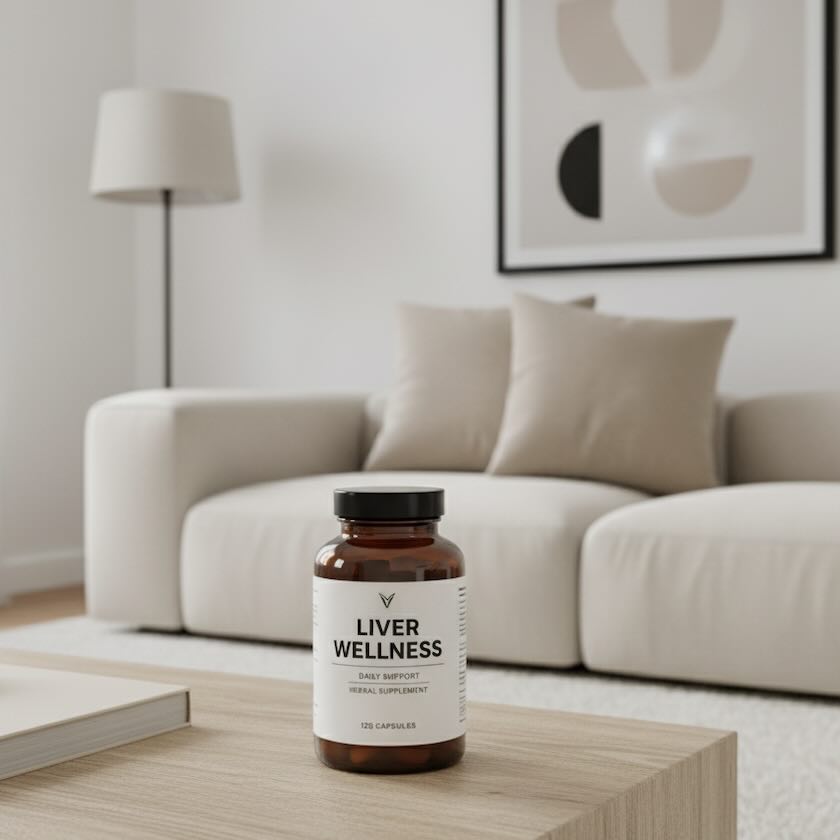
Your liver works tirelessly every single day, filtering toxins, processing nutrients, and keeping your body running smoothly. But when fatty liver develops—whether from diet, alcohol, or metabolic issues—this vital organ needs extra support. Supplements for fatty liver, particularly liver support herbs, offer natural ways to help your liver heal and function optimally again.
Fatty liver affects millions of people, often developing silently without obvious symptoms until it progresses. The condition occurs when fat accumulates in liver cells, creating inflammation and potential scarring over time. While dietary changes and lifestyle modifications form the foundation of treatment, specific liver support herbs can enhance your body's natural healing processes. These botanical supplements work through various mechanisms—reducing inflammation, supporting detoxification pathways, and protecting liver cells from further damage. Let's explore which herbs show the most promise for supporting liver health and reversing fatty liver naturally.
Liver support herbs function through multiple pathways to address fatty liver. These botanicals contain active compounds that reduce oxidative stress, decrease inflammation, and support your liver's natural detoxification processes. Understanding the science behind supplements for fatty liver helps you choose the most effective options for your situation.
Your liver faces constant exposure to toxins from food, environment, and normal metabolism. When fatty liver develops, liver cells become stressed and inflamed, reducing their ability to function properly. Herbal supplements provide protective compounds that shield liver cells while supporting regeneration of healthy tissue.
The primary liver support herbs work by activating specific cellular pathways. Milk thistle, for example, contains silymarin—a compound that acts as a powerful antioxidant and anti-inflammatory agent. It stabilizes liver cell membranes, preventing toxins from entering and damaging cells from within.
Other supplements for fatty liver enhance bile production and flow, which helps eliminate fat from the liver. Dandelion root and artichoke extract stimulate bile secretion, supporting your body's natural fat metabolism. This mechanism directly addresses one of the root causes of fatty accumulation.
Research shows that specific liver support herbs can measurably improve liver enzyme levels and reduce fat accumulation. Studies on milk thistle demonstrate improvements in ALT and AST levels—markers that indicate liver inflammation. These botanical supplements offer hope for reversing fatty liver without pharmaceutical interventions.
The promise extends beyond just reducing fat in your liver. These herbs support overall metabolic health, often improving insulin sensitivity and blood sugar control. Since metabolic dysfunction drives many cases of non-alcoholic fatty liver disease, addressing these underlying factors creates comprehensive healing.
Each liver support herb contains unique bioactive compounds that provide specific benefits. Silymarin from milk thistle, curcumin from turmeric, and berberine from goldenseal all work differently to protect your liver. These natural compounds have been used in traditional medicine for centuries.
Primary mechanisms of liver support herbs:
Understanding these mechanisms helps you appreciate how supplements for fatty liver work synergistically with lifestyle changes. You're not just masking symptoms—you're supporting your liver's natural healing capacity with targeted botanical compounds.
When you start taking supplements for fatty liver, you might wonder what to expect. Reviews on Amazon and Reddit provide insights into real-world experiences with liver support herbs. Many users report feeling more energetic and experiencing less digestive discomfort within the first few weeks of supplementation.
One Reddit user shared their experience with milk thistle: "After two months of taking 420mg daily, my liver enzymes dropped significantly. My doctor was impressed with the improvement shown in my blood work." These firsthand accounts help set realistic expectations for your own journey.
Most liver support herbs come in capsule form, avoiding taste concerns altogether. However, if you use tinctures or teas, you'll find that some herbs taste quite bitter—particularly milk thistle and dandelion root. This bitterness actually indicates the presence of beneficial compounds that support liver function.
Turmeric supplements often have a mild, earthy taste that most people tolerate well. Adding black pepper extract (piperine) to turmeric significantly enhances absorption, though it can create a slight warming sensation. You can take most supplements for fatty liver with food to minimize any digestive sensitivity.
The best way to assess liver support herb performance is through regular blood work. Your doctor can monitor liver enzymes (ALT, AST, GGT) and other markers to track improvement. Many people see measurable changes within 8-12 weeks of consistent supplementation combined with dietary modifications.
Beyond lab values, pay attention to how you feel. Reduced fatigue, clearer thinking, better digestion, and improved skin quality often indicate your liver is functioning better. These subjective improvements matter as much as objective lab results in your overall health journey.
Amazon reviews frequently mention that patience is essential with liver support herbs. Unlike pharmaceutical medications that work quickly, botanical supplements for fatty liver require consistent use over months. You're supporting gradual healing rather than forcing rapid changes that might stress your system.
Most users report subtle improvements in energy and digestion within 2-4 weeks. More significant changes in liver enzyme levels typically appear after 2-3 months of daily supplementation. The liver regenerates slowly, so giving herbs adequate time to work is crucial for meaningful results.
Reddit forums dedicated to fatty liver recovery reveal common patterns among people using liver support herbs. Many report that combining multiple herbs (milk thistle, dandelion, turmeric) provides better results than single supplements alone. This synergistic approach mirrors traditional herbal medicine practices used for centuries.
Typical results reported by liver support supplement users:
These real-world experiences demonstrate that supplements for fatty liver can produce tangible benefits when used consistently alongside healthy lifestyle choices. Your results will depend on your current liver health, dietary habits, and overall commitment to supporting your body's healing processes.

When exploring supplements for fatty liver, "natural" doesn't automatically mean safe for everyone. Liver support herbs are plant-based and generally well-tolerated, but they still contain powerful bioactive compounds that interact with your body's systems. Understanding potential risks helps you use these herbs safely and effectively.
Most liver support herbs have excellent safety profiles when used appropriately. Milk thistle, for example, has been studied extensively with minimal side effects reported. However, any substance powerful enough to help your liver can potentially cause issues if misused or combined with certain medications.
Quality matters enormously with supplements for fatty liver. Look for products that use organic herbs without pesticide residues, heavy metals, or unnecessary fillers. Third-party testing from organizations like USP, NSF, or ConsumerLab provides assurance that what's on the label matches what's in the bottle.
Some supplement manufacturers add flow agents, artificial colors, or preservatives that work against your health goals. When you're trying to reduce your toxic burden, choosing clean liver support herbs without these additives makes sense. Read ingredient labels carefully and choose products with minimal extra ingredients.
Most people tolerate liver support herbs well, but some experience mild side effects. Milk thistle can cause digestive upset, loose stools, or mild nausea in sensitive individuals. Starting with lower doses and gradually increasing helps your body adjust to the supplements.
Dandelion root acts as a mild diuretic, potentially increasing urination frequency. This isn't necessarily problematic—it's part of how the herb supports detoxification. However, you should stay well-hydrated and be aware of this effect when using dandelion-based supplements for fatty liver.
Liver support herbs can interact with medications because they affect how your liver processes drugs. Milk thistle, for instance, influences cytochrome P450 enzymes that metabolize many pharmaceuticals. If you take prescription medications, consult your healthcare provider before starting liver support supplements.
Turmeric and curcumin supplements can enhance the effects of blood-thinning medications like warfarin. While this doesn't mean you can't use these herbs, it requires medical supervision and potentially adjusted medication doses. Your safety depends on informed, coordinated care.
Quality supplements for fatty liver avoid problematic additives and processing methods. Look for products that use gentle extraction processes preserving the herbs' natural compound ratios. Avoid products with synthetic additives, artificial sweeteners, or seed oil-based softgels that add unnecessary inflammatory fats.
Red flags indicating lower-quality liver support supplements:
Choosing clean, well-manufactured liver support herbs protects your investment and your health. You're working to reduce toxins in your body, so using high-quality supplements without contamination supports your overall wellness goals.
If you're pregnant or planning to become pregnant, approach liver support herbs with extra caution. Your liver works harder during pregnancy, processing hormones and supporting both your body and your developing baby. While some herbs are considered safe, others lack sufficient research to recommend during pregnancy.
Milk thistle is generally regarded as safe during pregnancy in food amounts, though high-dose supplements need medical supervision. Dandelion leaf (not root) is often considered acceptable, but you should always discuss any supplements for fatty liver with your obstetrician before starting.
During breastfeeding, substances you consume can pass through breast milk to your baby. Some liver support herbs traditionally support milk production (like milk thistle, which got its name from this use). However, concentrated supplement forms differ from traditional use amounts.
Turmeric in culinary amounts is safe while nursing, but high-dose curcumin supplements haven't been studied thoroughly in breastfeeding women. When supporting your liver health during this time, work with healthcare providers familiar with both herbal medicine and lactation to ensure safety for you and your baby.
Fatty liver increasingly affects children due to dietary factors and rising obesity rates. However, supplements for fatty liver designed for adults aren't automatically appropriate for kids. Children's livers process substances differently, and appropriate dosing varies significantly based on age and body weight.
Before giving any liver support herbs to children, consult a pediatrician or pediatric naturopath. Lifestyle modifications—reducing sugar intake, increasing physical activity, and improving diet quality—should be the primary interventions for children with fatty liver. Supplements serve as adjuncts, not replacements, for healthy habits.
As you age, your liver's processing capacity naturally declines somewhat. This makes liver support herbs potentially more helpful but also requires careful consideration of medication interactions. Older adults typically take multiple medications that could interact with herbal supplements.
Elderly individuals often benefit from liver support supplements but may need adjusted doses. Starting with lower amounts and monitoring for effects helps ensure safety. Regular communication with healthcare providers managing your overall medication regimen prevents problematic interactions with supplements for fatty liver.
Not all liver support herbs carry equal risk profiles. Some are extremely gentle with minimal side effects, while others require more caution. Understanding this spectrum helps you choose appropriate supplements based on your individual health situation and sensitivities.
Safety spectrum of common liver support herbs:
Understanding these relative safety levels helps you make informed choices about supplements for fatty liver. You want herbs that support your liver without creating additional stress or toxicity concerns.

Supplements for fatty liver vary widely in price based on quality, sourcing, and concentration. You'll find milk thistle supplements ranging from $10 to $40 per bottle, depending on standardization levels and brand reputation. Understanding what drives these price differences helps you get the best value.
Higher-quality liver support herbs typically cost more due to organic sourcing, third-party testing, and superior extraction methods. A standardized milk thistle extract with 80% silymarin costs more than generic versions with unknown silymarin content. You're paying for verified potency and purity.
Breaking down supplements for fatty liver into daily costs makes budgeting easier. A quality milk thistle supplement typically costs $0.50 to $1.00 per day. Comprehensive liver support formulas combining multiple herbs might run $1.50 to $3.00 daily, depending on ingredient quality and dosing.
When compared to the long-term healthcare costs of progressive liver disease, these daily expenses represent significant value. Supporting your liver health now may prevent expensive medical interventions later. Think of liver support herbs as an investment in preventing future health problems.
You have several options for purchasing liver support herbs, each with different price points and quality considerations. Health food stores like Whole Foods offer curated selections but typically charge premium prices. Online retailers often provide better deals, especially when buying larger quantities.
Amazon carries numerous liver support supplements with varying quality levels. Read reviews carefully and verify that products have third-party testing. Direct-to-consumer brands often offer better prices by eliminating retail markups, though you'll need to research company reputations carefully before purchasing.
Many supplement companies offer discounts when you purchase multiple bottles of supplements for fatty liver at once. Since you'll use these herbs for several months minimum, buying 3-6 month supplies when sales occur saves money. Ensure products have adequate expiration dates before bulk purchasing.
Subscribe-and-save programs through online retailers typically provide 10-20% discounts. These automated deliveries ensure you don't run out of liver support herbs while maintaining consistency—crucial for seeing results. You can usually adjust or cancel subscriptions easily if needed.
Most health insurance doesn't cover supplements for fatty liver since they're considered dietary supplements rather than medications. However, if you have a Health Savings Account (HSA) or Flexible Spending Account (FSA), you can sometimes use these funds for supplements prescribed by your healthcare provider.
Getting a letter of medical necessity from your doctor allows you to use HSA/FSA funds for liver support herbs in many cases. This effectively gives you a tax advantage on supplement purchases, reducing your out-of-pocket costs by your marginal tax rate.
The true value of supplements for fatty liver extends beyond immediate costs to long-term health outcomes. Research shows that reversing fatty liver reduces your risk of progressing to cirrhosis, liver failure, and liver cancer. These potentially life-threatening conditions come with enormous financial and personal costs.
Financial considerations for liver support supplements:
When evaluating the cost of liver support herbs, consider both the immediate expense and the potential savings from preventing disease progression. You're investing in your health with supplements that support your body's natural healing capacity.
Milk thistle stands as the most researched supplement for fatty liver, with extensive studies supporting its effectiveness. Its active compound, silymarin, directly protects liver cells and reduces inflammation. Dandelion root works differently, primarily supporting bile production and flow to help eliminate fat from your liver.
Both liver support herbs offer benefits, but milk thistle shows stronger evidence for reducing liver enzyme levels and protecting hepatocytes. Dandelion root excels at supporting digestion and gentle detoxification. Many people benefit from using both supplements together for comprehensive support.
Turmeric's active compound, curcumin, provides powerful anti-inflammatory and antioxidant effects that benefit fatty liver. Research shows curcumin reduces liver fat accumulation and improves insulin sensitivity. However, curcumin's poor bioavailability means you need enhanced formulations or large doses to achieve therapeutic effects.
Milk thistle offers more direct liver-specific protection with better absorption in standard forms. Curcumin provides broader anti-inflammatory benefits throughout your body, not just your liver. Combining these supplements for fatty liver addresses both liver-specific concerns and systemic inflammation driving metabolic dysfunction.
NAC isn't an herb but rather an amino acid derivative that supports glutathione production—your liver's master antioxidant. It provides potent liver protection, particularly from toxin exposure and oxidative stress. NAC works quickly and effectively, with research supporting its use in various liver conditions.
Compared to traditional liver support herbs like milk thistle, NAC offers different mechanisms of action. It directly boosts your liver's detoxification capacity rather than providing external antioxidants. Many practitioners recommend NAC alongside herbal supplements for fatty liver for comprehensive, multi-pathway support.
You'll find supplements for fatty liver available as single herbs or comprehensive combination formulas. Single herb products allow you to target specific mechanisms and adjust doses individually. Combination formulas provide convenience and potentially synergistic effects from multiple liver support herbs working together.
Combination products typically include milk thistle, dandelion, artichoke, and turmeric in researched ratios. These formulas save money compared to buying each supplement separately and ensure compatible herbs work together. However, you have less control over individual herb doses with pre-made combinations.
Brand reputation significantly affects the actual effectiveness of supplements for fatty liver. Premium brands like Thorne, Pure Encapsulations, and Integrative Therapeutics invest heavily in quality sourcing, testing, and manufacturing. Budget brands may use inferior extraction methods or fail to verify active compound levels.
Third-party testing distinguishes quality liver support herbs from questionable products. Brands that voluntarily submit to USP, NSF, or ConsumerLab testing demonstrate commitment to quality. These certifications verify that products contain what labels claim without contamination.
For most people dealing with fatty liver, milk thistle standardized to 80% silymarin forms the foundation of herbal support. Adding turmeric with black pepper and NAC creates a comprehensive protocol addressing multiple pathways. Dandelion root or artichoke extract can enhance bile flow and fat metabolism.
Comparison of top liver support options:
The ideal approach combines quality supplements for fatty liver with dietary modifications, exercise, and reduced toxin exposure. No single herb works miracles alone, but together they support your liver's remarkable ability to heal itself.

Supplements for fatty liver offer science-backed support for your liver's healing process. Research demonstrates that herbs like milk thistle can reduce liver enzyme levels, decrease inflammation, and protect liver cells from further damage. These botanical options provide natural alternatives or complements to pharmaceutical interventions for fatty liver.
The safety profile of most liver support herbs makes them accessible for long-term use. Unlike medications that may cause side effects or require monitoring, quality herbal supplements typically work gently with your body's natural processes. You're supporting inherent healing mechanisms rather than forcing biochemical changes.
No supplement reverses fatty liver alone without lifestyle modifications. These liver support herbs work best when combined with dietary improvements, weight management, and reduced alcohol consumption. Expecting supplements to compensate for continued poor habits sets you up for disappointment and wasted money.
Quality varies dramatically among supplements for fatty liver. Some products contain minimal active compounds despite label claims, while others include concerning contaminants. You need to research brands carefully and invest in quality products to see actual benefits from your supplement regimen.
You'll benefit most from liver support herbs if you're actively committed to lifestyle changes supporting liver health. These supplements enhance the effects of healthy eating, regular exercise, and toxin reduction. They provide extra support during your liver's healing process, not magic solutions bypassing necessary changes.
People with mild to moderate fatty liver see the best results with herbal supplements. If you've progressed to cirrhosis or advanced liver disease, you need medical management alongside any complementary approaches. Always work with healthcare providers to ensure supplements fit appropriately within your overall treatment plan.
Start with a high-quality milk thistle supplement standardized to 80% silymarin as your foundation. Take 420-600mg daily in divided doses with meals to enhance absorption and minimize digestive upset. Give this baseline supplement 8-12 weeks to assess effectiveness through blood work and how you feel.
Add complementary liver support herbs based on your specific needs. If inflammation is a concern, include turmeric with black pepper. For digestive support and bile flow, add dandelion root or artichoke extract. NAC provides excellent additional support for detoxification and glutathione production.
Work with your healthcare provider to monitor liver enzymes regularly—every 8-12 weeks initially. This objective feedback shows whether supplements for fatty liver are working alongside your lifestyle changes. Improvements in ALT, AST, and GGT levels indicate healing progress and guide whether adjustments are needed.
Pay attention to subjective improvements in energy, digestion, and overall wellbeing. These quality-of-life markers matter as much as lab values in assessing whether liver support herbs help you feel better. Keep a simple journal noting energy levels, digestive function, and other relevant symptoms to track patterns.
Quality supplements for fatty liver represent a worthwhile investment in your health when used appropriately. The relatively modest daily cost—typically $1-3—provides meaningful support for liver healing that may prevent serious future health problems. Fatty liver that progresses costs far more in healthcare expenses and reduced quality of life.
However, supplements alone never justify avoiding necessary lifestyle changes. If you're not willing to improve diet, increase activity, and reduce alcohol consumption, save your money on liver support herbs. These botanical supplements amplify healthy choices; they don't replace them.
Begin your fatty liver healing journey with foundational lifestyle modifications. Clean up your diet by eliminating processed foods, reducing sugar intake, and increasing vegetables and whole foods. Add regular physical activity and stress management practices that support overall metabolic health naturally.
Once these foundations are in place, add high-quality liver support herbs to enhance your healing process. Start with milk thistle and expand to comprehensive support with turmeric, NAC, and digestive herbs as your budget allows. Give supplements adequate time—at least 12 weeks—to assess their effectiveness objectively through lab work and subjectively through how you feel.
Supplements for fatty liver work best as part of comprehensive healing approaches addressing root causes rather than band-aid solutions. These liver support herbs offer genuine benefits backed by research and traditional use across cultures. Your commitment to using them consistently alongside healthy lifestyle choices determines whether you experience the healing and improved wellbeing they can provide.
* AI Disclosure: This article was developed with the assistance of AI language models, which aided in research, drafting, and/or editing. We strive for accuracy, but AI-generated content can occasionally contain errors. We recommend you double-check and verify information before making decisions based on this content.