Learn why SLS-free toothpaste protects your oral health and discover safer alternatives that clean effectively without harsh chemicals.
Tchiki Davis, M.A., Ph.D.
*This post may contain affiliate links. If you click and make a purchase, we may earn a small commission at no extra cost to you.
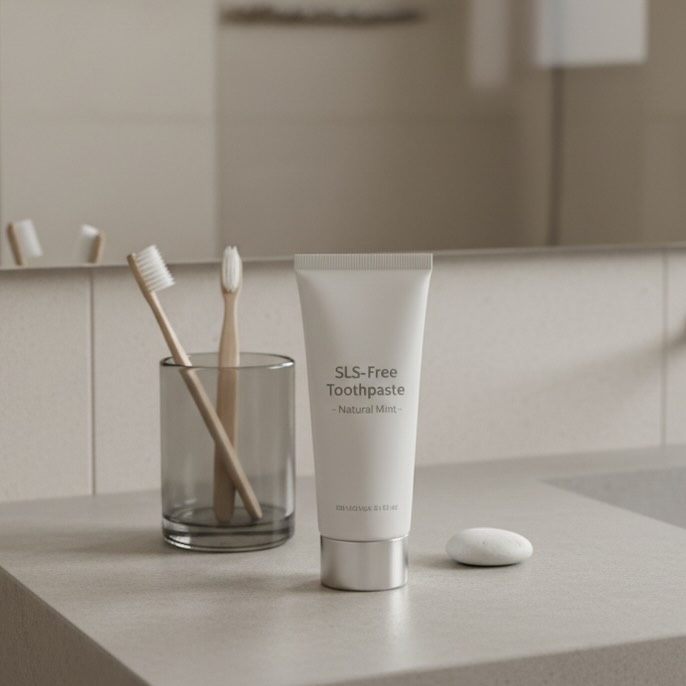
You brush your teeth twice a day, trusting that your toothpaste is helping you maintain a healthy smile. But have you ever stopped to read the ingredient list on that tube sitting by your sink? Hidden among those scientific names is a chemical compound that might be doing more harm than good: sodium lauryl sulfate, commonly known as SLS.
Toothpaste without SLS has become increasingly popular as people become more aware of what they're putting in their bodies. This foaming agent might create satisfying bubbles when you brush, but it's linked to mouth irritation, canker sores, and disruption of your taste buds. Making the switch to SLS-free toothpaste doesn't mean sacrificing cleanliness. Natural alternatives clean just as effectively while being gentler on your mouth and better for your overall health. Understanding why this chemical should be avoided is the first step toward making a healthier choice for you and your family.
Sodium lauryl sulfate is a surfactant that manufacturers add to toothpaste to create foam and help distribute the cleaning agents throughout your mouth. This chemical compound works by reducing surface tension, allowing water and oil to mix more easily. When you brush, SLS creates those satisfying bubbles that make you feel like your teeth are getting extra clean.
However, the science behind toothpaste without SLS reveals that foaming isn't necessary for effective cleaning. Your toothbrush's mechanical action combined with gentle abrasives does the actual work of removing plaque and food particles. The foam is mostly cosmetic, creating a psychological association between bubbles and cleanliness that manufacturers have cultivated for decades.
The mechanism of how this chemical works explains why it causes problems. SLS strips away the protective mucous layer that coats your mouth's tissues. This layer serves as a barrier against irritants and helps maintain moisture. Without it, your mouth becomes more vulnerable to irritation and inflammation.
Research published in dental journals shows that people who use toothpaste without SLS experience significantly fewer canker sores. One study found a 70% reduction in canker sore occurrence when participants switched to SLS-free alternatives. The chemical's harsh nature can also disrupt your taste buds, which is why orange juice tastes terrible right after brushing with traditional toothpaste.
Understanding the science helps you make informed decisions about your oral care routine. The promise of SLS-free toothpaste isn't just marketing hype—it's backed by research showing real benefits for your mouth's health and comfort.
When you first squeeze SLS-free toothpaste onto your brush, you'll notice it looks different. The consistency tends to be slightly thicker, and it doesn't foam up immediately. Reviews on Amazon consistently mention this adjustment period. One verified purchaser wrote that their Tom's of Maine SLS-free toothpaste "felt weird at first because there were no bubbles, but my mouth felt cleaner after a week."
The taste of toothpaste without SLS often surprises first-time users in a good way. Without the harsh chemical coating your mouth, natural mint flavors come through more clearly. Reddit users in health-focused communities frequently comment that foods taste better after brushing with sulfate-free formulas. The artificial aftertaste that lingers with traditional toothpaste disappears completely.
During the actual brushing process, performance reviews highlight that the lack of foam doesn't mean lack of effectiveness. Your teeth feel just as smooth and clean after using toothpaste without SLS. Many users report needing to use slightly less product since there's no excessive foam to rinse away.
The feel on your gums is noticeably gentler. People with sensitive mouths consistently praise this aspect in their reviews. One Amazon reviewer noted their gums stopped bleeding after switching to SLS-free toothpaste, suggesting the chemical was causing irritation they didn't realize they had.
Reddit's r/ZeroWaste and r/HealthyFood communities regularly recommend specific sulfate-free brands. Users share that the adjustment period lasts only a few days, after which they prefer the performance of SLS-free options. The consensus across hundreds of reviews is clear: toothpaste without SLS delivers results without compromising comfort.

The safety profile of sodium lauryl sulfate raises legitimate concerns when you're putting something in your mouth twice daily. While regulatory agencies consider SLS generally safe in small amounts, "safe" doesn't necessarily mean ideal for long-term health. Toothpaste without SLS eliminates a chemical that can cause irritation and inflammation in sensitive individuals.
SLS is also found in industrial cleaning products, which makes some people uncomfortable using it for oral care. The chemical can be contaminated during manufacturing with 1,4-dioxane, a potential carcinogen. Though contamination levels in consumer products are typically low, avoiding the ingredient altogether provides peace of mind for health-conscious families.
Natural alternatives used in toothpaste without SLS include plant-derived surfactants like decyl glucoside from coconut or sugar beets. These clean ingredients provide gentle cleansing without harsh chemical side effects. They're biodegradable and don't accumulate in your body over time like some synthetic compounds might.
Non-toxic formulas also exclude other questionable ingredients often paired with SLS. Many conventional toothpastes contain artificial sweeteners, synthetic dyes, and preservatives that serve no real purpose for dental health. Chemical-free alternatives focus on ingredients that actively support oral health rather than just creating pleasant aesthetics.
The EWG's Skin Deep database rates many toothpastes containing SLS as moderate hazards due to irritation concerns. Toothpaste without SLS consistently scores better on safety assessments. When you choose clean ingredients, you're reducing your toxic load and supporting your body's natural health processes without sacrificing dental hygiene effectiveness.
Children's mouths are more sensitive than adults', making toothpaste without SLS especially important for young brushers. Kids are also more likely to swallow toothpaste, increasing their exposure to any potentially toxic ingredients. The chemical irritation from SLS can make brushing uncomfortable, turning tooth care into a battle rather than a healthy habit.
Young children who develop canker sores or mouth irritation may not communicate their discomfort effectively. Parents often don't realize that the toothpaste itself is causing problems. Switching to sulfate-free options frequently resolves mystery mouth pain that toddlers and preschoolers experience during or after brushing.
Pregnant women experience increased oral sensitivity due to hormonal changes that affect gum tissue. Using toothpaste without SLS during pregnancy helps minimize irritation during this vulnerable time. Pregnancy gingivitis affects up to 75% of expectant mothers, and avoiding harsh chemicals supports gentler oral care.
While SLS isn't considered severely toxic during pregnancy, reducing unnecessary chemical exposure is always wise when growing a baby. Clean, natural ingredients in sulfate-free toothpaste provide one less thing to worry about. Many pregnant women report that non-toxic toothpaste helps with morning sickness since it doesn't trigger nausea as strongly as conventional formulas.
Comparing ingredient toxicity helps you make informed decisions. While SLS isn't the most dangerous chemical in consumer products, it's certainly more toxic than alternatives like coconut-derived surfactants. For families prioritizing health, toothpaste without SLS represents a simple switch that reduces exposure without requiring lifestyle overhauls or significant effort.

Toothpaste without SLS typically costs more upfront than conventional brands. You might pay $6-12 for a tube of natural, sulfate-free toothpaste compared to $3-5 for mainstream options containing SLS. This price difference reflects higher quality ingredients, smaller production batches, and companies that prioritize health over mass-market pricing strategies.
However, the value extends beyond the initial purchase price. Many users find they use less product per brushing since there's no excess foam to rinse away. A tube of SLS-free toothpaste often lasts just as long as cheaper alternatives, making the cost per use more comparable than it first appears.
You can find toothpaste without SLS at various retailers, each offering different advantages. Natural grocery stores like Whole Foods and Sprouts carry extensive selections, allowing you to compare brands in person. Online retailers like Amazon provide convenience and often better prices, especially when buying multi-packs or subscribing for regular deliveries.
Direct purchases from brand websites sometimes offer the best value through subscription discounts. Companies like David's, Hello, and Dr. Bronner's reward loyal customers with 15-20% off recurring orders. Target and Walmart have expanded their natural product sections, making sulfate-free toothpaste increasingly accessible even in conventional retail settings.
When evaluating the cost of toothpaste without SLS, consider the investment in your long-term oral health. Spending an extra $50-75 per year on quality toothpaste is minimal compared to dental procedures needed to address problems caused by chemical irritation. The price difference becomes even less significant when you factor in improved comfort and reduced health issues.
Tom's of Maine pioneered the natural toothpaste market and remains a popular choice for toothpaste without SLS. Their formulas use calcium carbonate for gentle abrasion and natural flavors derived from peppermint oil. However, some users find Tom's texture grainier than they prefer, and the brand was acquired by Colgate, which concerns consumers seeking truly independent natural companies.
Hello Toothpaste offers a more modern alternative with smooth texture and fun flavors. Their sulfate-free formulas include activated charcoal options and use naturally derived sweeteners like xylitol and stevia. Hello costs slightly less than Tom's while maintaining clean ingredient standards, making it an excellent value proposition for families switching to SLS-free options.
David's represents the premium end of toothpaste without SLS, packaged in recyclable metal tubes with a unique squeezable design. Their formulas contain minimal ingredients—typically fewer than ten total components. Compared to Colgate or Crest containing SLS, David's provides superior ingredient transparency and sustainability but costs approximately double the price.
The best toothpaste for your needs depends on priorities. If you value minimal environmental impact and ultra-clean ingredients, David's wins despite higher cost. For families seeking affordability while avoiding sulfates, mainstream natural brands like Tom's or Hello balance price and quality effectively.
When comparing toothpaste without SLS to conventional rivals, the sulfate-free options consistently outperform in gentleness and safety while matching cleaning effectiveness. The only area where traditional toothpaste might have an edge is immediate foam satisfaction, which has no actual bearing on dental health. Most users prefer natural alternatives after the brief adjustment period to less foam.

Toothpaste without SLS offers compelling benefits that make it worth considering for your oral care routine. The reduction in mouth irritation and canker sores alone makes the switch valuable for many people. You'll appreciate how foods taste normal after brushing, without that metallic or bitter aftertaste that lingers with sulfate-containing formulas.
The gentle cleaning action protects your mouth's natural barriers while still effectively removing plaque and bacteria. Natural alternatives to SLS provide adequate cleansing without the harsh stripping sensation. Many users report improved overall oral health, including healthier gums and reduced sensitivity, after consistently using sulfate-free toothpaste for several weeks.
The main disadvantage of toothpaste without SLS is the adjustment period to less foam. If you've spent your entire life associating bubbles with cleanliness, the first few uses might feel underwhelming. However, this perception shifts quickly as you realize your teeth feel just as clean without excessive lather.
Higher upfront costs present another consideration, though the value justifies the expense when you factor in health benefits. Limited availability in some rural areas might require online ordering, which some people find less convenient than grabbing toothpaste during grocery trips. These minor inconveniences pale in comparison to the advantages of avoiding this chemical irritant.
Making the switch to toothpaste without SLS is a simple change that delivers meaningful benefits for your oral health and overall wellbeing. The chemical serves no essential purpose in dental care—it's purely cosmetic. By choosing sulfate-free alternatives, you reduce unnecessary exposure to an irritating compound while maintaining excellent oral hygiene.
Start with a single tube to test how your mouth responds. Most people notice reduced irritation within a week and prefer the gentler experience. Give yourself two weeks to adjust to the different texture and reduced foam. After that adjustment period, you'll likely wonder why you didn't make this change sooner.
Your mouth deserves gentle, effective care that supports rather than challenges its natural defenses. Toothpaste without SLS provides exactly that—clean teeth, healthy gums, and comfortable brushing without harsh chemicals. The investment in your oral health pays dividends in reduced irritation, fewer dental issues, and the peace of mind that comes from knowing you're treating your body with the care it deserves.
* AI Disclosure: This article was developed with the assistance of AI language models, which aided in research, drafting, and/or editing. We strive for accuracy, but AI-generated content can occasionally contain errors. We recommend you double-check and verify information before making decisions based on this content.