Check out this simple solution for mess-free cloth diapering on the go. Get instantly organized with the ultimate waterproof wet bag.
Tchiki Davis, M.A., Ph.D.
*This post may contain affiliate links. If you click and make a purchase, we may earn a small commission at no extra cost to you.
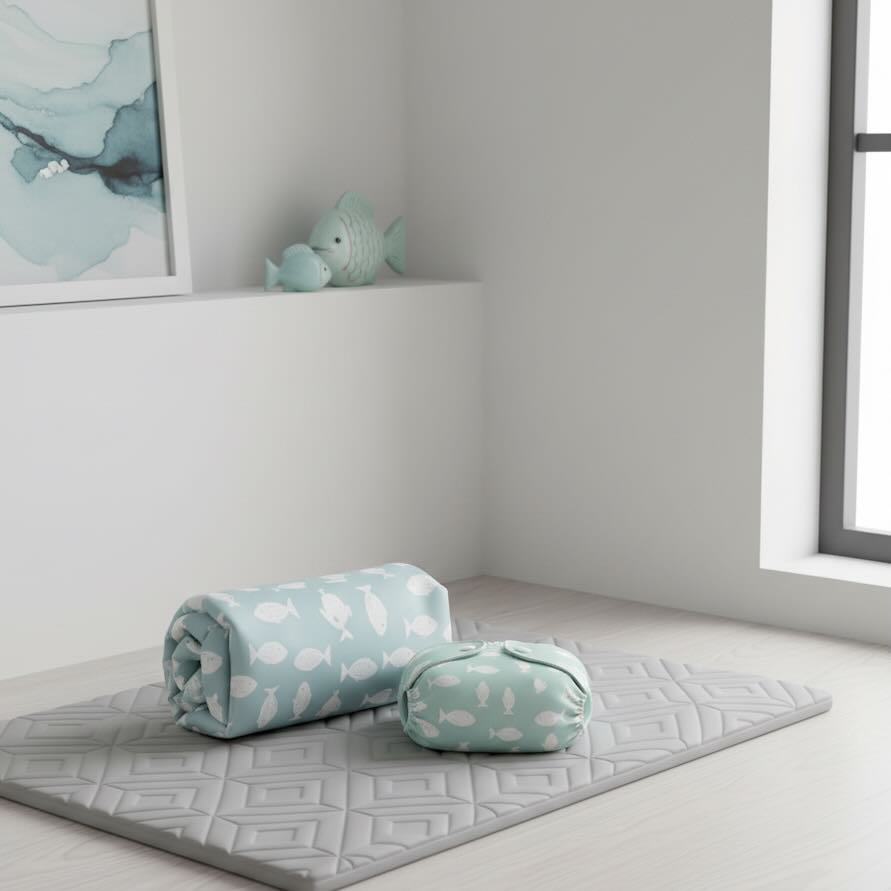
Choosing cloth diapers is a wonderful decision for your baby's health and the environment. But if you're new to cloth diapering, you'll quickly discover that managing dirty diapers requires the right tools. Wet bags for cloth diapers are essential accessories that keep soiled diapers contained until wash day while preventing odors and leaks.
These specialized bags create a barrier between dirty diapers and everything else in your diaper bag, car, or home. Without quality wet bags, cloth diapering becomes messier and more challenging than it needs to be.
Not all diaper wet bags are created equal, though. Some contain toxic chemicals like PVC or PFAS that you definitely don't want near your baby. Others leak, allow odors to escape, or fall apart after a few washes. The best wet bags for cloth diapers combine waterproof performance with clean, non-toxic materials that protect your baby from harmful chemical exposure. This guide will help you understand what makes a wet bag truly safe and effective, which features matter most, and how to choose options that align with your commitment to reducing toxins in your baby's life. You'll learn everything needed to keep your cloth diapering routine clean, convenient, and completely safe.
The science behind wet bags for cloth diapers is straightforward but important to understand. These specialized bags use waterproof fabric to contain moisture and odors from soiled diapers. The mechanism involves a laminated or coated fabric layer that prevents liquid from passing through while trapping odors inside. Quality cloth diaper wet bags feature sealed seams that eliminate any potential leak points where moisture could escape.
The promise of a good wet bag is simple: you can confidently store dirty diapers anywhere without leaks or smells. Whether you're out shopping, visiting family, or simply storing diapers at home between washes, wet bags keep everything contained. The waterproof barrier works in both directions—keeping wetness inside and preventing external moisture from getting in.
Most quality wet bags for cloth diapers use PUL (polyurethane laminate) fabric. This material consists of a knit fabric base with a thin polyurethane coating that creates the waterproof barrier. The science of how PUL works involves molecular bonding between the fabric and coating, creating a breathable yet waterproof layer. Unlike plastic bags, PUL allows some air circulation while still containing moisture and odors.
PUL fabric represents the gold standard for cloth diaper wet bags because it balances performance with safety. The polyurethane coating is more stable and less toxic than PVC alternatives. Quality PUL maintains its waterproof properties through hundreds of washes when cared for properly. The mechanism behind its durability involves the strong bond between the coating and fabric base that doesn't degrade easily.
TPU (thermoplastic polyurethane) is a newer material gaining popularity in wet bags for cloth diapers. This fabric technology uses a different mechanism than PUL, with the waterproof layer fused to the fabric through heat rather than adhesive. The science shows that TPU is more durable and environmentally friendly than traditional PUL. It also handles heat better, meaning TPU diaper storage bags can withstand higher washing temperatures.
The promise of TPU cloth diaper bags includes better longevity and superior performance. TPU doesn't delaminate—the coating separating from the fabric—which is a common failure mode for lower-quality PUL. The material remains flexible even in cold temperatures, so your wet bag won't become stiff or crack. Understanding these material differences helps you choose wet bags that will truly last through your entire cloth diapering journey.
The effectiveness of wet bags for cloth diapers depends heavily on seam construction. The science of waterproofing involves more than just fabric choice. Every needle hole from stitching creates a potential leak point. Quality manufacturers seal these seams using heat-welded tape or additional waterproof coating. This mechanism ensures complete containment without liquid seeping through stitching.
The best cloth diaper wet bags feature fully sealed or welded seams throughout. Some budget options skip this step, leading to frustrating leaks. Understanding how seam sealing works helps you identify quality products. The promise is simple: properly sealed wet bags won't leak even when packed full of heavily soiled diapers. This technology makes the difference between a wet bag that truly works and one that leaves you with unpleasant surprises.

When you first handle quality wet bags for cloth diapers, the difference from cheap alternatives is immediately apparent. The fabric feels substantial rather than flimsy, with a slight texture from the waterproof coating. Quality PUL or TPU has a soft hand-feel that isn't stiff or crinkly. The zippers operate smoothly without catching, and the construction appears durable with reinforced stress points.
Parents who've used various diaper wet bags consistently report that you can feel the quality difference. Amazon reviews frequently mention how some brands feel "cheap" while others feel "built to last." The immediate results of choosing quality become apparent—you feel confident tossing the bag in your diaper bag without worrying about leaks. That peace of mind has real value in your daily routine.
The most critical performance metric for wet bags is leak prevention. Reviews across platforms reveal which brands truly deliver on this promise. Parents test these bags in challenging situations—packed diaper bags, hot cars, long outings, and overnight storage. The best wet bags for cloth diapers pass these tests without any moisture escaping.
Real performance stories from Reddit's cloth diapering community highlight what works. One parent shared how their Planet Wise wet bag survived a six-hour road trip with three heavily soiled diapers without any leaks or noticeable odor. Another described accidentally leaving a wet bag in a hot car for hours with zero issues. These immediate results demonstrate the difference between adequate and excellent wet bags.
Beyond preventing leaks, quality cloth diaper wet bags excel at containing odors. The performance here varies significantly between brands. Reviews consistently note that some wet bags allow diaper smells to permeate through, while others keep everything sealed. The best diaper storage bags feature snug-closing zippers and quality materials that don't allow odor molecules to escape.
Parents report immediate results when switching from cheap to quality wet bags—suddenly their diaper bag doesn't smell like dirty diapers. This performance metric matters tremendously for maintaining dignity during outings. You shouldn't worry about your entire purse smelling because of one soiled diaper. Quality wet bags for cloth diapers deliver the odor-blocking performance you need for confident cloth diapering anywhere.
Long-term performance reviews provide valuable insight into wet bag durability. Parents using cloth diapers through multiple children share which bags maintained their waterproof properties and which failed. The best wet bags withstand hundreds of washes without delaminating, leaking, or losing zipper function. Reviews mention specific brands lasting through two or three children of cloth diapering.
The feel and performance of quality wet bags remains consistent over time rather than degrading quickly. Budget options often work initially but fail within months. Medium to high-quality cloth diaper wet bags maintain their effectiveness throughout your diapering journey. This sustained performance translates to better value despite higher initial costs. Real parent experiences confirm that investing in quality wet bags pays off through reliable, long-lasting results.

Safety vetting for wet bags requires understanding potential toxins in waterproof materials. Traditional waterproofing methods sometimes use harmful chemicals you want to avoid. PVC (polyvinyl chloride) is a major concern—this plastic releases toxic chemicals including phthalates that act as endocrine disruptors. Some cheaper diaper wet bags use PVC because it's inexpensive, but these products expose your baby to unnecessary toxins.
PFAS (per- and polyfluoroalkyl substances) represent another chemical concern. These "forever chemicals" are sometimes used in waterproofing treatments and have been linked to various health issues. Non-toxic wet bags for cloth diapers explicitly avoid both PVC and PFAS. The safest options use clean PUL or TPU materials without toxic chemical treatments. Understanding these risks helps you identify truly safe diaper storage solutions.
Clean wet bags for cloth diapers use specific materials you can look for. Food-grade PUL is considered safe and non-toxic, meeting standards for materials that contact consumables. TPU is generally recognized as a cleaner alternative with no known toxic concerns. These materials provide waterproof performance without the chemical risks of PVC or PFAS-treated fabrics.
When evaluating cloth diaper wet bags for safety, check manufacturer disclosures about materials. Reputable brands explicitly state "PVC-free" and "PFAS-free" in their product descriptions. The best companies provide detailed information about their fabric sources and manufacturing processes. Non-toxic wet bags should clearly communicate what they don't contain as much as what they do.
Third-party certifications help identify safe wet bags for cloth diapers. OEKO-TEX Standard 100 certification tests for harmful substances and confirms the product is safe for baby use. This independent verification gives you confidence that the diaper storage bag meets strict safety standards. Not all manufacturers pursue certification due to costs, but those who do demonstrate commitment to clean products.
CPSIA (Consumer Product Safety Improvement Act) compliance is legally required for children's products in the US. This ensures non-toxic lead levels and other basic safety standards. Quality wet bags for cloth diapers should mention CPSIA compliance. While this represents minimum safety requirements, it's an important baseline. The safest products exceed these minimums with additional certifications and testing.
Identifying non-toxic wet bags means knowing what to avoid:
Clean cloth diaper wet bags shouldn't have strong chemical smells when new. A slight plastic scent from PUL is normal and dissipates quickly, but overwhelming odors suggest problematic materials. The safest diaper storage solutions come from transparent manufacturers who prioritize non-toxic materials and can document their safety claims with certifications.
Your baby's developing system is particularly vulnerable to chemical exposures. Wet bags for cloth diapers sit in close proximity to soiled diapers that will be cleaned and reused against your baby's most sensitive skin. While the wet bag itself doesn't directly touch your baby, contamination concerns exist. Toxins can transfer from the bag to diapers during storage and handling.
Kids' safety requires considering the entire cloth diapering system. If your wet bag contains harmful chemicals, those substances might migrate to your clean hands when you handle it, then transfer to your baby. The safest approach uses non-toxic materials throughout your diapering routine. Clean wet bags for cloth diapers eliminate one more potential exposure point in your baby's environment.
Beyond safety, wet bags need to function well in daily family use. The best cloth diaper wet bags include features that make life easier. Two zippered compartments let you separate clean and dirty items in one bag. Handles or snap straps allow hanging the bag on stroller handles or doorknobs. These practical considerations affect whether you'll actually enjoy using cloth diapers.
Size matters significantly for different situations. Small wet bags (holding 2-3 diapers) work perfectly for short outings. Medium bags (4-6 diapers) suit full-day trips. Large bags designed for home storage can hold an entire day's worth of diapers between washes. Understanding these size categories helps you build a collection of diaper storage solutions for various scenarios.
Creating a safe, functional home system with wet bags supports successful cloth diapering. Many families use large hanging wet bags in the nursery to collect dirty diapers throughout the day. This approach keeps soiled diapers contained without needing traditional diaper pails that can harbor bacteria. The non-toxic materials ensure your baby's room remains free from chemical off-gassing.
Family use extends to laundry day convenience. Quality wet bags for cloth diapers can go directly into the washing machine, then be line dried or tumble dried on low. This simplicity makes the system sustainable long-term. You don't need separate containers or complicated processes—just toss the whole bag and its contents into the wash.
Parents new to cloth diapering often worry about handling dirty diapers outside the home. Quality wet bags eliminate most concerns. The waterproof, odor-blocking properties mean you can discreetly manage cloth diapers anywhere. Reviews from experienced parents consistently emphasize how good wet bags make cloth diapering away from home completely manageable.
Another common concern involves hygiene and bacterial growth. Non-toxic cloth diaper wet bags can be thoroughly cleaned in each wash cycle, preventing bacterial buildup. Some parents worried about safety wonder if wet bags themselves become contaminated. When properly washed using appropriate detergent and sanitizing techniques, wet bags remain hygienic and safe. The key is choosing quality materials that withstand frequent washing without degrading.

Wet bags for cloth diapers span a wide price range from $5 to $30+ per bag depending on size, brand, and quality. Budget options under $10 often use lower-quality PUL with minimal seam sealing. Mid-range bags ($12-18) typically offer better construction and materials. Premium wet bags ($20-30) feature superior fabrics, reinforced construction, and thoughtful design details.
The price reflects manufacturing quality, material choices, and brand reputation. Imported mass-produced diaper wet bags cost less but may contain questionable materials. US-made or carefully sourced bags from small businesses cost more but often use certified non-toxic materials. Understanding these price differences helps you assess true value rather than just comparing numbers.
Calculating total cost requires determining how many bags your system needs. Most cloth diapering families use 4-6 wet bags for cloth diapers in rotation. This typically includes:
Your total investment might range from $80 to $180 for a complete set. This seems significant, but consider that you'll use these bags daily for 2-3 years of diapering. Quality wet bags often survive multiple children, further improving value. The cost per use becomes quite low when calculated across thousands of diaper changes.
When evaluating value, compare wet bags to disposable diaper alternatives. If you cloth diaper away from home without wet bags, you'd need to store dirty diapers in plastic bags. Using disposable plastic bags for every diaper change over several years costs significantly more and creates waste. Quality reusable wet bags for cloth diapers eliminate this ongoing expense entirely.
The environmental value also matters to many families. Wet bags support sustainable diapering by making cloth more convenient. This prevents thousands of disposable diapers from entering landfills. While this benefit isn't purely financial, it represents real value for environmentally conscious parents. The price of quality diaper storage solutions is modest compared to the broader cloth diapering savings and sustainability benefits.
Where you purchase affects both price and product quality. Amazon offers convenient shopping with extensive reviews, though selection of truly non-toxic options may be limited. Specialty cloth diapering retailers like Lagoon Baby or Nicki's Diapers curate quality brands and can answer specific questions. Direct from manufacturer websites sometimes offers the best prices and fullest size selections.
Shopping strategies to maximize value:
The cost of quality wet bags for cloth diapers becomes manageable when you shop strategically. Value improves dramatically when bags last through multiple children or can be resold after use, recouping some of your initial investment.
Traditional diaper pails represent the primary alternative to wet bags for cloth diaper storage. These containers sit in the nursery for collecting soiled diapers between washes. While pails work for home storage, they lack the portability of wet bags. You can't take a diaper pail with you to the park or shopping. The best cloth diapering systems use both—wet bags for on-the-go and pails or large wet bags for home.
Quality wet bags for cloth diapers offer several advantages over plastic pails. They don't develop the permanent odor problems that plague plastic containers. Wet bags can be washed, ensuring freshness, while pails require scrubbing. The portability factor makes wet bags essential even if you also use a pail. Most experienced cloth diapering parents consider wet bags non-negotiable regardless of other storage methods.
Among wet bag brands, Planet Wise and Thirsties lead in popularity and performance. Planet Wise wet bags feature quality PUL fabric with sealed seams and reliable zippers. Parents consistently praise their durability through extended use. The bags come in extensive pattern selections and multiple sizes. Price points sit in the mid-to-upper range but value justifies the cost through longevity.
Thirsties offers comparable quality with slightly different design choices. Their cloth diaper wet bags use quality materials and construction. Some parents prefer Thirsties' handle designs or pocket placement. Price-wise, the brands compete directly. The best choice often comes down to pattern preferences and specific features like snap handles versus sewn straps. Both represent excellent alternatives to cheaper, lower-quality options.
Bumkins provides another popular option for wet bags at moderate pricing. Their diaper storage bags use waterproof fabric with heat-sealed seams. Quality is solid though perhaps not quite as robust as Planet Wise or Thirsties. The advantage is better pricing—often $2-5 less per bag. For families needing several wet bags, this savings adds up while still providing non-toxic, functional products.
Budget no-name brands on Amazon cost even less but require careful evaluation. Some generic wet bags for cloth diapers perform adequately, while others leak or fall apart quickly. Reading reviews helps identify which budget options actually work. The best strategy often involves buying one quality bag to establish expectations, then potentially trying budget alternatives for secondary use where performance is less critical.
Some crafty parents wonder about making DIY wet bags as an alternative to purchased options. Creating your own requires PUL fabric, quality zippers, and sewing skills. The cost savings may be minimal once you account for materials and time. However, DIY allows customizing size and features exactly to your needs.
For most families, purchasing quality wet bags for cloth diapers makes more sense than DIY:
The best alternatives depend on your priorities. If you love sewing and want fully customized bags, DIY could work. For most parents, purchasing quality diaper wet bags from reputable brands offers better value through guaranteed performance and saved time.

Wet bags for cloth diapers offer compelling benefits that make them essential for successful cloth diapering. They provide reliable leak and odor containment that gives you confidence using cloth anywhere. Quality bags eliminate the mess and stress that would otherwise make cloth diapering away from home impractical. The non-toxic materials protect your baby from chemical exposures while the waterproof performance protects everything around the bag.
The pros include convenience and sustainability. Wet bags make cloth diapering as easy as disposables when you're out. You simply toss soiled diapers in the bag and deal with them at home. The reusable nature eliminates waste from disposable plastic bags while supporting your overall low-toxin lifestyle. Quality cloth diaper wet bags last through multiple children, providing years of reliable service that justifies the initial investment.
Wet bags aren't without some drawbacks worth considering. The upfront cost represents a barrier for some families—outfitting yourself properly requires $80-180. You need multiple bags in rotation, which means more items to wash and manage. Some learning curve exists around care—wet bags need proper washing and shouldn't be exposed to high heat in the dryer.
Other cons include the fact that wet bags don't eliminate all odor, especially with heavily soiled diapers stored for hours. They're not as hands-off as simply tossing disposable diapers in the trash. Some people find the idea of handling bags of dirty diapers unappealing. Budget quality bags may leak or wear out quickly, creating frustration. These limitations are real but manageable when you choose quality products and understand what to expect.
For families committed to cloth diapering, quality wet bags are absolutely essential. We recommend investing in at least 4-6 bags in appropriate sizes for your needs. Start with one or two small bags for your diaper bag and short outings. Add medium bags for full-day trips and large bags for home storage. Prioritize non-toxic materials by choosing PUL or TPU bags that explicitly state they're PVC-free and PFAS-free.
Planet Wise and Thirsties represent excellent choices for quality wet bags for cloth diapers. Their proven durability and non-toxic materials justify the higher price point. If budget is tight, Bumkins offers good quality at more accessible prices. Avoid the cheapest no-name options unless reviews specifically confirm leak-proof performance and durability. One quality bag beats three cheap ones that fail.
When shopping for cloth diaper wet bags, consider these priorities: size appropriate for your intended use, verified non-toxic materials, solid construction with sealed seams, and reliable zippers. Read reviews to confirm leak prevention and odor containment. Buy from companies that provide clear information about their materials and manufacturing. Don't skip the investment in quality—wet bags you can trust make the difference between loving cloth diapering and giving up in frustration.
Your wet bags work hard in your cloth diapering system. They deserve to be quality products that perform reliably day after day. The best wet bags for cloth diapers become essential tools you depend on for convenient, hygienic, sustainable diapering wherever you go. Choose wisely, care for them properly, and these bags will serve you well throughout your cloth diapering journey and potentially for subsequent children too.
* AI Disclosure: This article was developed with the assistance of AI language models, which aided in research, drafting, and/or editing. We strive for accuracy, but AI-generated content can occasionally contain errors. We recommend you double-check and verify information before making decisions based on this content.