Discover the secret to eco-friendly kitchen tools—wooden cutting boards trump plastic every time.
Tchiki Davis, M.A., Ph.D.
*This post may contain affiliate links. If you click and make a purchase, we may earn a small commission at no extra cost to you.
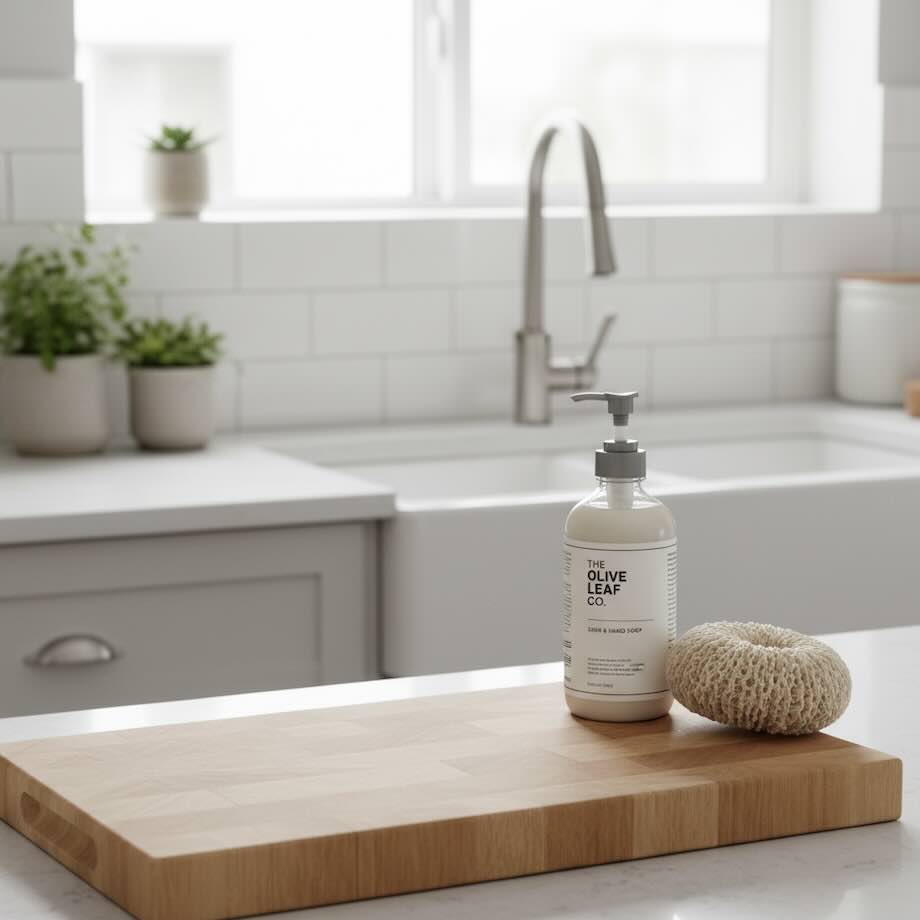
Choosing the right cutting board isn't just about what looks good in your kitchen. It's about making a choice that protects your health, reduces toxins in your home, and honors the planet we all share. Wooden cutting boards offer a natural alternative to plastic versions that can harbor harmful chemicals and create lasting environmental damage. When you understand how to properly care for wood cutting surfaces, you unlock benefits that extend far beyond simple food preparation.
This guide walks you through everything you need to know about wooden cutting board maintenance and why these natural kitchen tools deserve a place in your toxin-conscious home. You'll discover the science behind wood's natural antibacterial properties, learn hands-on care techniques that keep your boards beautiful for years, and understand why wooden cutting boards are genuinely better for the environment than their plastic counterparts. Whether you're new to natural living or already committed to reducing household toxins, this comprehensive resource will help you make informed choices about your kitchen essentials.
Science reveals something remarkable about wooden cutting boards: they possess inherent antibacterial qualities that plastic simply cannot match. Research from food safety laboratories shows that bacteria actually penetrate wood grain and become trapped, eventually dying off rather than multiplying on the surface. This natural mechanism works because wood fibers pull moisture away from bacteria, essentially dehydrating these microorganisms before they can cause harm.
The science behind wooden cutting board superiority becomes even more impressive when you examine long-term use patterns. Studies demonstrate that well-maintained wood surfaces harbor fewer dangerous pathogens than plastic alternatives, even after months of regular cutting and chopping. This happens because plastic develops deep knife grooves that create perfect hiding spots for bacteria to thrive and multiply.
Understanding the mechanism of wood's protective qualities helps you appreciate why proper care matters so much. When you slice food on a wooden cutting board, the natural fibers close back together somewhat after each cut. Plastic boards, by contrast, develop permanent scars that grow deeper with every use, creating bacterial breeding grounds that soap and water cannot reach.
The promise of wooden cutting boards extends beyond simple antibacterial action. These natural surfaces don't leach chemicals into your food like certain plastic boards can. Research indicates that some plastic cutting surfaces release microplastics and chemical compounds, especially when exposed to hot foods or aggressive scrubbing. Wood remains stable and inert, offering you a truly clean cutting surface.
The environmental science supporting wooden cutting boards reveals why they represent such a smart choice for planet-conscious households. Trees are renewable resources that absorb carbon dioxide while growing, making wood a carbon-negative material. Quality wooden cutting surfaces come from sustainably managed forests where new trees replace harvested ones, creating a cycle that actually benefits atmospheric health.
Wood's biodegradability means your cutting board won't contribute to landfill pollution for centuries like plastic versions will. When a wooden cutting surface finally reaches the end of its useful life, it breaks down naturally, returning nutrients to the soil. This circular lifecycle demonstrates how choosing wood over plastic reduces your household's toxic footprint.

Using a wooden cutting board transforms your food preparation experience in tangible ways. The surface feels solid and substantial under your knife, creating a satisfying connection between tool and task. Unlike plastic boards that can feel slippery or hollow, wood provides gentle resistance that actually helps protect your knife edges from dulling too quickly.
The performance of wood cutting surfaces shines through in their stability during use. A quality wooden cutting board stays firmly planted on your countertop without sliding around like lightweight plastic alternatives often do. This stability means you can chop vegetables, slice bread, or carve meat with confidence and safety.
The tactile experience of working on a wooden cutting surface reveals subtle benefits you might not expect. Wood has just enough give to be gentle on knife blades while maintaining firmness for precise cutting. This balance means your knives stay sharper longer compared to hard plastic boards that can actually damage blade edges with repeated impact.
Reviews from home cooks consistently praise how wooden cutting boards improve their kitchen workflow. The natural texture provides excellent grip for foods, preventing items from sliding around as you work. This practical performance advantage makes meal preparation faster and more enjoyable.
Real-world testing shows that properly maintained wooden cutting boards outperform plastic alternatives by years or even decades. Users report that their wood surfaces develop beautiful patinas over time, gaining character while remaining perfectly functional. Plastic boards, meanwhile, become increasingly scarred and stained, often requiring replacement within just a few years.
The results speak clearly when you examine cutting boards after extended use. Wood surfaces that receive regular oiling and proper cleaning maintain their integrity remarkably well. Reddit users and Amazon reviewers frequently share photos of wooden cutting boards still performing beautifully after ten or twenty years of daily use, something virtually impossible with plastic alternatives.
Your hands-on experience with wooden cutting board maintenance reveals that the care requirements are actually quite reasonable. A quick wash with soap and water after each use, followed by monthly oiling, keeps wood in excellent condition. This simple routine delivers performance results that far exceed the minimal effort invested.

Safety considerations make wooden cutting boards the clear winner for health-conscious households. These natural surfaces contain no synthetic chemicals, plastic polymers, or industrial additives that could migrate into your food. The non-toxic nature of wood means you're preparing meals on a surface that won't contaminate your ingredients with harmful substances.
Compare this to plastic cutting boards, which may contain BPA, phthalates, or other concerning compounds. Even plastics marketed as "BPA-free" often contain alternative chemicals that haven't been thoroughly studied for long-term health effects. Wood avoids this entire category of risk because it's simply a natural material requiring no chemical processing.
The safety of wooden cutting boards extends to the products used to maintain them. Food-grade mineral oil and beeswax-based board creams represent clean ingredients that keep wood healthy without introducing toxins. These natural treatments penetrate the wood grain, creating a protective barrier that enhances both safety and performance.
Understanding what makes wood treatment safe helps you maintain your cutting surface properly. Look for conditioning products labeled "food safe" or "food grade," which means they meet strict standards for materials that contact edibles. These clean ingredients nourish wood without leaving residues that could transfer to your vegetables or proteins.
Perhaps the most significant safety advantage of wooden cutting boards involves what they don't release: microplastics. Research increasingly shows that plastic cutting surfaces shed tiny plastic particles during normal use, especially when subjected to knife cuts. These microplastics end up in your food and eventually in your body.
Wood cutting surfaces eliminate this non-toxic exposure concern entirely. You won't find plastic particles contaminating your carefully chosen organic produce when you prepare meals on a wooden cutting board. This safety benefit alone makes wood the obvious choice for anyone working to reduce household toxins.
The inherent safety of wooden cutting boards includes their natural antimicrobial properties, which work without any chemical treatments. Studies confirm that wood's ability to trap and kill bacteria provides protection that keeps your food preparation safe. This natural defense system means you don't need antibacterial chemicals on your cutting surface.
Wooden cutting boards offer important safety advantages for families with children who are learning kitchen skills. The stable, non-slip surface helps young cooks develop proper technique without the board sliding dangerously across the counter. This stability reduces accident risk while children practice chopping under adult supervision.
The non-toxic nature of wood becomes especially important when considering kids' safety and developing bodies. Children's systems are more vulnerable to chemical exposures than adults, making wooden cutting surfaces a wise choice for family kitchens. You can feel confident that food prepared on wood won't carry plastic-derived contaminants to your children's plates.
Family use of wooden cutting boards works beautifully across generations. Older adults appreciate the substantial feel and stability of wood, while teenagers learning to cook benefit from the forgiving surface that doesn't dull their knives quickly. Everyone in the household can use a wooden cutting surface safely with appropriate supervision.
The relatively non-toxic profile of wooden cutting boards makes them suitable for preparing food for even the most vulnerable family members. Babies transitioning to solid foods deserve the cleanest possible preparation surfaces, and wood delivers this without compromise.
Expectant mothers often become hyperaware of household toxins, making wooden cutting boards an excellent choice during pregnancy. The safe-to-swallow nature of wood means that even tiny particles that might transfer to food pose no chemical threat. Compare this to plastic boards where microplastic exposure becomes an added concern during this sensitive period.
Pregnancy-safe kitchen practices include eliminating unnecessary chemical exposures wherever possible. Switching to wooden cutting surfaces represents one simple change that reduces toxic load while actually improving food preparation quality.
Using wooden cutting boards provides natural opportunities to teach family members about making healthier household choices. Children who grow up understanding why wood is relatively non-toxic compared to plastic develop critical thinking skills about consumer products. These lessons extend far beyond the kitchen, shaping lifelong decision-making patterns.
Families dealing with chemical sensitivities find wooden cutting boards especially valuable. Wood doesn't off-gas or release irritating compounds the way some plastics can. This makes wooden cutting surfaces suitable for households where members experience reactions to synthetic materials or fragrances.

Understanding the price range for quality wooden cutting boards helps you make smart purchasing decisions. Basic wooden cutting surfaces start around fifteen to twenty-five dollars for smaller sizes, while premium hardwood boards from artisan makers can reach one hundred fifty dollars or more. This initial cost exceeds plastic alternatives, but the value calculation requires considering long-term use.
The cost per use of wooden cutting boards drops dramatically when you factor in their exceptional longevity. A fifty-dollar wooden cutting surface that lasts twenty years costs just two dollars and fifty cents annually. Compare this to replacing plastic boards every two to three years at fifteen dollars each, which totals one hundred dollars or more over the same period.
Finding the right place to purchase wooden cutting boards ensures you get genuine value. Local artisan markets often feature beautiful handcrafted options where you can speak directly with makers about wood selection and care. Online retailers like Amazon carry extensive selections, though reading reviews carefully helps identify quality products among cheaper alternatives.
Specialty kitchen stores provide another excellent option for buying wooden cutting surfaces, often with knowledgeable staff who can explain different wood types and their properties. The price at these retailers typically reflects the curation and customer service they provide.
The value proposition of wooden cutting boards becomes crystal clear when you calculate actual long-term costs. Consider that a quality wooden cutting surface receiving proper care can easily last twenty-five years or more. Even a higher-priced board at one hundred dollars delivers extraordinary value across decades of daily use.
Plastic cutting boards require much more frequent replacement, typically every two to four years depending on use intensity. This replacement cycle means you might purchase eight or ten plastic boards over the lifespan of one wooden cutting surface, making plastic far more expensive despite lower individual unit prices.
The cost of maintaining wooden cutting boards remains minimal compared to the value they deliver. Food-grade mineral oil costs around eight to twelve dollars per bottle and lasts many months, even with regular board conditioning. Beeswax-based board creams run slightly higher but provide excellent protection and can last a year or more for most households.
Calculating value for wooden cutting boards must include environmental costs that plastic alternatives impose. Every plastic board eventually becomes waste that persists in landfills for centuries, creating cleanup costs that society bears collectively. Wood biodegrades naturally, avoiding these hidden environmental price tags that plastic products carry.
When comparing wooden cutting boards versus plastic alternatives, durability differences become immediately apparent. Wood withstands years of knife cuts while maintaining its protective properties, whereas plastic develops deep grooves that harbor bacteria and become increasingly unsanitary. This fundamental difference makes wood the clear winner for long-term kitchen use.
The best wooden cutting surfaces actually improve with age when properly maintained, developing rich patinas that add character. Plastic boards only deteriorate, becoming progressively more damaged and stained until replacement becomes necessary. This durability gap represents perhaps the most significant practical difference between the two materials.
Comparing the environmental footprint of wooden cutting boards against plastic rivals reveals stark contrasts. Wood comes from renewable forests and biodegrades naturally at end-of-life, completing a cycle that doesn't harm ecosystems. Plastic requires petroleum extraction, energy-intensive manufacturing, and creates permanent waste that pollutes land and waterways for generations.
The alternatives to plastic become obvious when you examine lifecycle impacts honestly. Even accounting for sustainable forestry practices and transportation, wooden cutting surfaces deliver far superior environmental performance compared to plastic options. This makes wood the better choice for households committed to reducing ecological harm.
Safety comparisons between wooden cutting boards and plastic alternatives consistently favor wood. Research demonstrates that wood's natural antibacterial properties keep food preparation surfaces cleaner than plastic, which develops knife scars that trap pathogens. This hygiene advantage means wooden cutting surfaces actually protect your family's health better than plastic.
The best alternatives to conventional plastic cutting boards include bamboo, which shares many properties with hardwood, or composite materials made from sustainable fibers. However, traditional hardwood cutting surfaces like maple, walnut, or cherry typically outperform even these options in terms of knife-friendliness and natural beauty.
Daily performance comparisons reveal how wooden cutting boards enhance kitchen workflows while plastic alternatives often frustrate users. Wood provides stable, substantial working surfaces that don't slide or flex during vigorous chopping. Plastic boards frequently shift or bow, creating safety hazards and making precise cutting more difficult.
The impact on knife edges differs dramatically between wooden cutting boards versus plastic surfaces. Wood's slight give protects blade edges, keeping knives sharper significantly longer than plastic alternatives. Some plastic boards, especially those marketed as "knife-friendly," are too soft and develop severe scarring quickly, while harder plastics can actually damage knife edges with repeated impact.
When comparing wooden cutting boards to competitors over extended periods, wood's value proposition becomes undeniable. The initial price premium pays for itself multiple times through extended lifespan and superior performance. Plastic's lower upfront cost proves illusory when replacement frequency and declining performance are factored into the total cost of ownership.

Wooden cutting boards deserve their place as essential tools in health-conscious, environmentally aware kitchens. These natural surfaces deliver genuine advantages that extend from food safety to planetary health, making them investments that align with values beyond simple functionality. The science supporting wood's antibacterial properties, combined with its renewable nature and biodegradability, creates a compelling case that plastic alternatives simply cannot match.
Your family's health benefits directly from choosing wooden cutting surfaces over plastic options. Eliminating microplastic exposure, avoiding chemical additives, and gaining natural antimicrobial protection all contribute to a cleaner, safer food preparation environment. These advantages matter especially for households with children, pregnant women, or anyone working to reduce toxic exposures.
Fairness requires acknowledging that wooden cutting boards do present some challenges compared to plastic alternatives. Wood requires more maintenance attention, needing regular oiling to prevent drying and cracking. These surfaces also shouldn't go in dishwashers, requiring hand washing that takes slightly more time than tossing plastic boards into automatic cleaners.
The cons of wooden cutting surfaces include their higher initial cost and need for periodic conditioning. Some people find the maintenance requirements inconvenient, especially when busy schedules make even small additional tasks feel burdensome. Wood can also warp if exposed to excessive moisture or allowed to soak, requiring more careful handling than plastic.
The pros of wooden cutting boards significantly outweigh their limitations for most households. Superior durability means these surfaces last decades rather than years, turning initial higher costs into excellent long-term value. Natural antibacterial properties and freedom from chemical additives deliver genuine health benefits that plastic cannot provide, making minor maintenance requirements worthwhile investments.
Environmental benefits add another dimension to the recommendation for wooden cutting surfaces. Choosing wood over plastic reduces your household's contribution to persistent pollution while supporting renewable forestry practices. This ecological advantage aligns perfectly with efforts to reduce overall toxic burden both personally and planetarily.
The recommendation is clear: invest in quality wooden cutting boards and learn proper care techniques to maximize their benefits. Start with one or two boards in sizes that match your cooking patterns, choosing hardwoods like maple, walnut, or cherry for optimal performance. Purchase food-grade mineral oil or board cream immediately so you can establish good maintenance habits from the start.
Take action today by evaluating your current cutting board situation and planning your transition to wooden cutting surfaces. While the change requires modest upfront investment and learning new care routines, the rewards justify this effort many times over. Your family's health, your kitchen's performance, and the planet's future all benefit from this simple but significant switch.
The final verdict on wooden cutting boards remains overwhelmingly positive. These natural kitchen tools represent smart choices that deliver practical benefits while reducing toxic exposures and environmental harm. By choosing wood over plastic and committing to proper care, you're making a decision that serves your immediate needs while honoring long-term health and sustainability values.
* AI Disclosure: This article was developed with the assistance of AI language models, which aided in research, drafting, and/or editing. We strive for accuracy, but AI-generated content can occasionally contain errors. We recommend you double-check and verify information before making decisions based on this content.